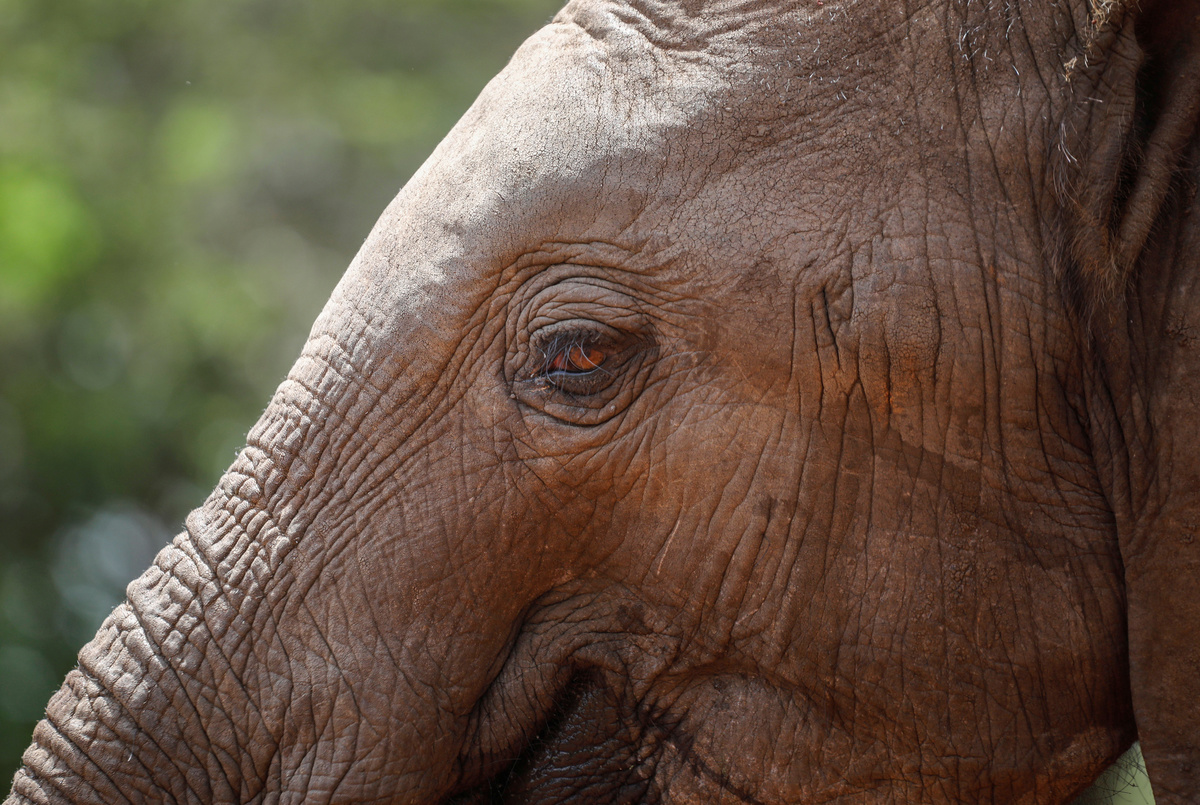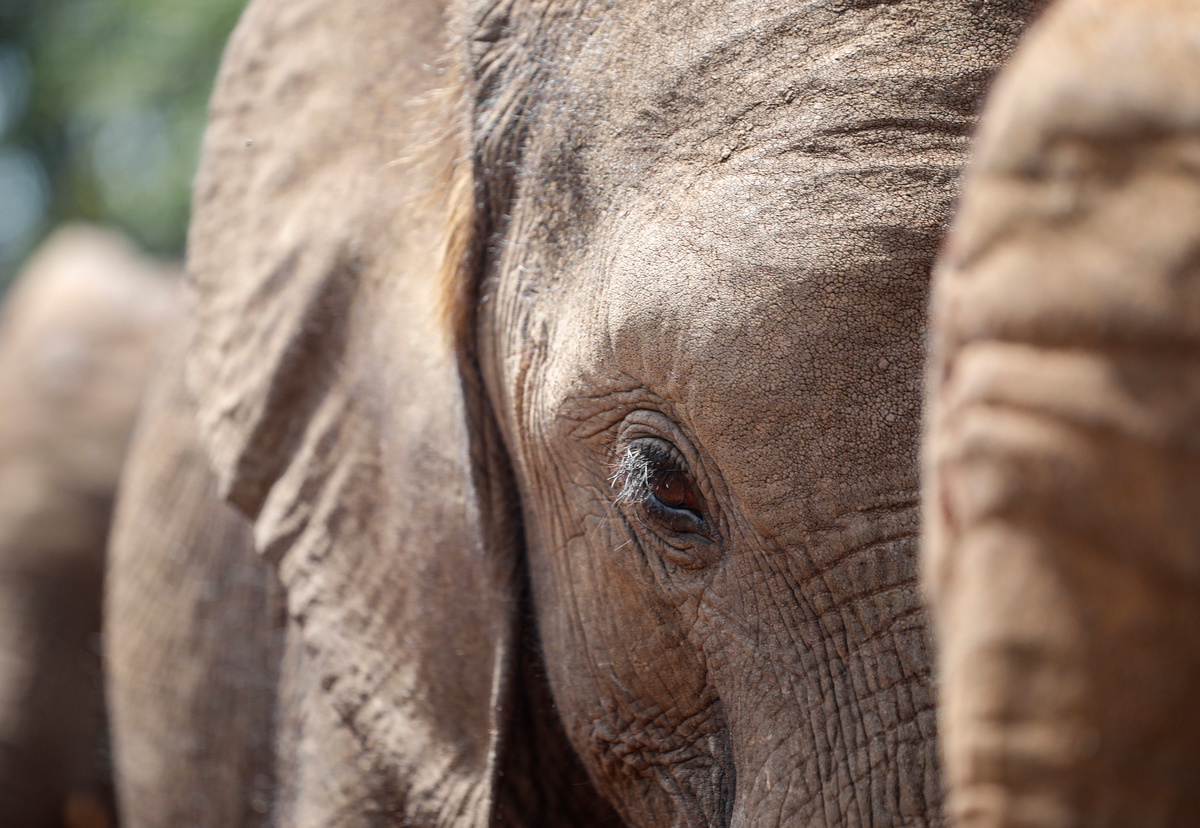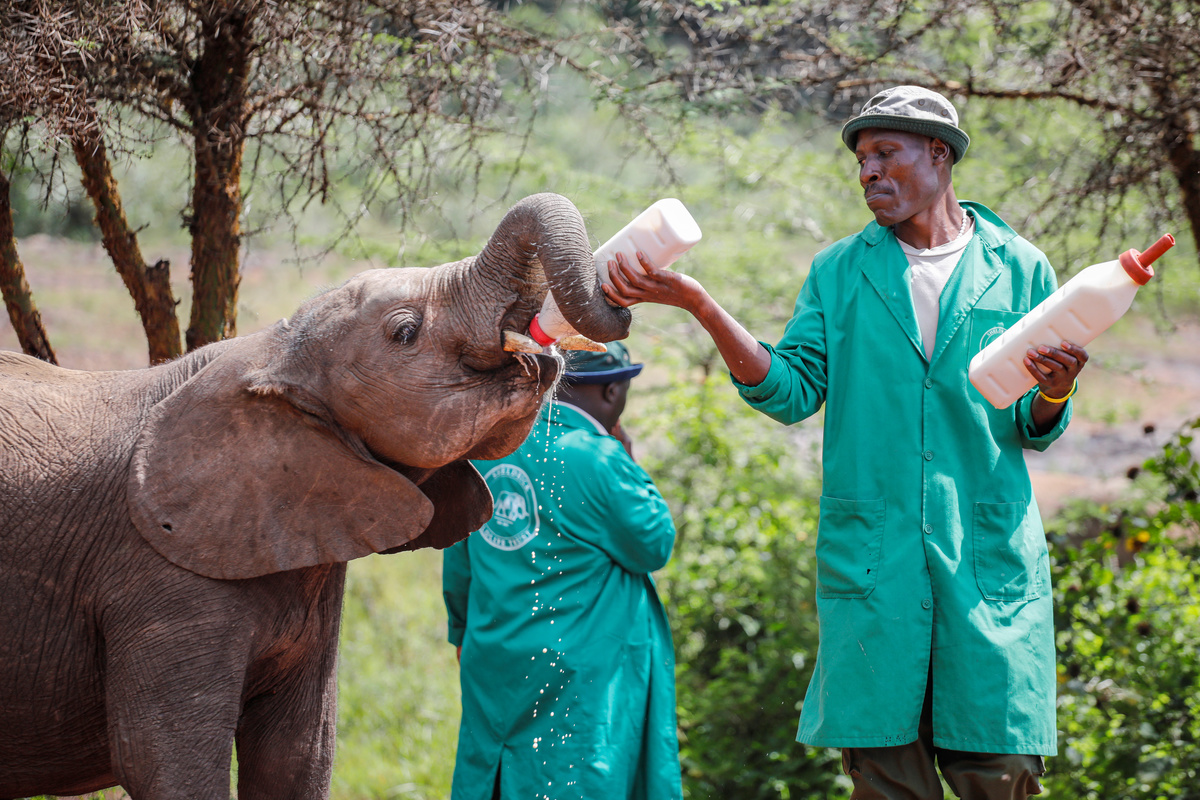
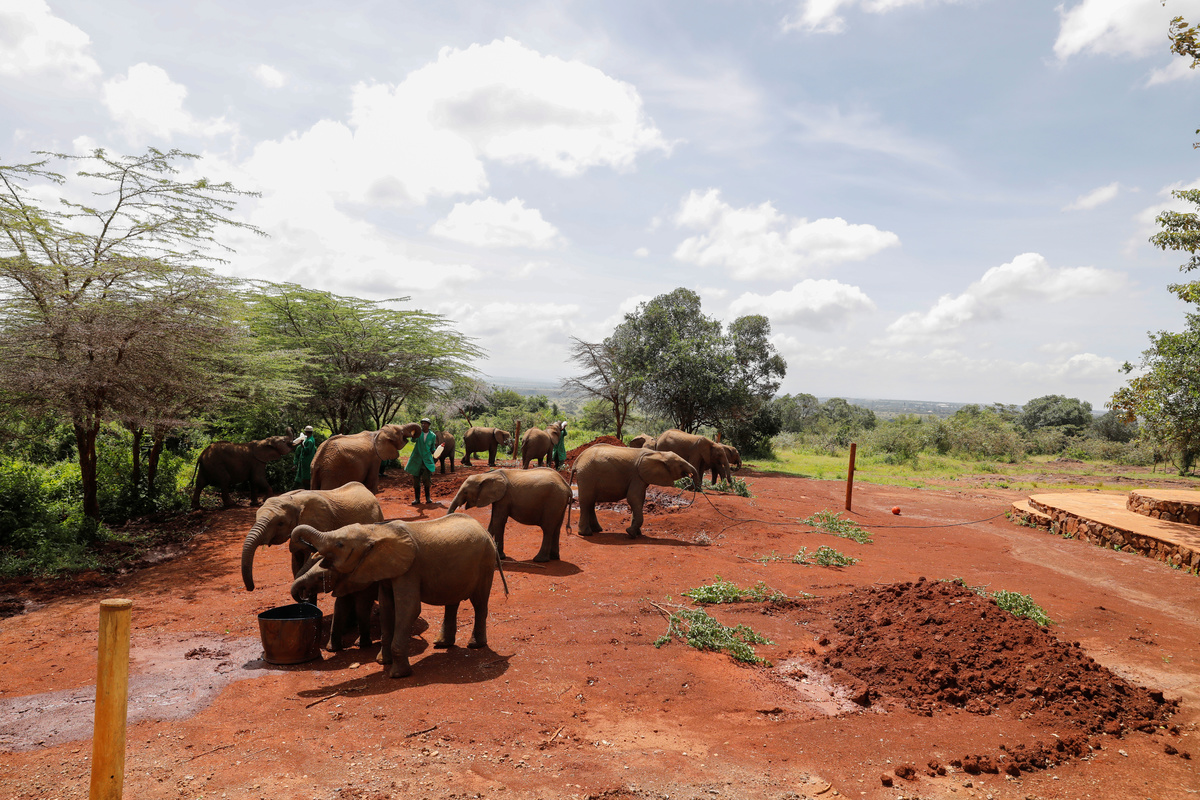
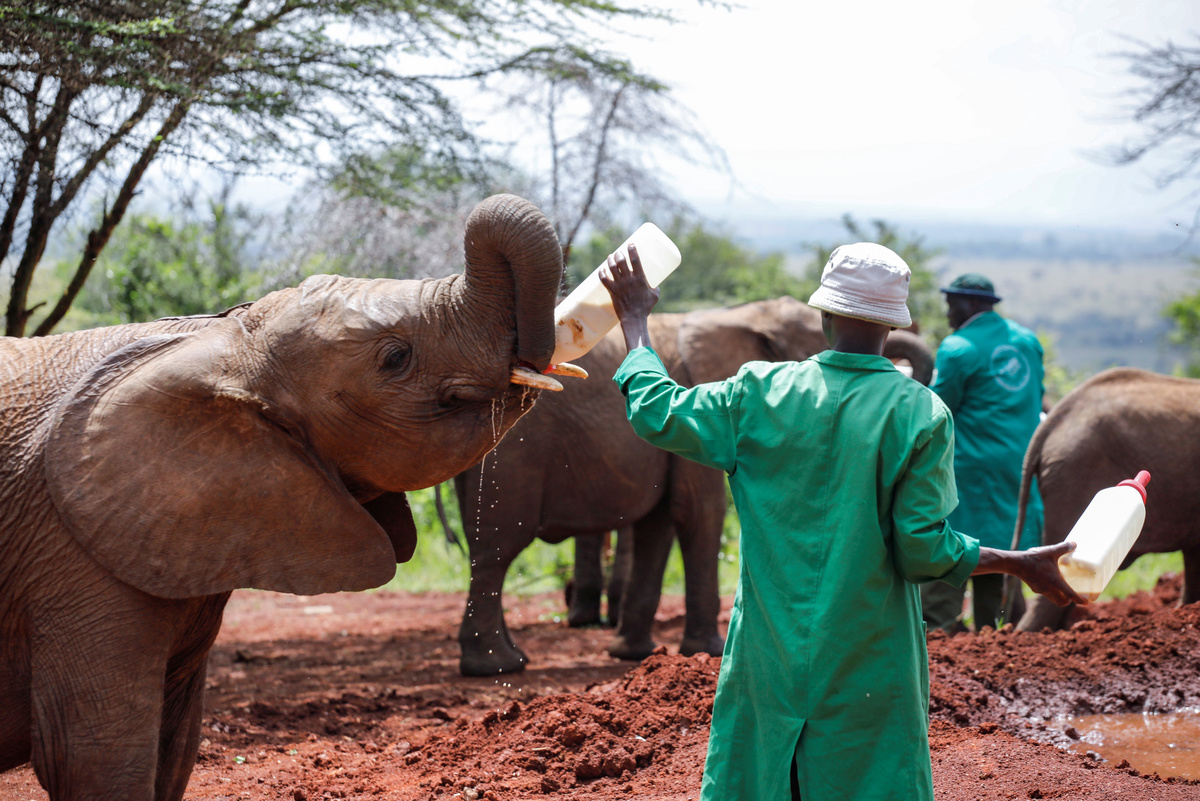
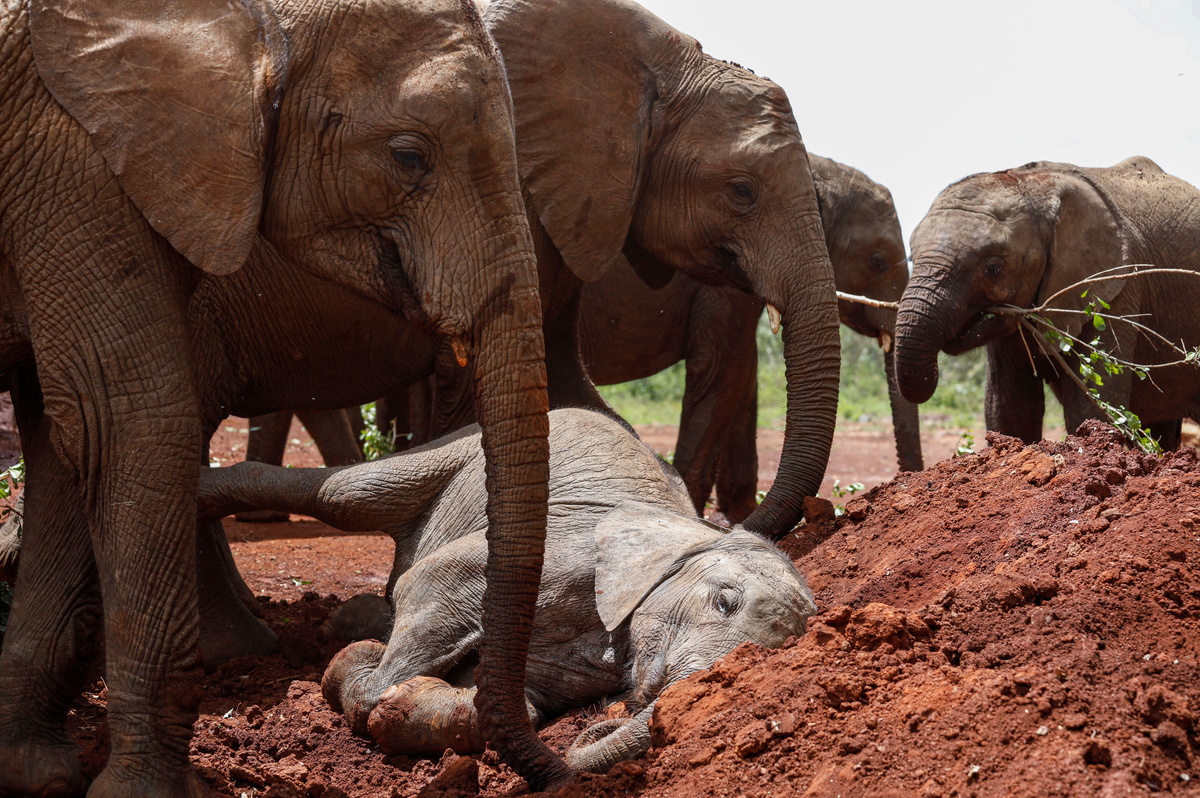
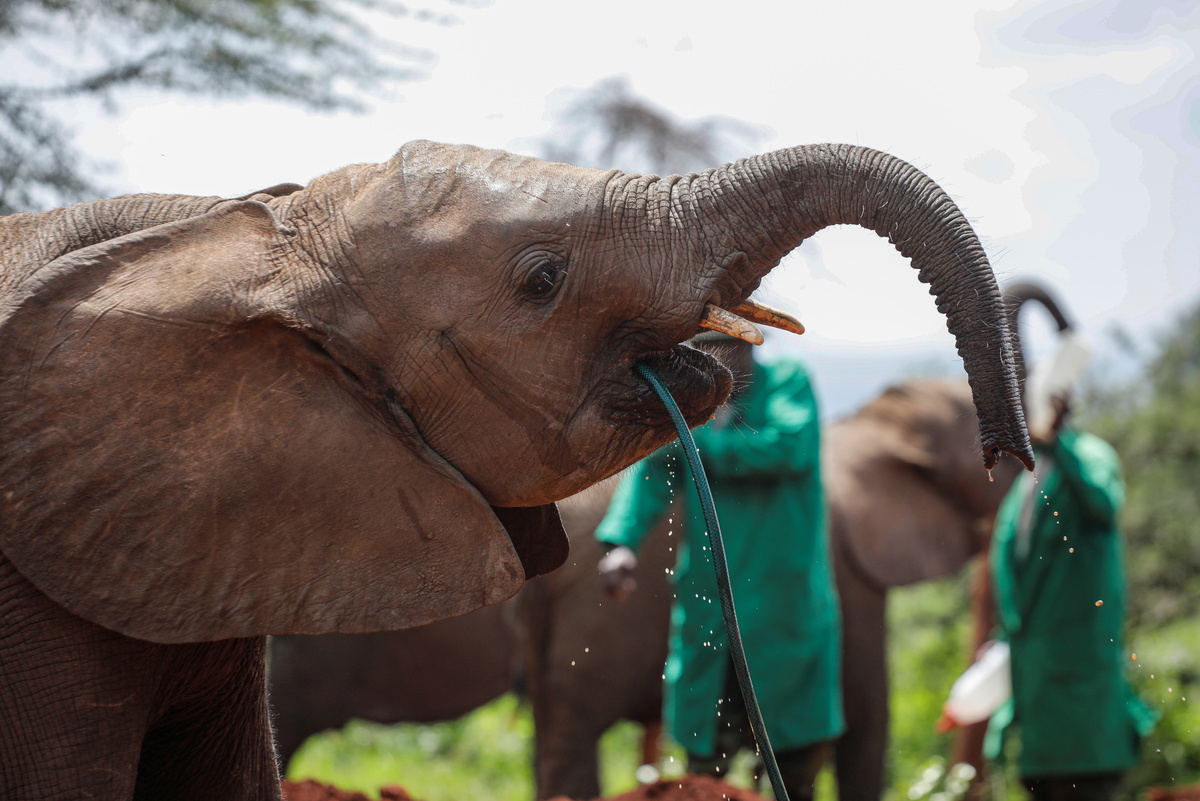
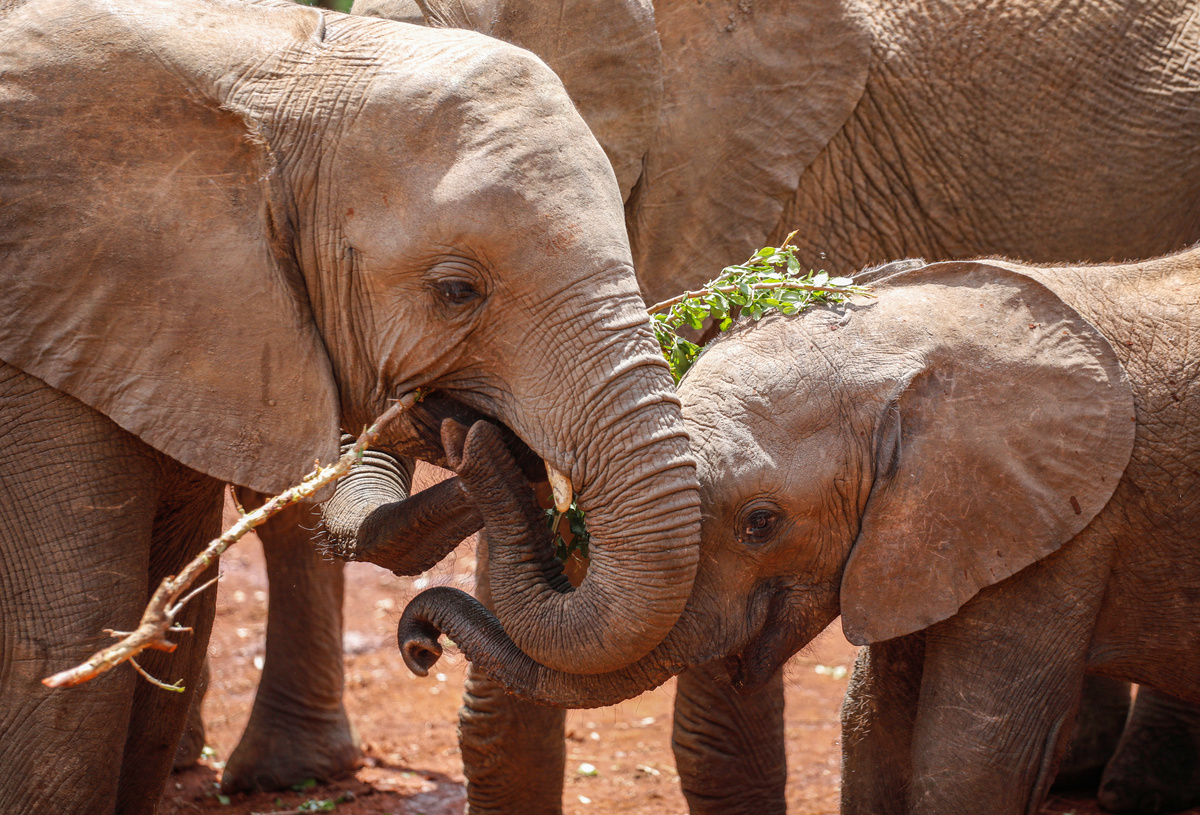
The orphaned baby elephants ambled in for their morning feed at Kenya's Sheldrick Wildlife Trust (SWT), but the hundreds of visitors who would normally be waiting to watch them were absent. So were their dollars.
As airports and borders closed last month to stop the spread of the novel coronavirus, Africa's wildlife tourism sector evaporated, along with revenues many conservation projects rely on to protect some of the continent's most endangered animals.
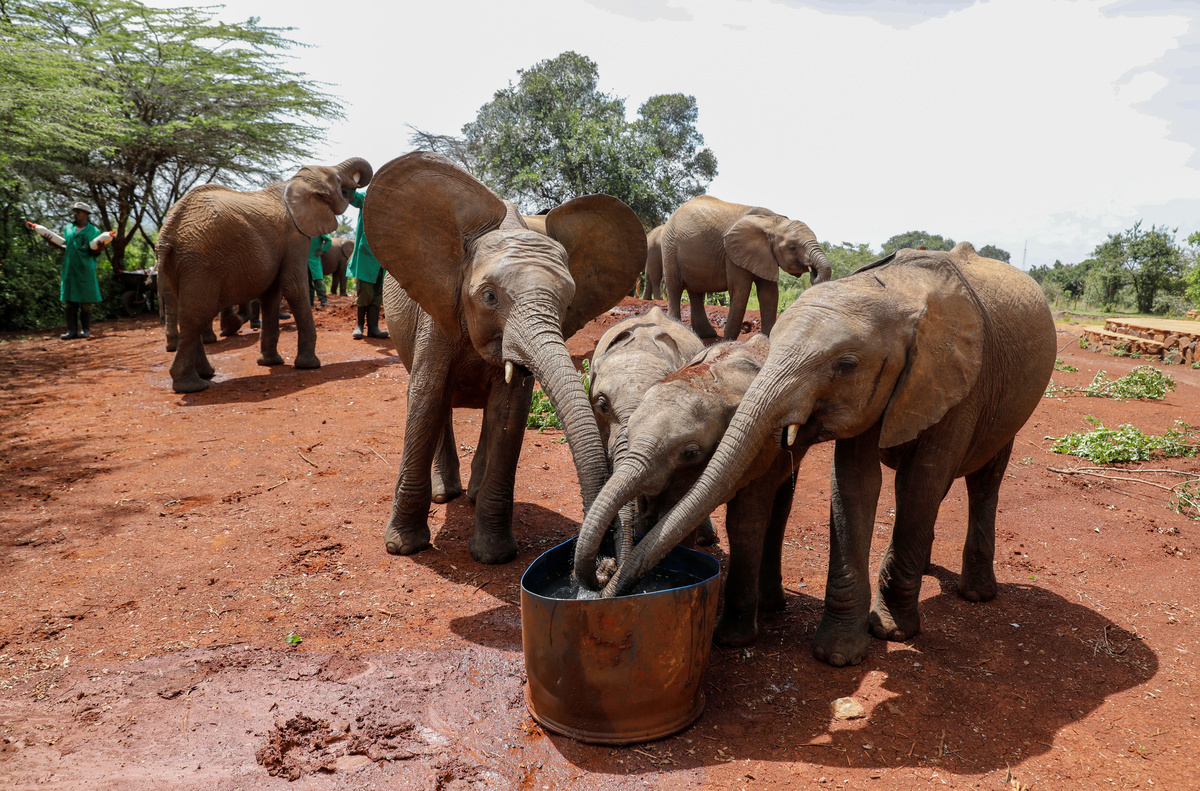
"This is going to have huge economic ramifications - not only months ahead, perhaps years," said Kirsty Smith, SWT's donor relations manager. "It's uncertain territory, and we are worried."
Across Africa, wildlife reserves, conservancies and parks are halting infrastructure projects and cutting salaries as they struggle through a crisis that is hitting tourist destinations particularly hard.
Some 70 million tourists visited Africa last year, according to the United Nations World Tourism Organization, many of them enticed by the prospect of a safari, game drive or high-dollar hunting adventure.
Kenya alone earned $1.6 billion from tourism last year, money that supports a sprawling hospitality industry as well as conservation and anti-poaching efforts.
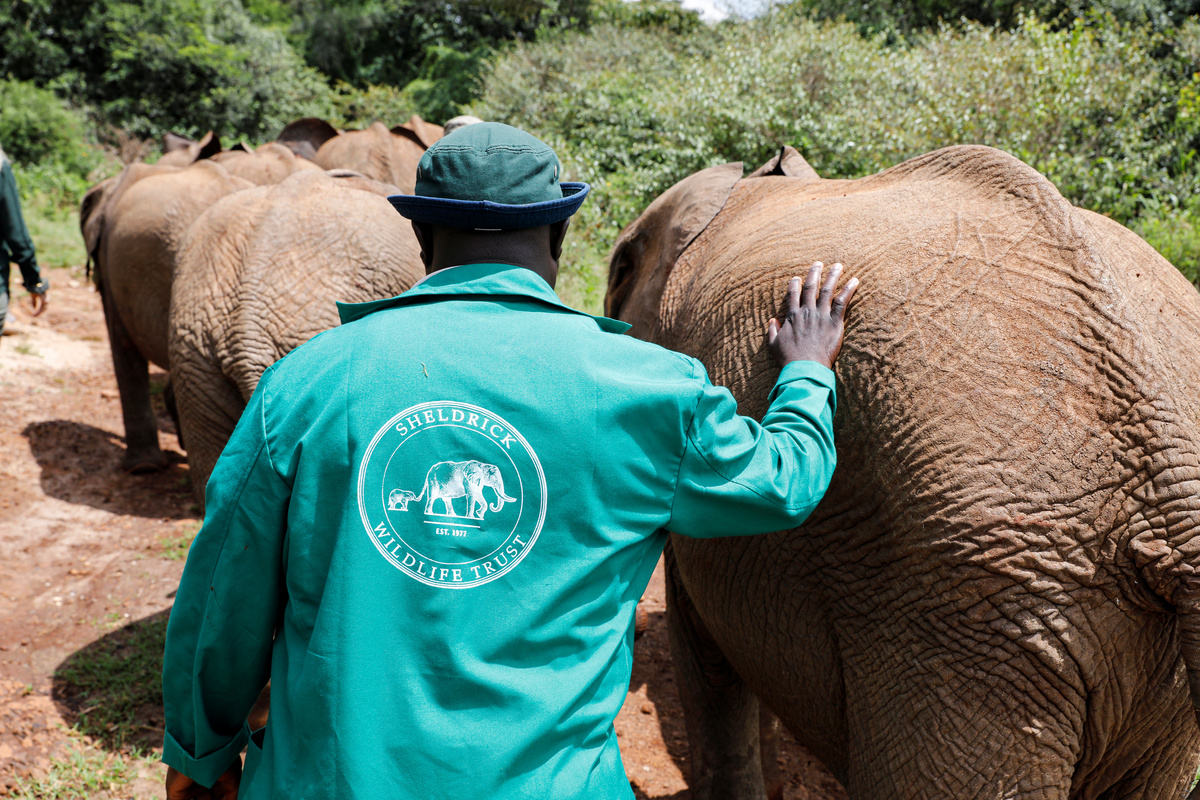
The Sheldrick Wildlife Trust runs 13 anti-poaching teams and five mobile veterinary teams, carrying out aerial surveillance and ground patrols to protect elephants and rhinos.
Those activities rely on online donations and the 500-Kenyan-shilling ($4.71) fee that up to 500 visitors pay daily to enter the elephant orphanage in the capital, Nairobi.
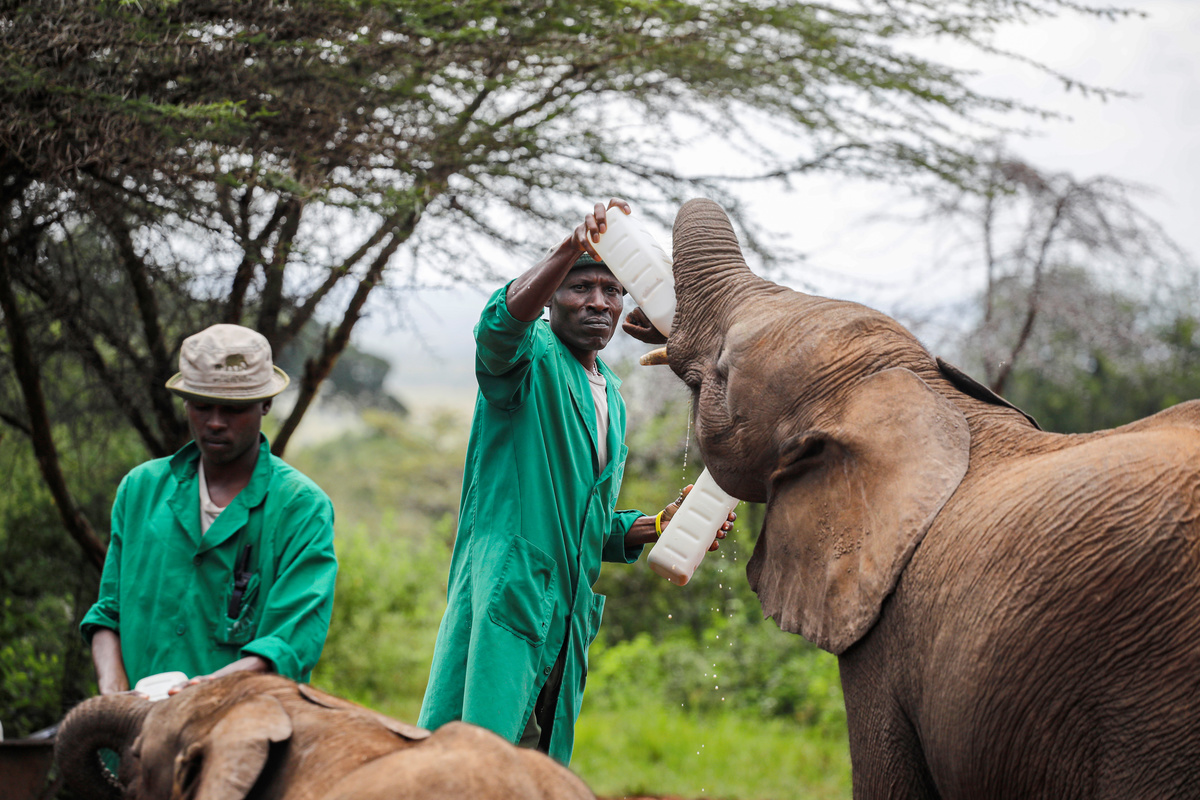
But the orphanage closed its doors to visitors on March 15, after the country recorded its first case of COVID-19.
Ol Pejeta, another Kenyan conservancy, expects to lose around 70% of its anticipated business this year.
"That's about $3 million, for us. That's being optimistic," its managing director, Richard Vigne, told Reuters. "This is income that's directly for conservation efforts."
To cope, Ol Pejeta - a sanctuary for the critically endangered black rhino - is slashing staff wages, reducing fuel usage and parking vehicles.
"We will operate on the barebones," Vigne said.
THREAT OF POACHING
In eastern Democratic Republic of Congo, Virunga National Park has struggled in the face of rebel groups and, for the past two years, an Ebola epidemic to build a tourism business that now accounts for 40% of its revenues.
"Tourism, in spite of all the setbacks, has actually been a great success for Virunga," park director Emmanuel de Merode said.
The park is home to around a third of the world's surviving mountain gorillas. But the areas they inhabit were sealed off in late February - to rangers as well as to visitors - in an effort to protect the animals from COVID-19, which they may be able to contract.
That month, an off-season month at Virunga, the park took in around $280,000 from tourism. That revenue stream is now gone.
Aircraft used for monitoring are grounded and the park is facing the increased burden of supporting not only its 1,500 staff and their families but also impoverished surrounding communities.
Price inflation linked to the pandemic is driving food costs up, and de Merode worries that this could fuel poaching, particularly if local armed groups see it as a lucrative business opportunity.
"The level of poaching now is low. But that could quickly change for a lot of reasons," he said.
It's a concern shared by Maxi Pia Louis, who heads an association that helps coordinate Namibia's community-based natural resource management programmes. They too raise the bulk of their revenues from wildlife tourism.
"There is just zero tourism in those areas now. Zero," she said.
Community-run conservancies earned over 60 million Namibian dollars ($3.29 million) from hunting and lodge operations in 2018. Another 65 million Namibian dollars went directly to households, mainly from salaries earned by the roughly 600 local game wardens.
"If they don't get their salaries, we fear poaching will return," Louis said, "because they (communities) will be poor."
(Writing by Joe Bavier; Editing by Alexandra Zavis and Mike Collett-White)