1. What is a fair living wage?
Helena Helmersson: “To us, a fair living wage should be an amount that can cover the workers’ and their families’ basic needs. This wage should be reviewed annually and negotiated with democratically elected trade unions.
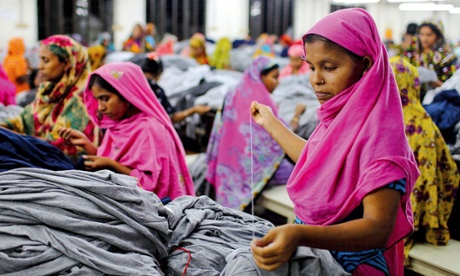
We believe that every garment worker should be able to live on his or her wage. To make this possible, we created a fair living wage strategy together with leading global experts, trade unions and non-governmental organisations. Our vision is that all suppliers making our products should pay their workers a fair living wage. Together we can create positive change in the industry. Ultimately, all workers, not only the ones making products for H&M, will benefit from the fair wage initiative.”
2. What is the main reason for H&M to initiate the Fair Living Wage strategy?
“In a globalised world, it is not a question for a company like ours whether or not to be present in countries like Bangladesh and Cambodia. The garment industry creates millions of jobs and economic growth there. It is rather a question of how we do it.
We want to ensure long-term sustainable development that strengthens the garment workers as well as the structures in the production countries. By making the working conditions better we can achieve more stable purchasing markets and more reliable production.”
3. Can you give some examples of what has been achieved so far?
“We have initiated two programmes in collaboration with the UN’s International Labour Organisation (ILO), the Swedish trade union IF Metall and the Swedish International Agency for Development (SIDA). In Bangladesh we have established a training centre to enhance and certify the workers’ skills and thereby enable them to get a higher wage . In Cambodia we are working to increase the number of collective bargaining agreements by educating workers, trade unions and employers to negotiate in solution-oriented ways.”
4. How do you work to drive change when it comes to wages?
“To make a change we are testing the fair wage method. The method encourages our supplier factories and workers to have regular and fair wage negotiations. It also includes education to make workers aware of their rights and improve their skills.”
Helena Helmersson is head of sustainability at H&M
More from the H&M partner zone:
- Improving water stewardship in Bangladesh’s textile industry
- Alek Wek on her role as ambassador for H&M Conscious Foundation
- 4 tips for becoming an eco-friendly fashion lover
Content on this page is paid for and provided by H&M, sponsor of the sustainable fashion hub