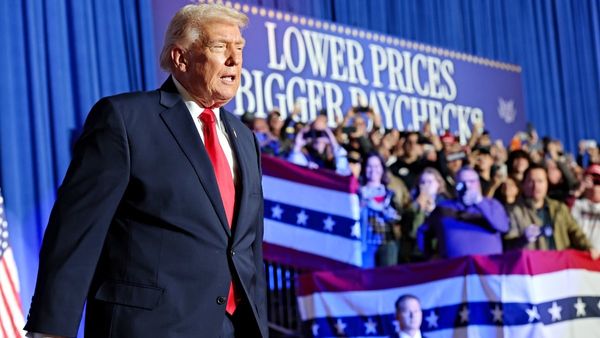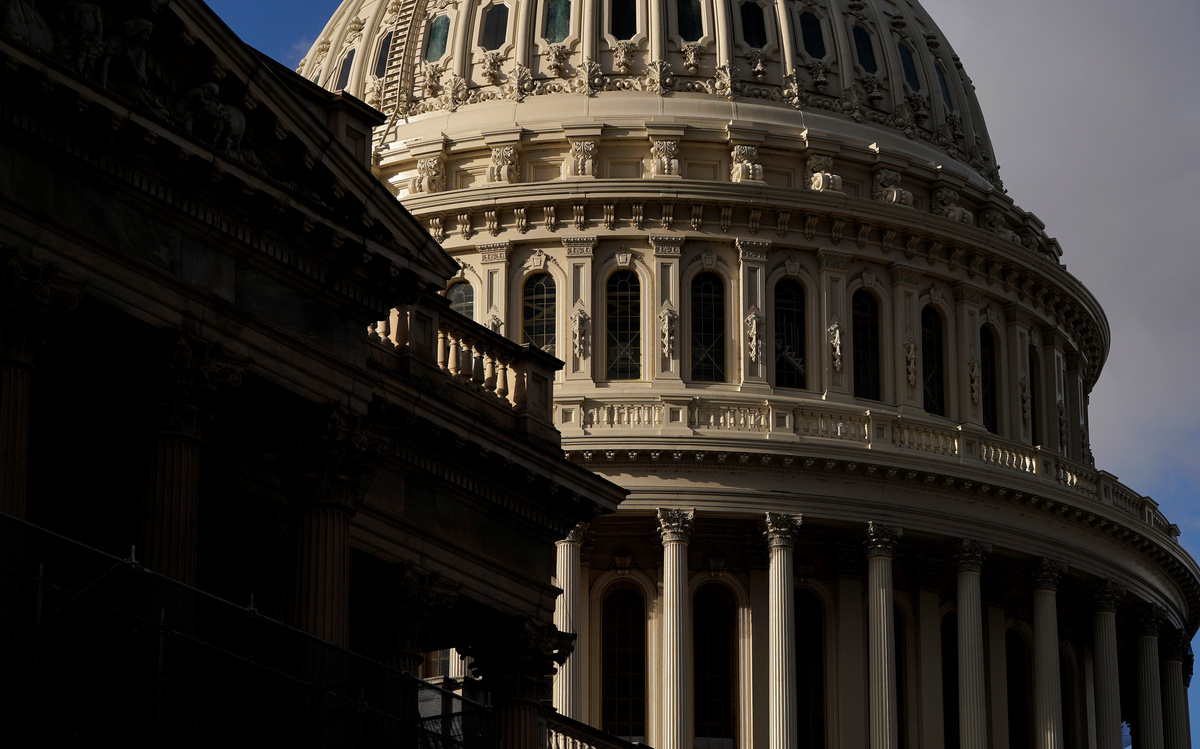
WASHINGTON (Reuters) - A partial U.S. government shutdown was almost certain to drag through the Christmas holiday after the Senate adjourned on Saturday without breaking an impasse over President Donald Trump's demand for more funds for a border wall.
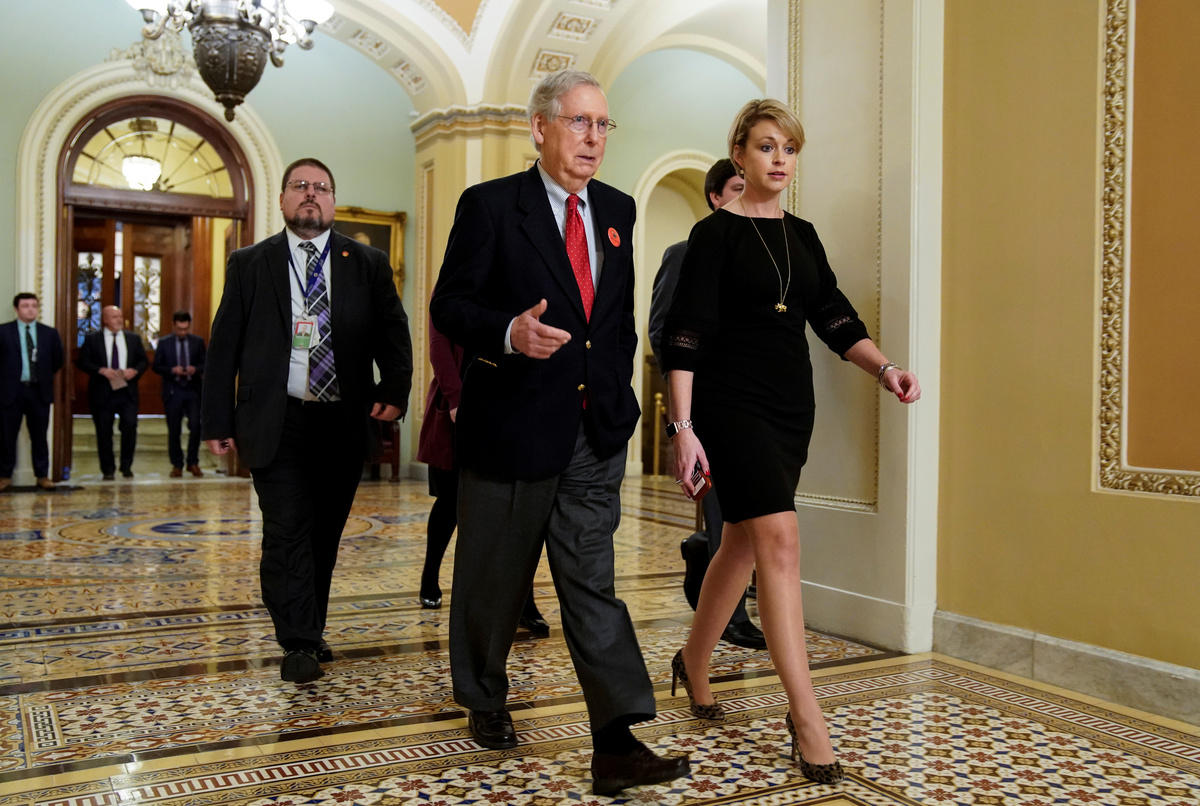
With no deal in sight on a bill to fund the government, Senate Republican leader Mitch McConnell sent senators home until Thursday. While he said he would call them back if a deal was struck, the decision all but guaranteed a partial shutdown would stretch at least until then.
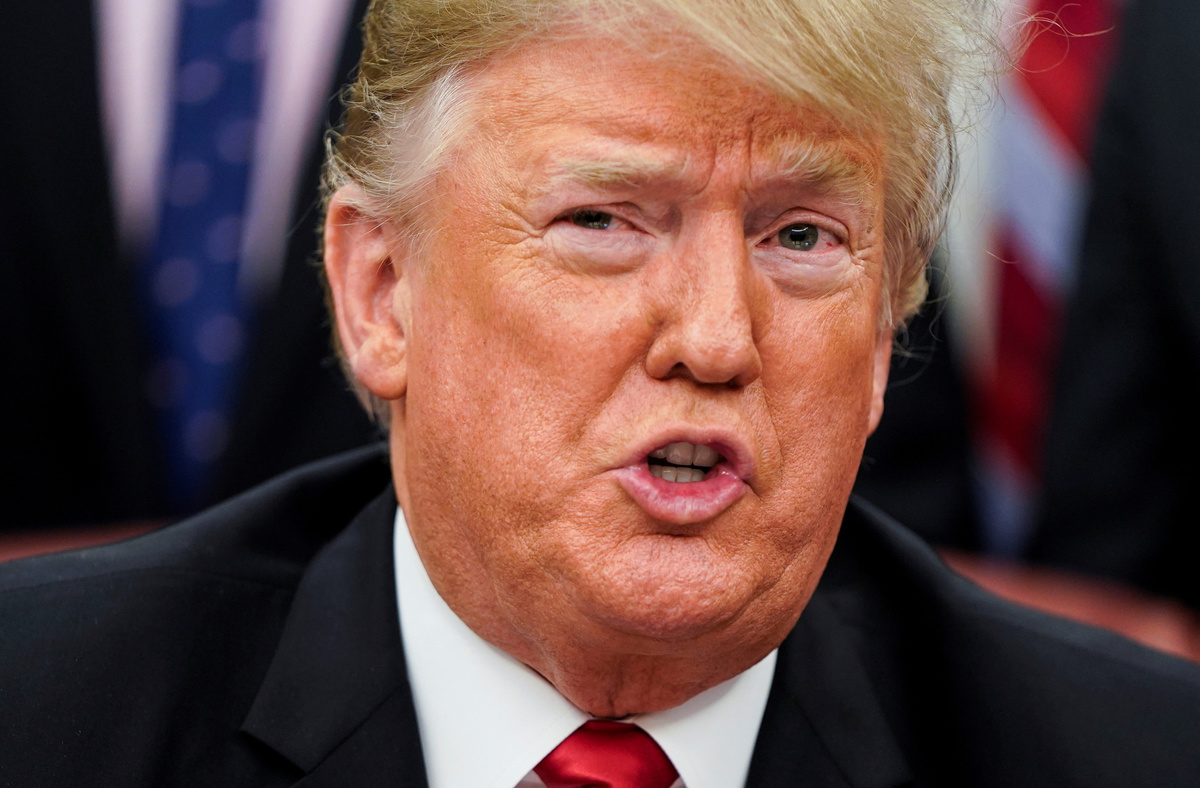
Lawmakers will depart Washington with Trump and Senate Democrats seemingly as entrenched in their positions as ever.
Financing for about a quarter of federal government programs - including the departments of Homeland Security, Justice and Agriculture - expired at midnight and will not be renewed until a deal is done.
Federal parks were to close and more than 400,000 federal "essential" employees in those agencies will work without pay until the dispute is resolved. Another 380,000 will be "furloughed", meaning they are put on temporary leave.
Law enforcement efforts, border patrols, mail delivery and airport operations will keep running.
The shutdown caps a perilous week for the president, with Defense Secretary James Mattis resigning in protest at Trump's sudden decision to pull U.S. troops out of Syria. The planned withdrawal was widely criticized, even by senior Republicans in Congress.
The political turmoil added to fears about the economy that are plaguing investor sentiment, helping fuel continued heavy losses in the stock market on Friday.
The latest dysfunction in Washington does not bode well for bipartisan cooperation next year, when Democrats will have a stronger hand as they take control of the House of Representatives in January.
"VERY FAR APART"
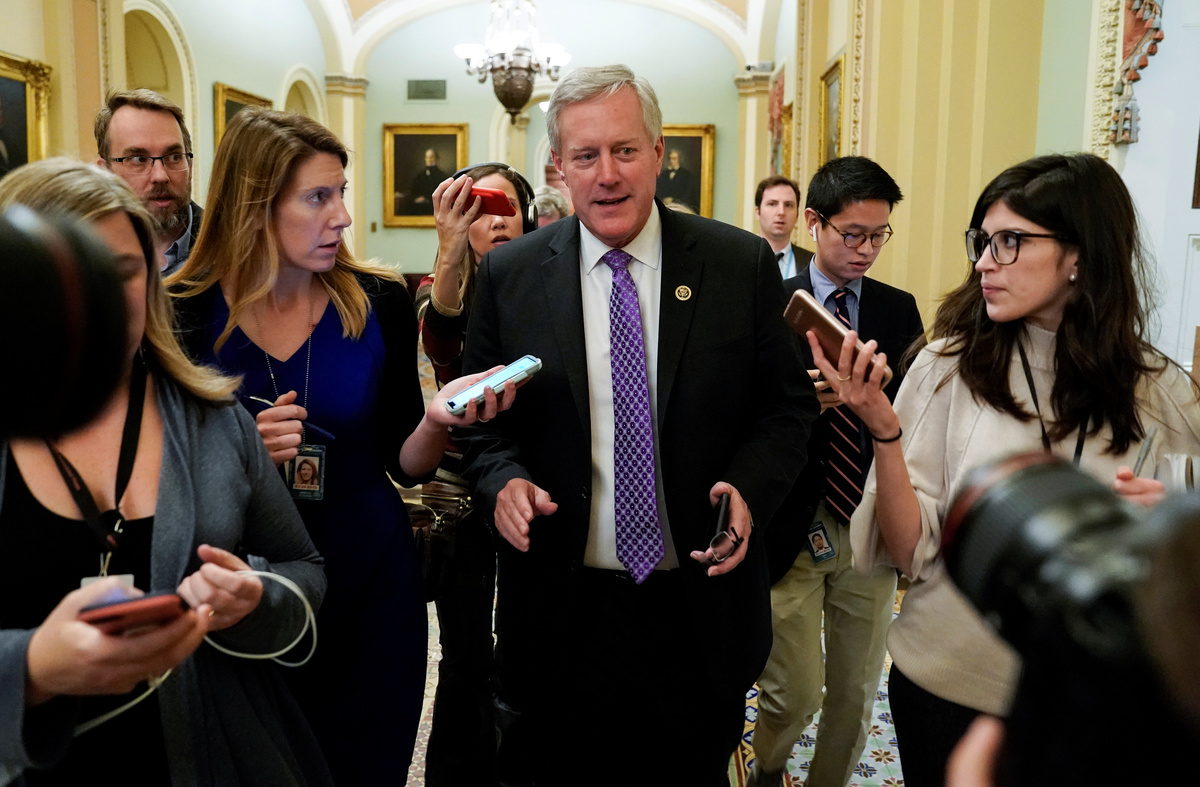
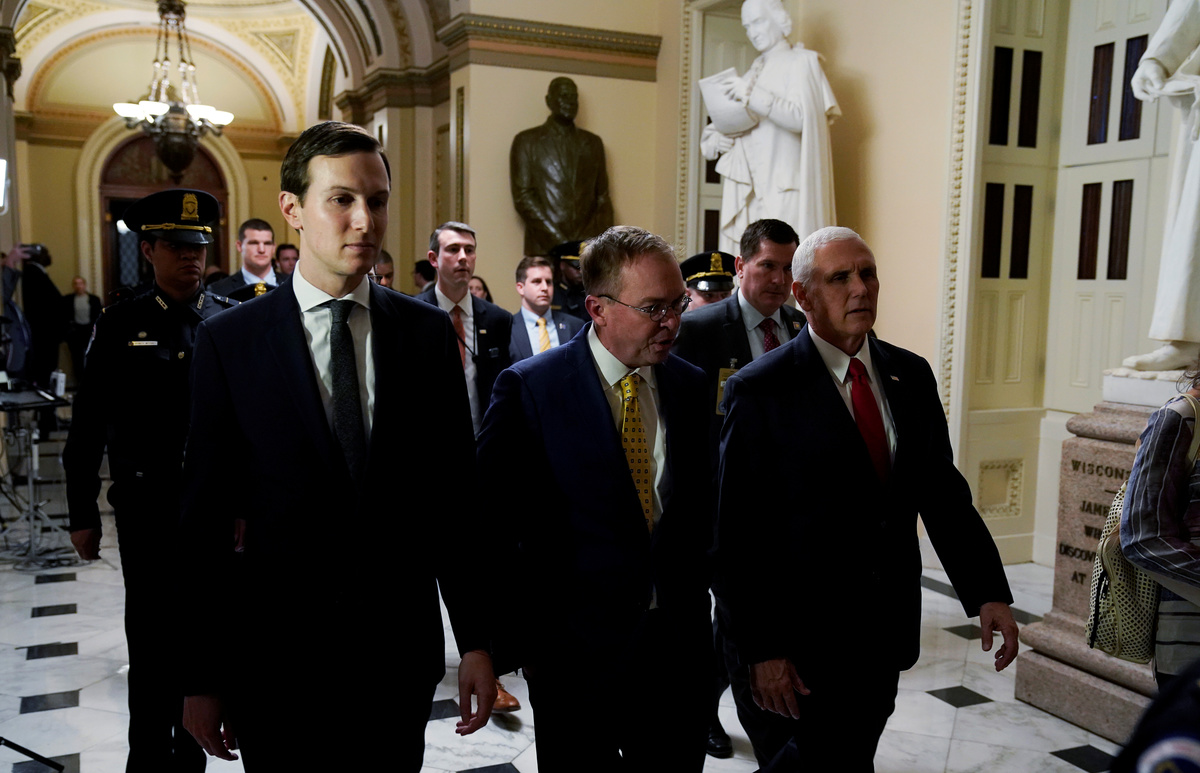
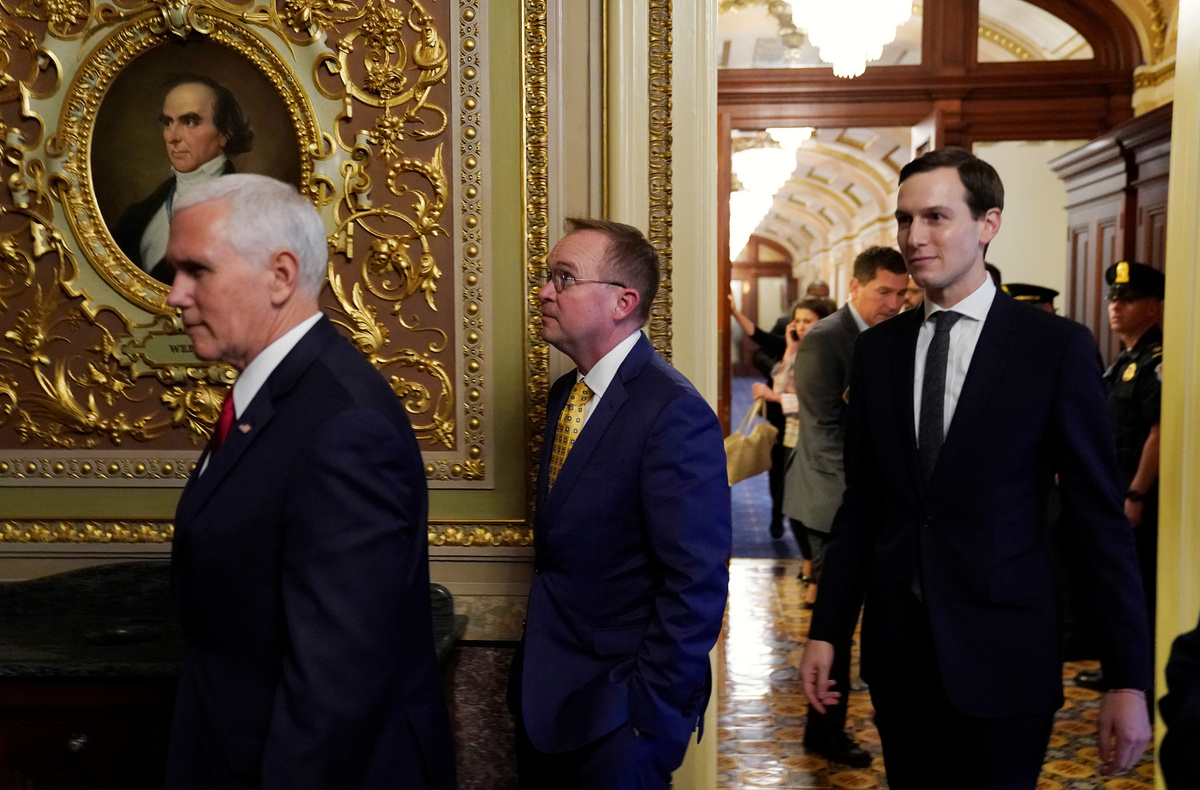
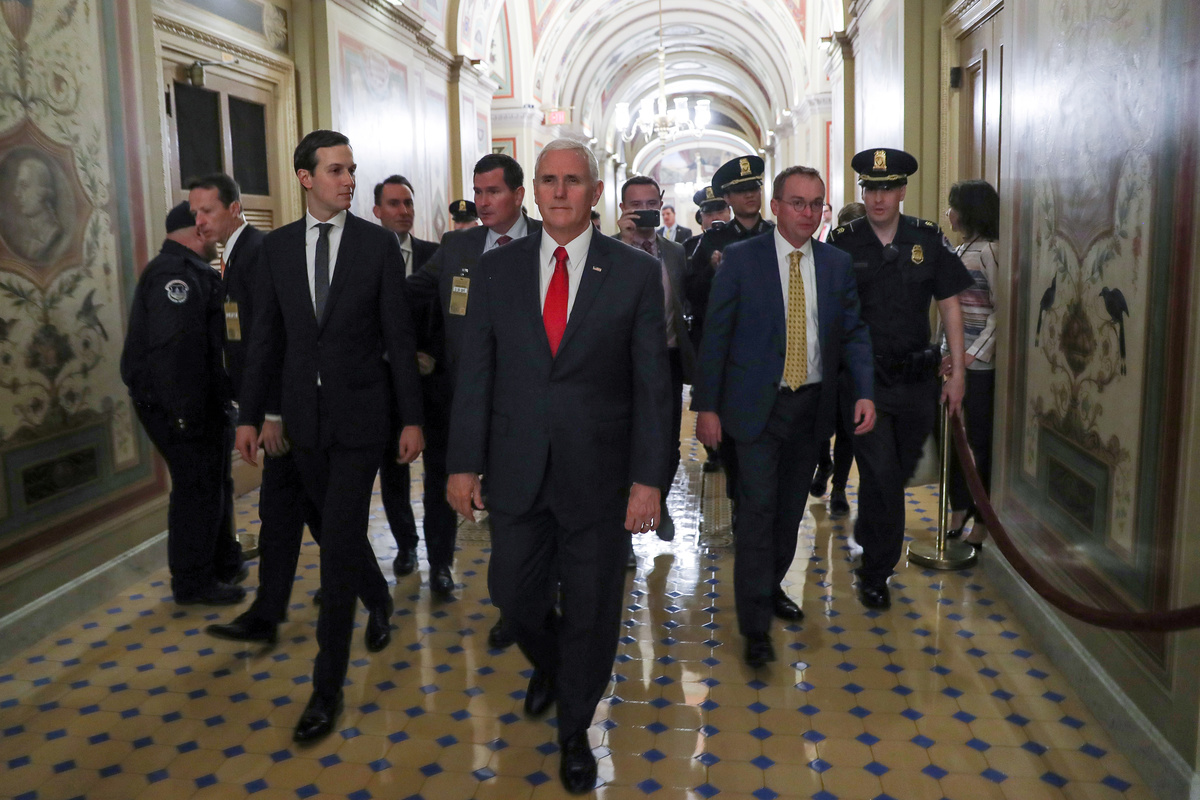
Vice President Mike Pence and White House Chief of Staff Mick Mulvaney huddled with the Senate's top Democrat, Chuck Schumer, on Saturday afternoon, but they appeared to make little headway toward a deal to re-open the government.
"The vice president came in for a discussion and made an offer. Unfortunately, we're still very far apart," a spokesman for Schumer said.
Pence offered to drop the demand for $5 billion for a border wall, substituting instead $2.1 billion, ABC News reported citing unnamed sources.
Trump put off a plan to spend Christmas at his Mar-a-Lago resort in Florida because of the shutdown, the White House said. First lady Melania Trump, who is already in Florida, is to return to Washington to spend Christmas with her husband.
In a call with reporters, a senior Trump administration official said the president was still pressing for $5 billion for a wall or barrier along the border with Mexico and other security enhancements.
Building a wall to keep migrants from entering the United States illegally was a central plank of Trump's presidential campaign, but Democrats are vehemently opposed and have rejected his funding request.
Following a meeting at the White House with several Republican lawmakers, Trump again tweeted about the need for border security to ward off "the crisis of illegal activity."
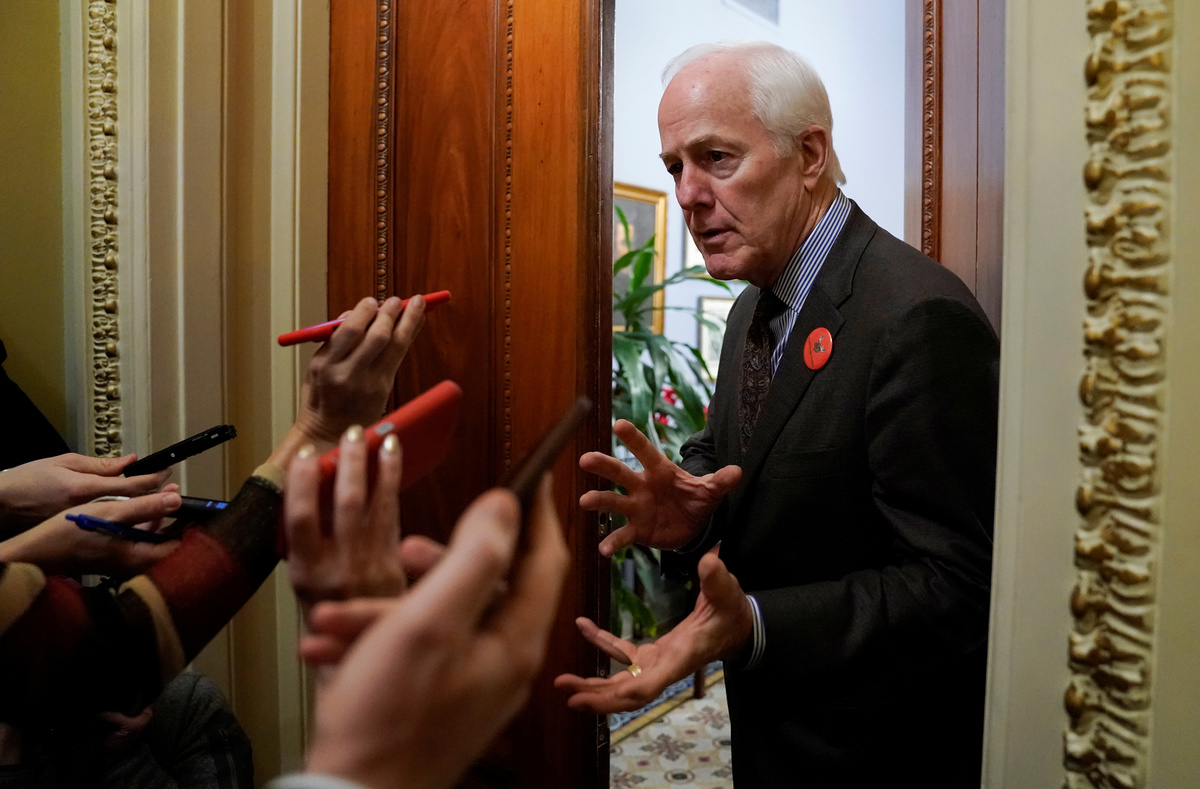
Republican Senator Richard Shelby, who attended the meeting, said it was unlikely any agreement on a stopgap funding measure was imminent.
Earlier in the week, leaders in both the Senate and House of Representatives thought they had reached a deal that Trump would sign that contained less money for border security, only to watch the president, under pressure from conservatives, re-assert his demand for $5 billion at the last minute.
The House, where Trump's fellow Republicans currently hold a majority, passed a bill that included the $5 billion, but it ran aground in the Senate.
In a joint statement on Saturday, Schumer and House Democratic leader Nancy Pelosi said that if the shutdown continues past next week, they will pass legislation to re-open the government when Democrats take control of the House on Jan. 3.
While the promise of building a border wall was a fixture of Trump's 2016 campaign, it is not a priority for most Americans.
According to a Reuters/Ipsos poll in late November, only 31 percent of those surveyed said improved border security should be among the top three priorities for Congress.
That suggests Trump is taking a political risk by gambling on a shutdown to press his point as Democrats are gearing up for the 2020 presidential primary elections and looking for issues to seize on for an advantage.
The longest federal government shutdown, lasting 21 days, occurred in December 1995 and January 1996, triggered by conflicts between President Bill Clinton and congressional Republicans over Medicare funding and government spending. Clinton is widely viewed as having won the political battle over the shutdown, and was re-elected in 1996.
In 2013, the government shut down for 16 days after conservative Republicans demanded to strip funding for, or delay implementation of, President Barack Obama's signature healthcare legislation. Republicans suffered in public opinion polls and eventually capitulated.
(Reporting by James Oliphant, Richard Cowan and Ginger Gibson; Additional reporting by Humeyra Pamuk, Diane Bartz, Roberta Rampton, Katanga Johnson, Makini Brice and Yeganeh Torbati; Editing by Daniel Wallis, Tim Ahmann and Alistair Bell)