With just one mosque, Belgrade's Muslims are forced to improvise
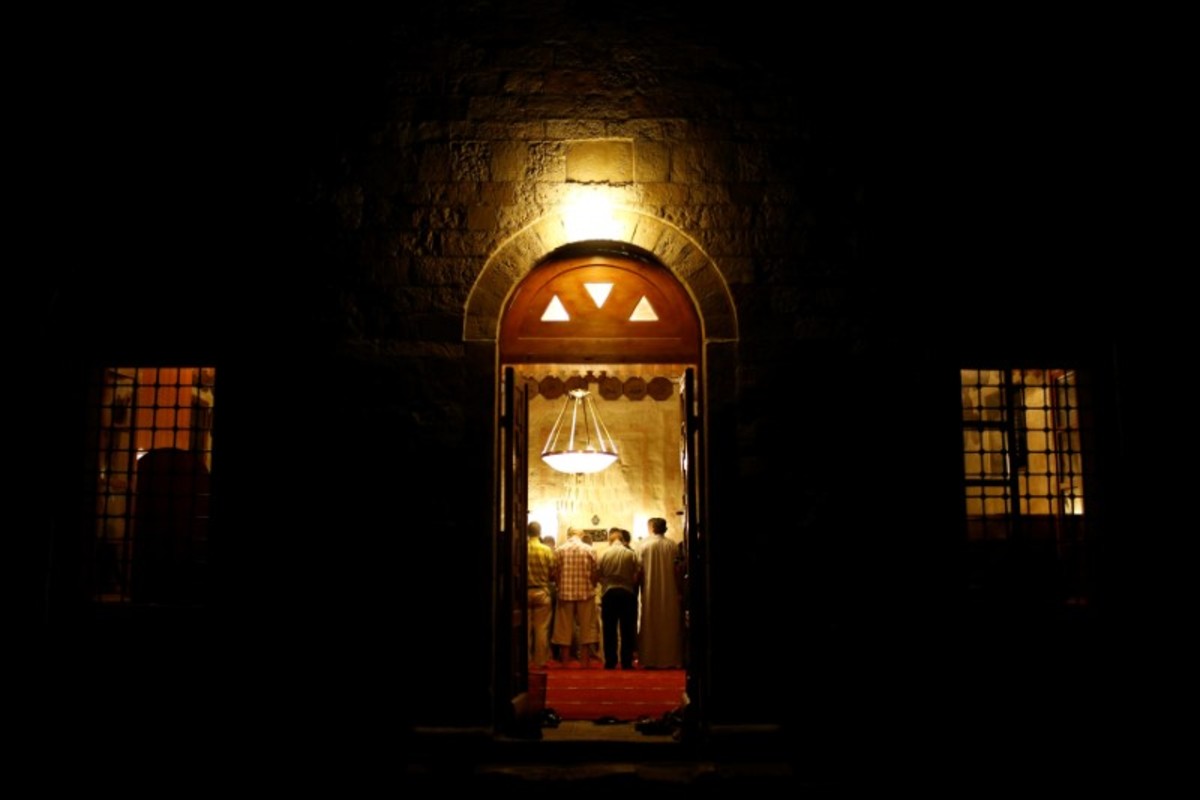
Muslims attend evening prayer at the Bajrakli mosque in the district of Dorcol in Belgrade, Serbia July 9, 2013. REUTERS/Marko Djurica
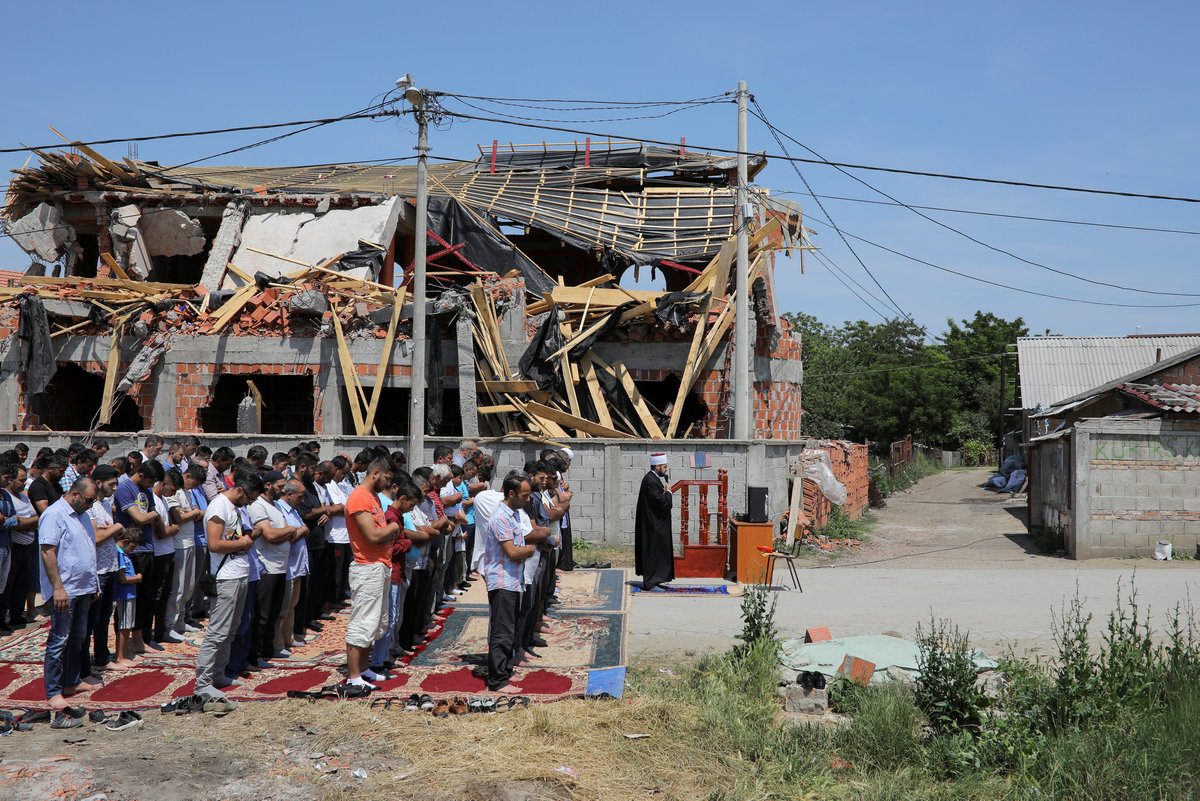
BELGRADE (Reuters) - In the shadow of a demolished mosque, three dozen men gathered in a house in a gloomy district of northern Belgrade. The Muslim call to prayer drifted out through the open door.
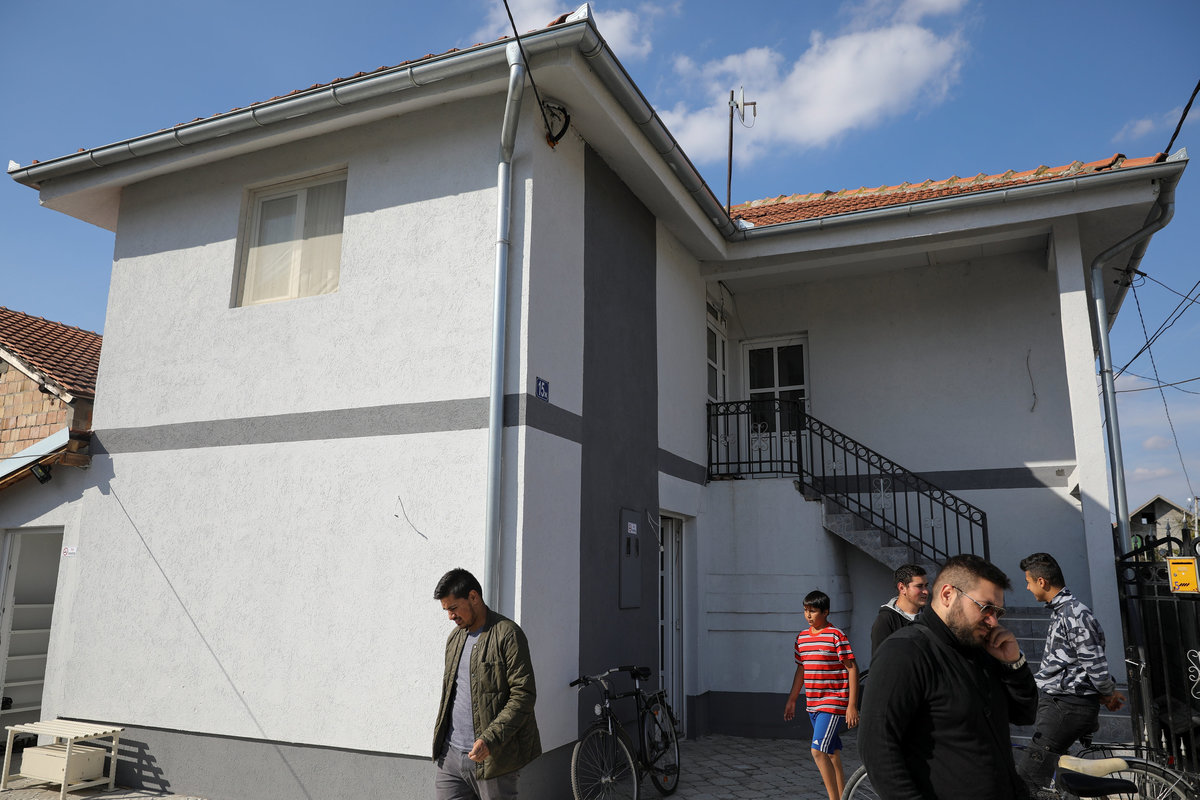
"This was a family home. We can pray in it, but it's (the building) not legal," said Hilmija, a 47-year-old Muslim and member of Serbia's Roma minority, as he entered. "It's humiliating."
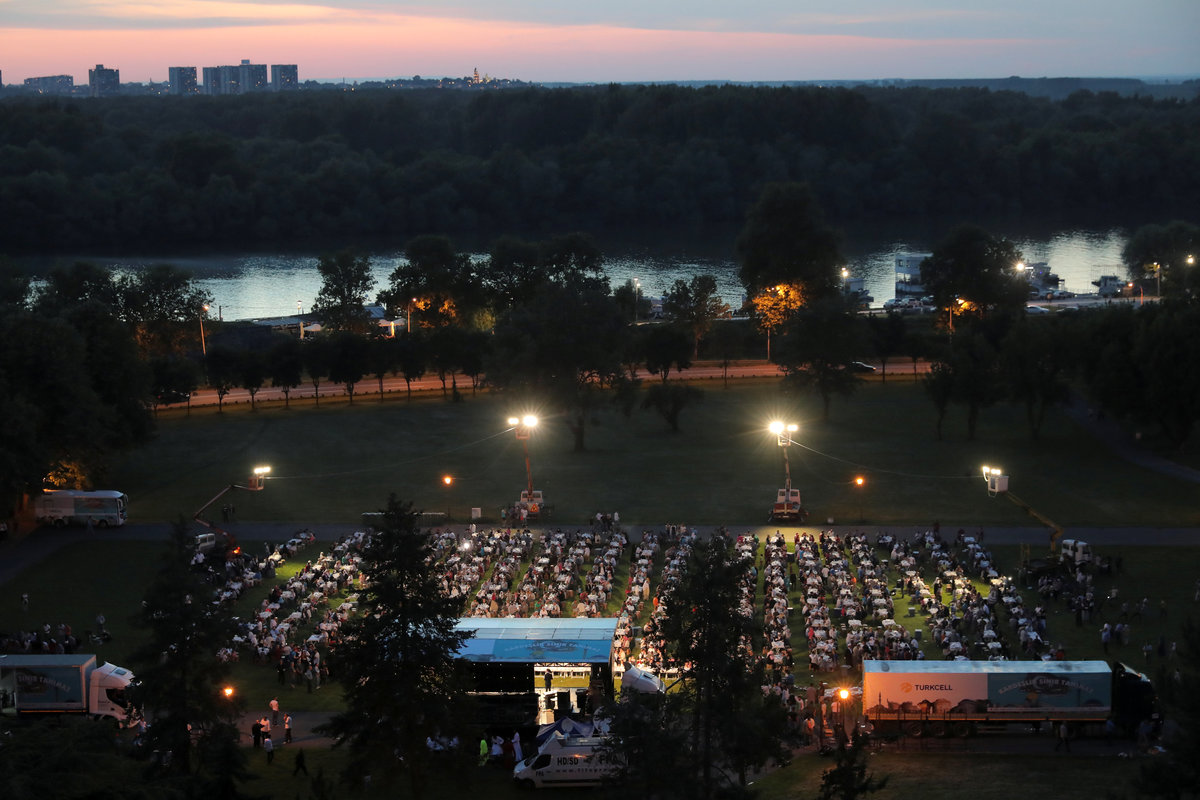
Muslims attend a dinner in front of Kalemegdan fortress in Belgrade, Serbia, May 30, 2017. REUTERS/Marko Djurica
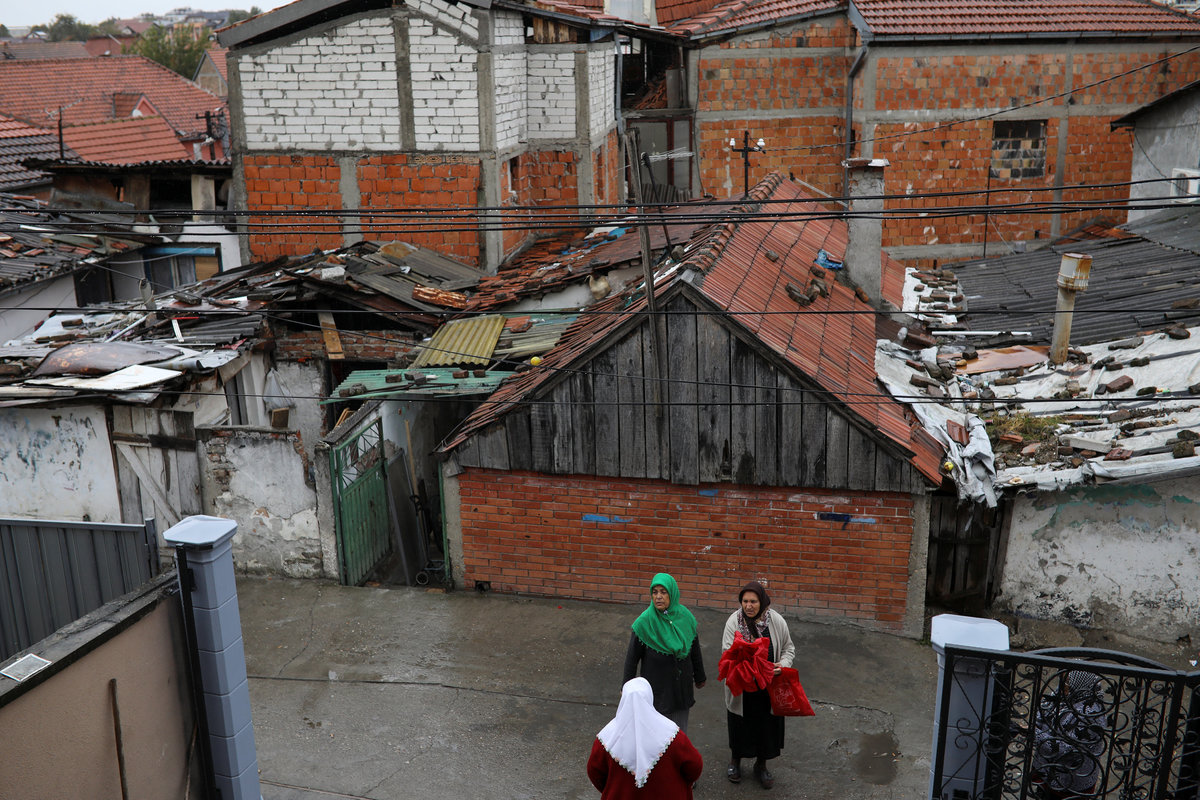
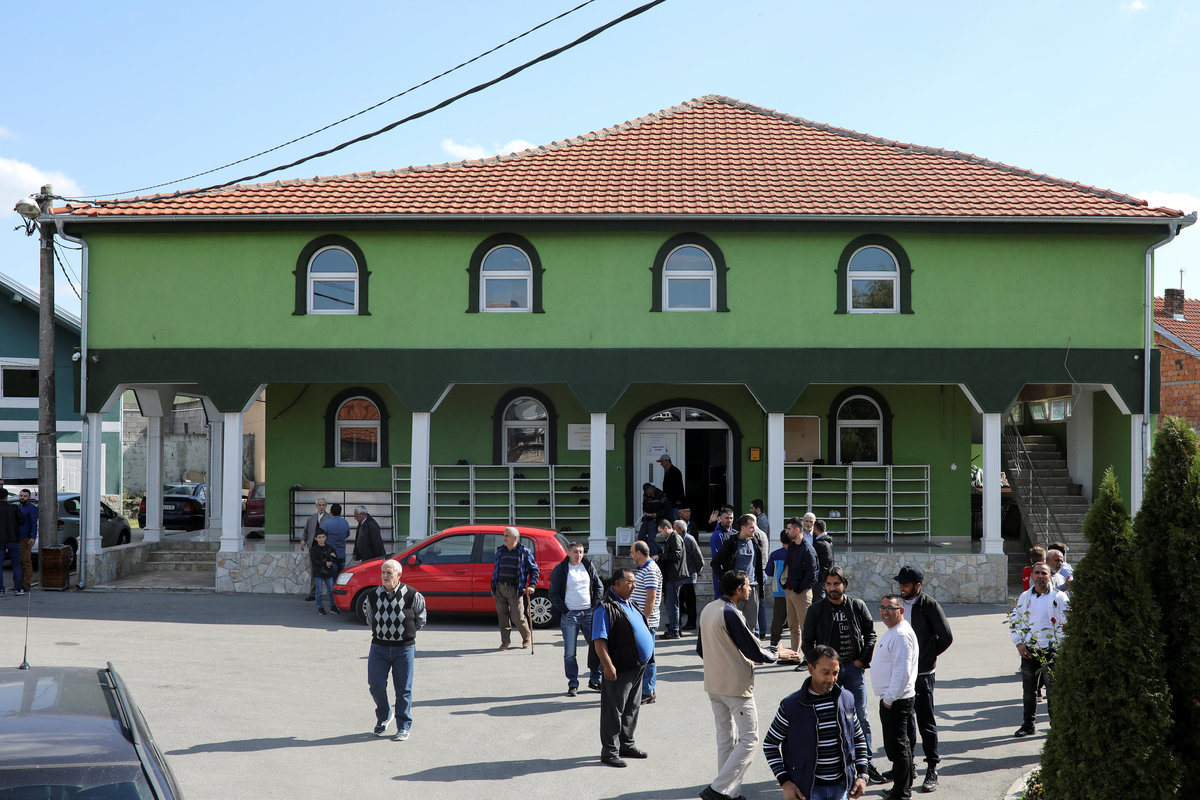
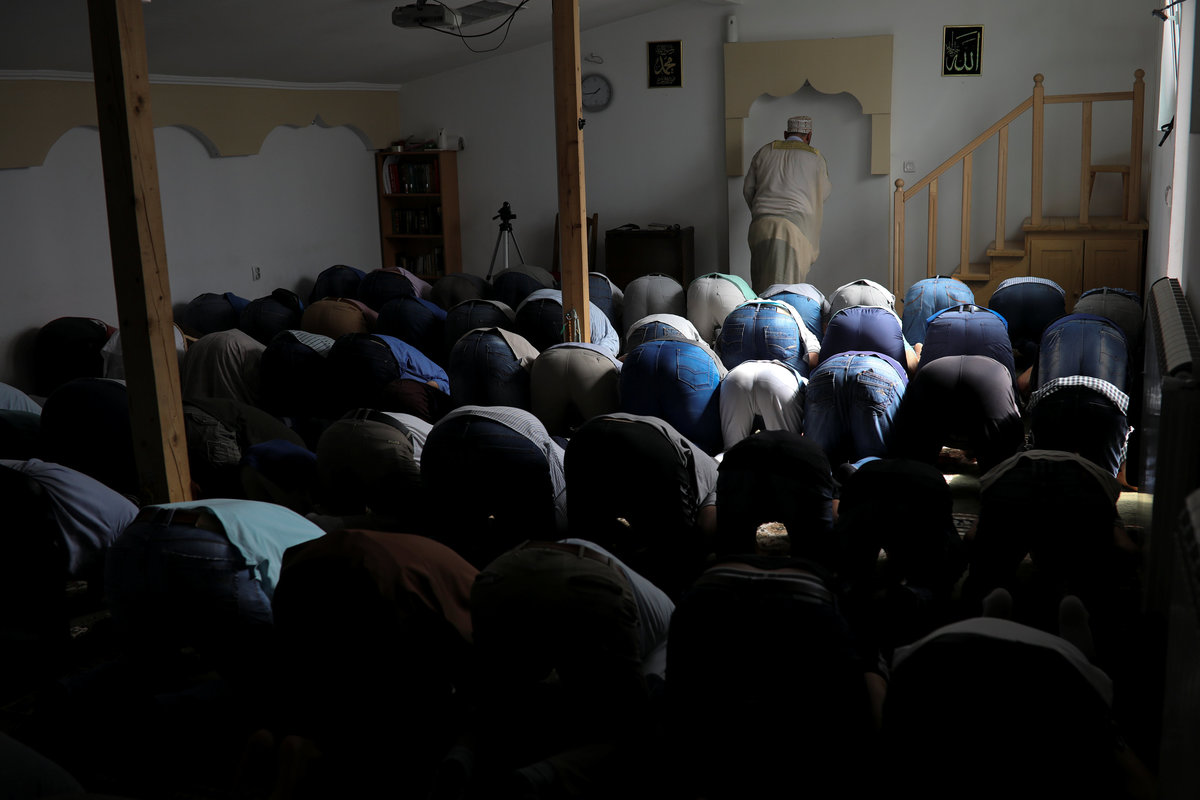
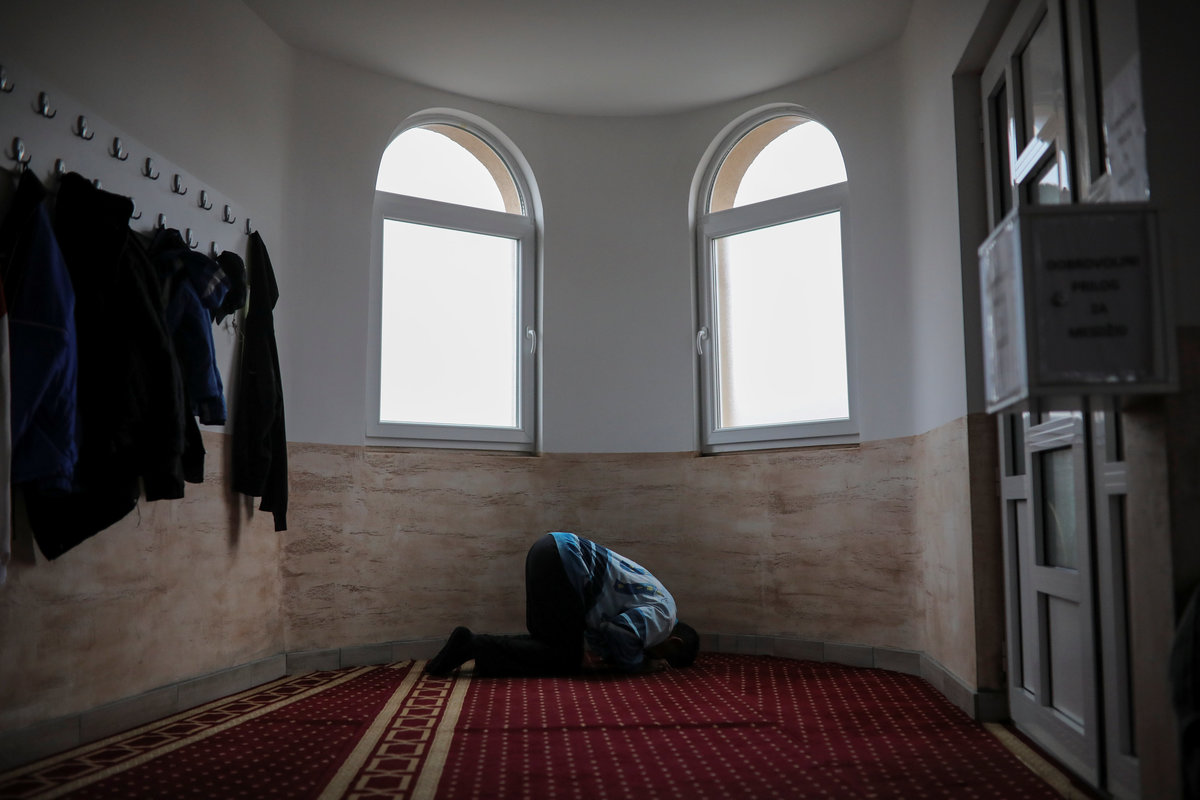
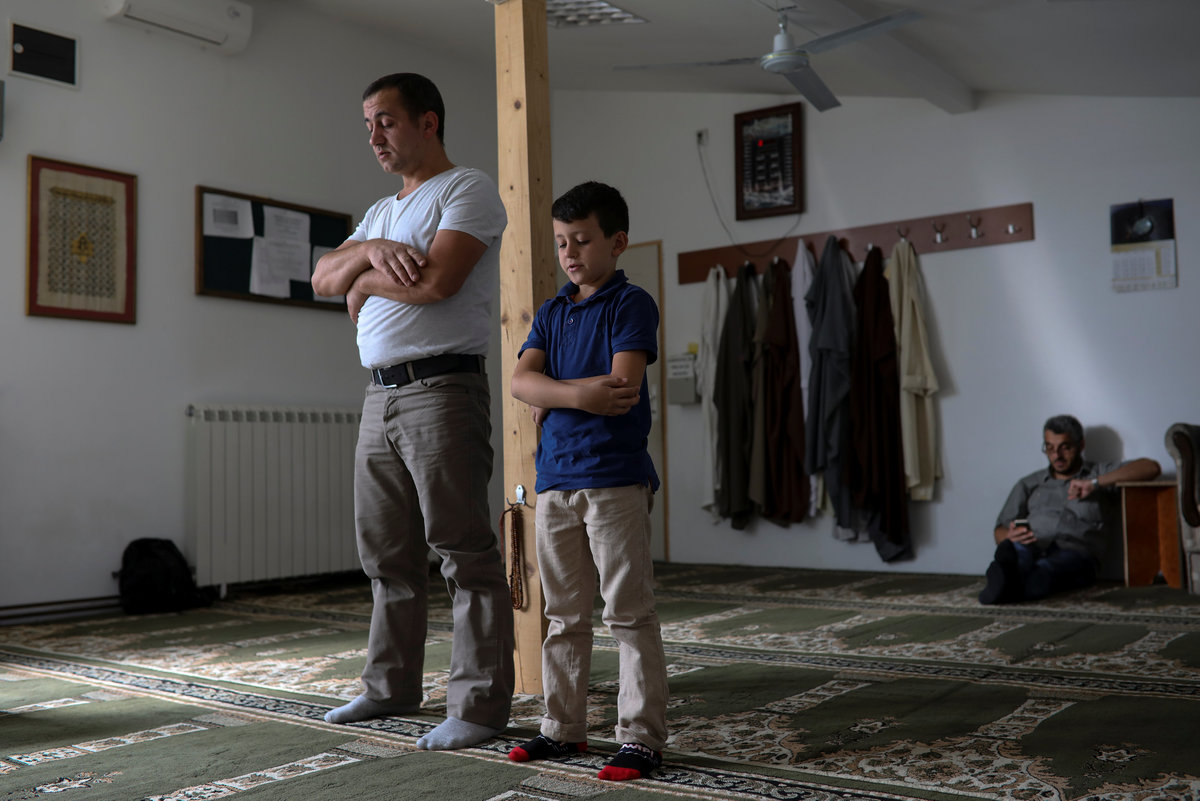
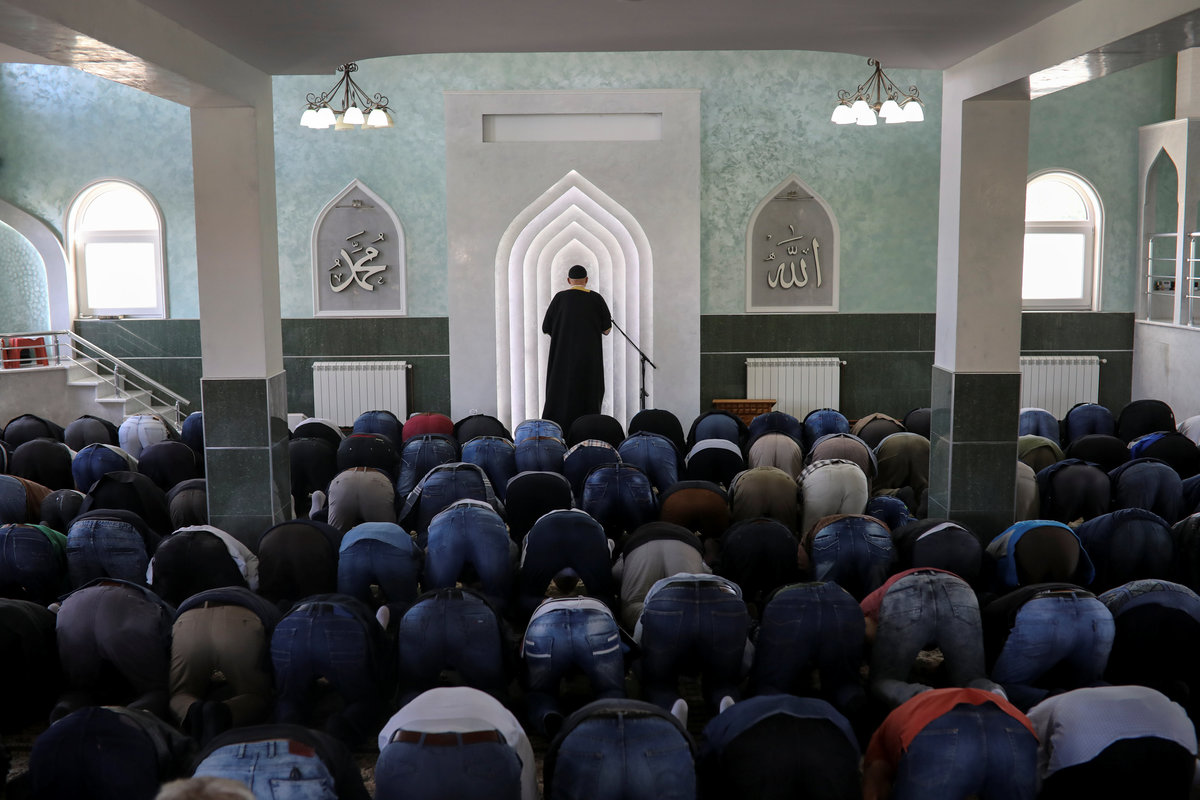
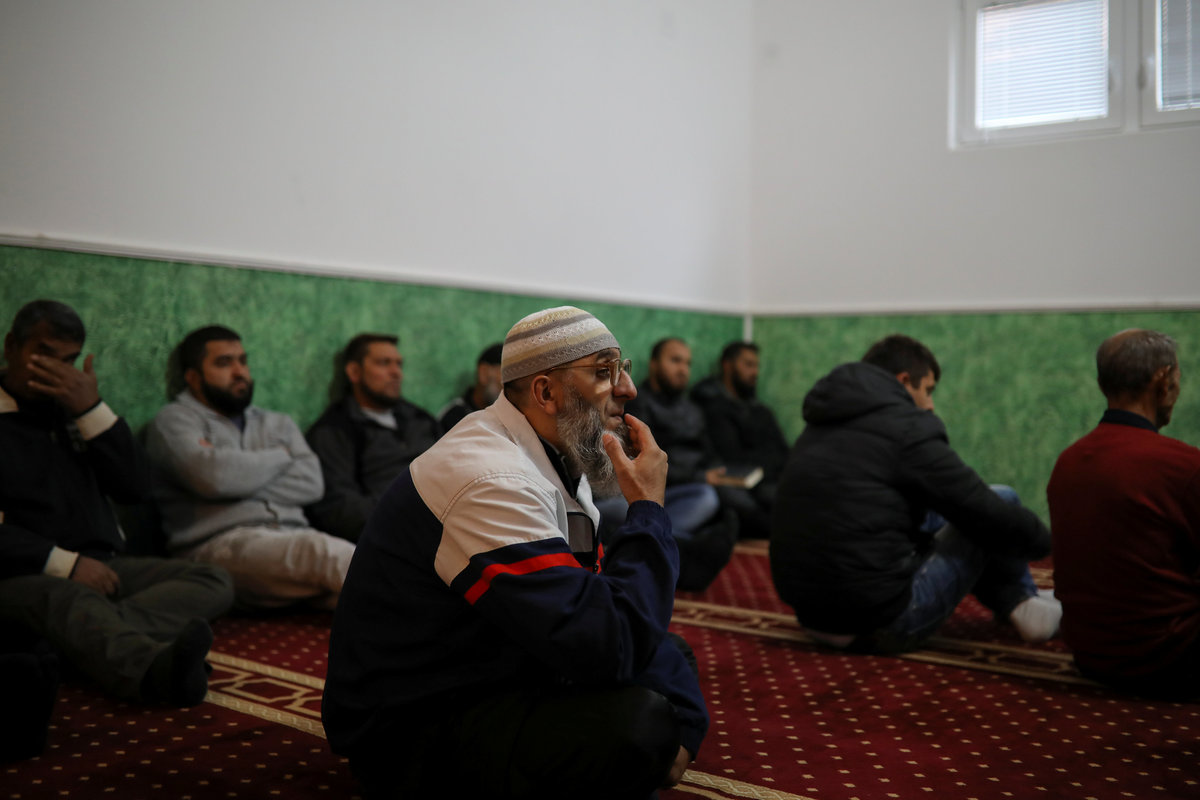
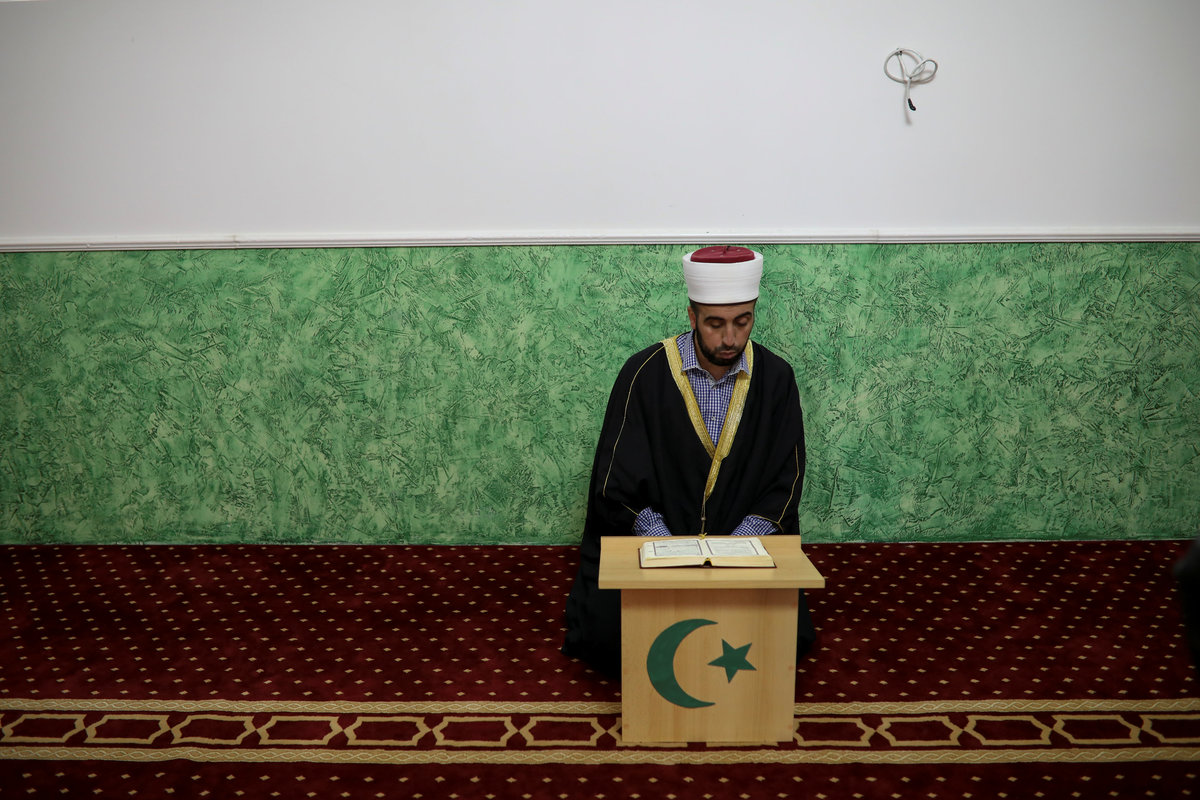
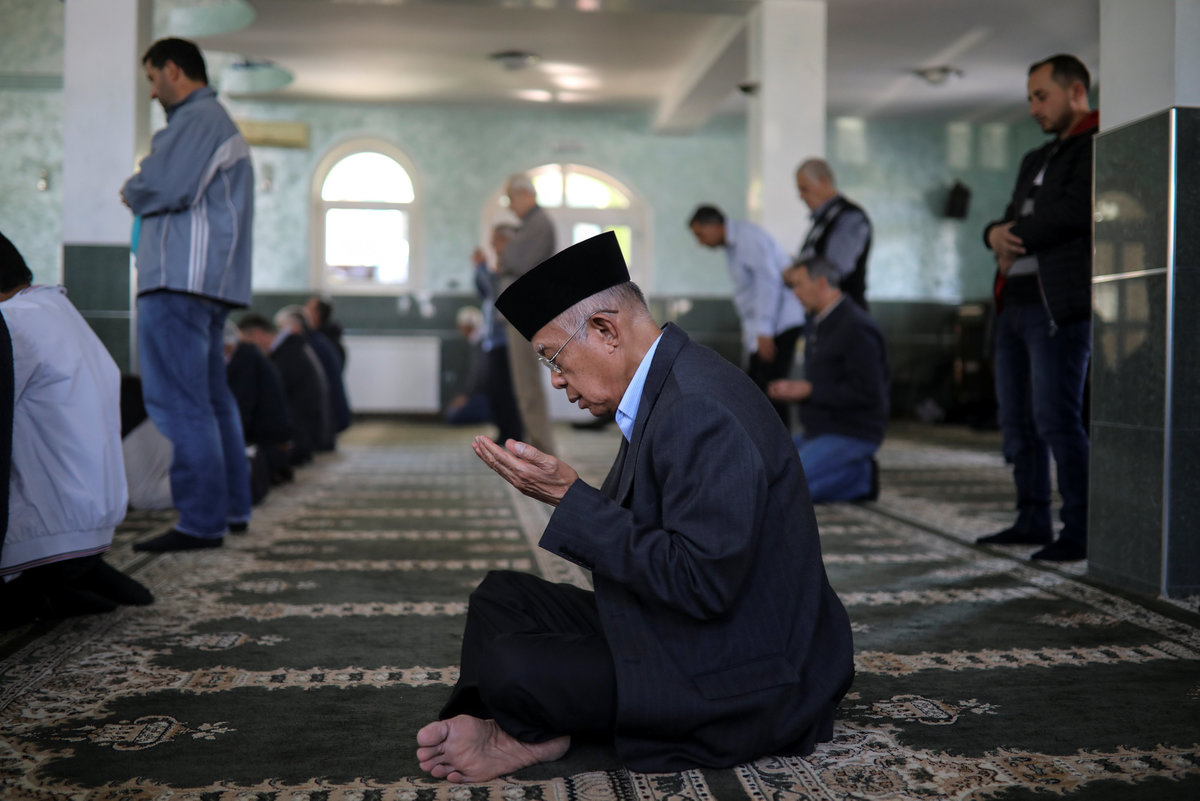
The house – and the ruins it stands next to – represent just some of the ad hoc efforts of around 20,000 Muslims in the Serbian capital to gather in worship in a city which is overwhelmingly Orthodox Christian.
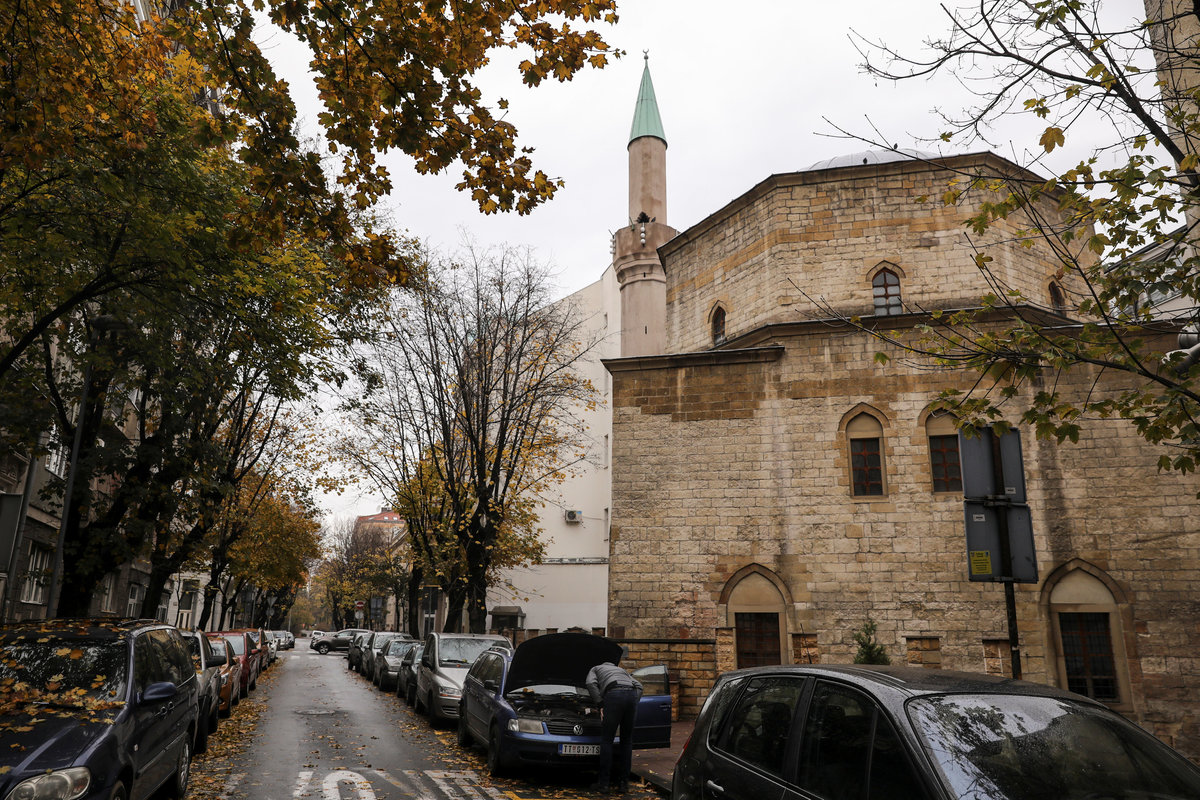
Belgrade has one mosque – dating from 1575 when the city was part of the Ottoman Turkish empire – and it has a fraught relationship with Islam.
Many Muslims left during the collapse of socialist Yugoslavia, when Serbia backed its ethnic kin in Bosnia in the massacre of Muslim Bosniaks and fought a counter-insurgency war in its own southern province of Kosovo against mainly Muslim Albanians.
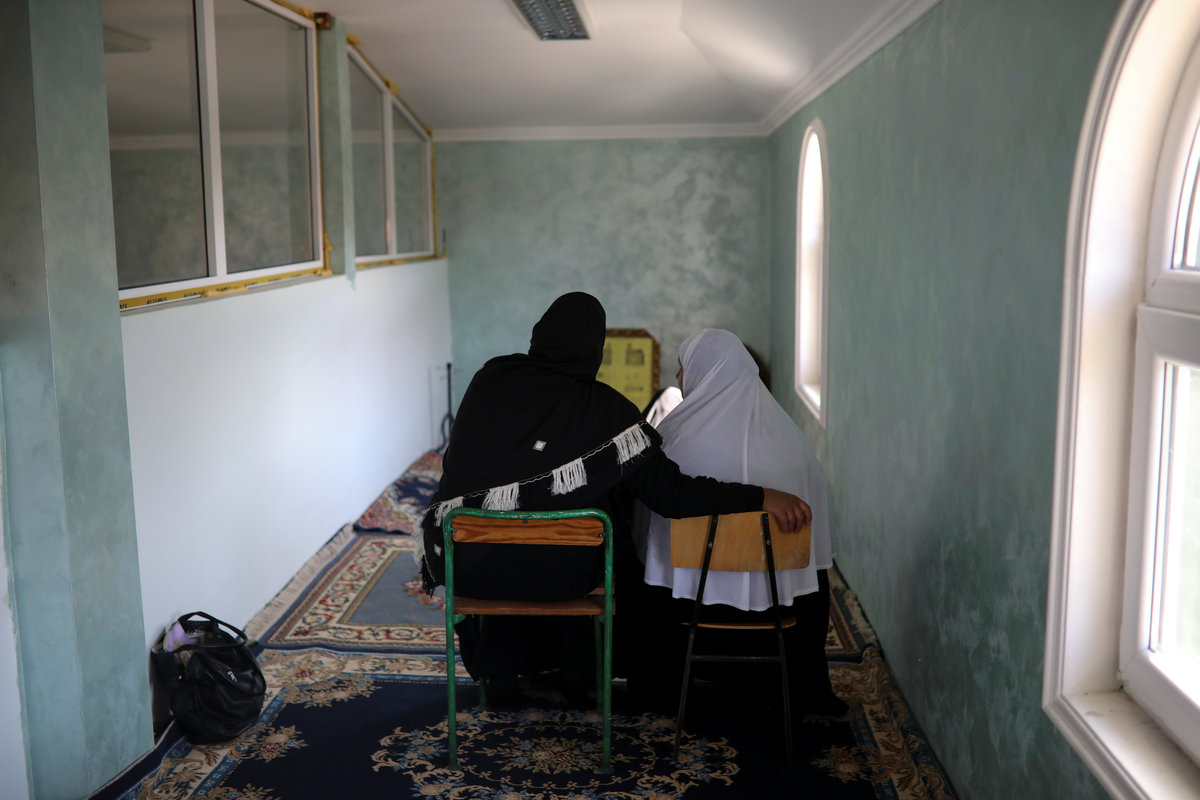
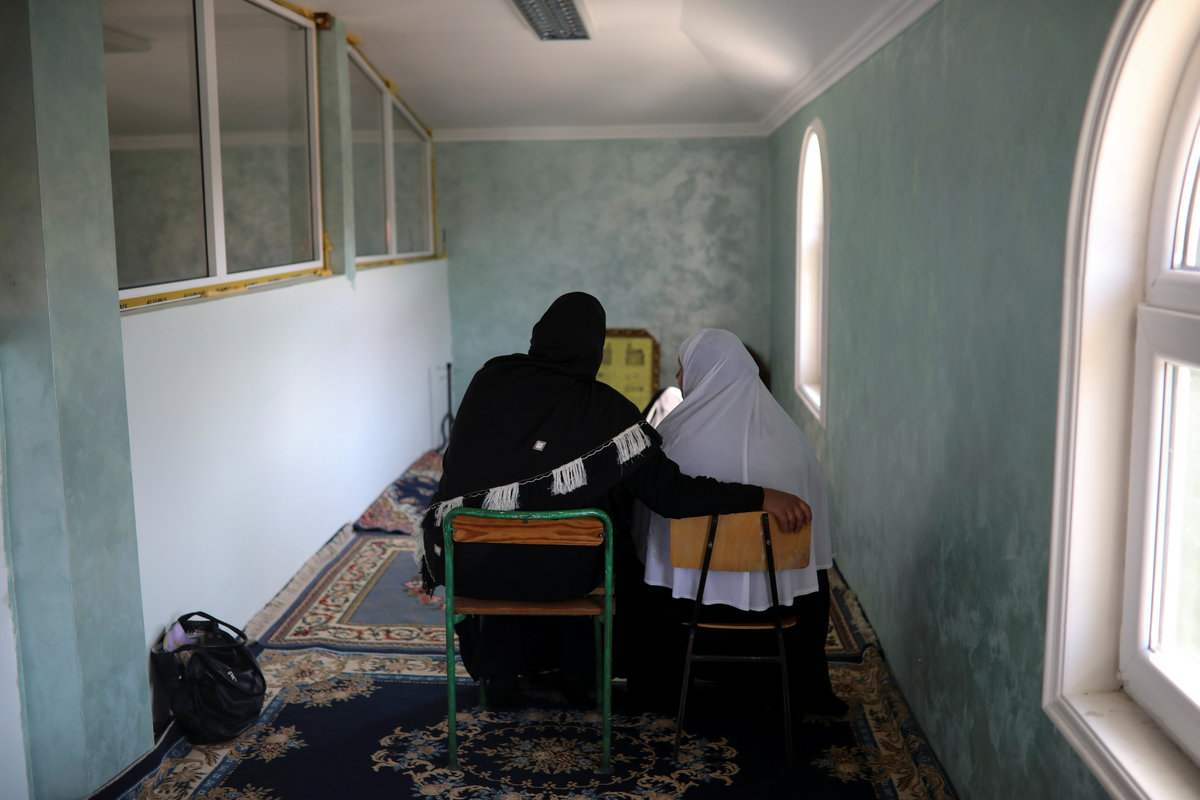
Muslim women inside a makeshift mosque during Friday prayers in the district of Borca in Belgrade, Serbia, September 29, 2017. REUTERS/Marko Djurica
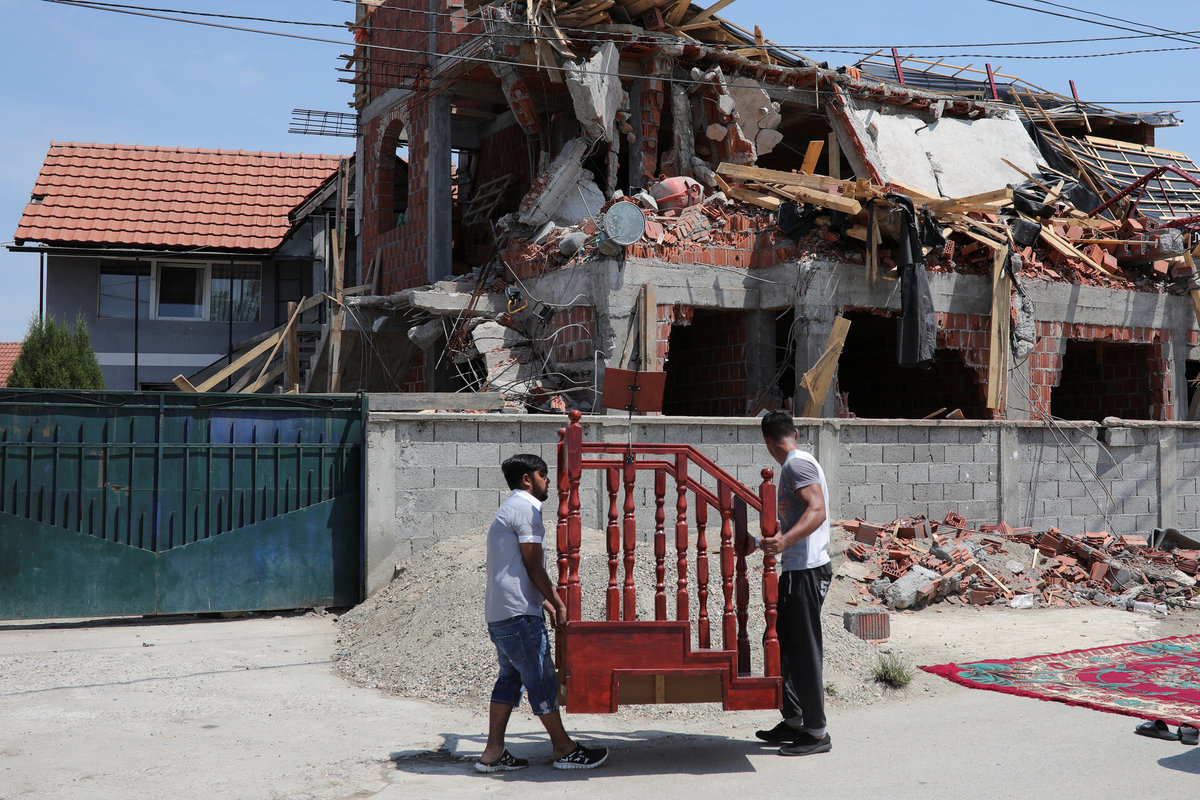
The shortage of Belgrade mosques was thrown into sharp relief this year when authorities tore down a makeshift mosque in the northern district of Zemun Polje on the eve of Ramadan in May.
Local Muslims initially came out in protest to block the demolition, but the bulldozers returned with a police escort after dark. All that is left is a jumbled mass of broken concrete and twisted rebars. Muslims now gather in prayer in the house next door and in other private homes around the city.
The Islamic community in Serbia says Belgrade authorities have repeatedly ignored requests for new mosques to be built and says the shortage raises questions about the country's commitment to minority rights, an important gauge of its readiness for membership of the European Union.
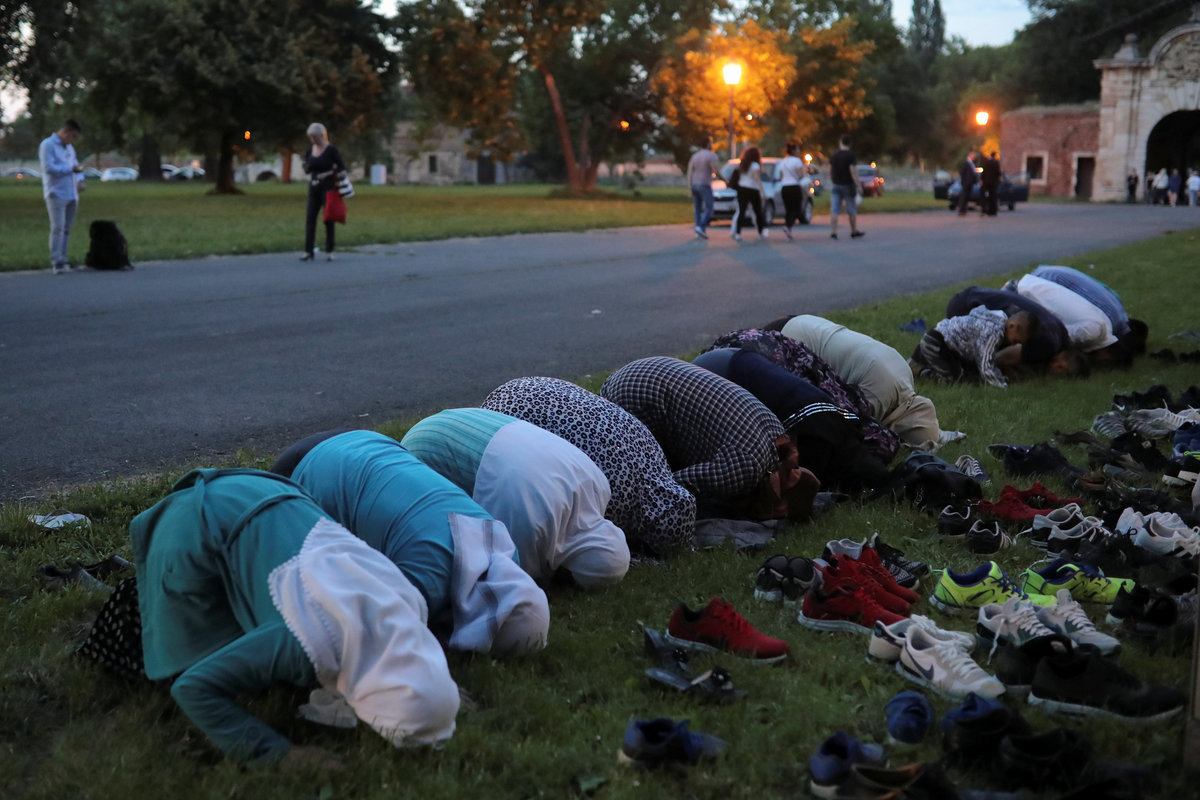
Muslim women pray in front of Kalemegdan fortress in Belgrade, Serbia, May 30, 2017. REUTERS/Marko Djurica
The EU, which Serbia is negotiating to join, has taken notice, warning in a 2016 progress report: "The rights of persons belonging to a national minority to establish and register religious institutions, build and use places of worship need to be fully guaranteed in practice".
European Commission officials did not reply to requests for comment.
The Secretariat for Urban Planning in Belgrade's city hall denied blocking construction of new mosques, saying it had no record of any building requests from the Islamic Community of Serbia.
The Bajrakli mosque is seen in the district of Dorcol in Belgrade, Serbia, November 13, 2017. REUTERS/Marko Djurica
Mufti Muhamed Hamdi Jusufspahic, head of the Supreme Assembly of the Islamic Community of Serbia, said Serbia's byzantine bureaucracy and suspicion of Islam meant the cards were stacked against them.
"We've sought permits on a number of occasions for a number of locations, for decades ... but we never reached the point of even qualifying to submit papers," he told Reuters.
"Every request would be put in the drawer."
Muslims arrive for Friday prayers in the district of Zemun in Belgrade, Serbia, October 6, 2017. REUTERS/Marko Djurica
The Serbian justice ministry said it was unaware of any problem.
"Serbia fulfils all EU criteria on securing religious rights and liberties, along with provisions from the constitution," Mileta Radojevic, who heads the ministry's department for cooperation with religious communities, said in an email to Reuters.
In total, Serbia is home to around 230,000 Muslims, accounting for some 3.1 percent of the population, concentrated mainly in the southwestern Sandzak region that borders Bosnia, Kosovo and Montenegro.
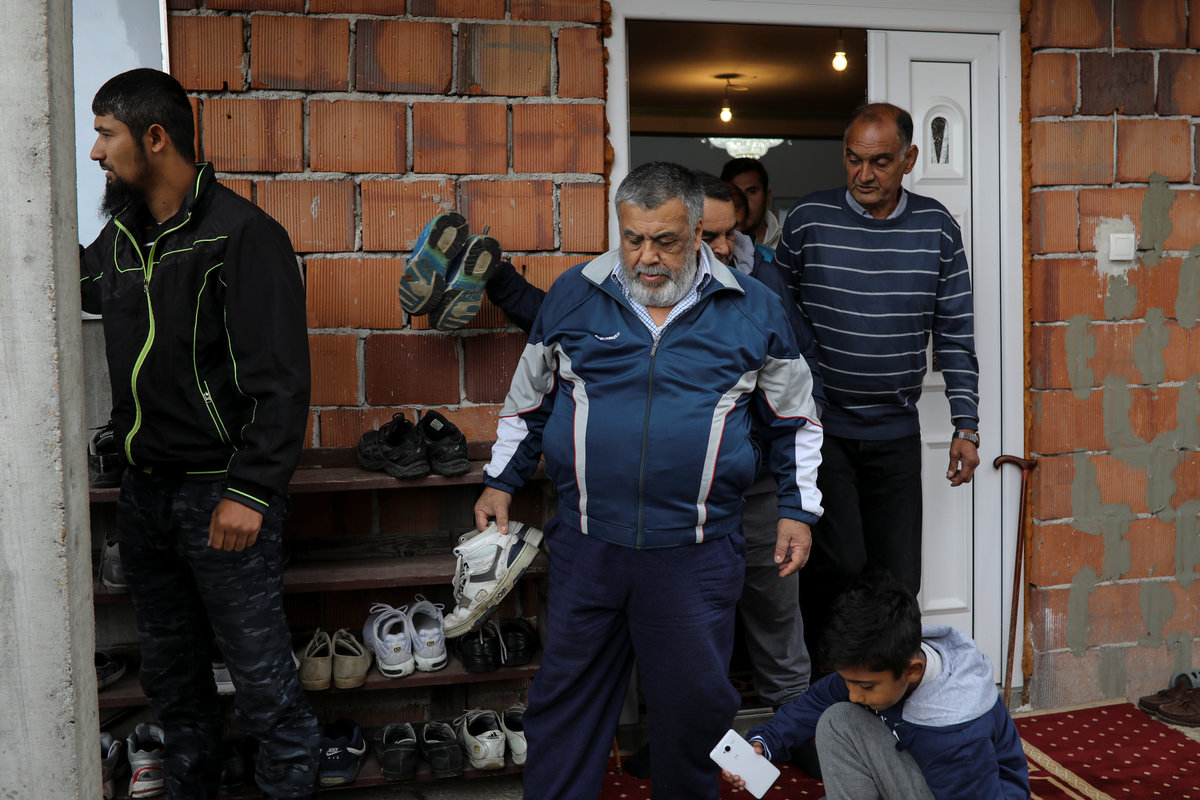
Muslims leave a makeshift mosque after Fridays prayer in the district of Borca in Belgrade, Serbia, September 29, 2017. REUTERS/Marko Djurica
In 2004, in response to a wave of Albanian attacks on minority Serbs in Kosovo, rioters set the Belgrade mosque ablaze and torched another in the southern city of Nis. Both have since been restored.
Emin Zejnulahu, mufti of the demolished mosque in Zemun Polje, said Muslims would not be deterred.
"We must practice our religion, regardless of the obstacles," he said. "We have to be good neighbors to everyone, regardless of their faith and nationality."
Muslims leave a makeshift mosque after Friday prayers in the district of Ledine in Belgrade, Serbia, October 13, 2017. REUTERS/Marko Djurica
(Reporting by Aleksandar Vasovic; Editing by Matt Robinson and Richard Balmforth)
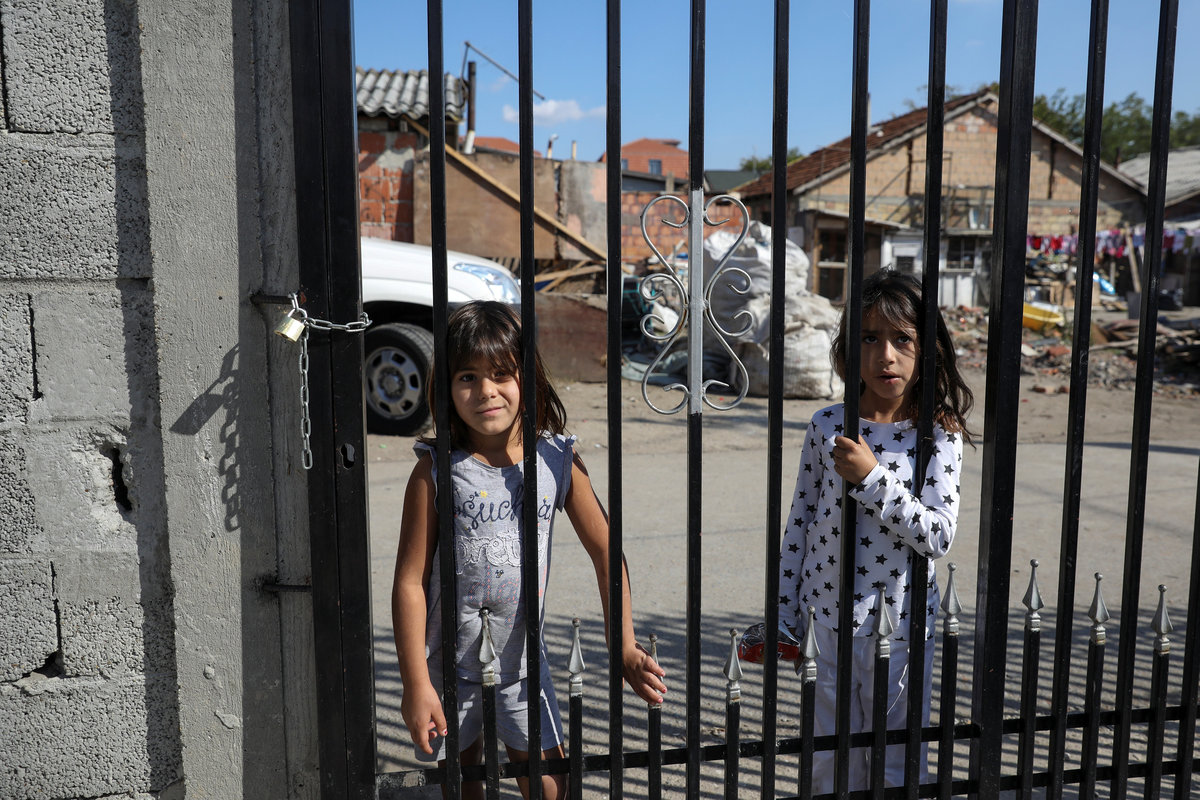
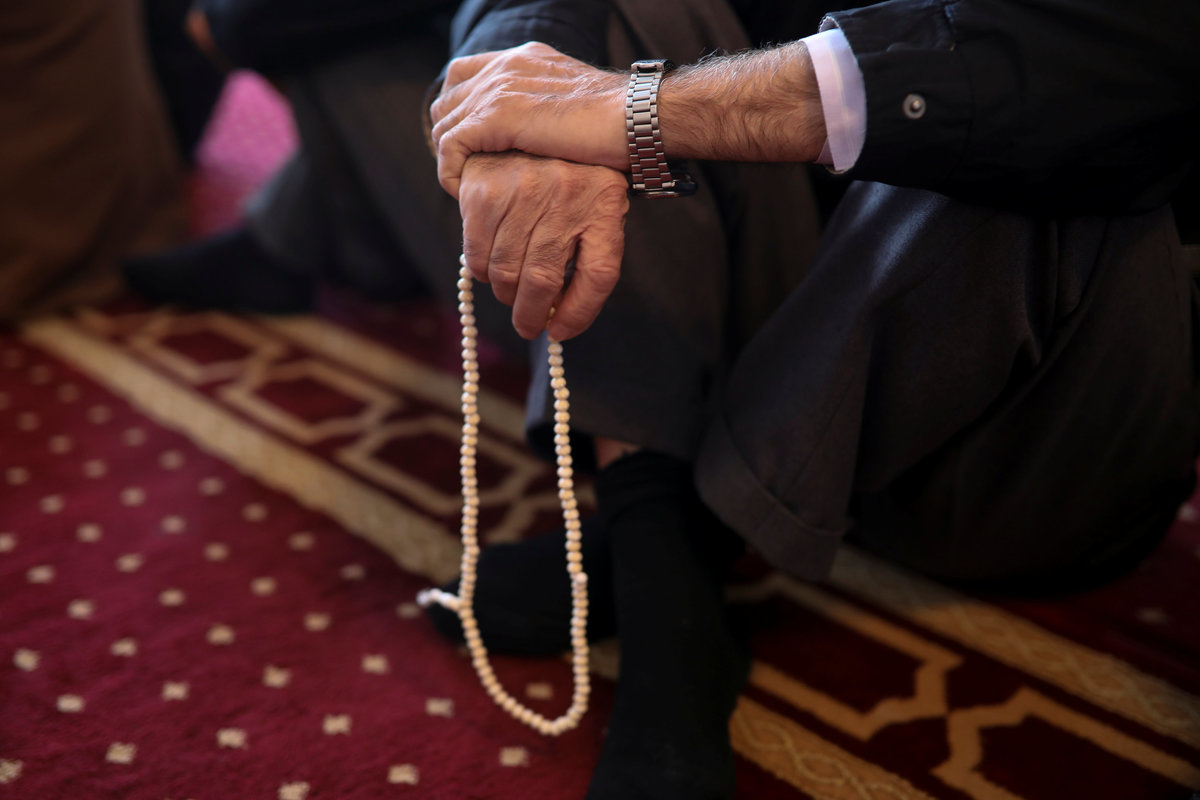
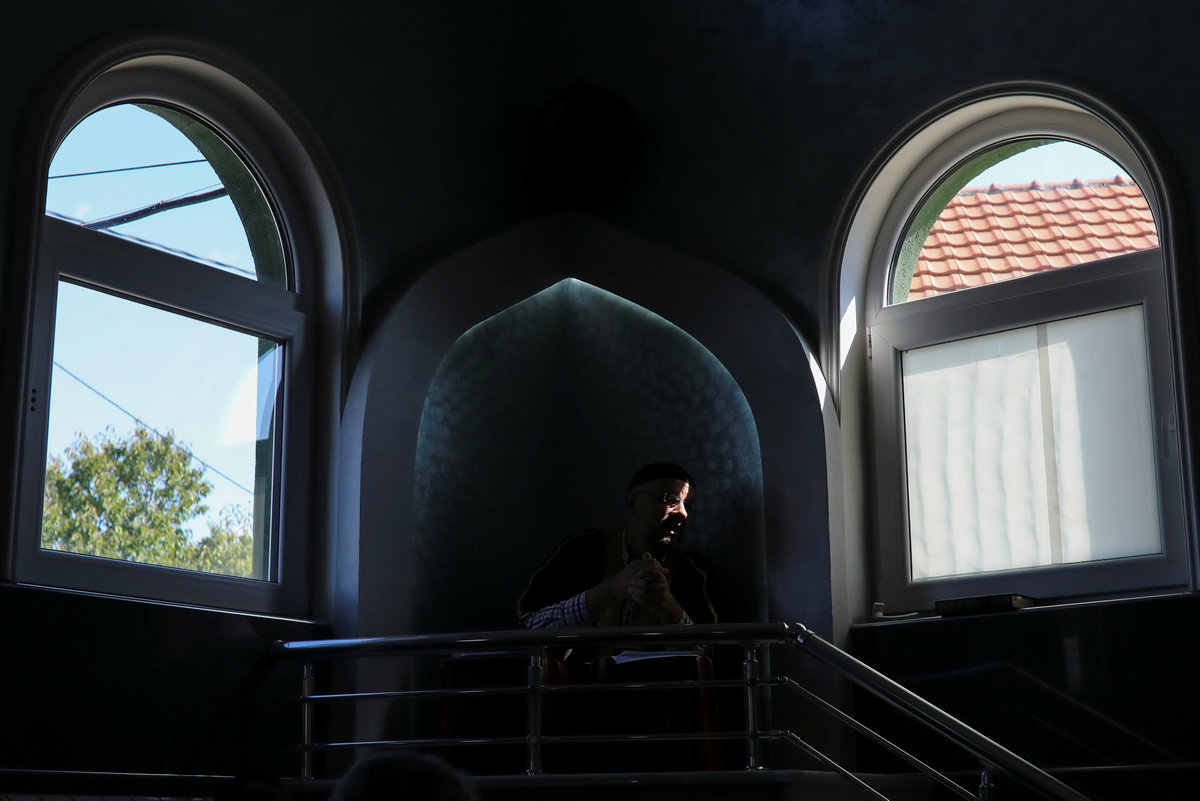
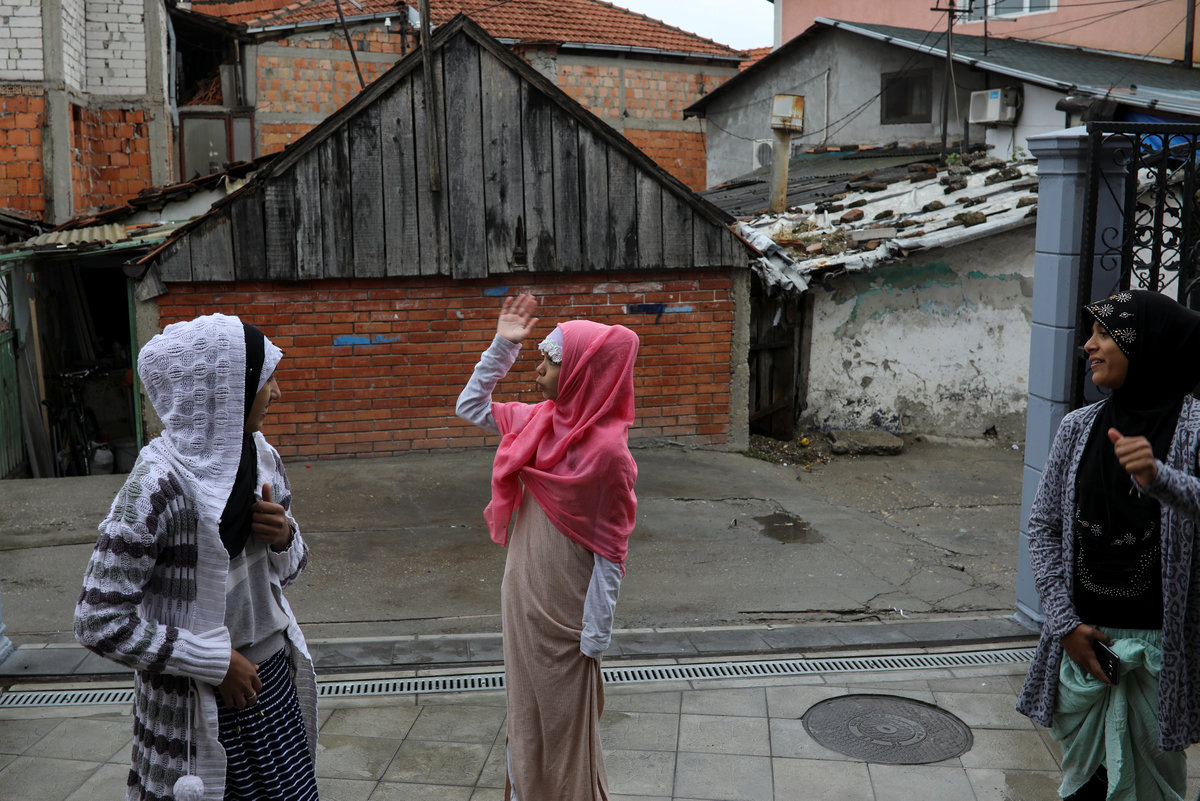
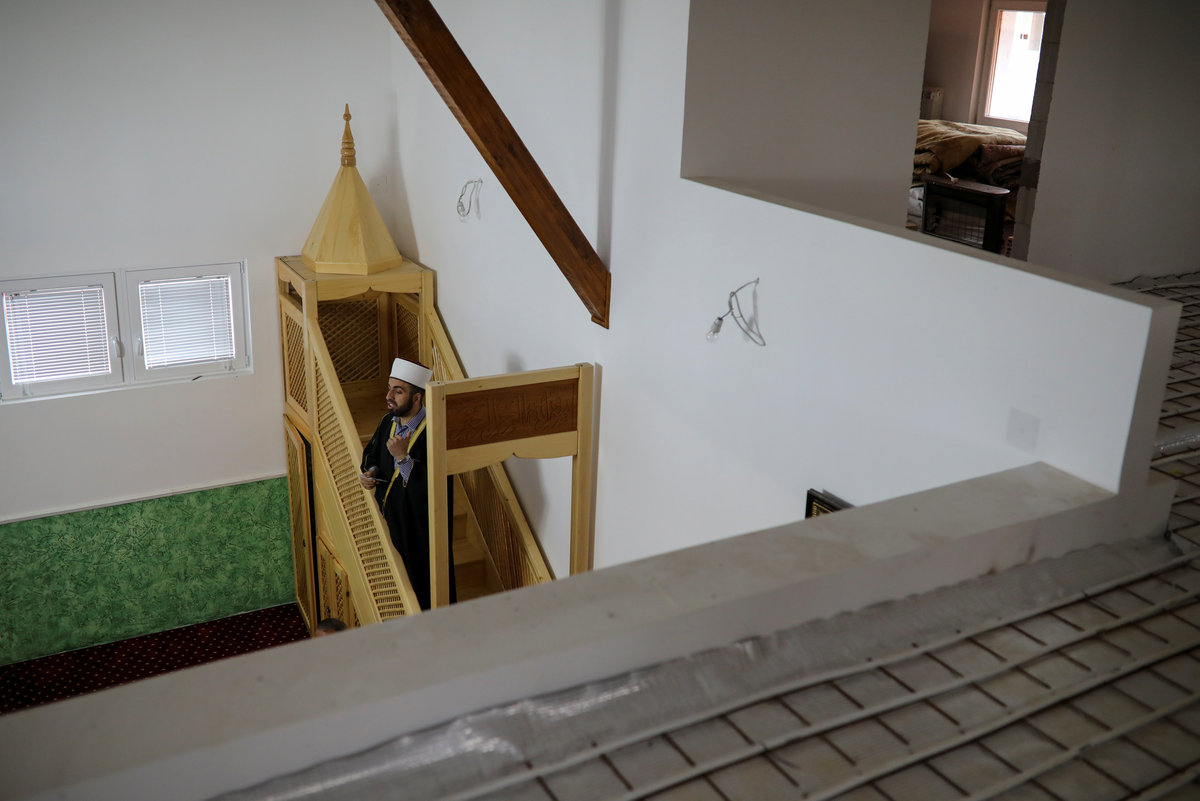
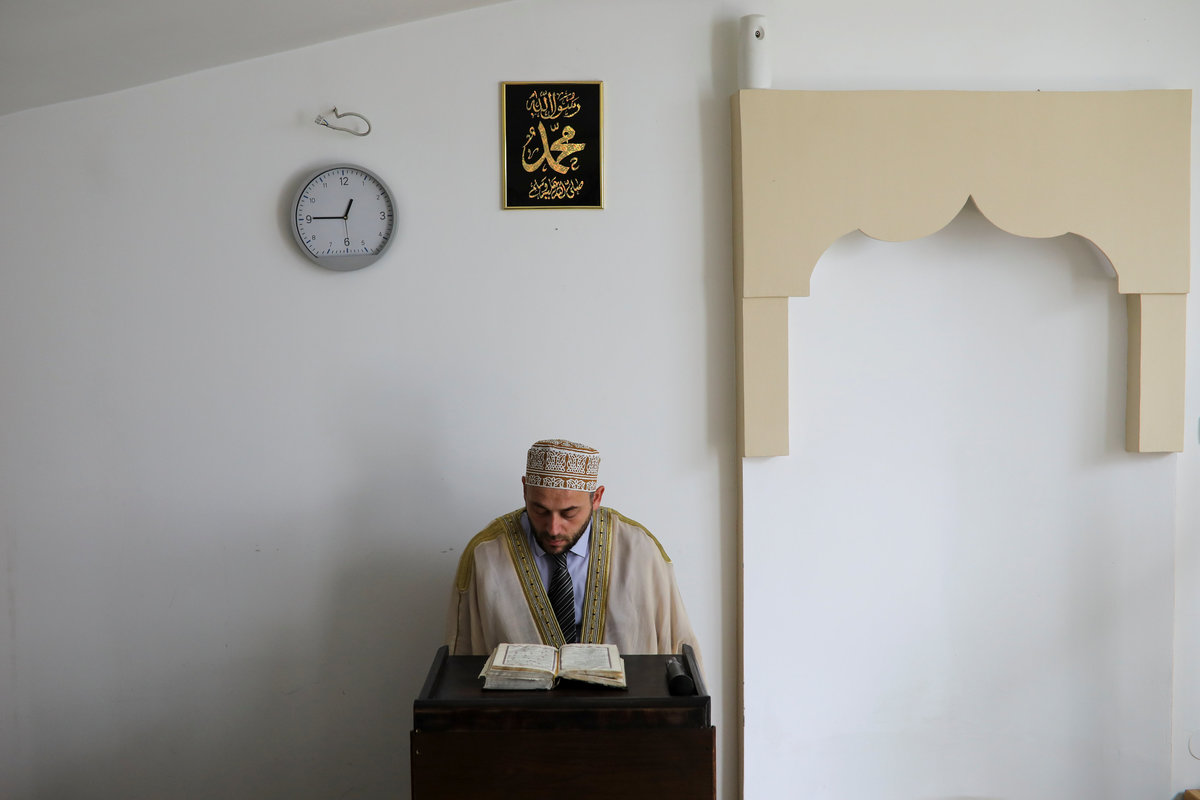
Girls stand at the entrance of a makeshift mosque before Friday prayers in the district of Ledine in Belgrade, Serbia, October 13, 2017. REUTERS/Marko Djurica Muslims prepare to pray on a street in front of an illegally built mosque which was destroyed in the district of Zemun Polje in Belgrade, Serbia, June 2, 2017. REUTERS/Marko Djurica Muslims pray inside a makeshift mosque during Friday prayers in the district of Vozdovac in Belgrade, Serbia, September 15, 2017. REUTERS/Marko Djurica A muslim man prays inside a makeshift mosque during Friday prayers in the district of Zemun in Belgrade, Serbia, October 6, 2017. REUTERS/Marko Djurica A muslim man prays inside a makeshift mosque during Friday prayers in the district of Zemun in Belgrade, Serbia, October 6, 2017. REUTERS/Marko Djurica SEARCH "DJURICA MOSQUE" FOR THIS STORY. SEARCH "WIDER IMAGE" FOR ALL STORIES.Muslims pray inside a makeshift mosque during Friday prayers in the district of Vozdovac in Belgrade, Serbia, September 15, 2017. REUTERS/Marko Djurica Muslims pray during Friday prayers inside a makeshift mosque in the district of Borca in Belgrade, Serbia, September 29, 2017. REUTERS/Marko Djurica Muslims pray inside a makeshift mosque during Friday prayers in the district of Vozdovac in Belgrade, Serbia, September 15, 2017. REUTERS/Marko Djurica Muslims listen to an Imam's speech inside a makeshift mosque during Friday prayers in the district of Sremcica in Belgrade, Serbia, September 22, 2017. REUTERS/Marko Djurica An Imam reads the Koran inside a makeshift mosque during Friday prayers in the district of Sremcica in Belgrade, Serbia, September 22, 2017. REUTERS/Marko Djurica Muslims pray during Friday prayers inside a makeshift mosque in the district of Borca in Belgrade, Serbia, September 29, 2017. REUTERS/Marko Djurica Muslim women inside a makeshift mosque during Friday prayers in the district of Borca in Belgrade, Serbia, September 29, 2017. REUTERS/Marko Djurica An Imam delivers a speech during Friday prayers inside a makeshift mosque in the district of Borca in Belgrade, Serbia, September 29, 2017. REUTERS/Marko Djurica Muslims leave a makeshift mosque after Friday prayers in the district of Sremcica in Belgrade, Serbia, September 22, 2017. REUTERS/Marko Djurica A muslim man leaves a makeshift mosque after Friday prayers in the district of Sremcica in Belgrade, Serbia, September 22, 2017. REUTERS/Marko Djurica Muslim girls stand in front of a makeshift mosque before Friday prayers in the district of Zemun in Belgrade, Serbia, October 6, 2017. REUTERS/Marko Djurica An Imam delivers a speech inside a makeshift mosque during Friday prayers in the district of Sremcica in Belgrade, Serbia, September 22, 2017. REUTERS/Marko DjuricaAn Imam reads the Koran inside a makeshift mosque during Friday prayers in the district of Vozdovac in Belgrade, Serbia, September 15, 2017. REUTERS/Marko DjuricaMuslims pray on a street in front of an illegally built mosque which was destroyed in the district of Zemun Polje in Belgrade, Serbia, June 2, 2017. REUTERS/Marko Djurica
Sign up to read this article
Read news from 100’s of titles, curated specifically for you.