Get all your news in one place.
100’s of premium titles.
One app.
Start reading

With bees on decline, mechanical pollination may be solution

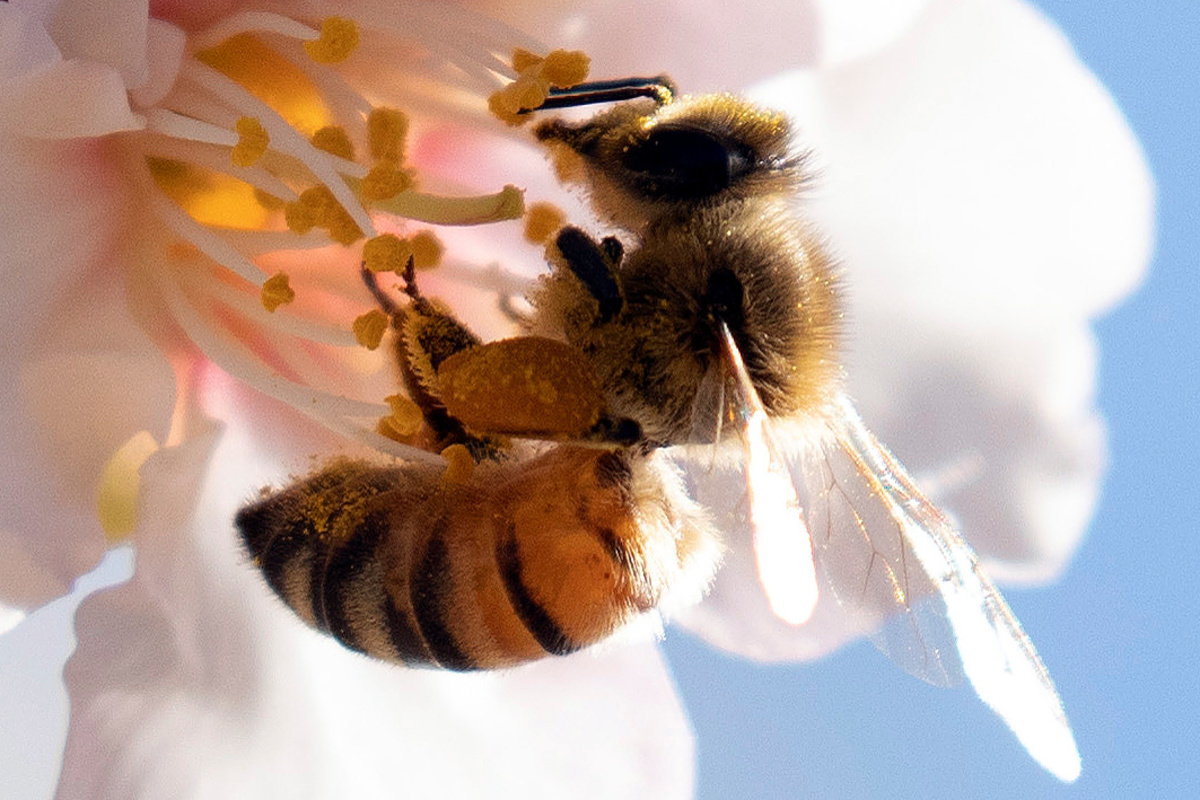
A bee sits on a flower budding from an almond tree, which rely on natural pollinators for fertilization in an Almonds grove in Tel Arad, southern Israel March 4, 2020. REUTERS/ Amir Cohen

A mechanical hum replaced the buzzing of the bees in one Israeli community this season as farmers, concerned over the global drop in bee populations, tried out a new method of pollinating their crops.

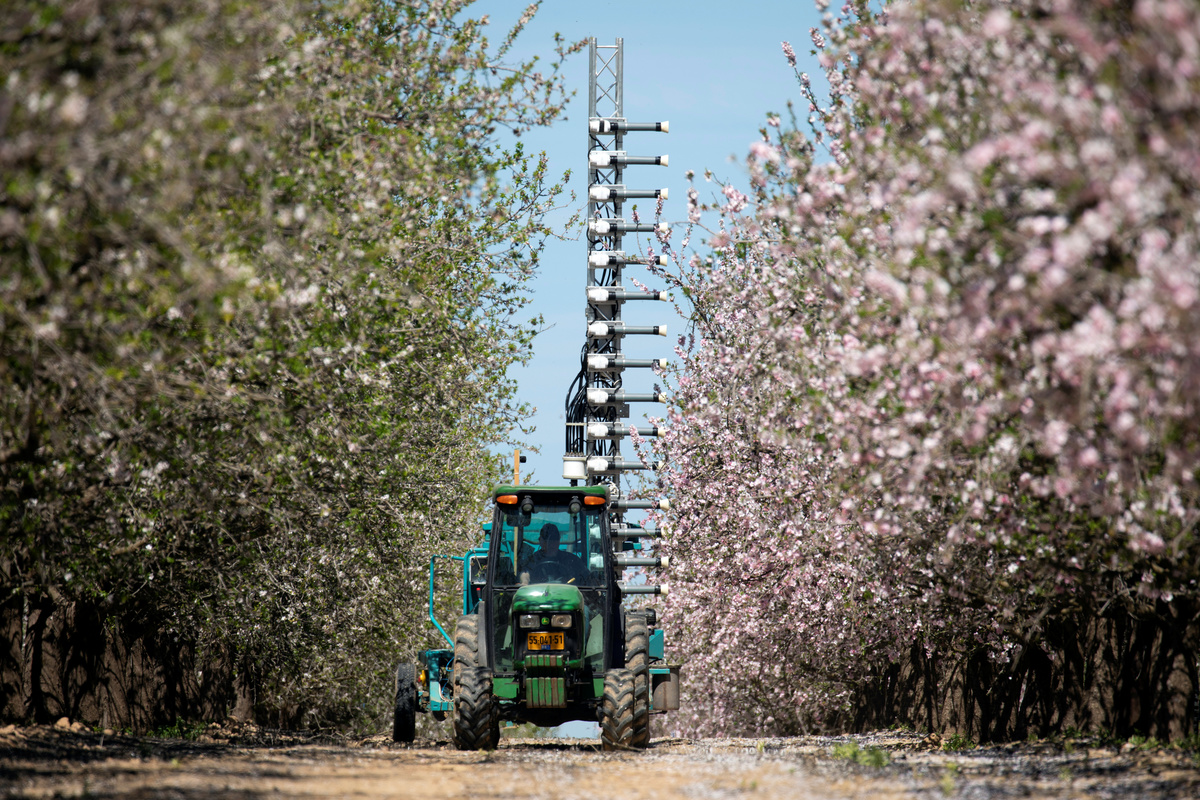
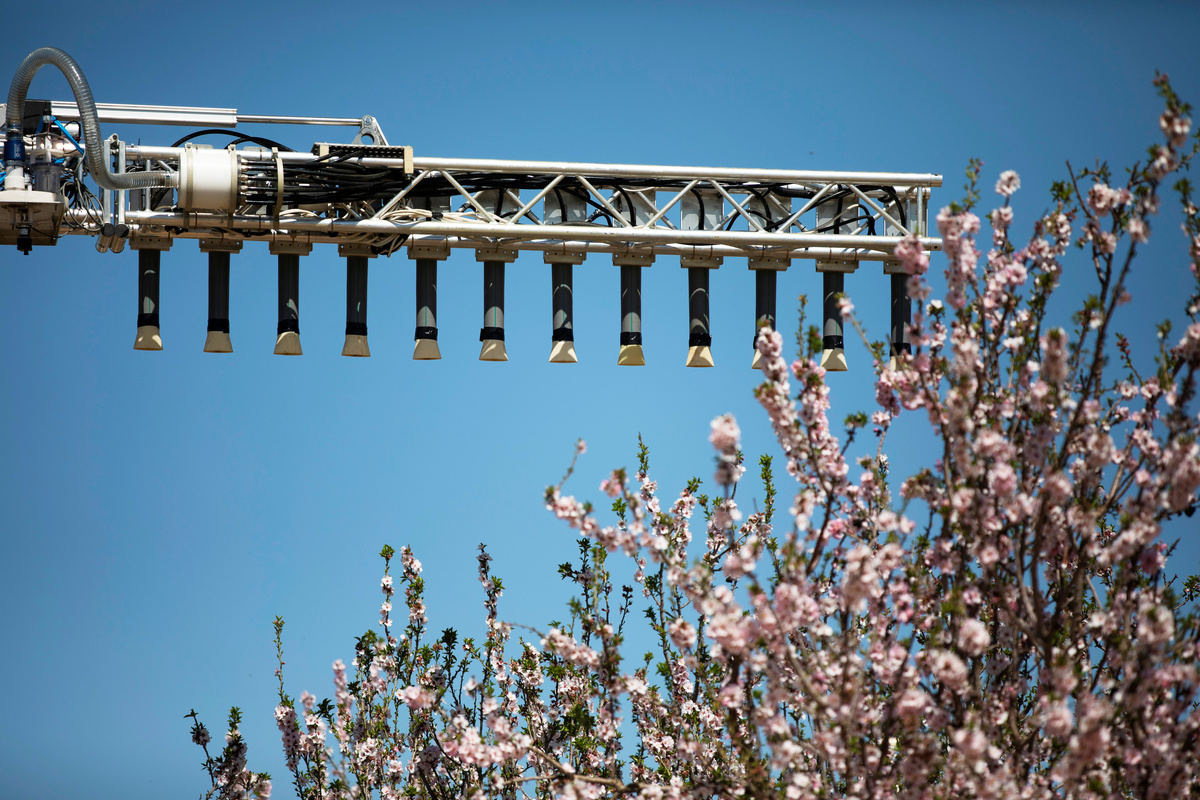
Through an almond orchard in the area of Tel Arad in a desert plain in southern Israel, a tractor pulled a mast equipped with about a dozen small cannon that fired precise shots of pollen at the trees, enabling them to fertilize.

The job is usually done by natural pollinators - most often bees - but there has been a drastic fall in bee numbers around the world, largely due to intensive agriculture, the use of pesticides and climate change.
A tractor pulls a mast equipped with small cannons that shoot pollen at almond trees, allowing them to fertilize without bees in an Almonds grove in Tel Arad, southern Israel March 4, 2020. REUTERS/ Amir Cohen

Most crops rely on pollination, so the trend has worried groups like the U.N. Food and Agriculture Organization as it looks to fight hunger in the growing human population.

"We see a crisis in 15 years where we don't have enough insects in the world to actually do pollination and most of our vitamins and fruits are gone," said Eylam Ran, CEO of Edete Precision Technologies for Agriculture.

His company says its artificial pollinator can augment the labours of - and eventually replace - bees. Its system mirrors the work of the honey bee, beginning with a mechanical harvest of pollen from flowers and ending with a targeted distribution using LIDAR sensors, the same technology used in some self-driving cars.
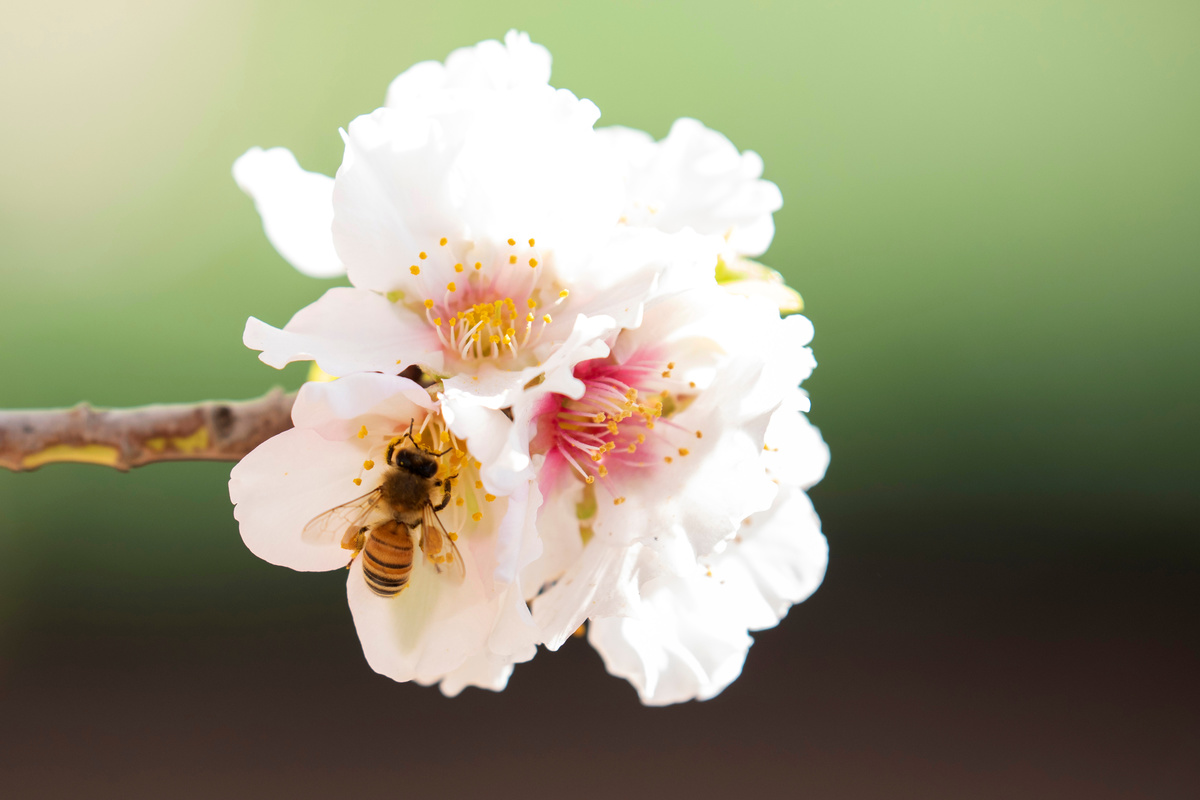
A bee sits on a flower budding from an almond tree, which rely on natural pollinators for fertilization in an Almonds grove in Tel Arad, southern Israel March 4, 2020. REUTERS/ Amir Cohen

Edete has been working on a small-scale trial in several orchards in Israel and Australia, and has agreements to do the same in the United States. The company hopes to scale up and be ready to sell its products on the market in 2023.

(Reporting by Lianne Back; Editing by Hugh Lawson)
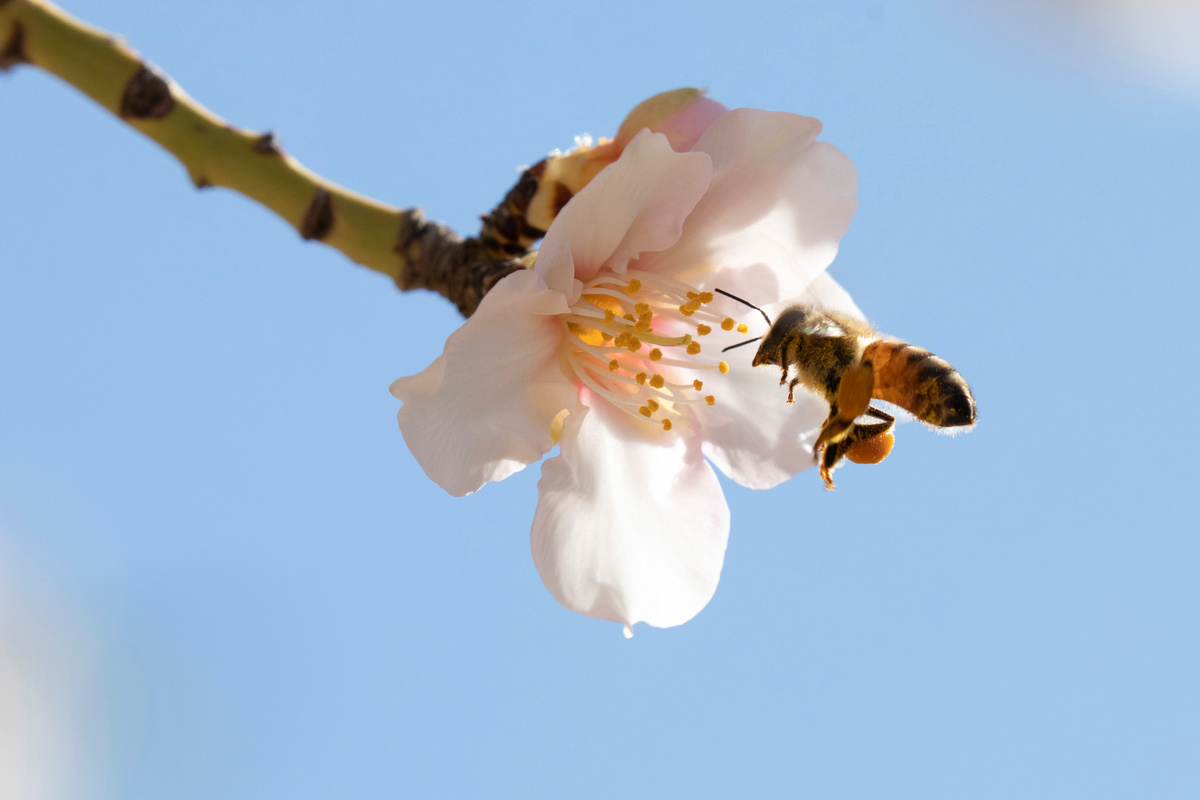
A bee sits on a flower budding from an almond tree, which rely on natural pollinators for fertilization in an Almonds grove in Tel Arad, southern Israel March 4, 2020. REUTERS/ Amir Cohen
A tractor pulls a mast equipped with small cannons that shoot pollen at almond trees, allowing them to fertilize without bees in an Almonds grove in Tel Arad, southern Israel March 4, 2020. REUTERS/ Amir Cohen
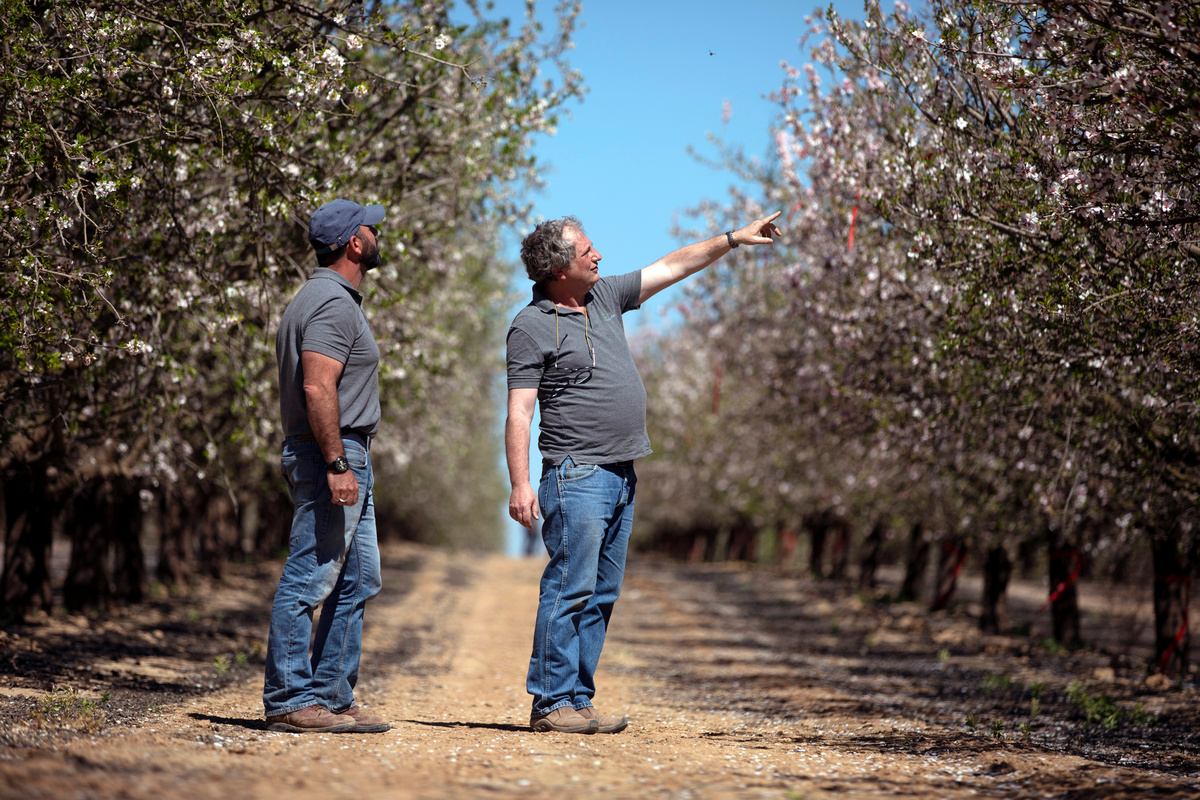
Joseph Frey, an executive at Edete Precision Technologies for Agriculture, gestures towards an almond tree that is being pollinated and fertilized by machine technology in an Almond grove in Tel Arad, southern Israel March 4, 2020. REUTERS/ Amir Cohen
Sign up to read this article
Read news from 100’s of titles, curated specifically for you.
Already a member? Sign in here
Related Stories
Top stories on inkl right now
One subscription that gives you access to news from hundreds of sites
Already a member? Sign in here
Our Picks
Fourteen days free
Download the app
One app. One membership.
100+ trusted global sources.