BIG SUR, Calif. _ Outside the Big Sur Taphouse, a little before 9 p.m., the hint of marijuana is in the air. A country-psychedelic-surf rock band from Monterey plays on an iPhone propped on a stone ledge, and Blake Cusack is skipping rope in the parking area just off Highway One.
"Thirty-six, 37, 38."
Cusack hopes to hit a hundred, and there is little to distract him, neither the sweep of headlights nor the swoosh of passing cars. The road is dark, and the night is silent but for the hushed voices of the few locals who have gathered beneath the stars.
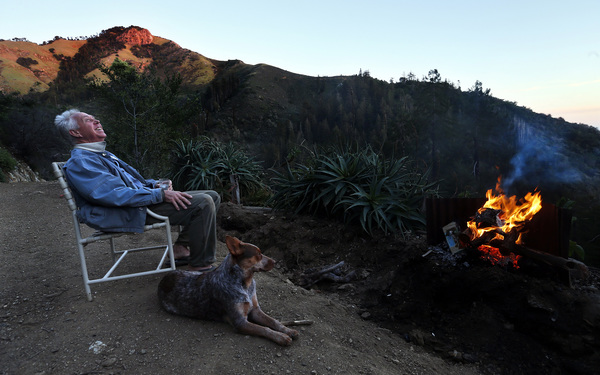
This is a rare moment in their lives. "You can hear the birds," said Cusack, taking a break from his exertions. "You can hear lizards running across the road."
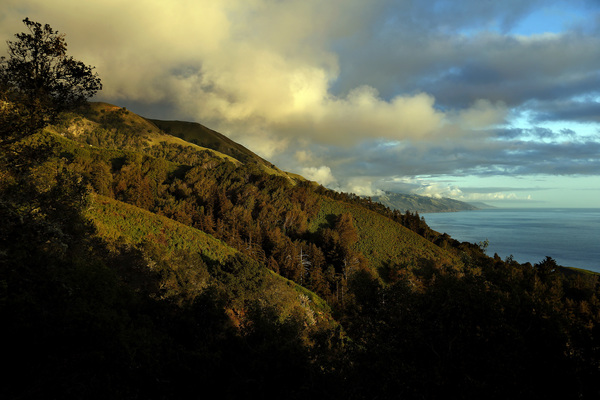
For more than a month, the highway has dead-ended just up the road at the ruined Pfeiffer Canyon Bridge and far to the south where landslides have undermined the southbound lanes. Fences and traffic cones block the cars that carry the visitors who would normally swarm to this treasured stretch of coastline. With only residents getting through, Big Sur has slipped back in time.
Conversations spring up on the highway. Wildlife emerges from the hollows, and the community, once at odds over the traffic and congestion, has found solace in the touchstones of its past: the sound of surf, of rushing creeks, the solidarity of their isolation.
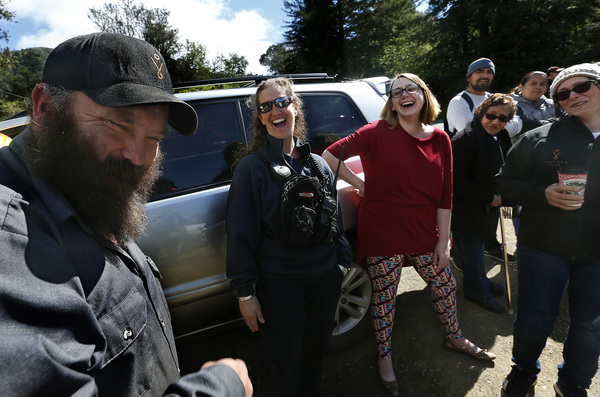
"It's like being in 'The Hobbit,'" said one man watching Cusack. "Everyone knows everyone."
But they know this idyll won't last long. Caltrans hopes to open the highway to the south by June and the new bridge by October, and until then the quiet that's returned to their lives reminds them of what they've lost.
Once a haven for the self-reliant, Big Sur has grown dependent upon outsiders.
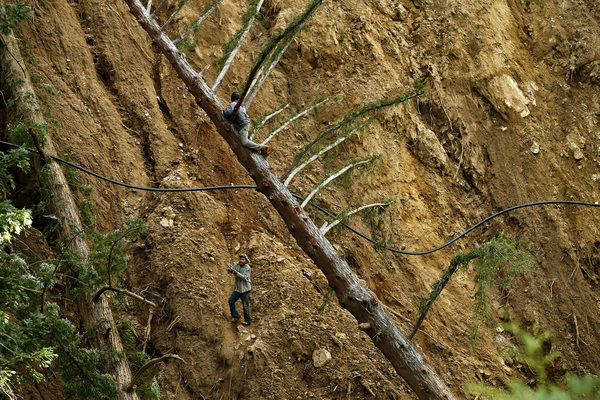
The community is home not just to ranchers and hermits, artists and poets, but also retirees and refugees from Hollywood and Silicon Valley, jewelry and book sellers from Chicago and Florida, masons and irrigators from the Santa Inez Valley, executive housekeepers from Mexico, chefs from El Salvador, mushroom hunters and skiff fishermen from the Monterey Peninsula, interpretative rangers from Oregon and the Bay Area.
Their interests are divided, but they also know they share common ground.
Most came from elsewhere, drawn by the promise of a more simple, more free, more creative life _ or merely the prospect of being left alone _ but the outside world is chipping away at all that and now seems like the time to ask why.