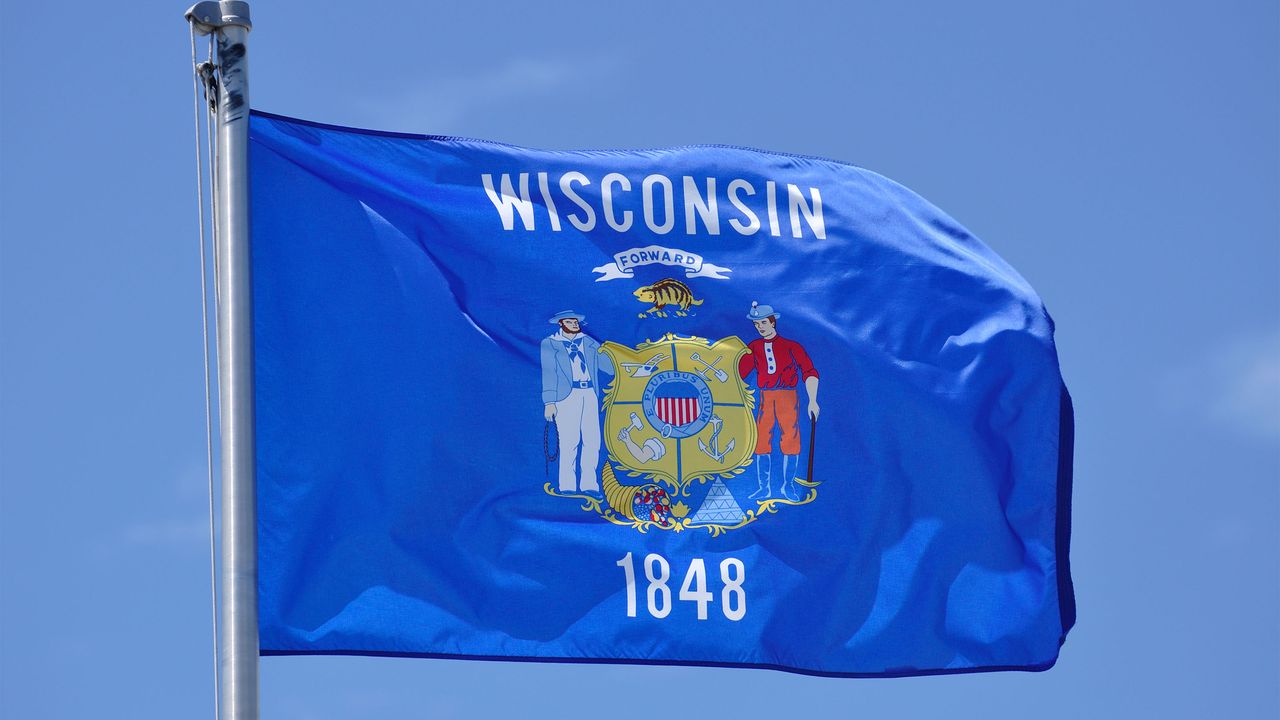
Navigating the complexities of state taxes can be daunting, but understanding Wisconsin's tax landscape is essential for residents and newcomers alike.
In this guide, we'll explore key components of The Badger State's tax system, from income and sales taxes to property taxes and retirement benefits.
Wisconsin state tax: Overview
Wisconsin’s income tax system has three brackets, but most people land in the middle one. Property taxes can be on the higher side, which might come as a surprise to homeowners.
The good news is that Wisconsin has one of the lowest sales tax rates in the country. However, some essential items, like baby diapers, are still taxed.
On a brighter note, if you're thinking about long-term planning, your heirs will not face any state taxes on their inheritance, since Wisconsin doesn't have an estate or inheritance tax.
[Data for this state tax guide was gathered from several sources including the U.S. Census Bureau, the state’s government website, the Sales Tax Handbook, and the Tax Foundation. Property taxes are cited as a rate percentage rather than the assessed value.]
Wisconsin income tax
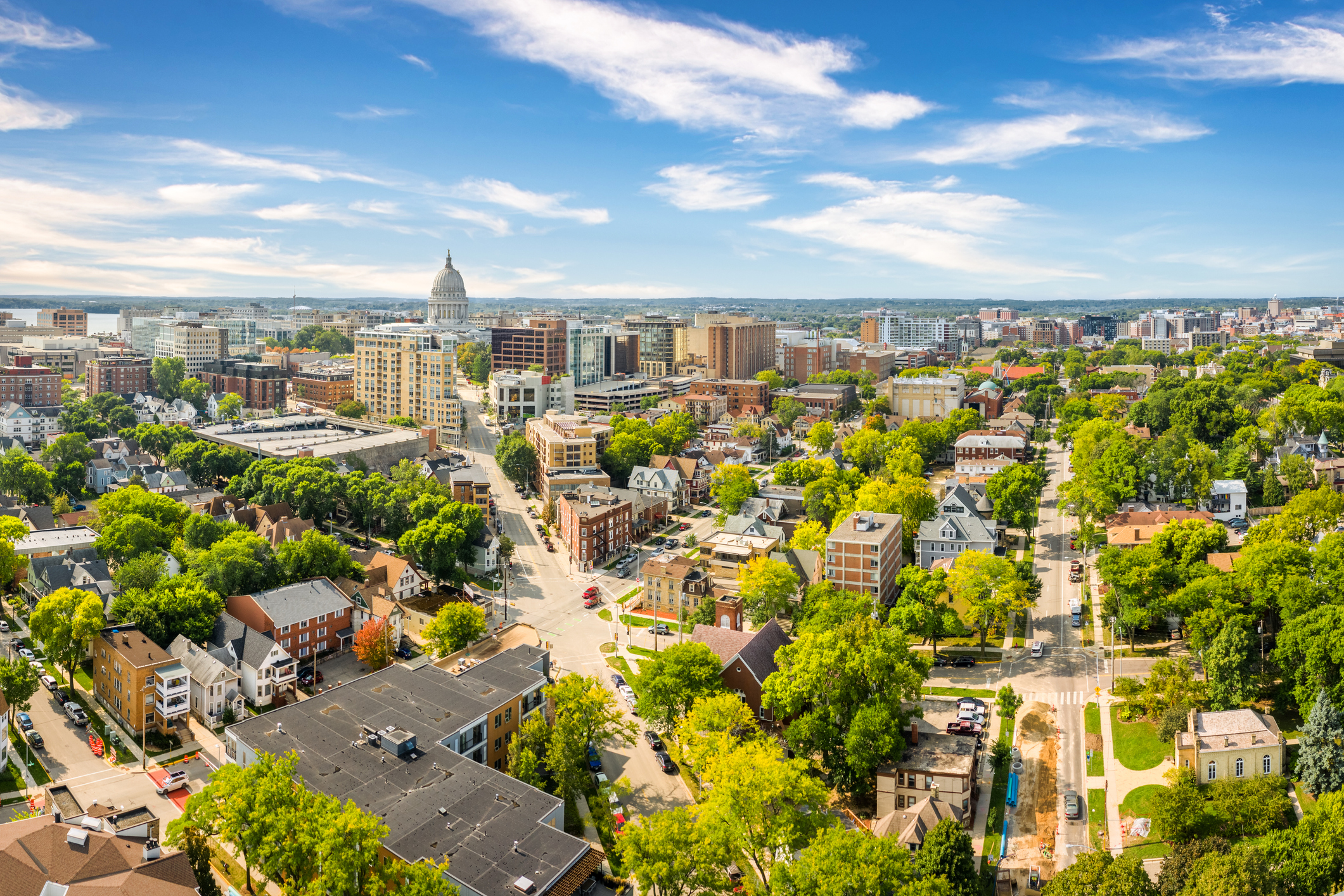
Wisconsin has a graduated state individual income tax rate ranging from 3.50% to 7.65%, according to the Tax Foundation.
Wisconsin retirement taxes
Wisconsin tax on retirement benefits: Wisconsin doesn't tax Social Security or Railroad Retirement benefits. Military pay that is exempt from federal taxation is also exempt in Wisconsin.
Taxpayers age 65 and older in the state may deduct up to $5,000 of certain retirement income if they meet the following criteria.
- Have a federal adjusted gross income (AGI) of less than $15,000
- Have a federal AGI of less than $30,000 if married (regardless of whether filing jointly or separately)
- Social Security: Not taxable
- Pensions: Taxable
- 401(k) and IRA Distributions: Taxable
Wisconsin sales tax

Wisconsin's statewide sales tax is 5%. However, the average combined local and state tax rate is 5.70%, according to the Tax Foundation.
- Groceries: Exempt
- Prescription drugs: Exempt
- Clothing: Taxable
How much are property taxes in Wisconsin?

In Wisconsin, the average effective property tax rate is 1.25%, which is higher than in most other states.
Wisconsin property tax breaks for retirees
Wisconsin homeowners who are age 62 or older or have disabilities may qualify for a homestead credit without earned income. Homeowners under age 62 must have earned income to qualify. Income limitations apply.
Additionally, state residents 62 and older may apply for a property-tax-deferral loan of up to $3,525 through the Wisconsin Housing and Economic Development Authority. However, household income must not exceed $20,000.
Applications are also available to veterans, regardless of age.
Wisconsin gas tax

Gasoline |
$0.31 per gallon |
Diesel |
$0.31 per gallon |
Source: Sales Tax Handbook
Wisconsin taxes on alcohol and tobacco
Product |
Tax Amount |
|---|---|
Cigarettes |
$2.52 per pack |
Other Tobacco Products |
71% of Manufacturer's Price |
Source: Sales Tax Handbook
Product |
Tax Amount |
|---|---|
Wine |
$0.25 per gallon |
Beer |
$0.06 per gallon |
Liquor |
$3.25 per gallon |
Source: Sales Tax Handbook
Wisconsin estate and inheritance taxes
Wisconsin doesn't have an estate or an inheritance tax.