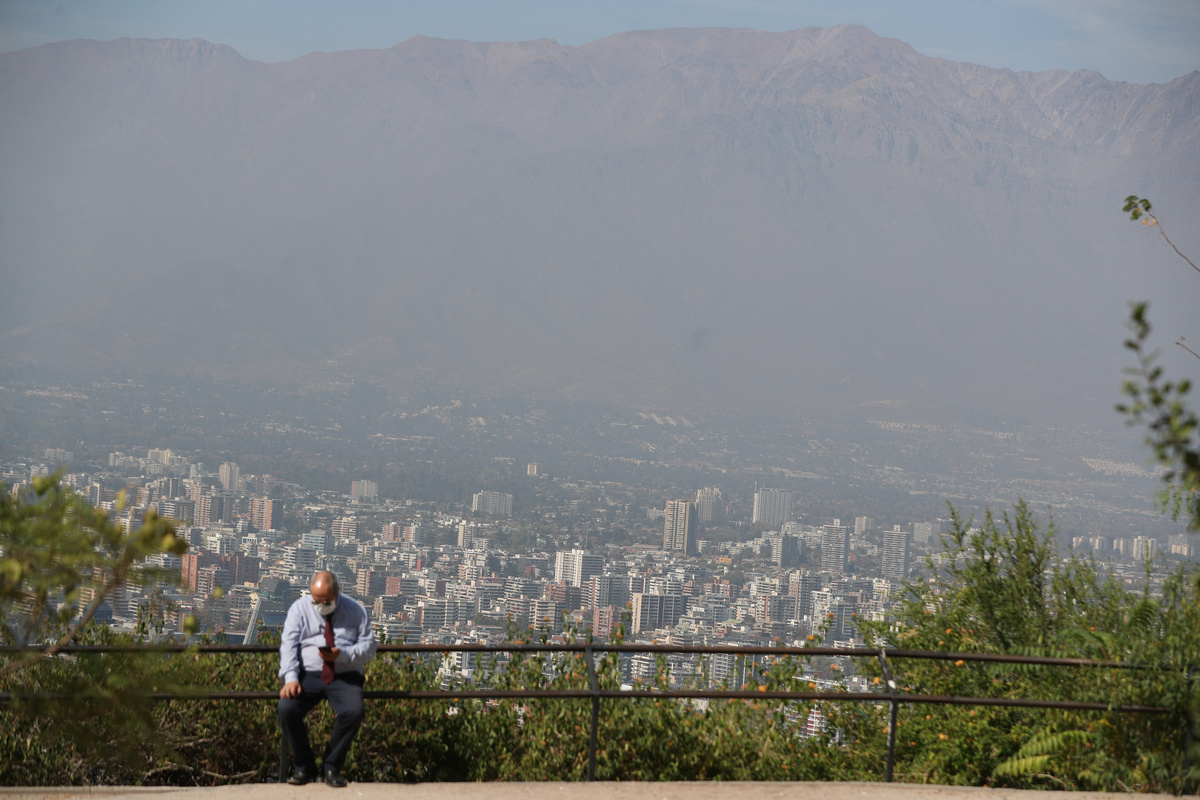
Cases of the coronavirus are set to peak in South America as winter approaches, bringing with it not just cold weather but more pollution that could multiply death rates, according to air quality experts and medics.
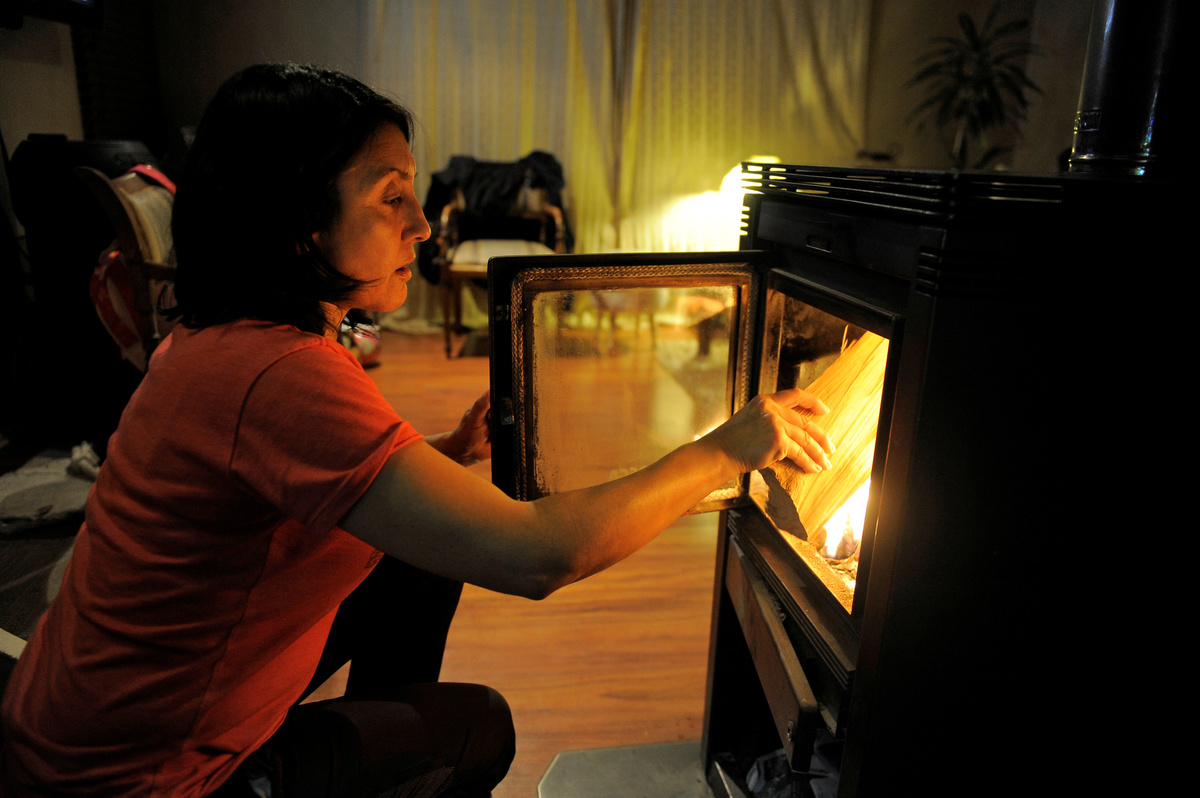
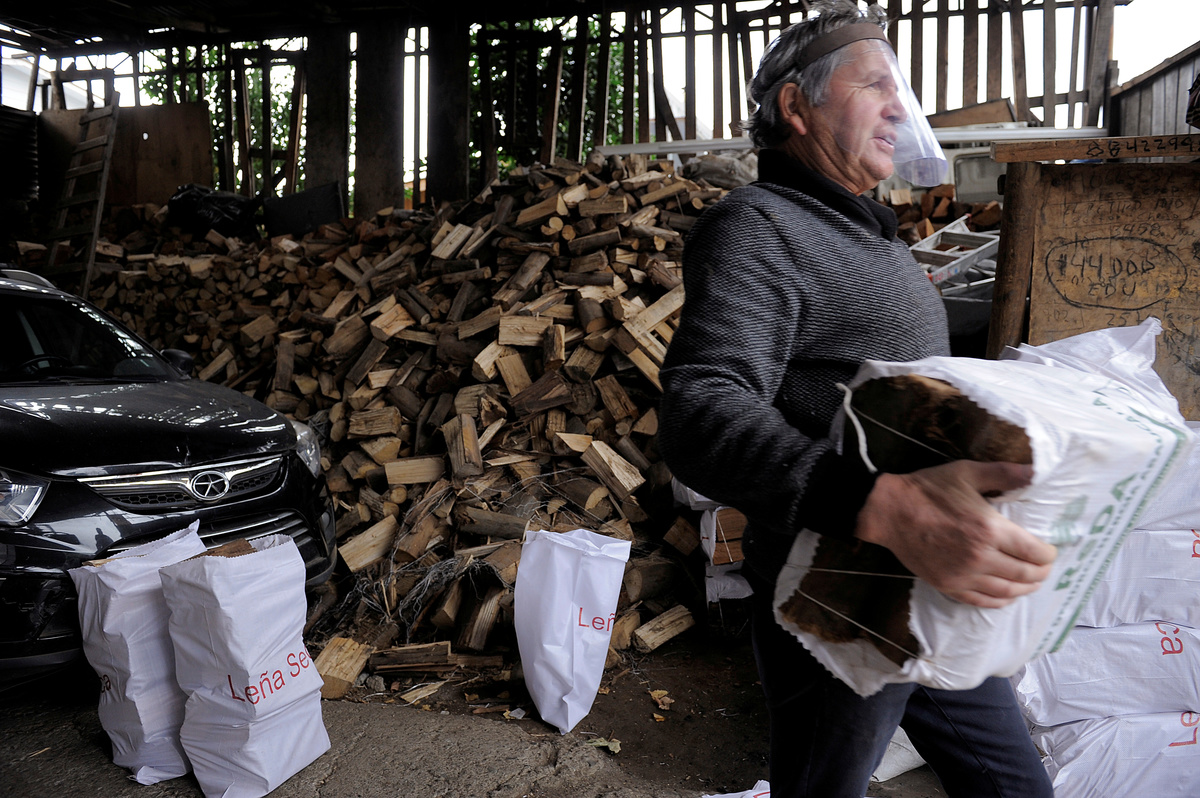
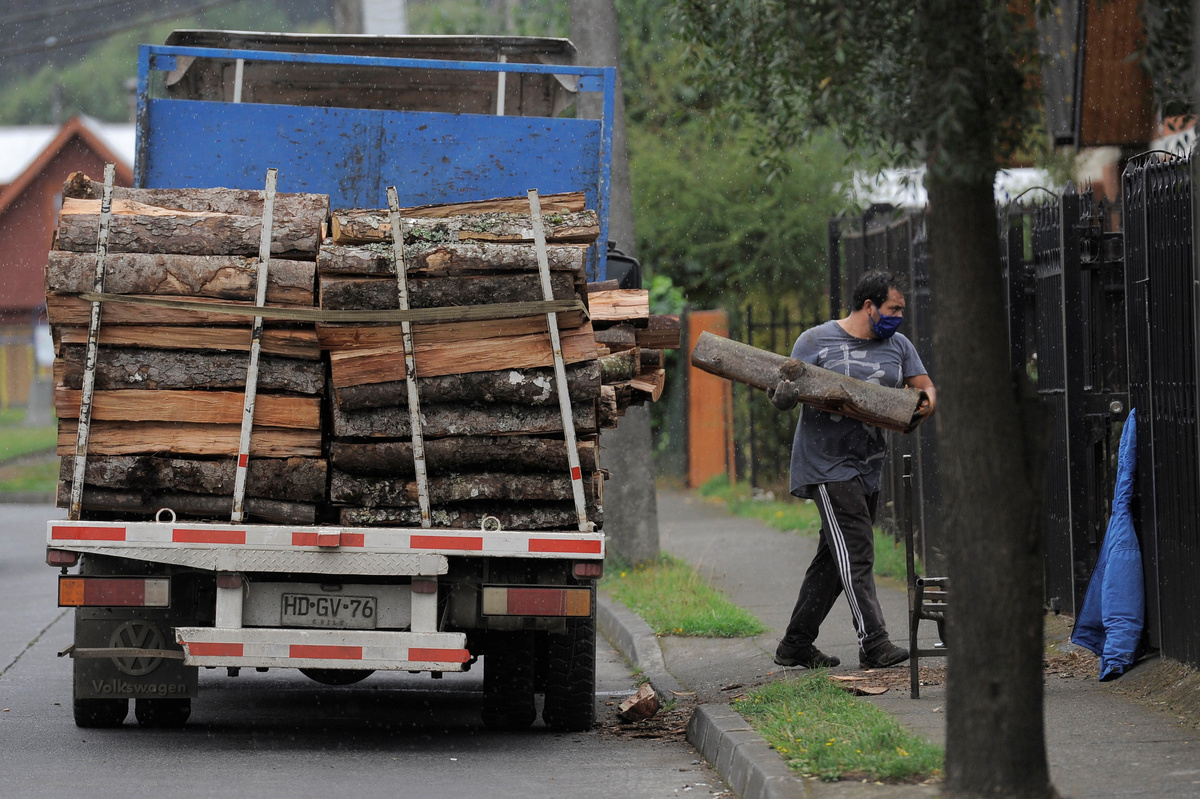
In Chile, with people confined to their homes due to self-isolation measures, and with temperatures plummeting, the use of cheap firewood for heating - one of the biggest causes of winter pollution - is likely to spike.
People living in areas with high levels of air pollution from harmful fine particles have a higher risk of dying from COVID-19, the respiratory disease caused by the coronavirus, a study by Harvard University published this month found.
Another study published this month, from Martin Luther University Halle-Wittenberg in Germany, showed that 78% of deaths from COVID-19 across France, Spain, Germany and Italy occurred in the five areas most polluted by nitrogen oxide, primarily from vehicle and power plant fossil fuel emissions.
Chile, one of South America's most developed countries, has won praise globally for its handling of the coronavirus outbreak, with extensive testing, early school and business shutdowns, and rolling quarantines.
It has reported over 14,000 cases and over 200 deaths. Last week, President Sebastian Pinera talked about restarting schools, reopening malls, rescheduling surgeries and sending public officials back to work to head off an economic crisis.
But there are fears that as the virus spreads from affluent neighborhoods - where residents brought it back from foreign holidays - to poorer, more crowded, and polluted areas, cases could rise rapidly and public hospitals already under pressure in winter could struggle.
Chile's majestic mountain ranges trap contaminants, making the country home to eight of the continent's 10 most polluted cities, according to the 2019 World Air Quality Report.
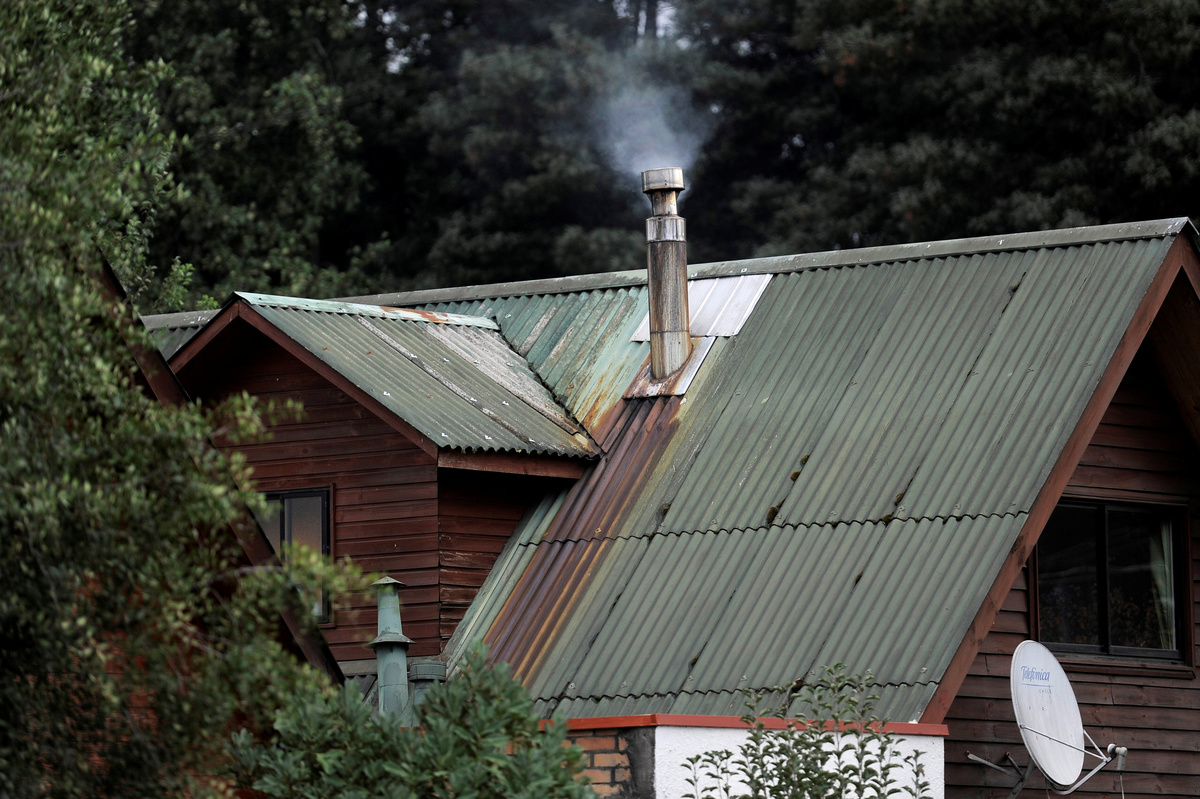
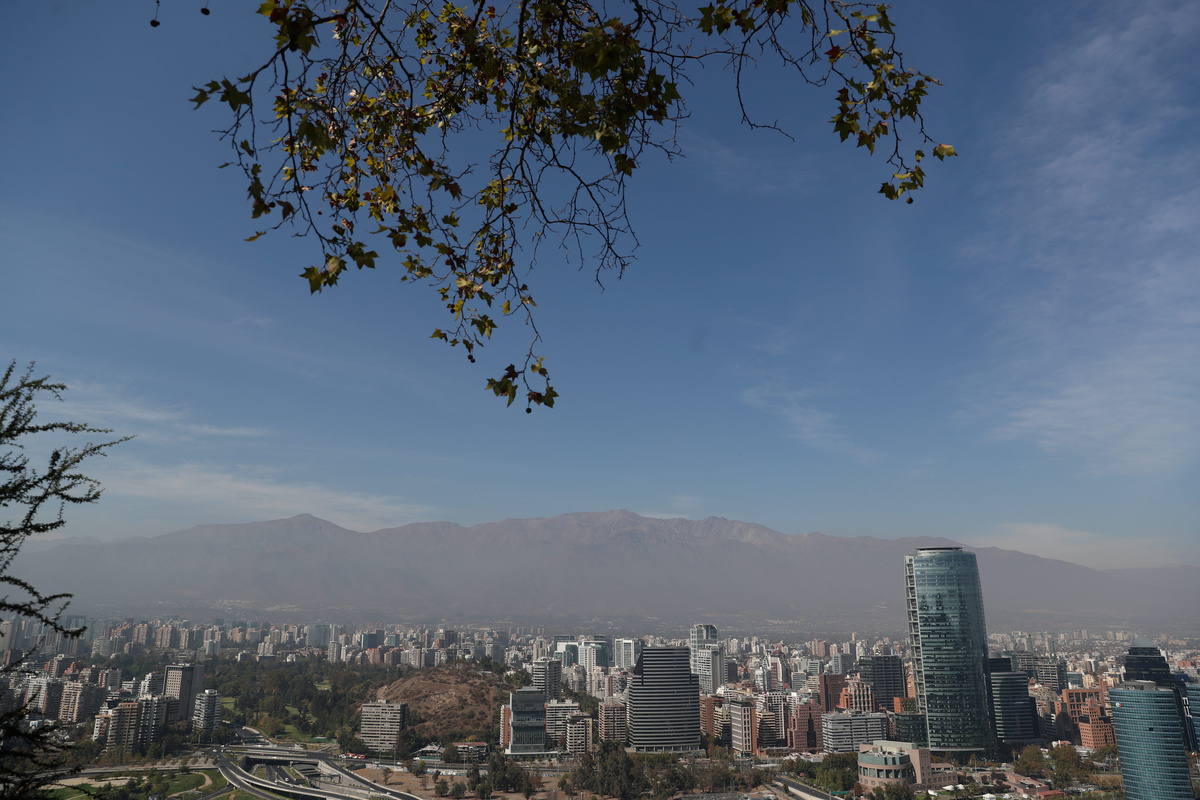
A drop in traffic has cleared the capital Santiago's notoriously smoggy skies but in the south more than 95% of pollution is caused by wood burning for heating, the environment ministry says.
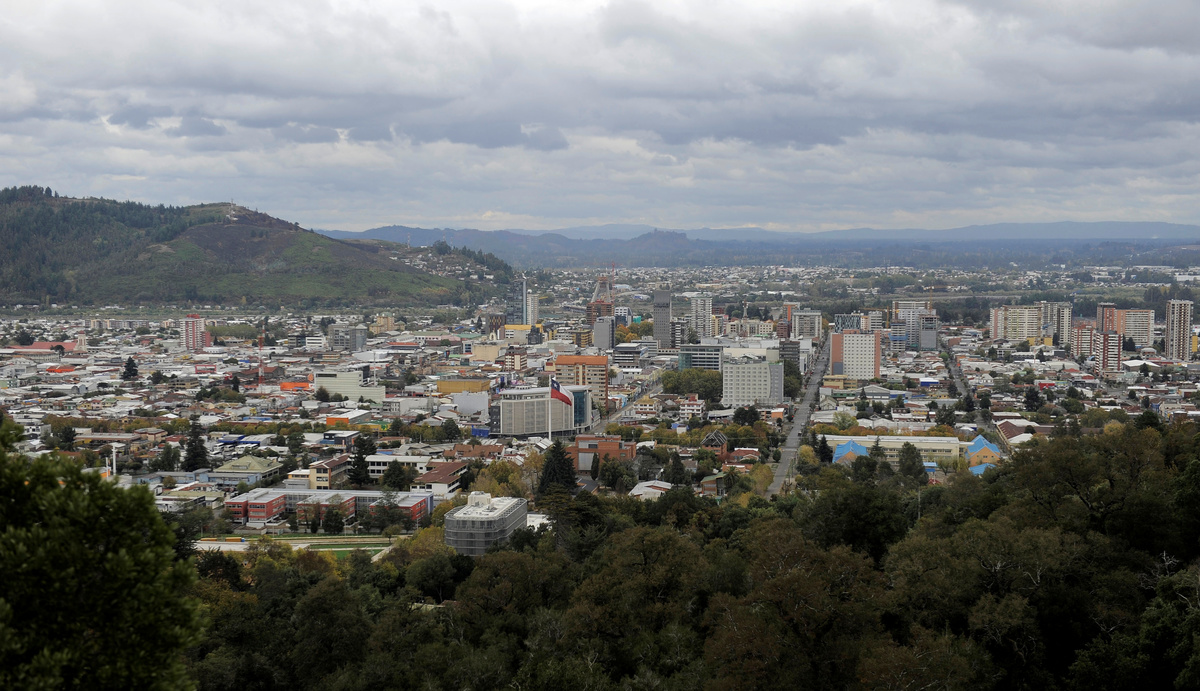
Two badly polluted cities, Padre Las Casas and Temuco, are in the Araucania region, 450 miles (720 km) south of Santiago, which has the second-highest rate of coronavirus cases after the Metropolitan Region around Santiago, health ministry figures show.
Its fatality rate is already 2.6%, compared to Santiago's 1.2%, according to the figures. The Araucania is home to many of Chile's indigenous Mapuche and has relatively high levels of poverty.
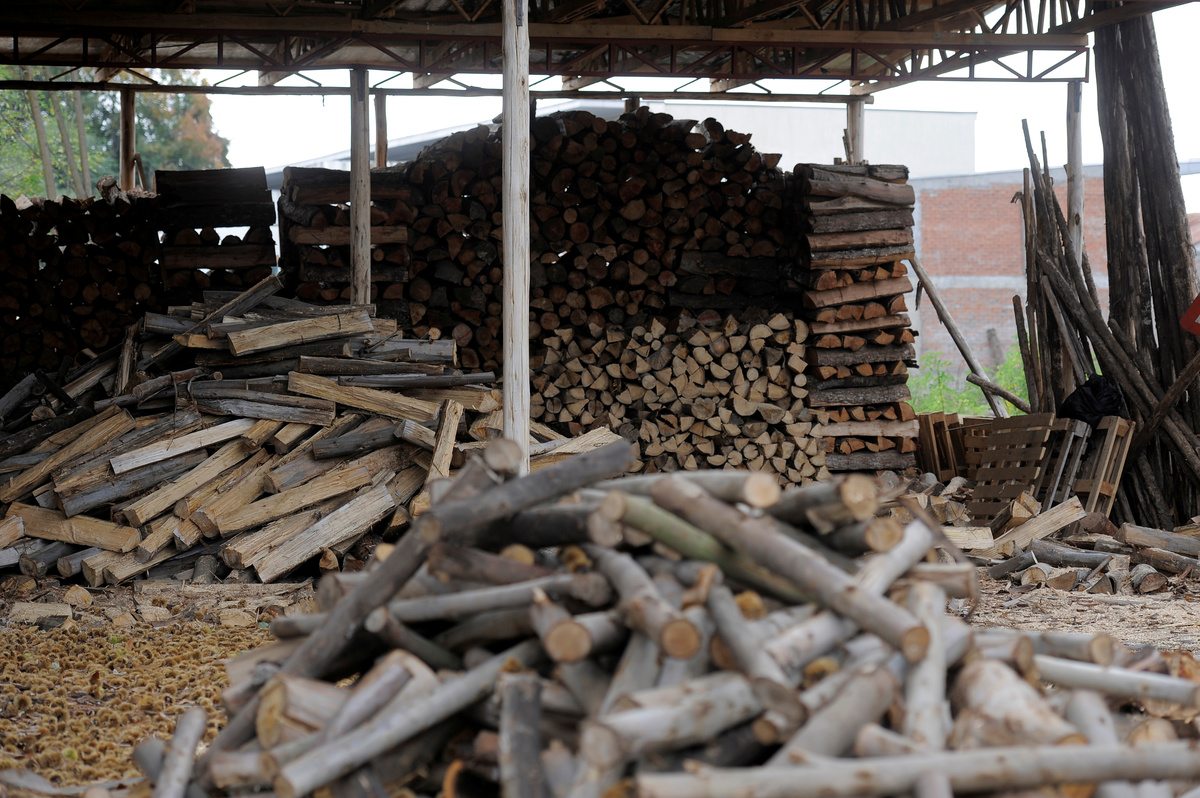
Dr. Luis Diaz-Robles, one of the country's foremost pollution experts, based at the University of Santiago de Chile, said with more people sealed in their homes in isolation, with many having lost their jobs, and with a particularly cold winter forecast, the use of wood as cheap fuel would likely increase.
"You're therefore looking at a perfect storm," he said.
COLD OR COVID?
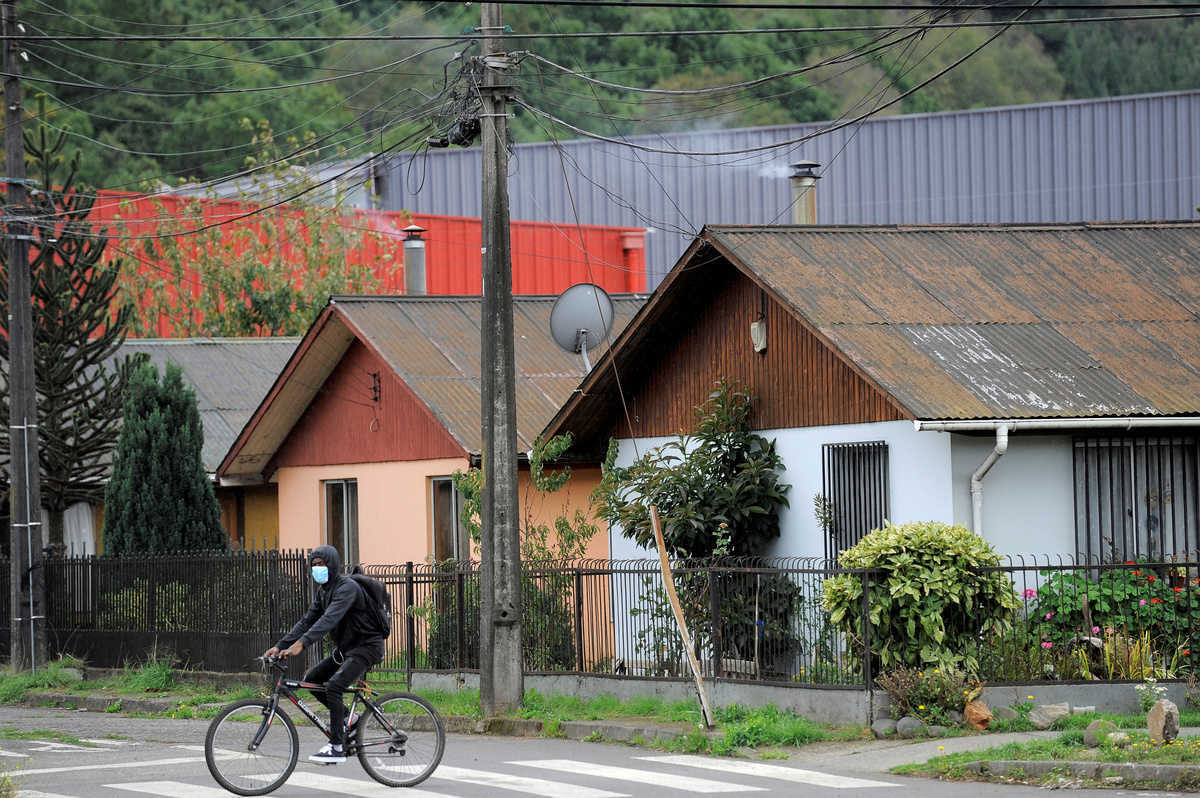
In the past six years, tighter measures have come into force to restrict or, on some days, ban wood burning, alongside a government-sponsored program to convert home heaters to cleaner fuels.
Air quality experts, medics and local leaders have called on the government to escalate air pollution mitigation efforts with the arrival of the coronavirus, although no measures have so far been announced.
An Environment Ministry spokesman did not return a Reuters request for comment.
Marcelo Fernandez, the ministry's air quality chief, told a government gazette this month it would strictly enforce the existing rules to prevent pollution spikes.
But pollution mitigation spending should be considered "essential," said Marcelo Mena-Carrasco, environment minister under former President Michelle Bachelet.
"We should be very concerned about this," he told Reuters. "The Harvard paper shows every microgram per cubic meter of particulate matter causes a 15% increase in COVID-19 death rates.
"If we extrapolate those numbers to Chile, bearing in mind that many of our cities have double the concentration looked at in that study, we could see some sharp rises."
However, banning the use of firewood without something being offered in its place could also cause problems, said health experts.
Dr. Mauricio Ilabaca, head of the National College of Surgeons' team looking at the problem, said cold would kill faster than pollution and, combined with the virus, could lead to a collapse in the hospital system.
Other countries in the region could also be affected, said Mena-Carrasco. "This increased mortality from the coronavirus associated with air pollution is something we can foresee in the Latin American region at large," he said.
Realtime air quality data published by Switzerland-based IQAir showed cities including Lima, La Paz and Bogota regularly exceed atmospheric levels of fine particles that the Harvard study identified as exacerbating COVID-19 fatalities.
In Temuco, regional council president Alejandro Mondaca said city residents, especially elderly people in often poorly-insulated homes, were scared about the growing reports of "a bad mix" of pollution and COVID-19, but also angry at the renewed prospect of being told to put out their fires between 7pm and 7am.
He wants the government to speed up heater conversions and do so free of charge for the elderly.
"We ask the environmental authorities to put one hand on their hearts and the other in their pockets to help our old people because if not, they're either going to die of cold or of COVID," he said.
(Reporting by Aislinn Laing; Editing by Daniel Flynn and Rosalba O'Brien)



.jpg?w=600)