Average temperatures in eastern and western Japan are expected to record new highs this winter, with most of the nation experiencing warmer weather than usual.
The amount of snow felt in heavy snowfall areas has been much less than the annual average. Various areas have also seen snowfall at record-low levels. The Japan Meteorological Agency has regarded such record-high temperatures and light snowfall as "extreme weather." It will analyze the cause of the weather phenomena.
According to the agency, the average temperature from Dec. 1 to Feb. 27 was 2.2 C higher than normal in eastern Japan and 2 C higher in western Japan. This winter is expected to be the warmest in the nation since statistics began in 1946.
The amount of snowfall is only 7% of the annual average on the Sea of Japan side of northern Honshu. It is expected to be the lowest on record.
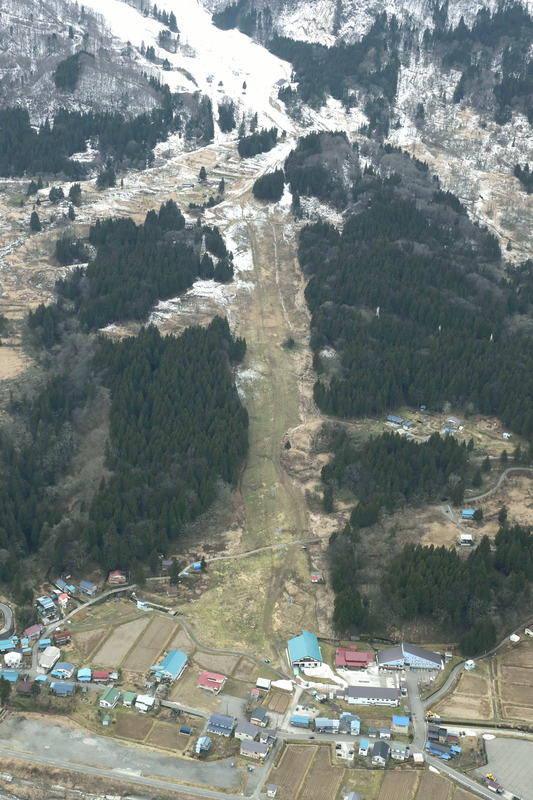
Ski resorts across the country have been hit by the warmer weather, with some unable to open even after the new year due to a serious snow shortage; others were forced to close earlier than usual. The operator of the Karigahara ski resort in Katsuyama, Fukui Prefecture, filed for bankruptcy on Feb. 3 after being unable to open for business this season.
A group of local residents is working on a business transfer for the resort, such as by applying for turnaround support. The residents said they hope to hand the resort over to the next generation, having been familiar with it since their childhoods.
In central Tokyo, the season's first ice was not observed until Feb. 6, the latest since record-keeping started in 1919.
The agency attributed the record-high winter temperatures and light snowfall to the fact that the westerlies flowing around Japan moved northward and prevented cold air from flowing in.
Read more from The Japan News at https://japannews.yomiuri.co.jp/