The 14th match of Serena Williams’ comeback following her 14-month break from tennis will be in the Wimbledon final. The 36-year-old American, who is playing in only her fourth tournament since returning to competition four months ago following the birth of her first child, will take on Angelique Kerber on Saturday in a repeat of their final here in 2016.
After Kerber had beaten Jelena Ostapenko 6-3, 6-3 here on Centre Court in the first of Thursday’s semi-finals, Williams ended any chance of an all-German final when she beat Julia Goerges 6-2, 6-4.
The seven-times champion’s victory was every bit as emphatic as the scoreline suggested. Goerges did not do much wrong, as her tally of 20 winners and just 11 unforced errors underlined, but Williams was superior in every department.
The world No 181, who is guaranteed to return to the top 30 next week and will be in the top 20 again if she wins the title, served beautifully, hit her ground strokes with power and conviction and moved around the court with a fluidity that had been missing in the early days of her comeback.
Winning a place in her 10th Wimbledon final just 10 months after a difficult birth is an extraordinary achievement by Williams. Victory in Saturday’s final would see her equal Margaret Court’s all-time record of 24 Grand Slam singles titles.
“Whatever happens is obviously an incredible effort for me and just good motivation to keep going for the rest of my career,” Williams said after beating Goerges.
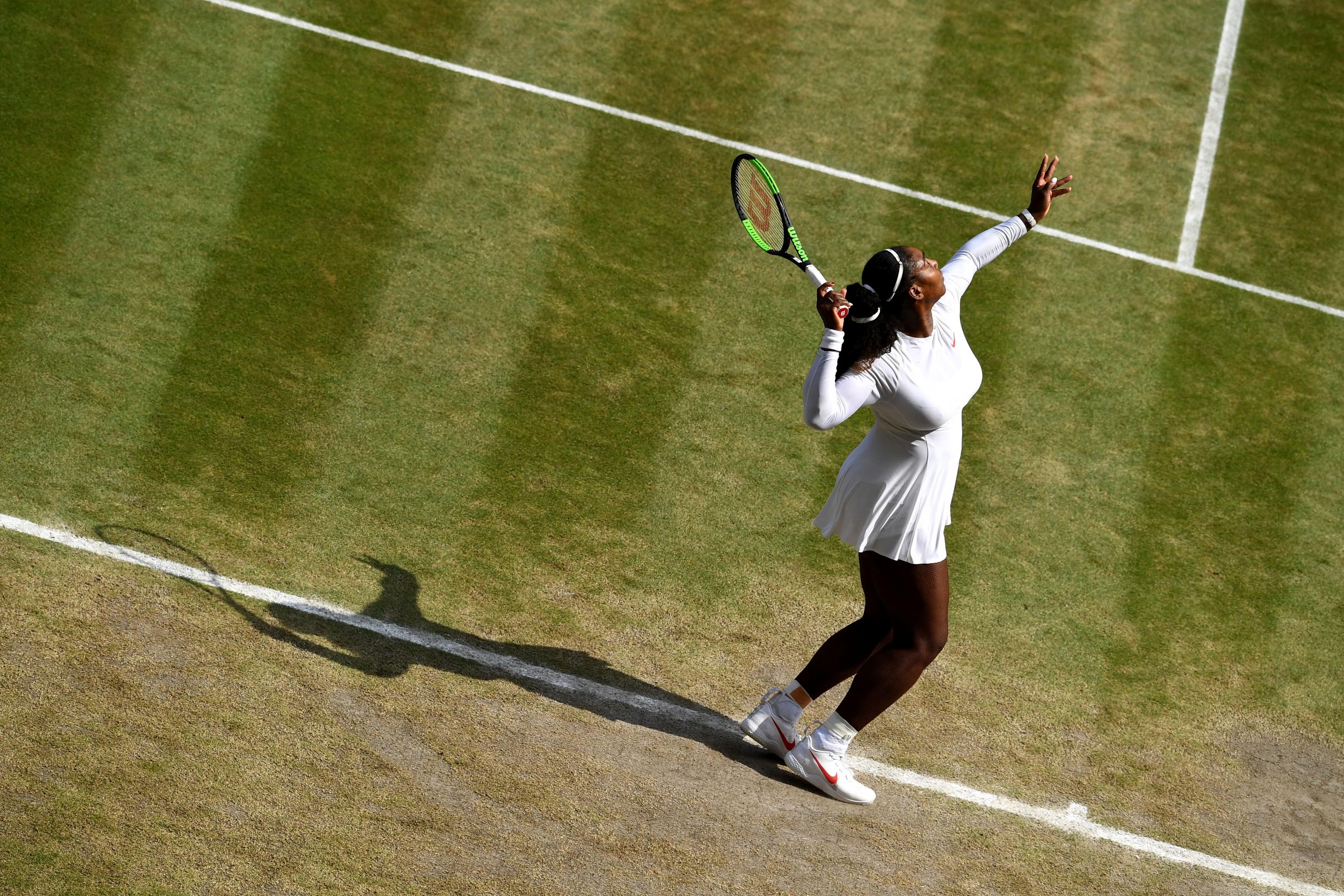
“This was not inevitable for me. I had a really tough delivery [of my baby]. I had to have multiple surgeries. I almost didn’t make it to be honest. I remember I couldn’t even walk to my mail box so it’s definitely not normal for me to be in a Wimbledon final. I’m taking everything as it is and just enjoying every moment.”
She added: “It’s crazy. I don’t even know how to feel. I literally didn’t expect to do this well in my fourth tournament back. I just feel like when I don’t have anything to lose I can play so free. That’s what I’m doing.”
Williams’ semi-final victory over Goerges was every bit as emphatic as her defeat of the 29-year-old German in last month’s French Open.
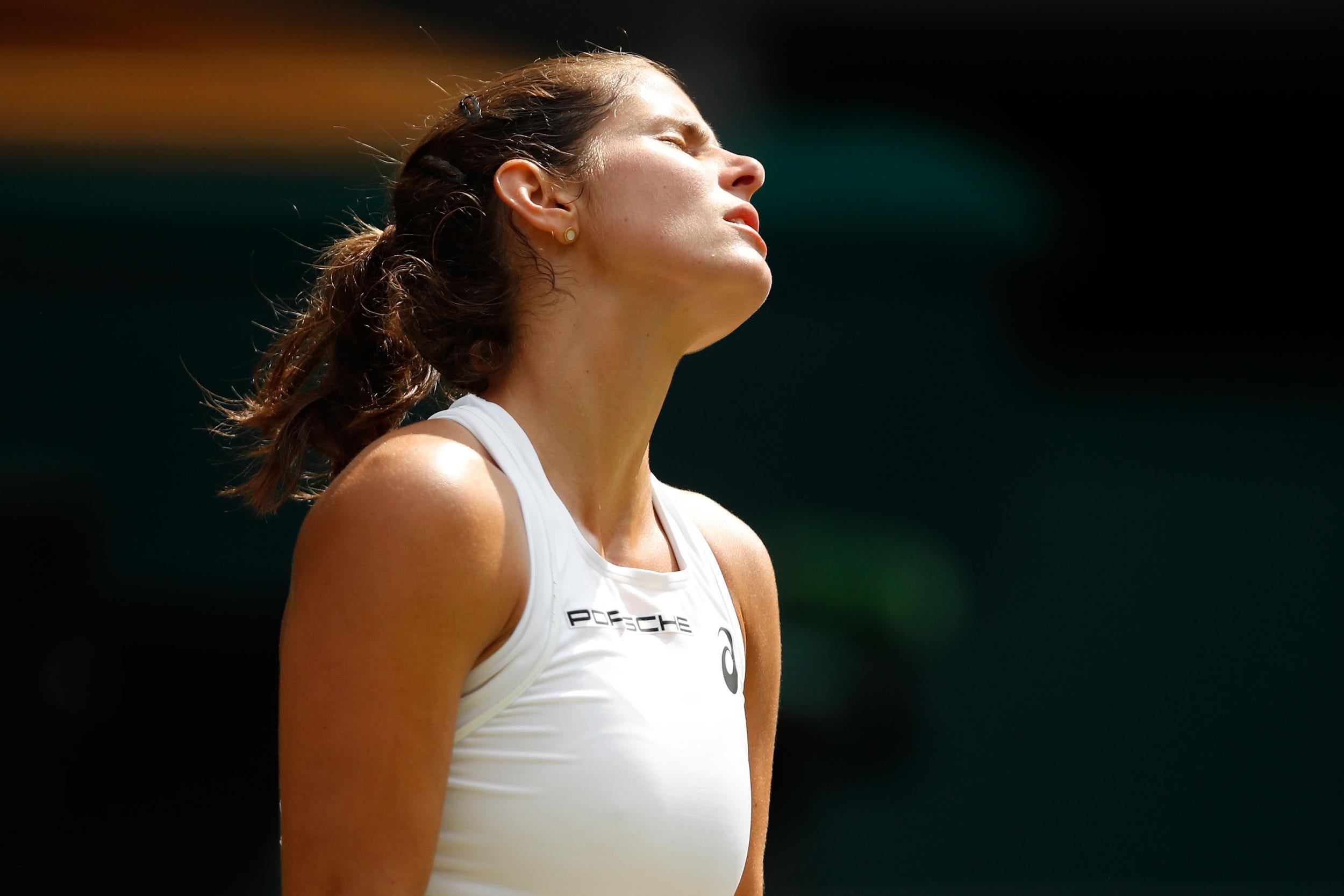
Although Goerges had to work for her semi-final place here – she spent more than 10 hours on court in her five matches, which was two hours more than any of the other semi-finalists – her growing confidence on grass was evident in her victories over Barbora Styrcova, Donna Vekic and Kiki Bertens.
Goerges had never gone beyond the third round in her 10 previous appearances here, but has made big improvements to her grass-court game since bringing David Prinosil, a former top 30 player, into her entourage to help her on the surface. Prinosil convinced Goerges that her big serve and ground strokes were made for grass and helped her to adjust her game to take full advantage of them.
The world No 13 has hit more aces in this tournament than any other player in the women’s draw – 47 to Williams’ total of 44 – but the American made regular inroads into her service games.
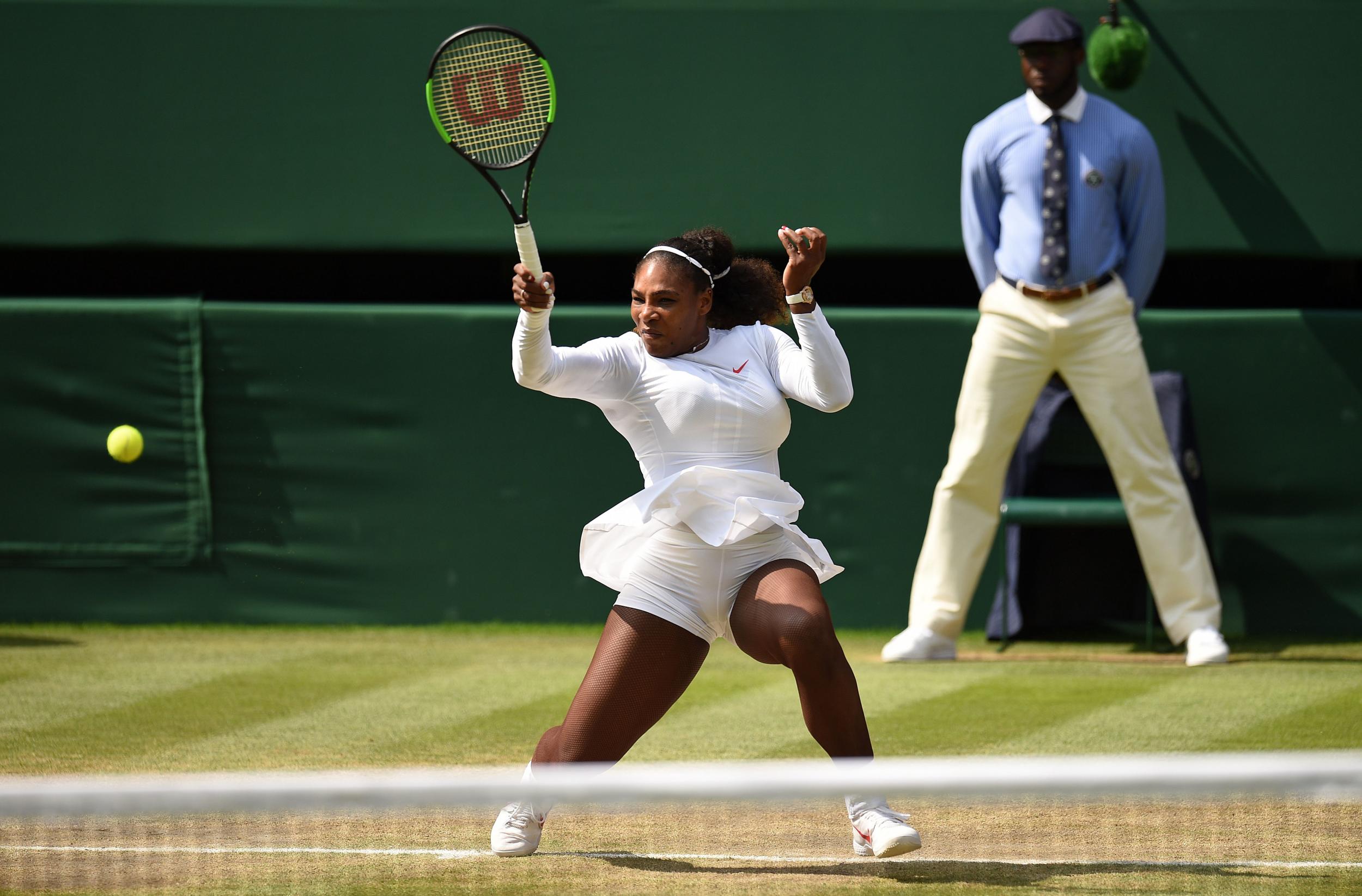
Goerges saved a break point in her first service game with a forehand cross-court winner and gave as good as she got in the first half of the opening set. At 2-3, however, Williams broke serve for the first time, winning the last two points after beautifully constructed rallies which put her opponent under increasing pressure.
When Goerges served to stay in the set at 2-5 the German went 0-40 down with a double fault and then lost the first set point when she missed a forehand.
Goerges made a decent enough start to the second set, but at 2-3 she faltered once again. Having gone 30-40 down after Williams hit a backhand winner down the line, the German put an attempted drop shot into the net. It was not the best choice of shot, but you had sympathy for her attempt to try something different.
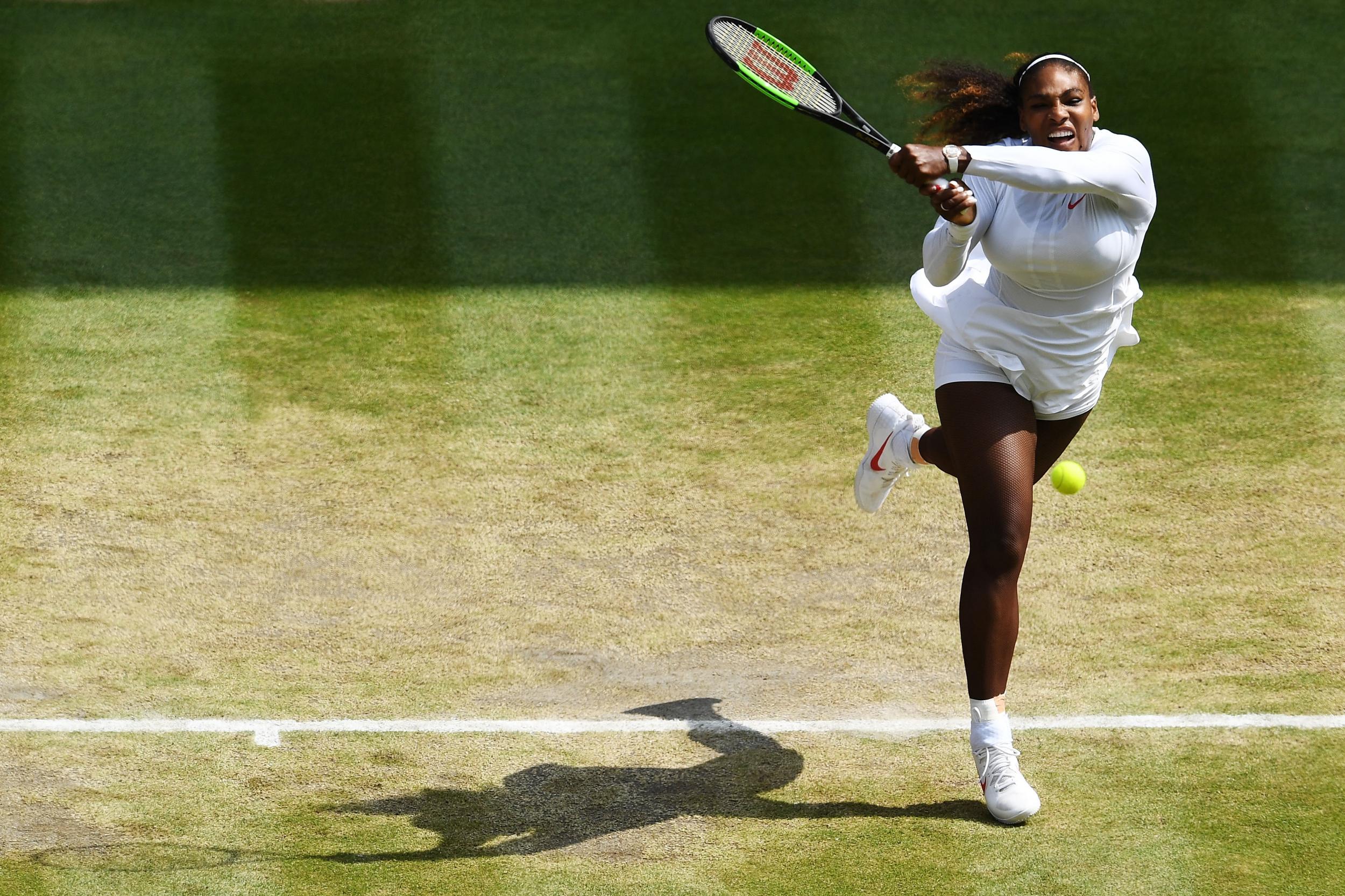
Williams served for the match at 5-3, only to drop serve for the first time. Having gone 0-40 down she saved two break points, the second of them with her fastest serve of the match at 119mph, only for Goerges to convert the third of them with a thumping forehand return.
The Centre Court crowd, no doubt hoping for more entertainment, roared their approval, but Williams was not to be denied. When Goerges served to stay in the set she went 0-30 down with two forehand errors, double-faulted to go match point down and then hit a lob beyond the baseline.
Williams beat Kerber in straight sets in the 2016 Wimbledon final, which was their last meeting, but the German beat her in the final of that year’s Australian Open to claim her first Grand Slam title. Williams has won six of their eight meetings, but will be taking nothing for granted.
“She’s clearly a really good grass-court player,” Williams said. “She’s been going really well in the draw. I’ve been watching her matches. I love watching her play.