It was just under two years ago when Sir Keir Starmer brought a triumphant Labour Party back into Downing Street after more than a decade of Conservative power.
But now the embattled prime minister is facing a very different reality from that of July 2024.
Instead of hope and promise of a fresh start for the UK, Sir Keir’s position is looking increasingly precarious just 22 months on.
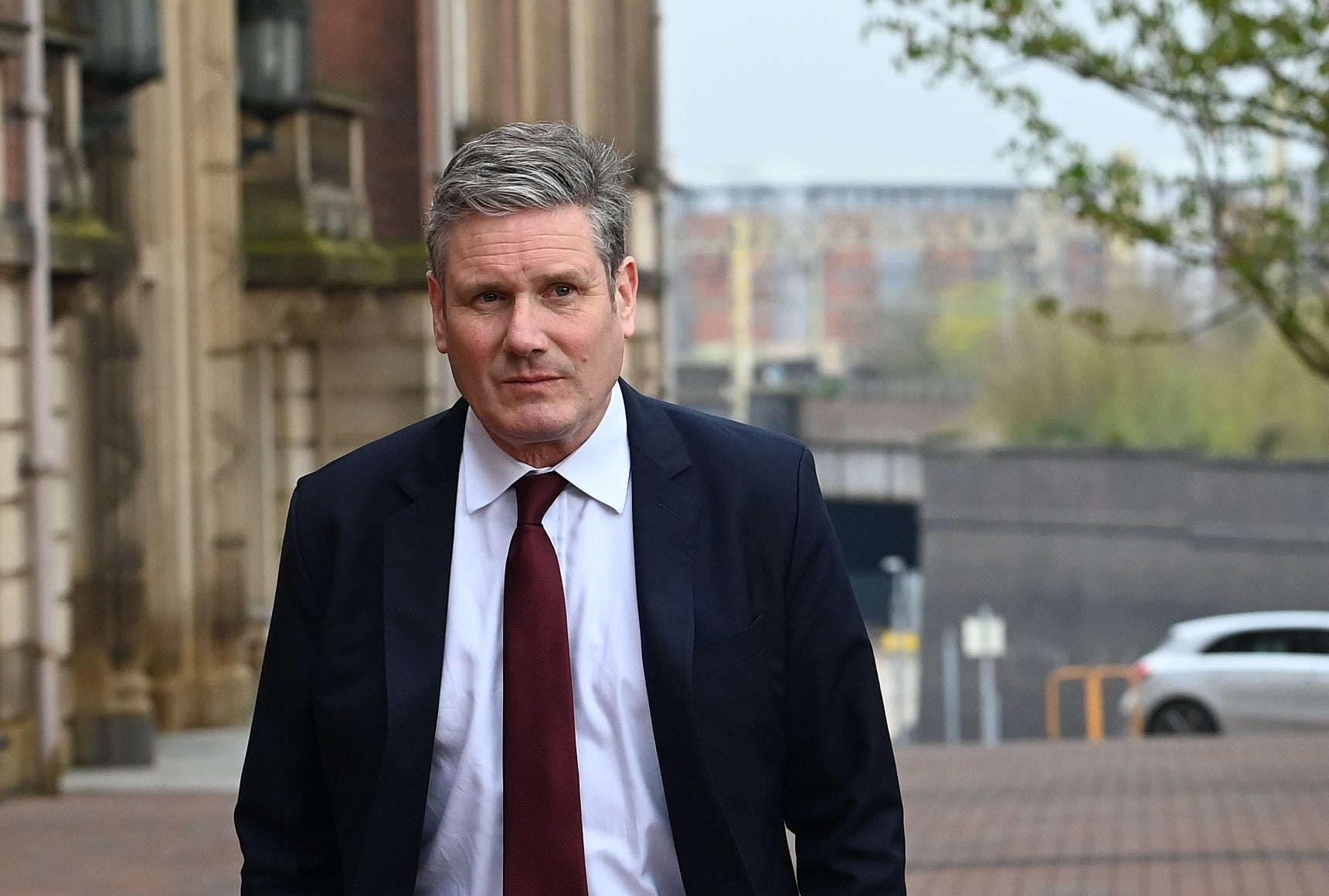
This week, four government aides resigned, and more than 60 backbench MPs called for him to quit over Labour’s disastrous local election results.
Here, we take a look at some of the key issues and controversies that Sir Keir has faced during his time in the top job.
2024
July 5:
Sir Keir becomes prime minister as the Labour Party wins a huge majority with more than 400 seats at the general election.
July:
Seven Labour MPs are suspended for backing an SNP motion to abolish the welfare limit, defying the government over the King’s Speech that sets out its legislative agenda.
July 29:
Chancellor Rachel Reeves announces plans to means-test the winter fuel payment, meaning it would be cut for many pensioners.
July-August:
Rioting breaks out across the country after three girls are killed at a Taylor Swift-themed dance class in Southport.
August-September:
A row erupts over Sir Keir and other Cabinet ministers accepting gifts from wealthy donors. The prime minister, his deputy Angela Rayner and Ms Reeves stopped accepting clothing donations in response, and Sir Keir later tweaked the rules on ministers accepting gifts and hospitality.
October:
Downing Street chief of staff Sue Gray quits after weeks of reports of infighting in Number 10 and headlines about “partygate” report author Ms Gray’s salary.
October 30:
In her first autumn budget, Ms Reeves announces £40bn a year in extra taxes as well as plans to raise the rate of employers’ national insurance contributions (NIC) and reduce inheritance tax relief for farmers.
November 29:
Transport secretary Louise Haigh quits her Cabinet role after it emerged that she had pleaded guilty to a criminal offence related to incorrectly telling police that a work mobile phone was stolen in 2013.
December:
Labour grandee Lord Mandelson is appointed to the UK’s top diplomatic post in the US as the ambassador in Washington.
2025
January:
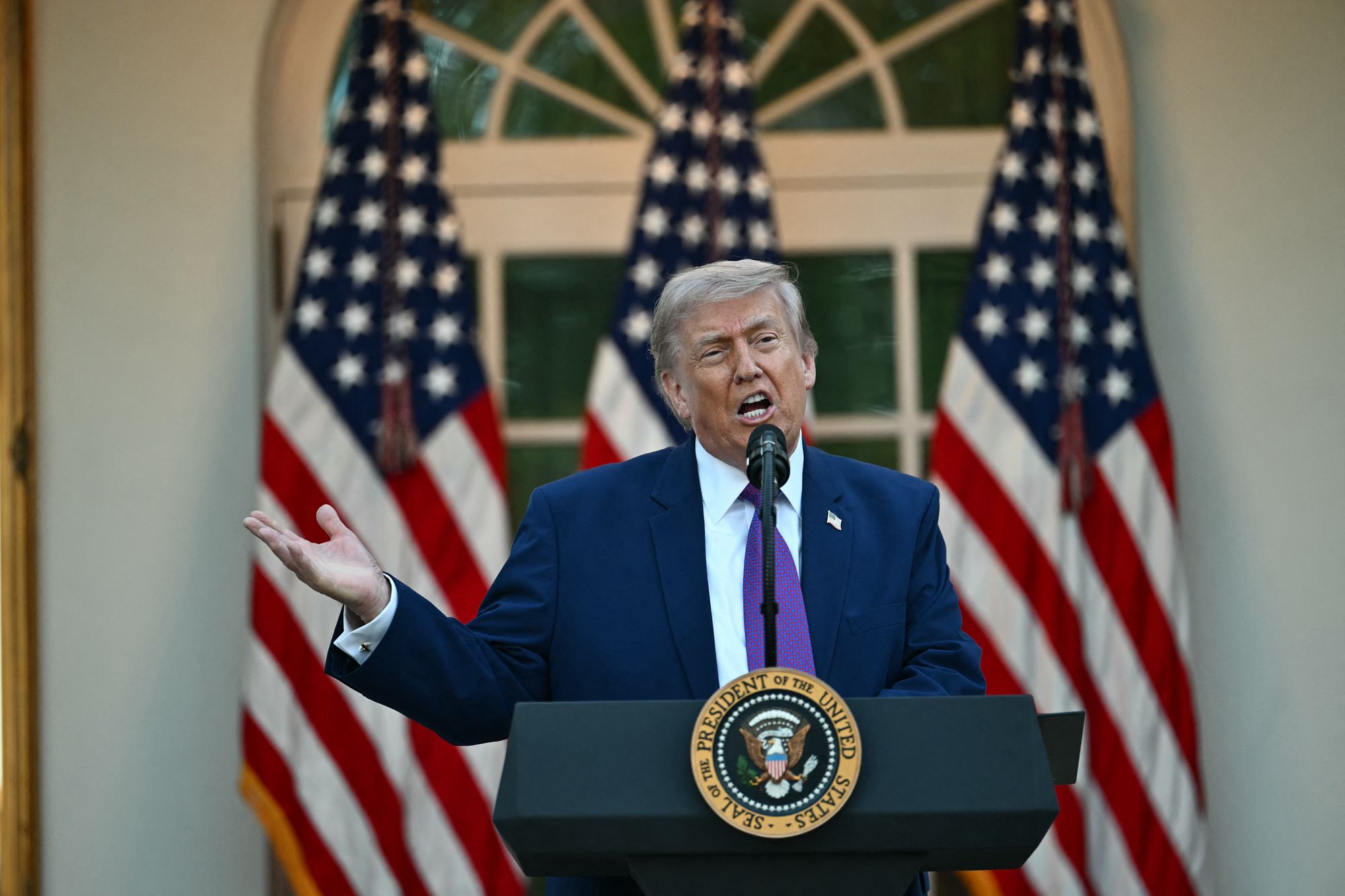
Donald Trump enters the White House after being inaugurated as US president. Elon Musk, the billionaire and Trump adviser, starts a war of words with the UK government over the grooming gangs scandal.
February 25:
The prime minister commits to increasing defence spending to 2.5 per cent of GDP by 2027, with a view to it hitting 3 per cent in the next parliament.
February 27:
Sir Keir meets Mr Trump at the White House and hands him an invitation for a second state visit.
February 28:
Anneliese Dodds quits as international development minister over the government’s decision to cut overseas aid to fund a boost to defence spending.
February-March:
Following a tempestuous exchange with Mr Trump in the White House, Volodymyr Zelensky arrives in London for a summit at Lancaster House. Sir Keir leads efforts during the gathering of mainly European leaders to establish a peacekeeping force aimed at deterring Russia in the event an end to the Ukraine war is agreed.
April:
Ministers take control of British Steel from its Chinese owner after passing emergency legislation through parliament at a weekend, with the aim of preserving virgin steel-making in the UK. The steel industry is however hit by the threat of tariffs from Mr Trump.
May 1:
Local elections in England see Labour perform poorly and Reform UK hoover up council seats across the country, as well as gaining a fifth MP in the Runcorn and Helsby by-election, a seat previously held by Labour MP Mike Amesbury, who quit after a conviction for punching a constituent.
May 12:
Sir Keir delivers a speech on immigration and says the UK risks becoming an “island of strangers”, a phrase that he later said he regretted after it drew comparisons to the language of Enoch Powell.
May 19:
Post-Brexit EU “reset” deal reached over issues including defence, food and passport checks.
May 21:
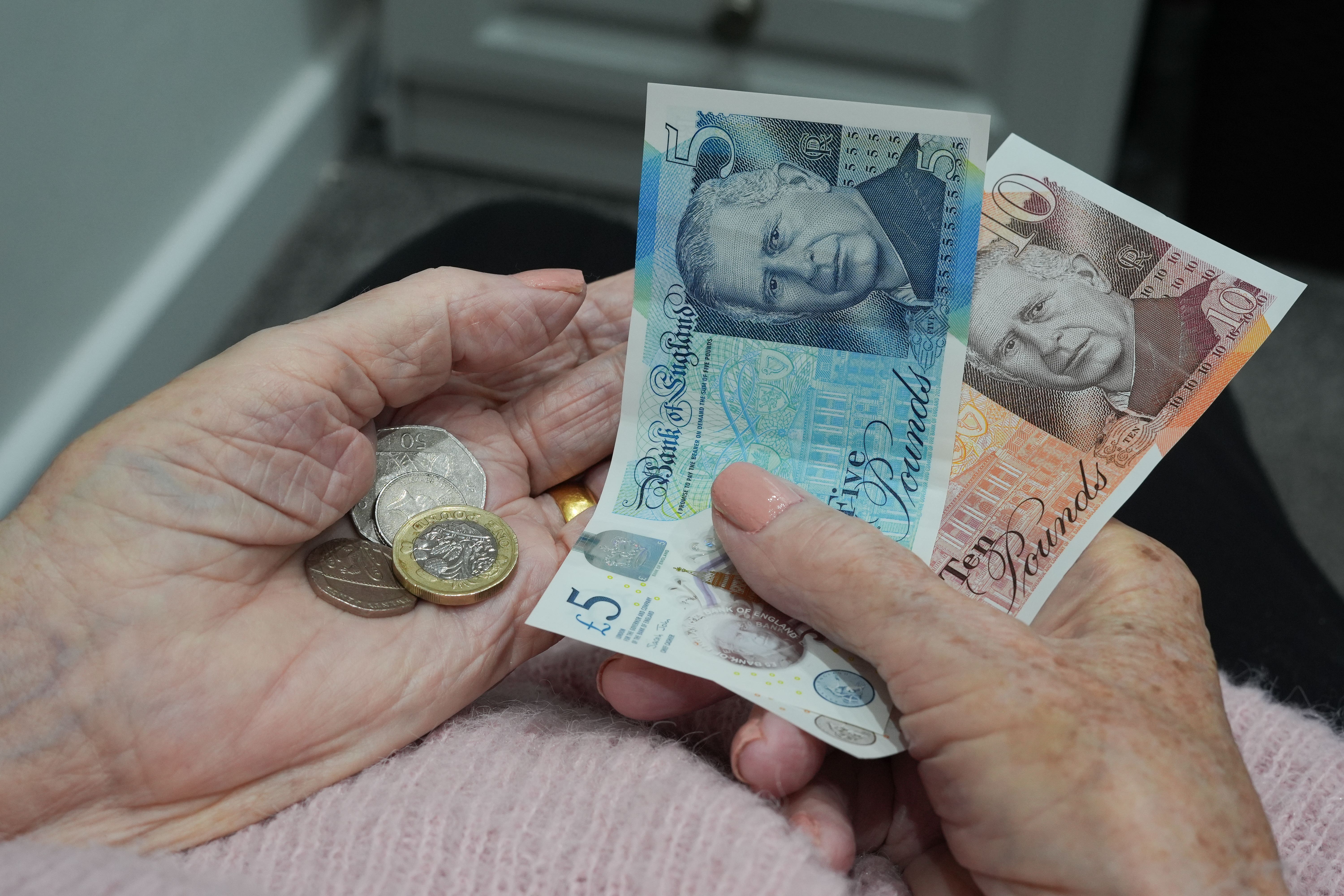
Sir Keir announces a partial U-turn on winter fuel payments, which will see the benefit paid to pensioners receiving up to £35,000 per year at a cost of around £1.25bn to the Treasury.
May 22:
A deal is signed to hand back the Chagos Islands to Mauritius.
June 11:
Ms Reeves delivers her spending review, which Labour says marks the end of the first phase of government to stabilise the economy.
June:
Sir Keir confirms he will launch a statutory inquiry into the grooming gangs scandal after resisting pressure for months to implement a full national probe.
June 17:
The PM and Mr Trump confirm a trade deal between the UK and US has been completed. It removes the threat of US tariffs on British cars and planes, but a deal is not yet reached on steel imports.
June 27:
No 10 announces concessions on welfare reform after more than 100 Labour MPs sign an amendment to halt the Bill’s progress in the Commons.
July 1:
Sir Keir suffers the biggest rebellion of his premiership so far, with 49 Labour MPs voting against his welfare proposals despite last-minute concessions.
September:
Angela Rayner resigns as deputy prime minister and deputy Labour Party leader after underpaying tax on a flat in Hove. The move sparks a Cabinet reshuffle.
September:
Sir Keir sacks Lord Mandelson as ambassador to the US over his links to paedophile financier Jeffrey Epstein after email exchanges between the two are published.
September:
The Labour Party conference is dominated by reports that Greater Manchester mayor Andy Burnham is seeking to mount a leadership challenge to Sir Keir.
November 26:
Ms Reeves delivers her second budget, confirming that the two-child benefit cap would be scrapped amid mounting pressure to take the decision.
She also abandoned a plan to raise income tax and extended a freeze on thresholds instead, which, with previous extensions, means millions faced being dragged into paying higher rates.
December 23:
In a climbdown after months of protests, the government said it would raise the inheritance tax relief threshold for farmers from £1m to £2.5m.
2026

January 13:
The latest in a series of U-turns as the government rowed back on its flagship policy of mandatory digital ID, suggesting it would no longer be required to prove someone has the right to work in the UK.
January 21:
Mr Trump’s wish to annex Greenland caused a divide between America and its traditional European allies, including the UK. Mr Trump ultimately dropped his tariff threats, but Sir Keir was accused by Green Party leader Zack Polanski of being “completely subservient” to the US president.
January 22:
Gorton and Denton Labour MP Andrew Gwynne resigned, citing health reasons. His exit, which sparks a by-election scheduled for 26 February, was thought to pave the way for Mr Burnham to return to parliament but he was later denied permission to stand for the party.
February:
Anger in Westminster intensified after the latest release of documents in the so-called Epstein files indicated Lord Mandelson leaked market-sensitive information to his friend while he was a government minister.
Sir Keir said he was “sorry for having believed Mandelson’s lies and appointed him” British ambassador to Washington and insisted that “none of us knew the depth of the darkness” of Lord Mandelson’s relationship with the convicted sex offender when he was picked for the role.
February 8:
The prime minister’s chief of staff Morgan McSweeney quits in the wake of the Lord Mandelson row.
February 9:
Sir Keir’s communications chief Tim Allan resigns. Scottish Labour leader Anas Sarwar called on the prime minister to quit, saying that the “distraction needs to end and the leadership in Downing Street needs to change”, as the chancellor continued to back Sir Keir.
February 10:
The prime minister’s former communications chief Lord Matthew Doyle apologises for his past association with a paedophile councillor and says he will not be taking the Labour whip.
February 16:
The government abandons plans to postpone elections across 30 councils after receiving advice from lawyers.
February 18:
Mr Trump tells Sir Keir he is “making a big mistake” by signing over the Chagos Islands to Mauritius.
February 23:
Lord Mandelson is arrested on suspicion of misconduct in public office.
February 27:
The Green Party wins in the Gorton and Denton by-election – with Labour languishing in third behind Reform UK.
February 28:
The US and Israel launch strikes on Iran, prompting a retaliation that resulted in missiles being fired across the Middle East. Sir Keir confirms the UK was not involved in the strikes.
March 1:
The UK agrees for the US to use military bases to strike Iranian missile sites, but Sir Keir reiterates he would not be drawn into joining “offensive action”.
March 2:
A Royal Air Force airfield is struck by an Iranian drone in Cyprus.
March 2:
Mr Trump says he is “very disappointed” Sir Keir initially blocked the US from using military bases, adding that he took “far too long” to change his mind.
March 3:
The US president says he is “not happy” with the prime minister, saying he is “not Winston Churchill”.
March 11:
The first tranche of documents related to the appointment of Lord Mandelson as the UK’s ambassador to the US shows Sir Keir was warned of the “reputational risk”.
March 15:
Sir Keir does not heed calls from Mr Trump to deploy warships to secure the Strait of Hormuz, a key oil trade route in the Middle East being blockaded by Iran.
March 23:
Four Jewish community ambulances are set on fire in what Sir Keir describes as a “deeply shocking antisemitic arson attack”.
April 15:
The prime minister tells MPs he is “not going to yield” to the US president over the Iran war after Mr Trump threatens to change the terms of the UK-US trade deal.
April 16:
Sir Keir is accused of misleading the Commons after it emerges Lord Mandelson failed security vetting. He says he was not aware the Foreign Office overruled the vetting process until shortly before it was made public.
April 20:
The PM announces senior judge Sir Adrian Fulford, the chair of the Southport Inquiry, will lead a review into government security vetting following revelations about Lord Mandelson.
April 28:
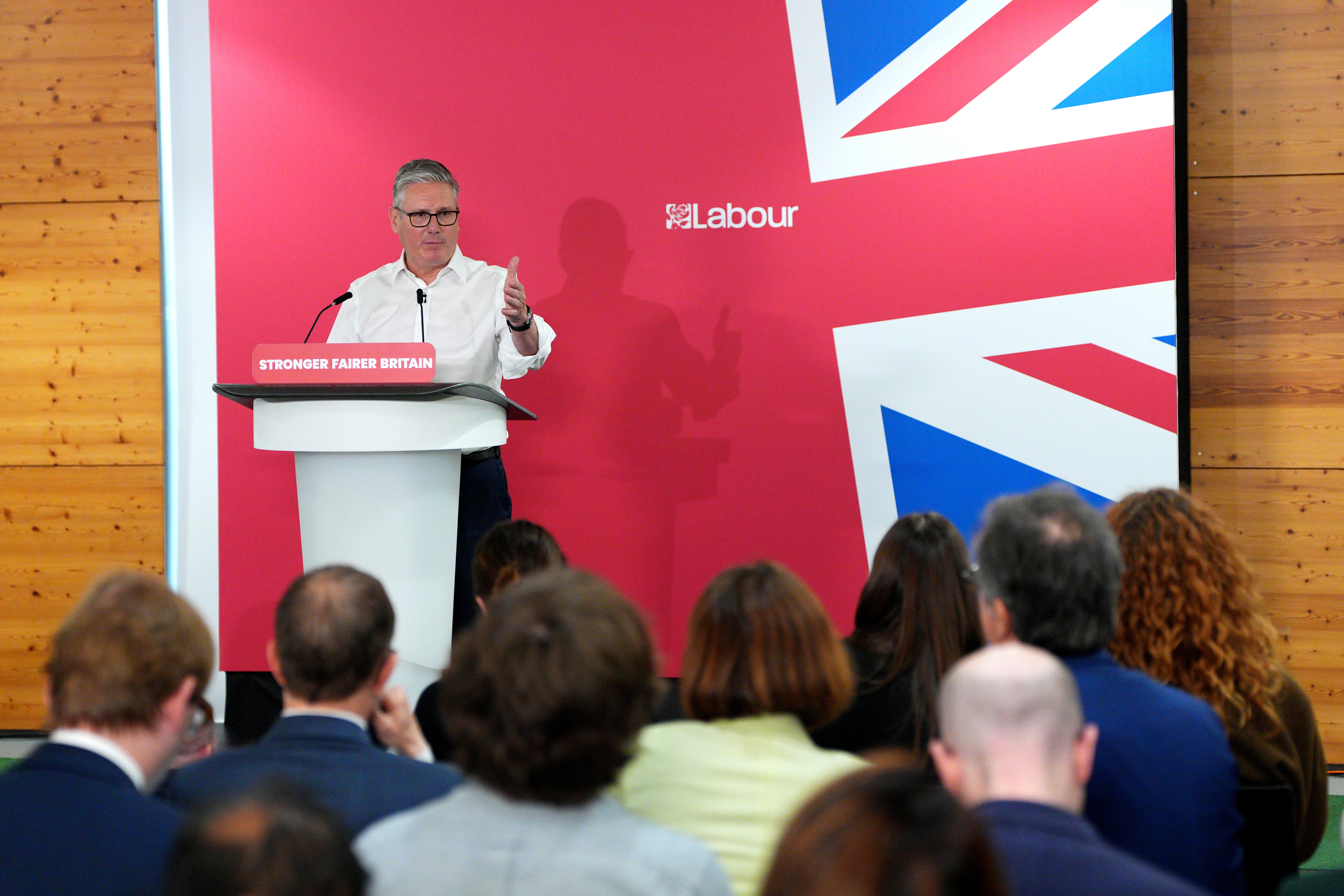
MPs vote against launching an investigation into whether Sir Keir misled parliament over the appointment of Lord Mandelson.
April 29:
The stabbing of two Jewish men in Golders Green Road, north London, is declared a terrorist attack and Sir Keir is heckled when he visits the area the following day.
May:
Labour suffers huge losses in the local elections, with Sir Keir saying he takes responsibility for the “tough” results.
May 8:
Outgoing Welsh first minister Eluned Morgan says election results shows “we need the Labour government nationally to change course” in a criticism of the prime minister.
May 10:
Former minister Catherine West declares her intention to launch an unlikely leadership bid.
May 11:
A number of government aides resign and more than 60 backbench MPs call on Sir Keir to quit following Labour’s local election defeats.
Starmer latest: Defiant PM tells cabinet ‘I will not quit’ amid calls for resignation
Trump tears into enemies and grievances from Obama to ‘stolen’ election
The timing of the coup against Starmer helps one candidate – Wes Streeting
Universities in England face ‘real risk’ of closure due to insolvency for first time
UK marks biggest fall in consumer confidence since Ukraine war began, research says
Private jet travel should be limited amid fuel shortage fears, majority of Brits say