Will coronavirus infections slow down as spring arrives in the northern hemisphere? Certainly this is what some political leaders seem to think. Donald Trump told a meeting of the nation’s governors in February that “the heat, generally speaking, kills this kind of virus”. Meanwhile, the UK’s health secretary, Matt Hancock, told ITV that the hope was to slow the spread of the virus so if it does cause a UK epidemic it arrives in spring and summer when coronaviruses are less transmissible.
In the world’s temperate regions seasonal flu and the “common cold” coronaviruses tend to spread more readily in winter. That may be because the air in the colder months is generally drier, both indoors and out, and dry conditions have been shown to favour flu transmission. Our immune systems are, on average, weaker in winter too – possibly due to less sunlight and lower vitamin D levels.
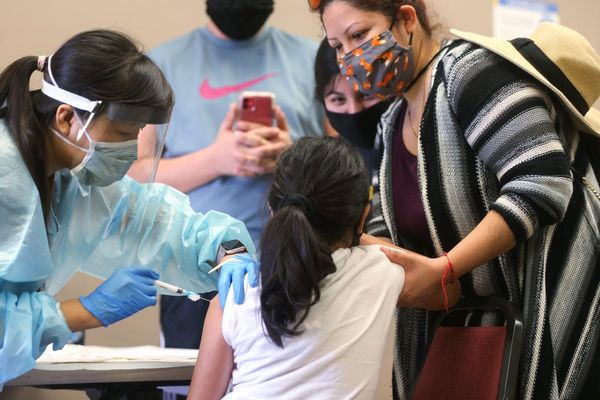
We also tend to spend more time indoors in winter, often in crowded conditions. Schools in particular are hotbeds of infectious disease transmission; the 2009 swine flu pandemic in the US, for example, dipped significantly during the school summer holidays and resurged rapidly when pupils returned to school in September.
What is Covid-19 - the illness that started in Wuhan?
It is caused by a member of the coronavirus family that has never been encountered before. Like other coronaviruses, it has come from animals.
What are the symptoms this coronavirus causes?
The virus can cause pneumonia. Those who have fallen ill are reported to suffer coughs, fever and breathing difficulties. In severe cases there can be organ failure. As this is viral pneumonia, antibiotics are of no use. The antiviral drugs we have against flu will not work. Recovery depends on the strength of the immune system. Many of those who have died were already in poor health.
Should I go to the doctor if I have a cough?
In the UK, the medical advice is that if you have recently travelled from areas affected by coronavirus, you should:
- stay indoors and avoid contact with other people as you would with the flu
- call NHS 111 to inform them of your recent travel to the area
More NHS advice on what to do if you think you have been exposed to the virus can be found here, and the full travel advice to UK nationals is available here.
Is the virus being transmitted from one person to another?
China’s national health commission confirmed human-to-human transmission in January, and there have been such transmissions elsewhere.
How many people have been affected?
As of 9 March, more than 110,000 people have been infected in more than 80 countries, according to the Johns Hopkins University Center for Systems Science and Engineering.
There have over 3,800 deaths globally. Just over 3,000 of those deaths have occurred in mainland China. 62,000 people have recovered from the coronavirus.
Why is this worse than normal influenza, and how worried are the experts?
We don’t yet know how dangerous the new coronavirus is, and we won’t know until more data comes in. Seasonal flu typically has a mortality rate below 1% and is thought to cause about 400,000 deaths each year globally. Sars had a death rate of more than 10%.
Another key unknown is how contagious the coronavirus is. A crucial difference is that unlike flu, there is no vaccine for the new coronavirus, which means it is more difficult for vulnerable members of the population – elderly people or those with existing respiratory or immune problems – to protect themselves. Hand-washing and avoiding other people if you feel unwell are important. One sensible step is to get the flu vaccine, which will reduce the burden on health services if the outbreak turns into a wider epidemic.
Have there been other coronaviruses?
Severe acute respiratory syndrome (Sars) and Middle Eastern respiratory syndrome (Mers) are both caused by coronaviruses that came from animals. In 2002, Sars spread virtually unchecked to 37 countries, causing global panic, infecting more than 8,000 people and killing more than 750. Mers appears to be less easily passed from human to human, but has greater lethality, killing 35% of about 2,500 people who have been infected.
The logic behind political leaders’ thinking is clear, but the novel coronavirus will not necessarily behave in the same way as its more established cousins. One advantage the virus has is that very few of us have encountered it before.
“Old viruses, which have been in the population for longer, operate on a thinner margin – most individuals are immune, and they have to make do with transmitting among the few who aren’t,” writes the Harvard epidemiologist Marc Lipsitch. These viruses tend to surge in winter because that is when conditions are most favourable for transmission.
New viruses do not necessarily need to wait for winter to help them spread. With a large pool of people with no existing immunity, a new virus is more likely to be able to leap from host to host with ease.
Some have pointed to the slowdown of the Sars outbreak in summer 2003 as evidence for the seasonal effect, but Lipsitch says this is a myth. “Sars was killed by extremely intense public health interventions in mainland Chinese cities, Hong Kong, Vietnam, Thailand, Canada and elsewhere. These involved isolating cases, quarantining their contacts, a measure of ‘social distancing’, and other intensive efforts,” he says.
For the new coronavirus it is also likely to be public health interventions rather than warmer weather that slow its spread. Schools are an obvious transmission hub, which is why Italy took the step of closing all of its schools and universities last week.
But if children are not key transmitters, closing schools could be a waste of resources. The latest data from China suggests children are infected at a similar rate to adults, but are less likely to have severe symptoms. However, it is not yet clear if schools were open or closed when the Chinese data was gathered, so for now it is still not clear whether school closures are effective.