SAN JOSE, Calif. _ California's Central Valley and Silicon Valley are less than three hours apart by car, but the small towns and vast stretches of farmland along the middle of the state are a world away from $3,000-per-month studio apartments and jammed freeways.
America's first-ever high-speed rail line would shrink the distance between the two estranged valleys. As soon as 2025, it could connect the nation's breadbasket with its most powerful economic engine, whisking people from the agri-industrial city of Fresno to San Jose in under an hour.
In recent weeks, that vision appeared to be coming together with lightning-like speed _ something considered impossible before June 6.
That's when search giant Google announced plans to build a 20,000-employee campus within easy walking distance of San Jose's downtown Diridon Station, where both bullet and BART trains would stop, raising some tantalizing possibilities:
Will the 220-mph train become a Silicon Valley Express for droves of millennials and others who can barely afford to rent, let alone buy, a Bay Area home? Will high-tech companies begin moving some of their operations to a part of the state where a family can still buy a nice three-bedroom house for $300,000, triggering a monumental population shift in California?
"Why not build new communities, well-designed communities, sustainable communities in the Central Valley?" asked Jim Wunderman, president and CEO of the Bay Area Council, a business-sponsored public policy group. Why not "have more folks live there and have an efficient and pleasant train commute into the Bay Area?"
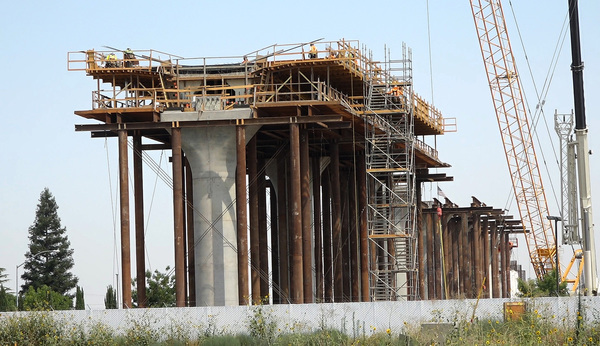
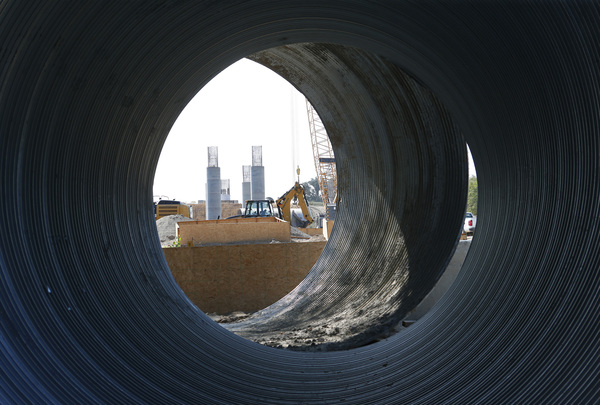
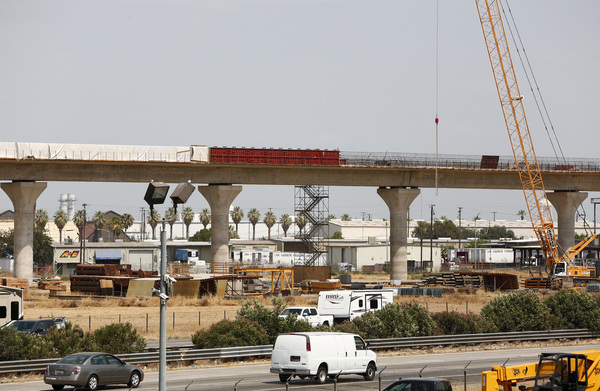
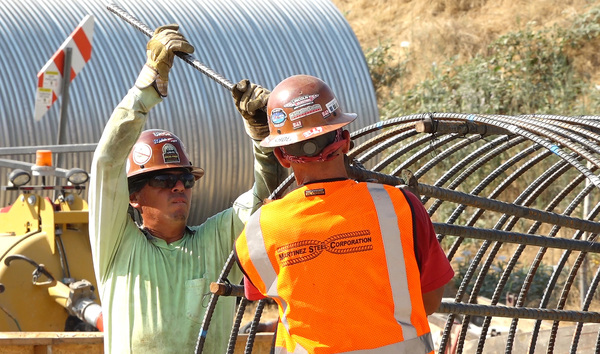
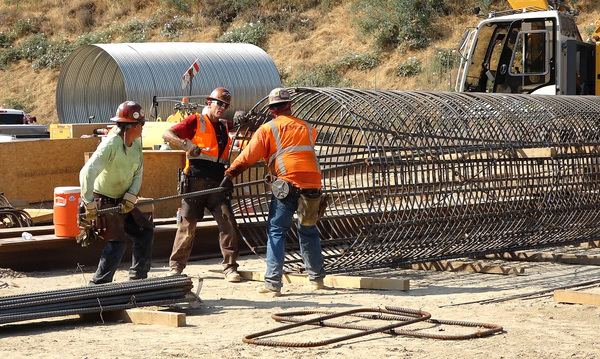
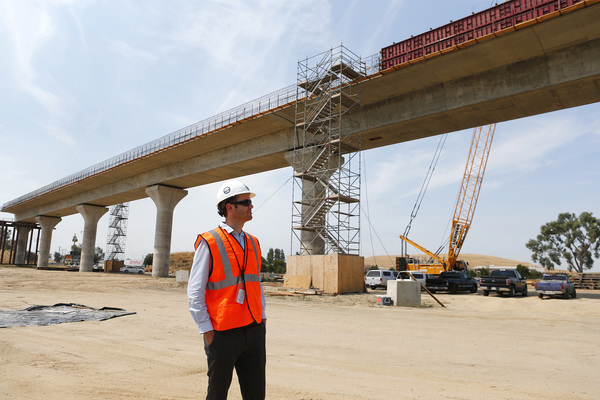
It's still not a sure thing the train will ever reach San Jose. The state has raised just $12.2 billion _ mostly from a voter-approved bond _ for the $20.7 billion "valley to valley" section connecting Fresno to Gilroy and San Jose. And proceeds from California's cap-and-trade auctions are the only other major source of funding for the project. But construction has already started in the San Joaquin Valley, and the train is becoming more real by the day.
Estimated fares _ up to $63 between Fresno and San Jose _ could be prohibitive for commuters, but companies such as Google, Apple and Facebook are already subsidizing transportation costs for workers by offering free seats on cushy buses that pick up techies from Santa Cruz to San Francisco. They could certainly afford to buy down the cost of a train ticket.
"I know the pricing is an issue, and there's a real question as to whether it can really serve as a commuter rail at the fares contemplated, but it's not hard to imagine how companies would be willing to pay to ensure their employees could get here from more affordable communities," said San Jose Mayor Sam Liccardo.
Ernesto Villareal, a 34-year-old information-technology worker, lives in San Jose and these days spends sometimes 40 minutes each way driving less than 10 miles to his job at a school in Cupertino. Even though he and his wife are homeowners, he said, the idea of one day taking a fast train to work _ and going home to a bigger, more affordable house _ is appealing.
"That's amazing," he said, when hearing the ride from Fresno to San Jose is expected to take an hour or less. "Wow! Yes, I would definitely utilize that."
Because of the bullet train, former Fresno Mayor Ashley Swearengin said, the Bay Area is finally realizing that her city of over a half-million residents exists. "We are a fast-growing, young, diverse city," she said. "It's almost as though someone put a cloaking device over the Central Valley."