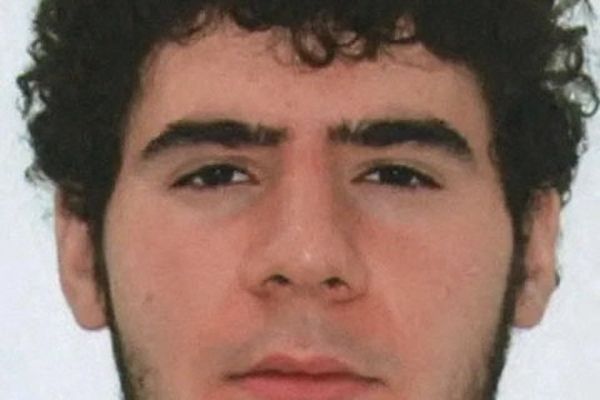
The Tuscaloosa community is mourning the loss of 15-year-old Will Roberts, who died after a courageous battle with osteosarcoma, a rare but aggressive form of bone cancer that primarily affects children, teenagers, and young adults.
Roberts' story gained national attention earlier this year after his mother turned to social media in a desperate effort to locate a chemotherapy drug that had become difficult to obtain during his treatment.
The family's plea resonated with thousands of people, drawing widespread support as Will continued his fight against the disease. Roberts passed away on July 22, leaving behind a community inspired by his resilience and determination throughout his cancer journey.
From a Viral Plea for Treatment to a Community in Mourning
Will Roberts was diagnosed with osteosarcoma after experiencing symptoms that eventually led doctors to identify the rare bone cancer. As he underwent intensive treatment, his family's focus shifted toward ensuring he received every medication necessary to continue fighting the disease. Earlier this year, concerns over the availability of methotrexate prompted his mother to launch a social media campaign asking hospitals and healthcare providers for assistance in locating the drug.
The family's plea quickly spread across social media, bringing national attention to both Will's condition and the broader issue of chemotherapy drug shortages affecting pediatric cancer patients. Even though the treatment continued, Roberts ultimately succumbed to complications related to his illness.
Following news of his passing, tributes poured in from community members, friends, and supporters who remembered his courage and the determination he displayed throughout his battle. His story has continued to spark conversations about pediatric cancer awareness and the importance of maintaining reliable access to life-saving medications.
A Rare Bone Cancer That Most Often Affects Teenagers
Osteosarcoma is the most common type of primary bone cancer, but it remains a rare disease overall. According to Mayo Clinic, it most frequently develops in teenagers during periods of rapid growth, often affecting the long bones around the knee, thigh, or upper arm. The cancer begins when bone-forming cells grow uncontrollably, producing abnormal bone tissue that can weaken the affected bone and spread to other parts of the body if left untreated.
Early symptoms often include persistent bone pain that worsens over time, swelling near a bone or joint, tenderness, reduced range of motion, or pain that becomes more noticeable during physical activity or at night. In some cases, the weakened bone can fracture after only minor trauma. Because these symptoms may resemble common sports injuries or growing pains, diagnosis can sometimes be delayed until the pain becomes persistent or imaging studies reveal abnormalities.
How Osteosarcoma is Identified and Taken Care Of
According to the Cleveland Clinic, doctors typically diagnose osteosarcoma through a combination of physical examinations, imaging tests such as X-rays, CT scans, MRI scans, or PET scans, followed by a biopsy to confirm the presence of cancer cells. Treatment usually involves several months of chemotherapy before and after surgery to remove the tumor while preserving as much healthy bone and limb function as possible. Some patients may require reconstructive surgery or, in advanced cases, amputation if the cancer cannot be safely removed. Radiation therapy is less commonly used because osteosarcoma is relatively resistant to radiation, although it may be considered in select situations.
The exact cause of osteosarcoma remains unknown, and there is currently no proven way to prevent the disease. However, researchers have identified several risk factors, including rapid adolescent bone growth, certain inherited genetic conditions such as Li-Fraumeni syndrome or hereditary retinoblastoma, previous radiation therapy, and rare inherited disorders affecting bone development. Since no lifestyle changes have been shown to prevent osteosarcoma, doctors instead emphasize early recognition of persistent bone pain or swelling, allowing patients to undergo prompt evaluation and begin treatment as early as possible.
A Teenager's Story That Everyone Can Learn From
The cancer journey of Will Roberts illustrates both the medical and emotional realities of pediatric cancer. His family's public search for an essential chemotherapy drug highlighted how treatment extends beyond the disease itself, bringing attention to the importance of timely access to medications, coordinated healthcare, and community support for families facing life-threatening illnesses.
His story also serves as a reminder that persistent bone pain in children and teenagers should never be dismissed when symptoms continue to worsen or interfere with daily activities. While osteosarcoma is uncommon, early diagnosis can improve treatment planning and may increase the likelihood of successful outcomes before the cancer spreads.
Beyond raising awareness of a rare disease, Roberts' legacy reflects the resilience shown by many young cancer patients and their families as they navigate months of intensive treatment and uncertainty. As communities continue remembering his courage, his story underscores the ongoing need for pediatric cancer research, reliable access to essential chemotherapy medications, and greater public understanding of the warning signs associated with rare childhood cancers.