What is the BBC iPlayer for? When it first went live, on Christmas Day 2007 the answer to that question was straightforward; viewers would be able to catch up on recent TV and radio shows that they had missed. Eight years on and it’s becoming clear that the iPlayer is much more than that. And its subtle but pronounced shape-shifting is affecting everything from commissioning to formatting to the very ethos of the BBC. Its influence has reached beyond its online existence and is now affecting prime-time content in a very significant way.
In January this year, the BBC premiered Bitter Lake, a new documentary by the brilliant Adam Curtis. But unlike Curtis’s previous films, Bitter Lake has never appeared on what we might quaintly refer to as “normal television”. It’s over two hours long, proudly discursive and slightly contentious in its underlying thesis. But even so, a couple of years ago an evening would surely have been cleared for it on BBC4. In 2015, it went straight on to iPlayer, where it will remain for a year.
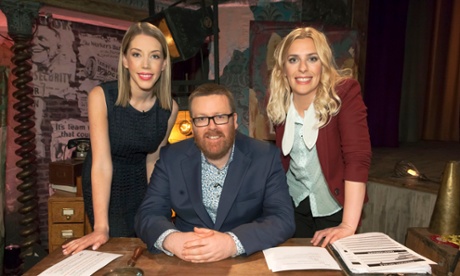
So, awkwardly shaped oddities are where the iPlayer is at these days. At the other end of the same spectrum lie the various iPlayer-only comedy shorts featuring the likes of Matt Berry, Sara Pascoe, Bob Mortimer and Limmy, which have hilariously tweaked and cheerfully vandalised everything from the Boat Race to the nature documentary. Then there’s Marc Riley’s new music show All Shook Up, which offers a platform to a variety of acts who will never be invited to gather around Jools Holland’s honky-tonk piano. Or Frankie Boyle’s predictably scabrous Election Autopsy which ran the rule over our recent brush with democracy.
So this is a good thing, right? The iPlayer is housing the waifs and strays; offering refuge to the spiky and the marginal? Maybe. But wasn’t that once the job of BBC4? Or late-night BBC2? Isn’t there a danger of the iPlayer facilitating the retreat from prime-time of any TV that can’t support a “Great British” prefix? The growth of iPlayer-exclusive content could be viewed as a boost for the risque and controversial. But there’s an element of demographic splintering and ghetto-ising to it too. It increasingly feels as if clear lines are being drawn between the box in the corner of the room – where more traditionally minded viewers will find costume dramas and documentaries about castle and cathedrals – and the smart phone or tablet where more tech-savvy customers will have their edgier needs catered for.
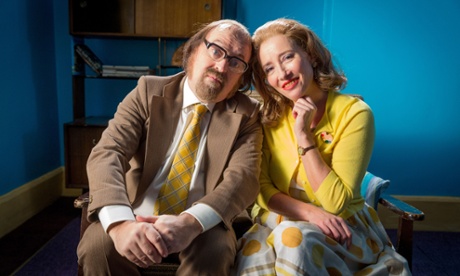
This division would probably be presented simply as a more efficient matching of content and consumer by the BBC’s commissioning and scheduling wings. And maybe it is. For example, this could be a taste of the future for the kind of shows that BBC3 might have aimed at its younger viewers. Presumably, the reasoning is that these shows will be found (and tweeted, and shared) anyway. Maybe the iPlayer will, in time, become a sort of proving ground for new talent; a low-budget platform where opportunities can be offered to independent producers and creators. It could become a mutually beneficial shop window and a stepping stone to more traditional TV exposure.
But it isn’t a strategy devoid of risk. The BBC has a responsibility to cater for everyone. If the re-purposing of the iPlayer went hand-in-hand with the blanding-out and over-formatting of the main channels, that would surely be a cause for concern. There’s a centrality to the BBC that underpins its overarching purpose. It should confront as well as comfort. Surely most of us have formative memories of happening upon a snatch of TV that wasn’t meant for us and being shocked or delighted or enlightened or bewildered? These moments of accidental synergy are just what makes the BBC controversial. But by reminding us that we share our communication channels – and, by extension, our country – with other people whose beliefs and priorities may differ from ours, they also make it incredibly valuable. If the BBC cannot continue to be about communal experience, it may struggle to convince people that it’s about anything at all.