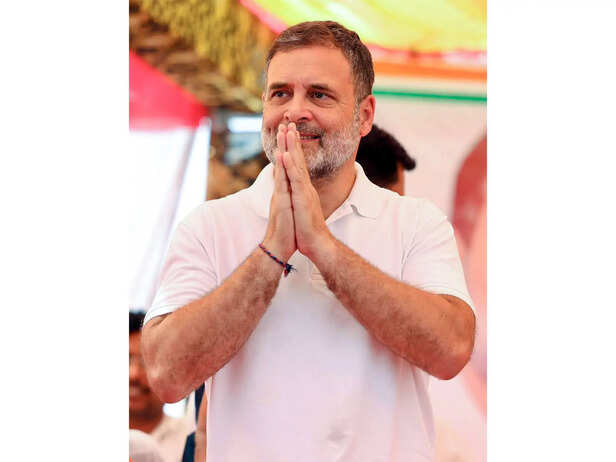
A single political statement can sometimes dominate the national conversation. That is exactly what happened when Rahul Gandhi declared that Prime Minister Narendra Modi would not remain in office a year from now. The prediction immediately grabbed attention. But what made it even more striking was the reason behind it. Gandhi did not simply talk about politics. He spoke of an "economic tsunami," institutional unrest, and growing public pressure. His comments have triggered debate across political circles, leaving many people asking the same question: What exactly is Rahul Gandhi seeing that led him to make such a bold prediction?
A Prediction That Sparked National Debate
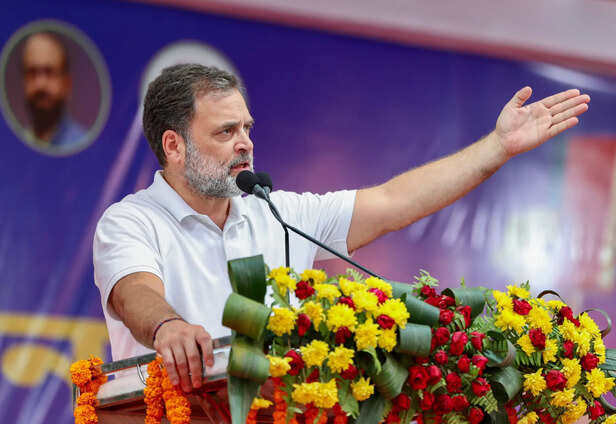
The Congress leader's remarks quickly became a major political talking point.
Political predictions are common, but some create immediate headlines. Rahul Gandhi's assertion that Narendra Modi may not remain Prime Minister within a year falls into that category. The statement was made while addressing tribal leaders in New Delhi and quickly generated reactions across the political spectrum. Supporters viewed it as a sign of confidence from the opposition, while critics dismissed it as political rhetoric. Regardless of perspective, the remark succeeded in shifting public attention toward questions about governance, leadership, and the country's future political landscape.
The Warning of an Economic Tsunami
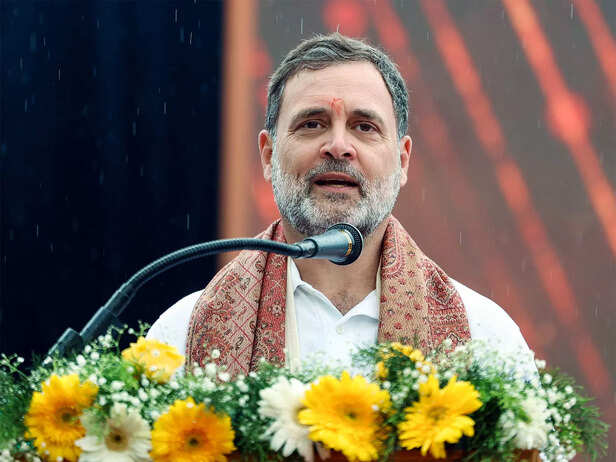
Rising economic pressures formed a key part of Gandhi's argument.
A major part of Gandhi's speech focused on the economy. He warned that India could face serious economic challenges in the future, describing them as an "economic tsunami." According to him, rising prices and structural issues could place increasing pressure on ordinary citizens. Economic concerns often become central topics in political discussions because they directly affect daily life. Whether these warnings prove accurate or not, they reflect broader debates taking place across the country regarding inflation, employment opportunities, and long-term economic growth.
Claims of Internal Systemic Unrest
One of the most controversial parts of the speech involved claims that institutions within the system were increasingly uneasy. Gandhi suggested that public pressure and ongoing controversies were creating challenges inside various sectors. Such allegations are politically significant because they touch on questions of trust, transparency, and accountability. While these claims remain part of a larger political debate, they have contributed to growing discussions about the relationship between institutions, public confidence, and democratic governance in India.
Why Public Sentiment Matters
Throughout history, political systems have been influenced by public sentiment. Economic concerns, social issues, and governance debates often shape how citizens evaluate leaders and institutions. Gandhi's remarks highlighted the role of public pressure in driving political developments. Whether people agree or disagree with his views, the statement reflects a broader reality: public opinion remains one of the most powerful forces in any democracy. Political leaders across parties closely monitor public concerns because they can influence future elections and policy decisions.
The Political Battle Intensifies
India's political environment remains highly competitive. Statements like Gandhi's often become part of a larger contest over narratives, public perception, and future leadership. Opposition parties seek to challenge the ruling government, while those in power defend their record and achievements. As a result, strong political messaging has become a defining feature of modern campaigns. Gandhi's prediction has added another chapter to this ongoing battle, ensuring that discussions about leadership and governance remain at the center of national attention.
A Moment That Reflects Larger Concerns
Beyond political headlines, the speech touched on issues that many citizens care about deeply. Economic stability, institutional trust, employment opportunities, and governance are subjects that affect everyday life. These concerns often transcend party lines because they influence families, businesses, and communities alike. The intensity of reactions to Gandhi's remarks demonstrates how closely people are following developments related to these topics. Regardless of political affiliation, many citizens are focused on understanding what the future may hold.
What Happens Next?
Political predictions often generate attention, but only time determines their accuracy. Rahul Gandhi's statement has undoubtedly intensified political discussion, yet the future remains uncertain. Elections, economic trends, public opinion, and policy decisions will all play important roles in shaping what comes next. For now, the remarks serve as a reminder of how quickly political narratives can evolve. The coming months are likely to bring further debate, analysis, and scrutiny as India's political landscape continues to develop.
Unlock insightful tips and inspiration on personal growth, productivity, and well-being. Stay motivated and updated with the latest at My Life XP.
Frequently Asked Questions (FAQs)
1. What did Rahul Gandhi say about Prime Minister Narendra Modi?Rahul Gandhi claimed that, in his assessment, Narendra Modi may not remain Prime Minister within a year. The statement was made during an address to tribal leaders in New Delhi.
2. Why did Rahul Gandhi make this prediction?
Gandhi linked his prediction to what he described as growing economic challenges, increasing public pressure, and alleged unrest within various institutions. These were presented as factors that could influence future political developments.
3. What did Rahul Gandhi mean by an "economic tsunami"?
The term "economic tsunami" was used by Gandhi to describe what he believes could be a major economic crisis involving rising prices and broader economic difficulties. It was a political warning rather than a formal economic forecast.
4. Did Rahul Gandhi provide evidence for his prediction?
The statement was based on his political assessment and views regarding current developments. Whether his prediction proves accurate will depend on future political and economic events.
5. When did Rahul Gandhi make these remarks?
He made these comments while addressing tribal leaders at an event organized by the Adivasi Congress in New Delhi.