
- In a surprise move, Google’s Quick Share now works with AirDrop
- Apple was apparently left in the dark and might try to shut it down
- Yet there are reasons to believe Apple could let the feature stand
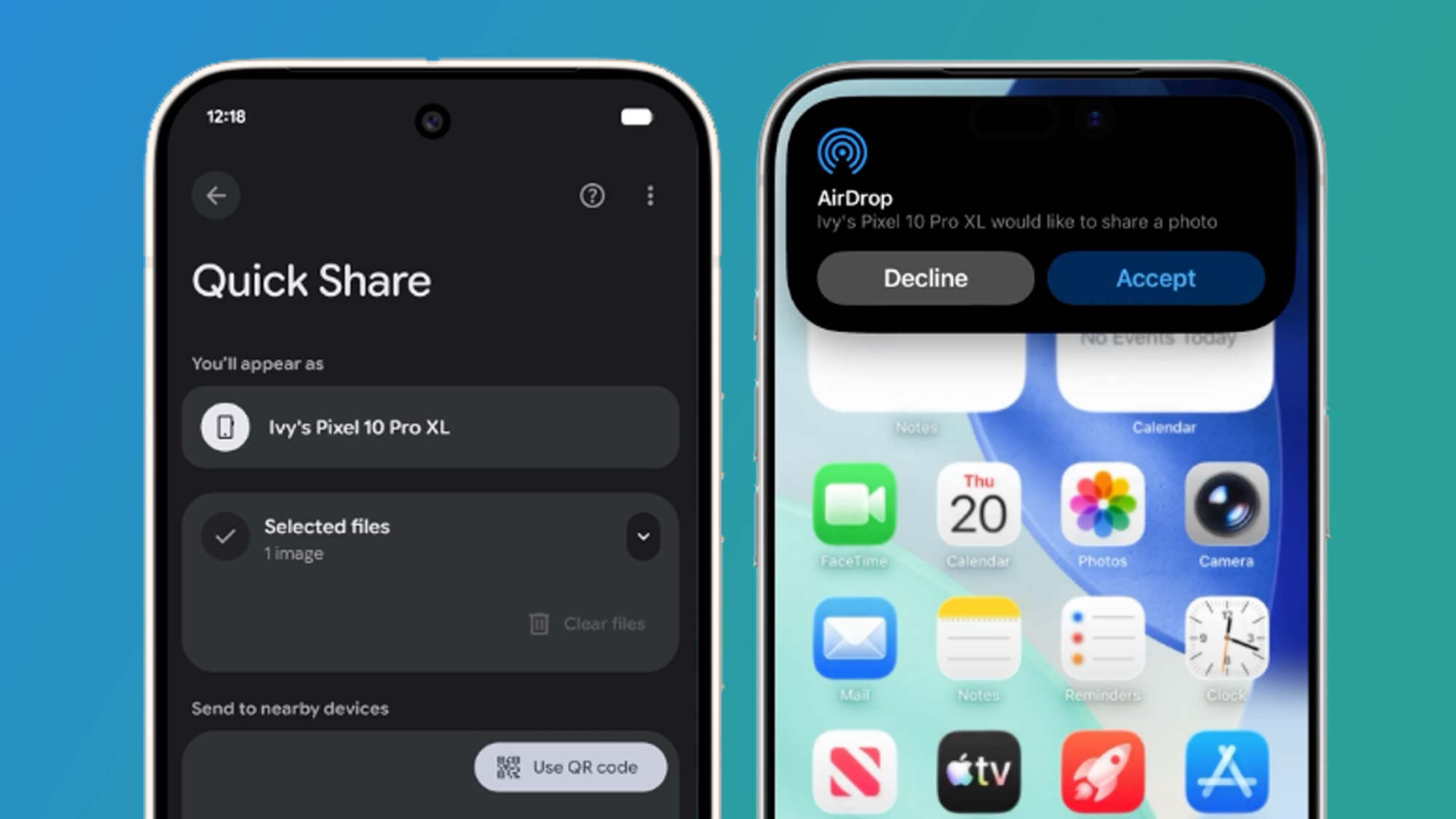
In a surprise announcement yesterday, Google revealed that it had made its Quick Share feature compatible with Apple’s AirDrop when using a Pixel 10 device. In other words, you can now seamlessly share files between select Android and iOS devices in a fast, secure way.
When reading Google’s press release, though, something interesting emerged: Apple seemingly had no part in this announcement, and the company might not have even been aware that it was coming.
After all, a second Google blog post said the firm would “welcome the opportunity to work with Apple” to enable a more full-fledged Quick Share and AirDrop collaboration in the future, implying that Apple wasn’t part of the engineering effort to get it working in the first place. That raises a key question: will Apple drop the Sword of Damocles and try to shut down the new feature?
That kind of action from Apple wouldn’t be unprecedented. Back in 2023, messaging app Beeper reverse-engineered Apple’s iMessage platform to enable blue-bubble texting to work between iPhones and Android devices. Apple didn’t look too kindly on that kind of hacky engineering and forced Beeper to drop the feature.
Even if Apple doesn’t actively compel Google to roll back its announcement, it’s unlikely that Tim Cook and co are happy about being blindsided like this (assuming there were no behind-the-scenes discussions).
Apple loves to control the narrative and is fiercely protective of its proprietary technologies. Breaking down the company’s walled garden, taking AirDrop to places it was never intended to go, and announcing it to the world without Apple’s input all feel like anathema to the Apple we know so well. So what happens next?
Could this time be different?
All that said, there are three key reasons to believe that Apple might actually hold fire and allow Google’s new project to continue, even if Apple doesn’t work to actively improve the feature going forward.
For one thing, there’s the European Union (EU). Apple has been under relentless EU scrutiny for years over its ecosystem and allegedly anticompetitive practices, with much of the focus falling on features that are exclusive to Apple devices.
The EU wants Apple to make some of these technologies freely available to its competitors, so allowing Quick Share to work with AirDrop could be a way for Apple to lessen the EU heat. This resulted in a new API called Wi-Fi Aware appearing in iOS 26, which lets third-party apps discover and connect to nearby devices over Wi-Fi – in other words, AirDrop alternatives.
Secondly, Google and Apple have been working together much more closely in recent times, at times more enthusiastically than others. The two collaborated to enable the RCS messaging standard to come to iOS, for example, while there are strong rumors that the upcoming artificial intelligence-infused version of Siri will harness Google Gemini to do some of the heavy lifting.
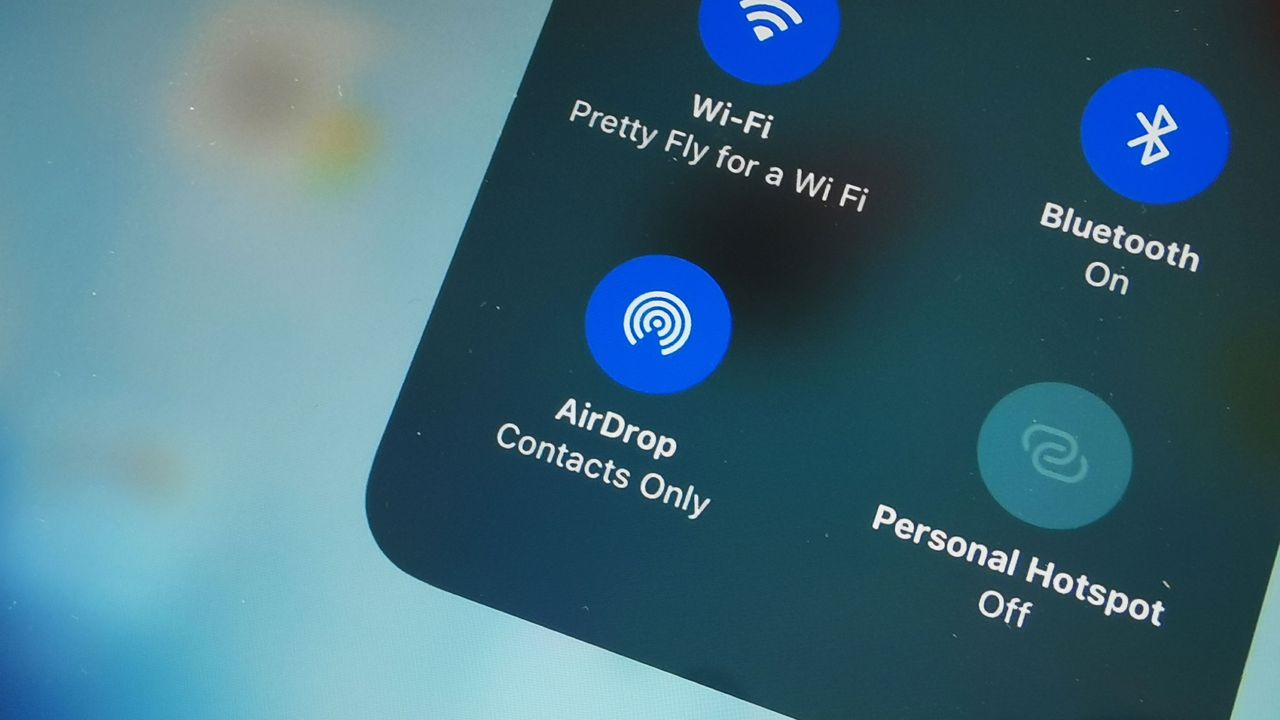
Finally, there’s also the question of whether Apple is even able to block Google’s AirDrop move on a technical level. Several reporters, including The Verge's Tom Warren, have speculated that AirDrop does not have any way to validate devices unless a user is in Contacts Only mode – which Google’s implementation avoids by sticking to AirDrop’s Everyone for 10 Minutes mode.
If that’s correct, it would explain why various third-party AirDrop-to-Android hacks have existed for some time and would potentially leave Apple unable to stop Google’s move other than through diplomacy.
But considering that such a move might result in the EU breathing down its neck, Apple is probably reluctant to follow that path. That could mean that Android and Apple fans alike might get to use this new feature for the foreseeable future. Nothing is guaranteed, though – perhaps an Apple engineer can nix it by altering how AirDrop works – so keep your eyes peeled for updates.
Follow TechRadar on Google News and add us as a preferred source to get our expert news, reviews, and opinion in your feeds. Make sure to click the Follow button!
And of course you can also follow TechRadar on TikTok for news, reviews, unboxings in video form, and get regular updates from us on WhatsApp too.