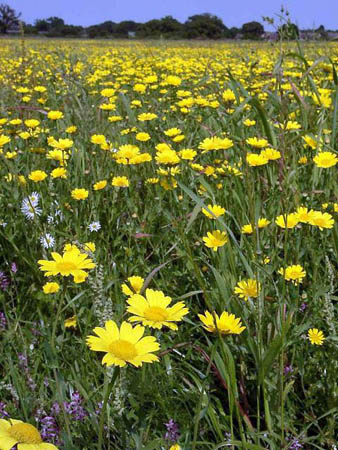
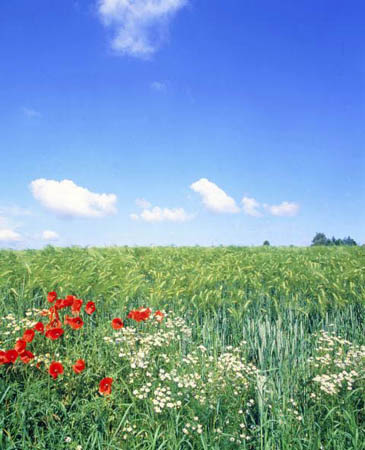
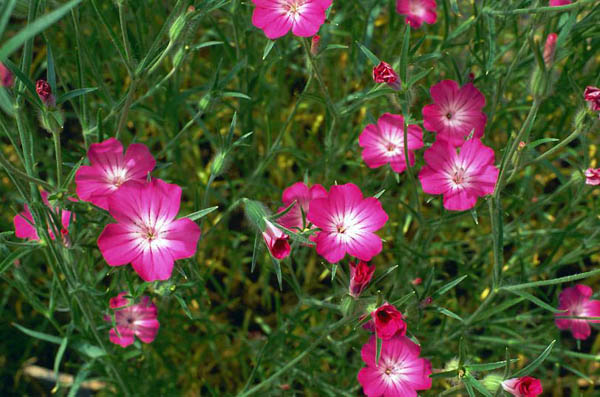
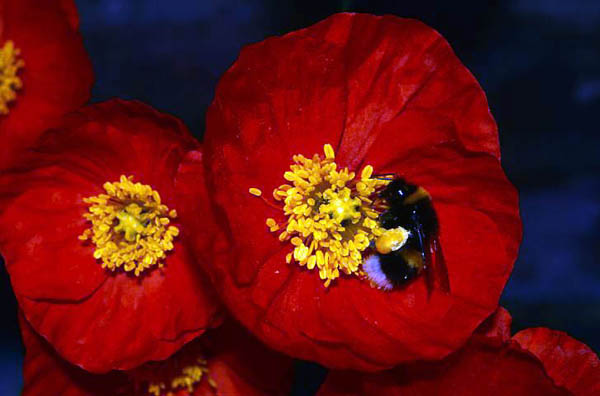
One of the most threatened groups of UK plants that will suffer from the loss of set-aside land are arable weeds such as these corn marigolds. The EC this year reduced set-aside land to zeroPhotograph: Dante Munns/RSPB/PACamomile and poppy flowers beside a barley cornfield. Traditional arable weeds that grow in cereal crops are being lost because of herbicides as more land is being farmedPhotograph: Dietrich Rose/zefa/CorbisModern farm practices have turned the corncockle from a familiar cornfield weed to a rare wildflowerPhotograph: Sally A Morgan/Ecoscene/Corbis
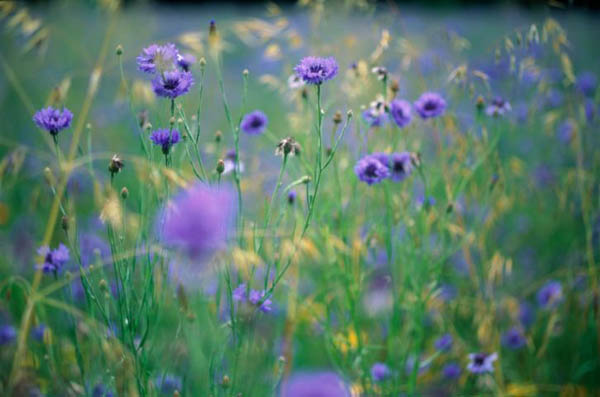
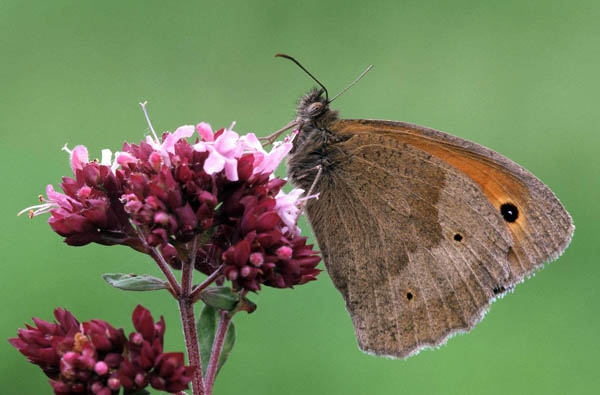
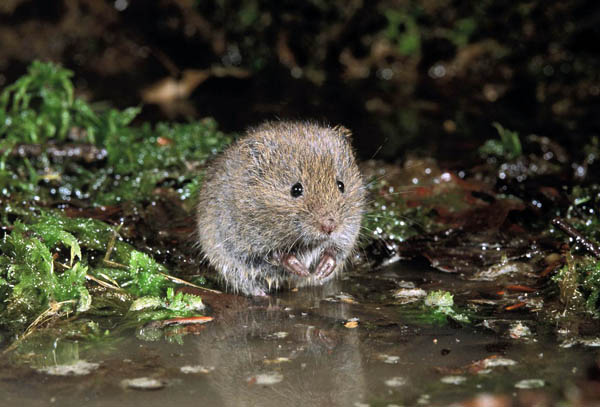
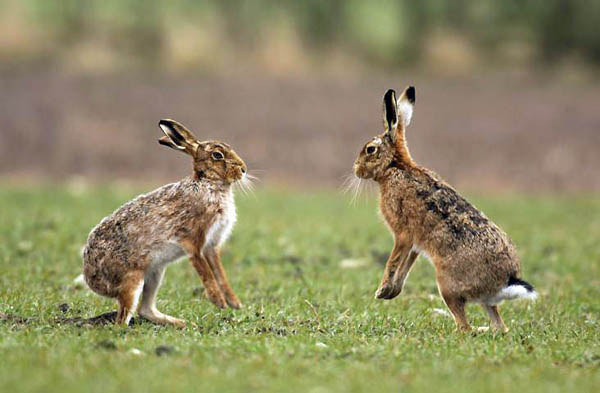
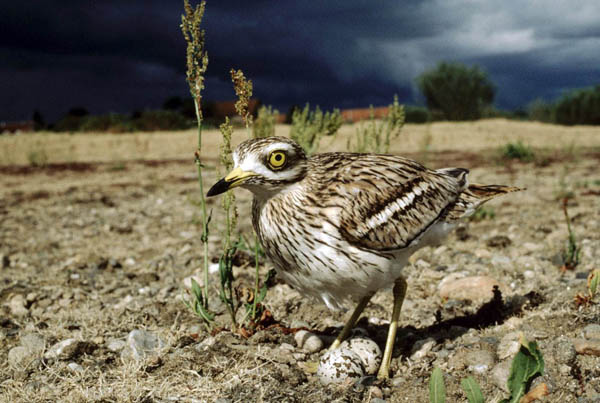
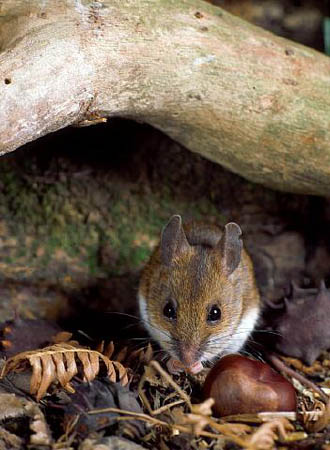
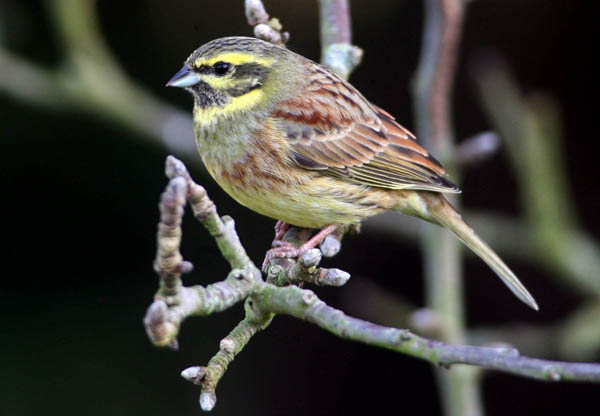
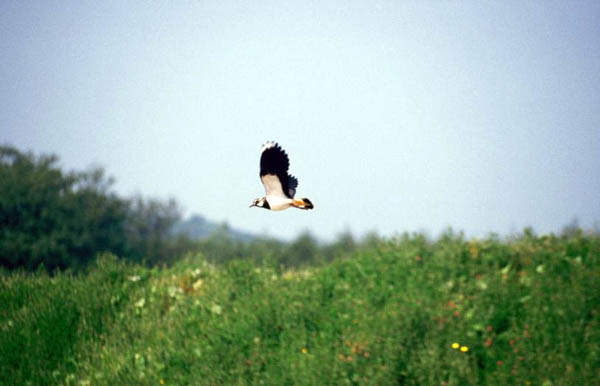
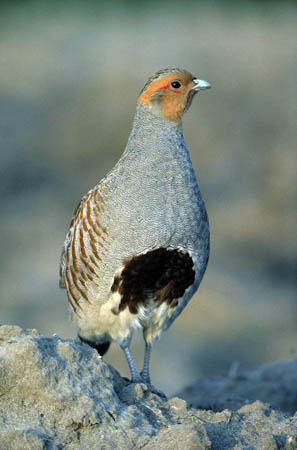
The cornflower used to be a common and beautiful flower of the farmed countryside but has now become scarce because of the powerful herbicides used in modern farming techniquesPhotograph: Frank Krahmer/zefa/CorbisThe white-tailed bumble bee is one species of insect that has suffered with the increased use of pesticides in farming and the monoculture of cropsPhotograph: Tony Hamblin/Frank Lane Picture Agency/CorbisThe meadow brown butterfly has lost habitat as set-aside land has decreasedPhotograph: Cisca Castelijns/Foto Natura/GettyField voles favour tall grassland, marshes, open woodland and grassy areas. The loss of set-aside land means removal of habitat and winter food sourcesPhotograph: Hugo Willcox/Foto Natura/GettyBrown hares have fewer winter food feeding areas if set-aside land is not preservedPhotograph: Andrew Parkinson/CorbisThe stone curlew has benefited from agri-environment schemes that previously sought to preserve set-aside land. There are up to 300 pairs but the loss of set-aside is expected to dent their populationPhotograph: Duncan Usher/Foto Natura/GettyA wood mouse. Grain and rye grass monocultures, hedge and scrub removal, filled-in ponds, chemical fertilisers and pesticides have ruined wildlife populations of such speciesPhotograph: Neil Miller/Papilio/CorbisA cirl bunting. From an all-time low of 118 in 1989, the entire population of this species, now 700 pairs, is dependent on agri-environment schemes in DevonPhotograph: Richard Austin/Rex FeaturesThe lapwing is a once-common farmland bird whose numbers declined by almost half between 1970 and 2004. They have lost a huge amount of habitat as wetland has been drained to make way for farming or housing developmentsPhotograph: Stan Craig/Papilio/CorbisThe grey partridge has lost habitat, food source and nesting sites as set-aside farmland has decreasedPhotograph: Wim Weenink/Foto Natura/Getty
Sign up to read this article
Read news from 100’s of titles, curated specifically for you.