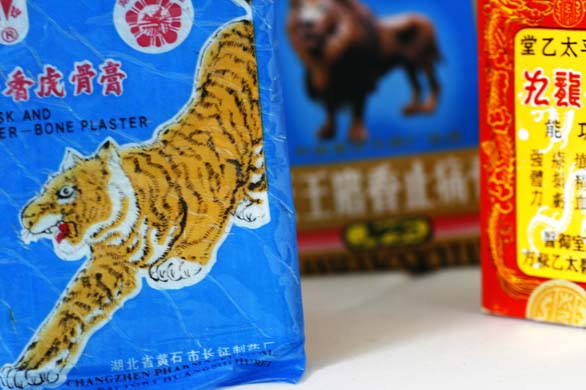
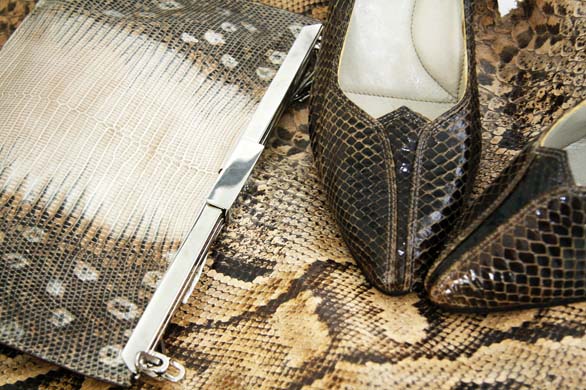
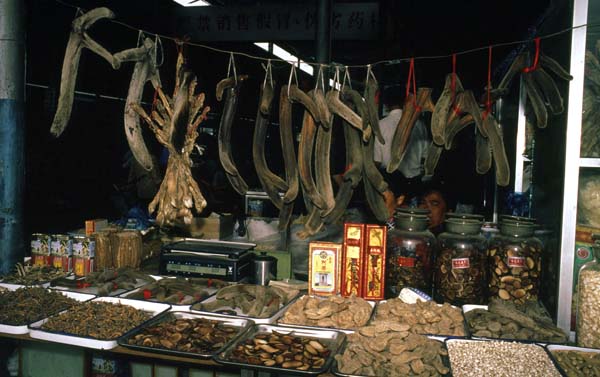
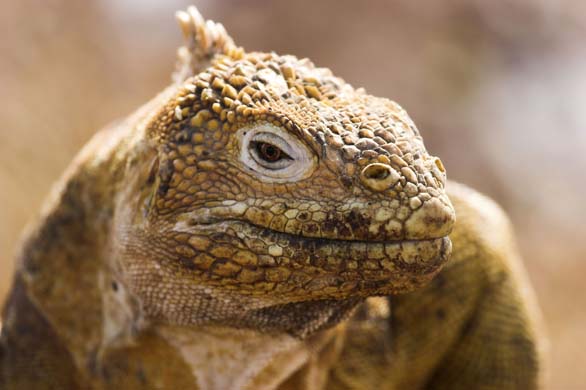
Traditional Chinese medicine containing endangered species such as tigers, rhinos and seahorses, tops the lists of illegal wildlife items seized by UK Customs. Photograph: Greg Armfield/WWF-UKLast year there were 44 siezures of illegal snake and reptile products. Photograph: Greg Armfield/WWF-UKA traditional Chinese medicine market in Chengdu, Sichuan Province, China. Items on sale incluce saiga horns, lizards, seahorses, and tortoises.Photograph: John E. Newby/WWF-Canon
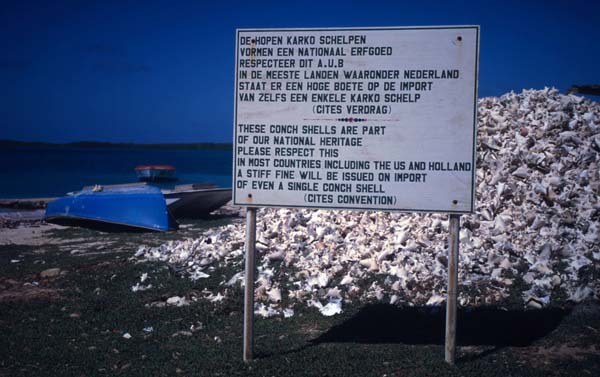
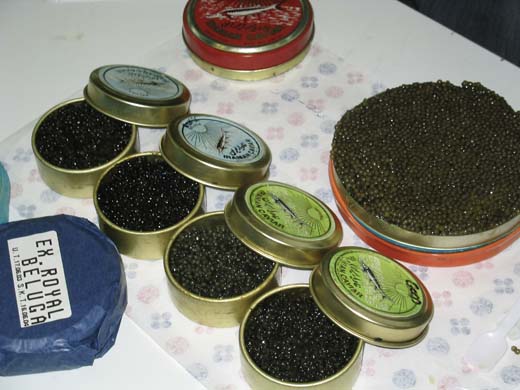
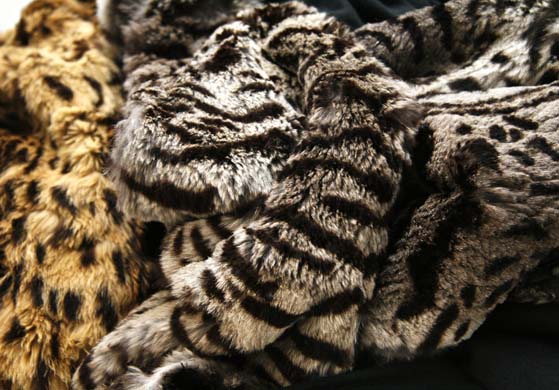
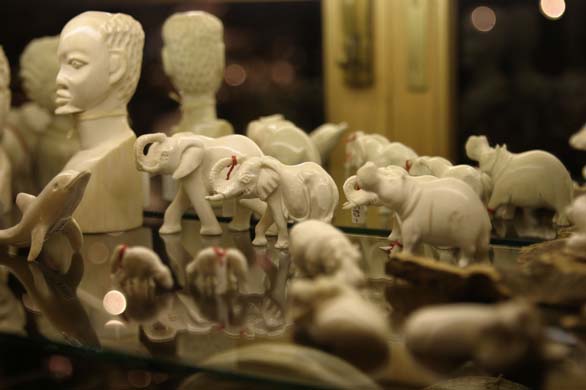
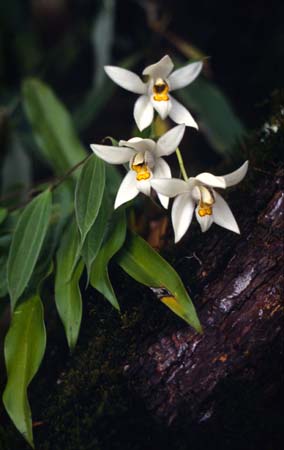
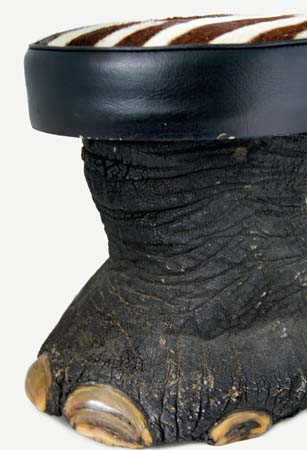
Piles of empty queen conch shells in the Bonaire Marine Park, in the Dutch Antilles. They are among thousands of aminal and plant species strictly controlled under an international convention.Photograph: Susan Wells/WWF-CanonLast year Customs confiscated 959 live reptiles at British ports. Photograph: James Frankham/WWF-CanonCaviar, including Beluga caviar, on sale in Istanbul, Turkey. WWF says its message is 'if in doubt don't buy it'. Photograph: Emma Duncan/WWF-CanonAnimal skin coats. WWF is urging tourists to report the sale of any suspicious items they see on their travels. Photograph: Greg Armfield/WWF-UKMore than 200 elephant ivory products were confiscated from UK tourists last year. Photograph: Greg Armfield/WWF-UKTens of thousands of illegally traded plants, such as these wild orchids from Khumbu valley in Nepal, are seized each year by Customs.Photograph: Neyret & Benastar/WWF-CanonProducts from elephants are among 827 animal and plant species completely banned from international trade.Photograph: Greg Armfield/WWF-UK
Sign up to read this article
Read news from 100’s of titles, curated specifically for you.