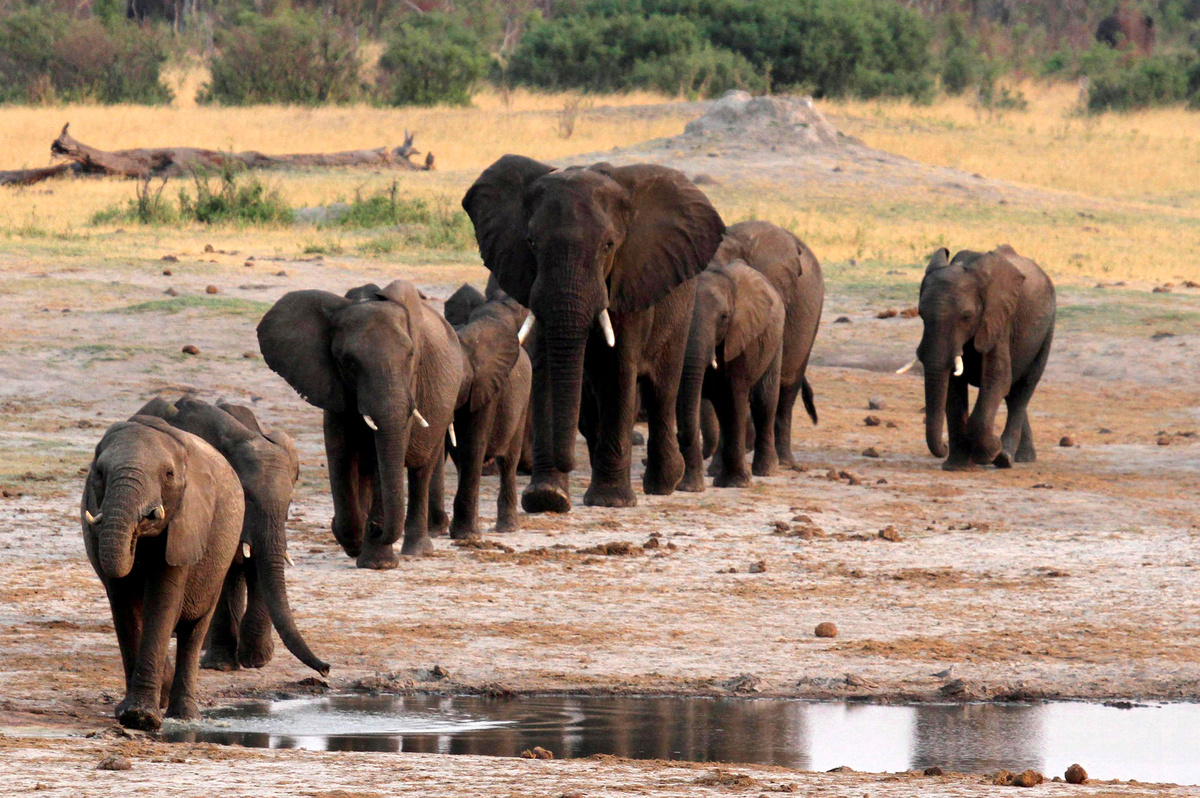
The COVID-19 pandemic is undermining nature conservation efforts, cutting park and anti-poaching patrols in more than half of Africa's protected sites, the International Union for Conservation of Nature (IUCN) said on Thursday.
The collapse of international tourism due to efforts to slow spread of the coronavirus has led to heavy revenue losses for many wildlife parks, cutting budgets and threatening longer-term closures.
IUCN, a Swiss-based environmental network, said research released in a series of articles in its journal PARKS represents the most comprehensive review to date of the links between the pandemic and nature conservation.
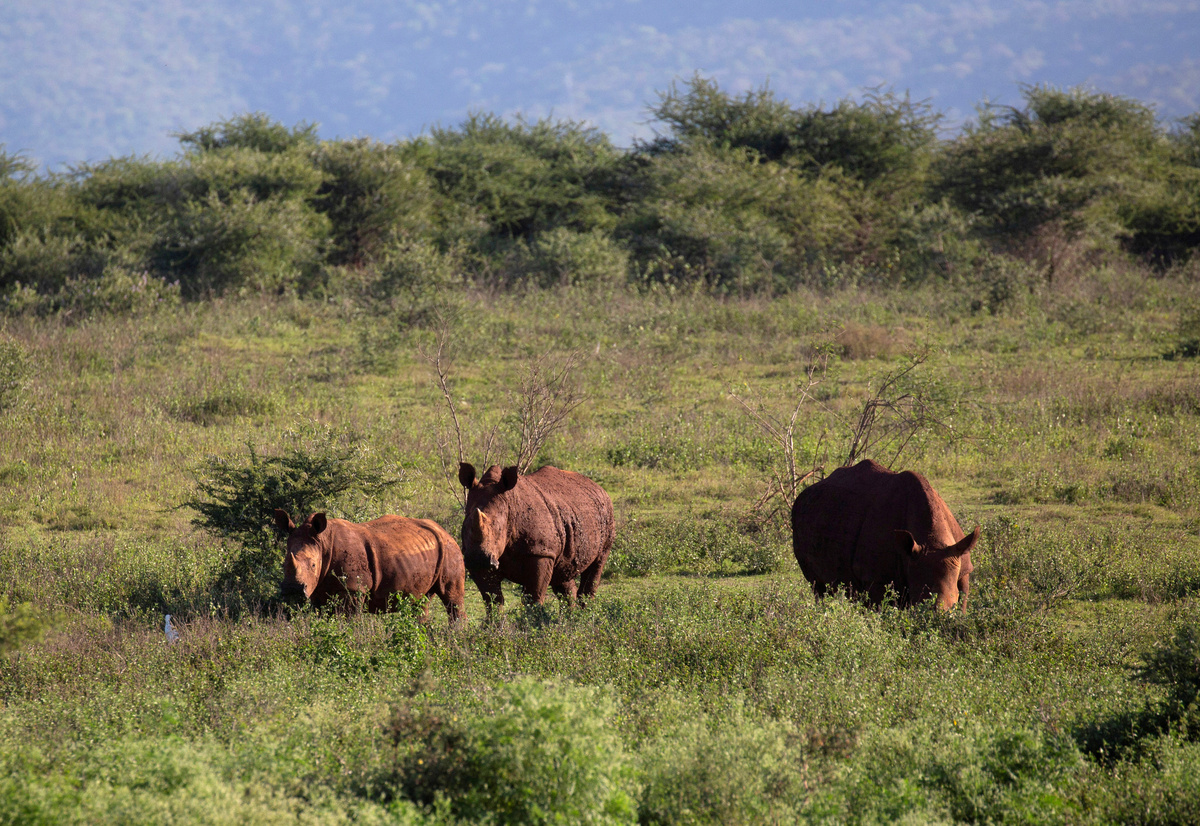
Surveys showed that more than half of protected areas in Africa had been forced to halt or reduce field patrols and anti-poaching operations. A quarter of protected sites in Asia have had to reduce conservation activities, such as guards to protect against rhino and tiger poaching in Nepal.
"Parks have emptied out to a large extent and there's no money coming in," said Nigel Dudley, co-author of a paper in the journal, raising concerns about the longer-term impact of falling tourism on conservation budgets.
Bush meat hunting has also increased significantly due to both patrol reductions and growing poverty, he added.
In the same publication, a survey of rangers in 60 countries showed that a fifth of them had lost their jobs due to pandemic-related budget cuts. Others had their salaries reduced or delayed.
"We cannot allow the current crisis to further jeopardise our natural environment," said Rachel Golden Kroner of Conservation International, one of the authors who contributed to the journal edition.
In one positive development, some animals appeared to enjoy the respite from visitors with more park sightings reported of some species such as a pig-sized endangered mammal called the Mountain Tapir in South America.
"That's a lesson for us for longer-term management, that animals need to have a rest and that tourism is wonderful but can also bring problems," said Dudley.
(Reporting by Emma Farge; Editing by Bill Berkrot)