Wildlife photographers put focus on Great Bear rainforest
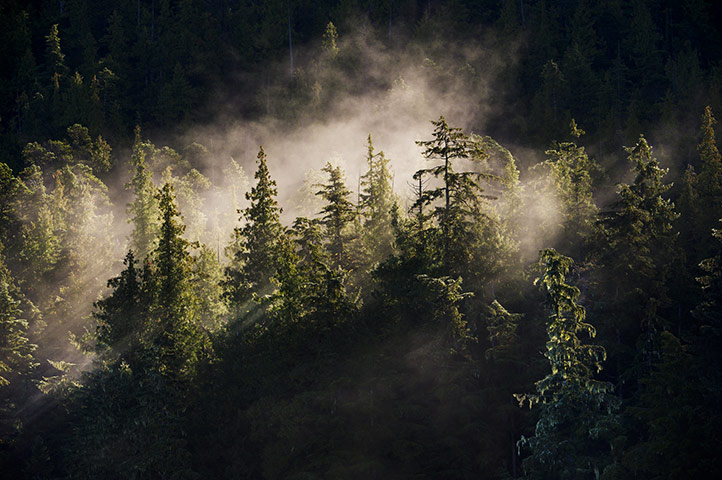
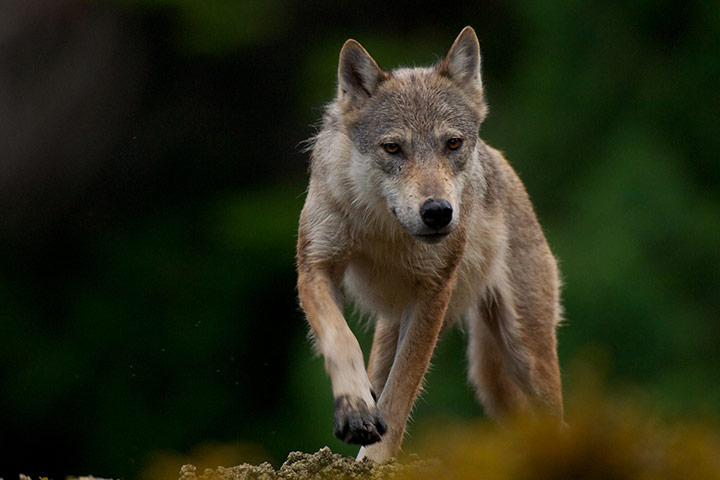
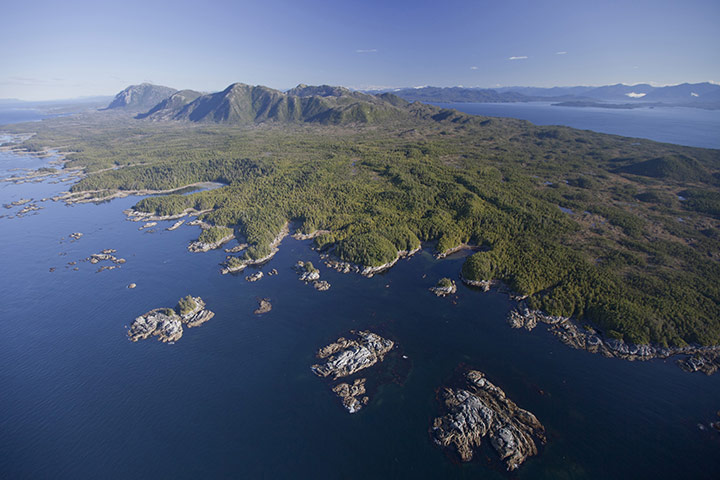
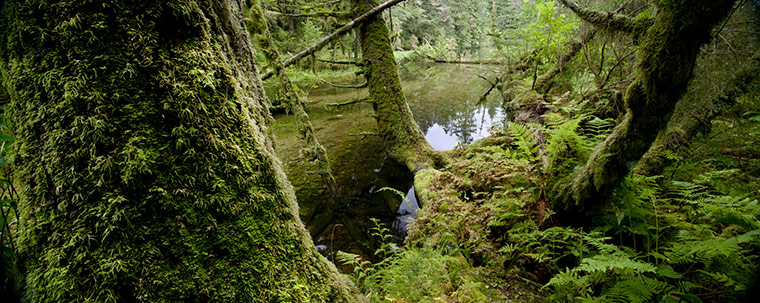
The Great Bear rainforest is one of the largest remaining tracts of unspoiled temperate rainforest left in the worldPhotograph: Jack Dykinga/iLCPA coastal wolf. The Great Bear rainforest is home to hundreds of species, including cougars, wolves, salmon, grizzly bears, and the 'spirit' bear, a unique subspecies of the black bear, in which one in 10 cubs displays a recessive white coloured coatPhotograph: Joe Riis/iLCPAs well as 'spirit bears', the region's ancient forests and stunning marine biodiversity make it one of the planet's most priceless treasures, the International League of Conservation Photographers (iLCP) saysPhotograph: Daniel Beltra/iCLP
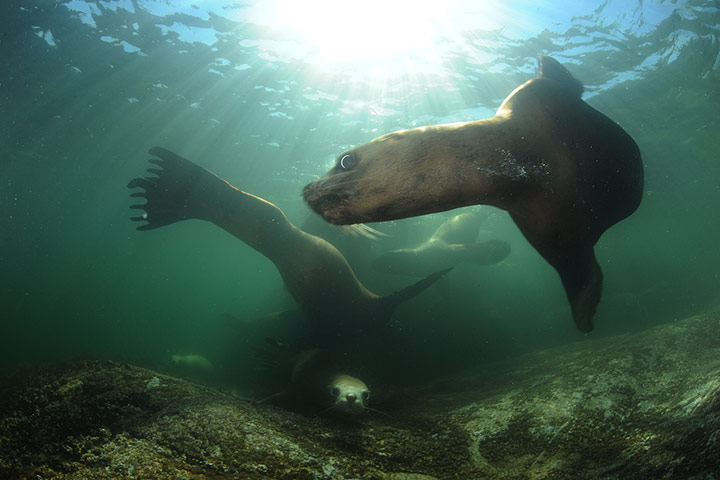
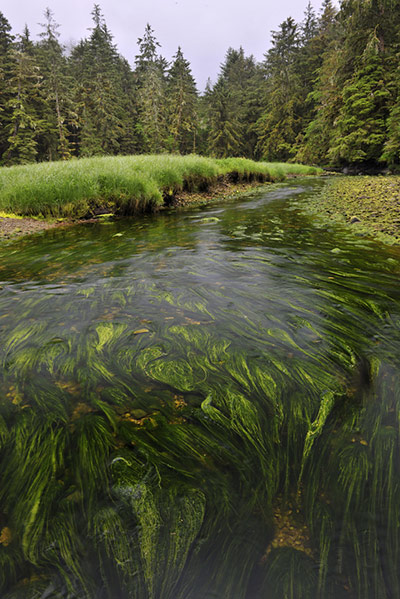
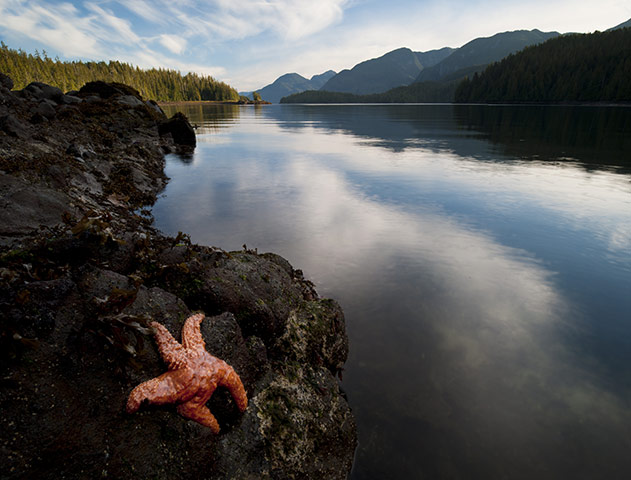
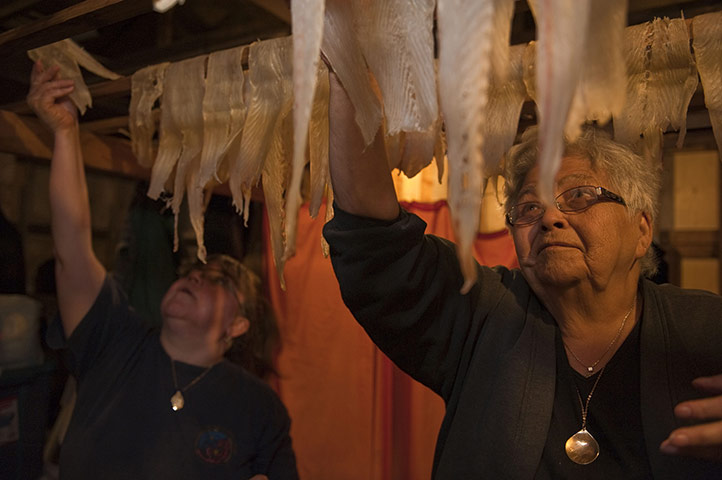
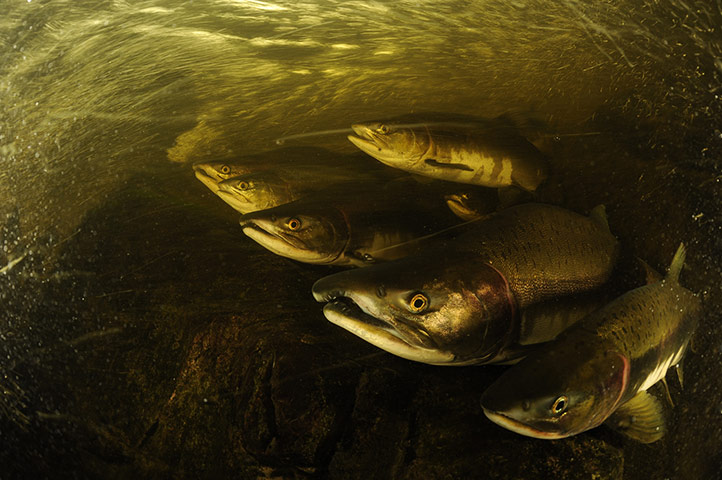
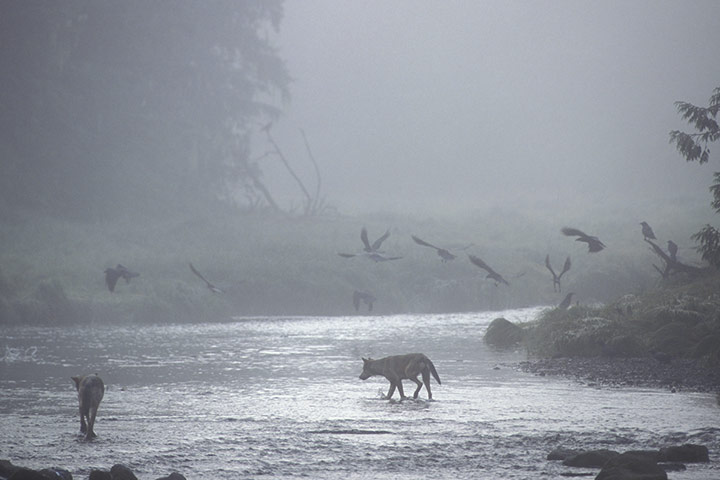
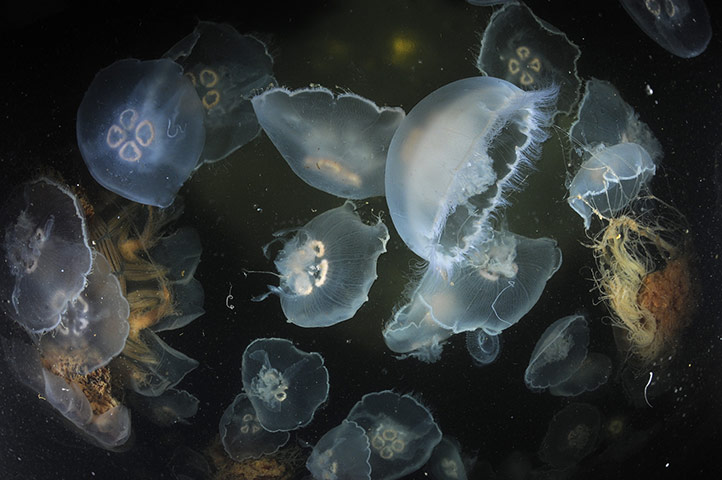
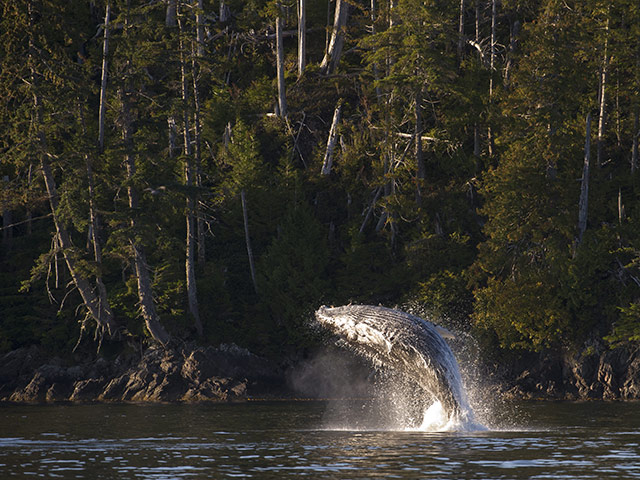
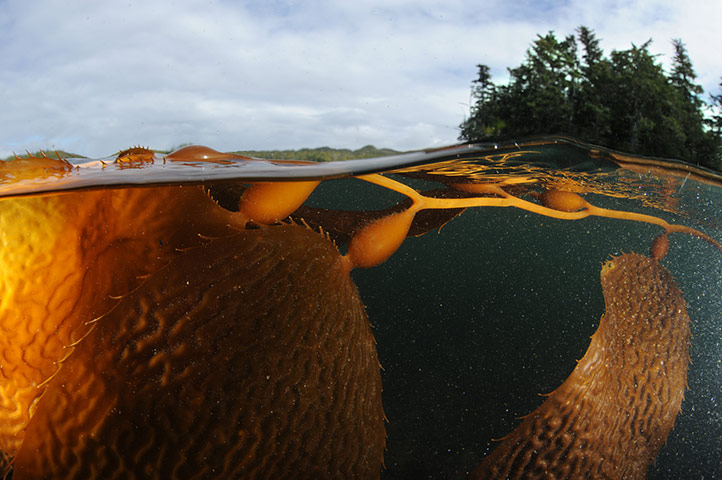
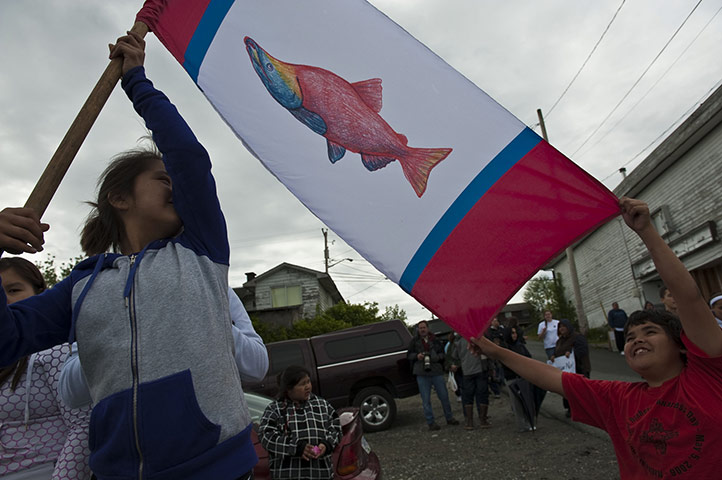
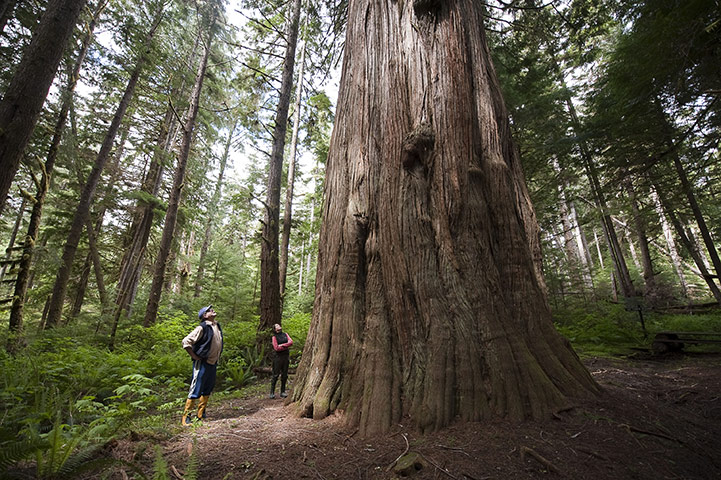
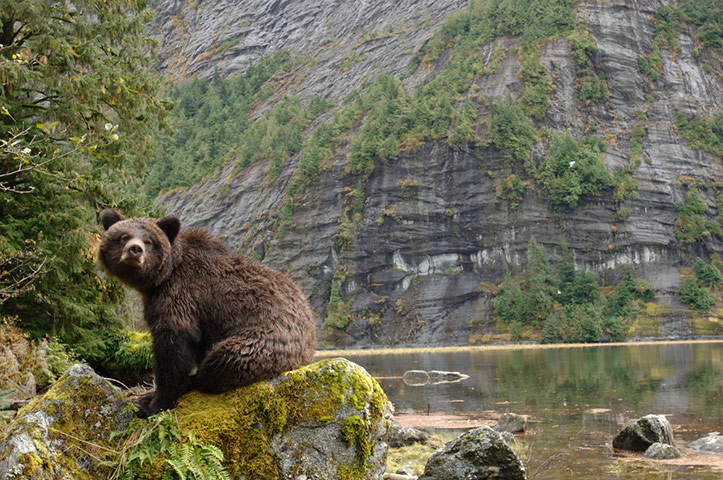
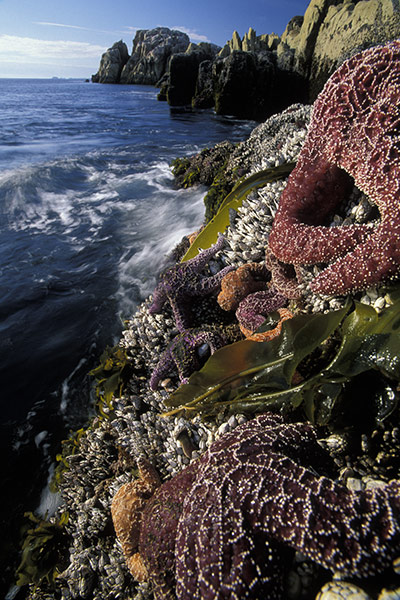
Enbridge, the world's largest pipeline construction company, has filed an application to the Canadian National Energy Board to build a 750-mile (1,200km) twin pipeline between Alberta's tar sands and British Columbia's north Pacific coastPhotograph: Jack Dykinga/iLCPCurious sea lions approach the photographer in the coastal waters off Hartley Bay, British Columbia. The pipeline would bring 525,000 barrels of oil to the coast per day from the tar sands of Alberta. These would be picked up by tankers negotiating the narrow passages along the coastPhotograph: Thomas P. Peschak/iLCPFreshwater streams fed by snow melt empty out into the rich marine ecosystems of the coastal region of Northern British Columbia. Pacific Wild says that under Enbridge's current proposal, 220 supertankers laden with fossil fuels could sail right through the region each year. They say it could 'very easily lead to a repeat of the Exxon Valdez'Photograph: Andrew S. Wright/iLCPA starfish is exposed during the low tide. The marine flora and fauna that inhabit the intertidal zone in the Great Bear rainforest supports a vast array of wildlife and human communitiesPhotograph: Jack Dykinga/iLCPAnnetta Robinson hangs slices of halibut to dry. The Gitga'at people, like other First Nations along the coast of British Columbia, depend on healthy ecosystems for their survivalPhotograph: Cristina Mittermeier/iLCPPink salmon (Oncorhynchus gorbuscha) migrating upriver to spawn. The pipeline would pass through watersheds important to Canada's commercial fishing industryPhotograph: Thomas P. Peschak/iLCPCoastal wolves roam along the edge of the water looking for molluscs, clams and salmon spawn to eatPhotograph: Ian McAllister/iLCPA dense school of lion's mane (Cyanea capillata) and moon (Aurelia labiata) jellyfish trapped by tides and currents in a river mouth, Great Bear rainforestPhotograph: Thomas P. Peschak/iLCPA humpback whale breaches in the afternoon sunshine. The many inlets and fjords along the coast provide a sanctuary for hundreds of whales and other marine mammals that spend the summer months feeding in the rich waters Photograph: Jack Dykinga/iLCPNorthern giant kelp (Macrocystis integrifolia), up to 30m longPhotograph: Thomas P. Peschak/iLCPFirst Nations of the Heilsuk tribe protest in opposition to the pipeline. The threat is not just to plants and animals: the lifestyle of the First Nations people living in and around the rainforest would be at riskPhotograph: Cristina Mittermeier/iLCPThe late chief Qwatsinas - or Edward Moody - of the Nuxalk Nation, looks up at a giant cedar tree in the South Benink Fjord near Bella Colla, British Columbia. Qwatsinas had been visiting this tree since he was a child. The tree was protected by the Nuxalk during the height of the logging era in this area. Sadly, Qwatsinas died soon after this image was made. He was a great environmentalist and protector of the Great Bear Rainforest. In 2006 British Columbia legislated protection for nearly 30% of the Great Bear rainforestPhotograph: Cristina Mittermeier/iLCPA brown bear. Rave is an initiative of the iLCP. Rave deploys a multi-disciplinary team that includes several specialised photographers (landscape, wildlife, macro, camera trapping, portraiture), writers and cameramen. Their job is to bring back a comprehensive portrait of a conservation issue or threat in a very short period of time. The iLCP says Rave has proven to be a valuable tool for conservation Photograph: Ian McAllister/iLCPA sea star is exposed during the low tide. Some of the photographers working on the project are National Geographic photographer Paul Nicklen; World Press winner Daniel Beltra and Pulitzer prize-winning photographer Jack DykingaPhotograph: Ian McAllister/iLCPThe photographers' work to highlight the ecological value of the region will be shared with international media and travel in an exhibition across North America and EuropePhotograph: Ian Mcallister/iLCP
Sign up to read this article
Read news from 100’s of titles, curated specifically for you.