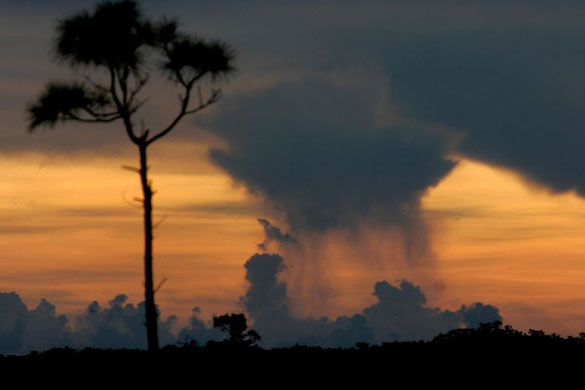
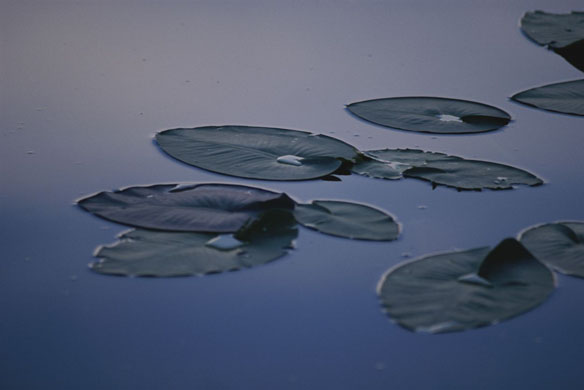
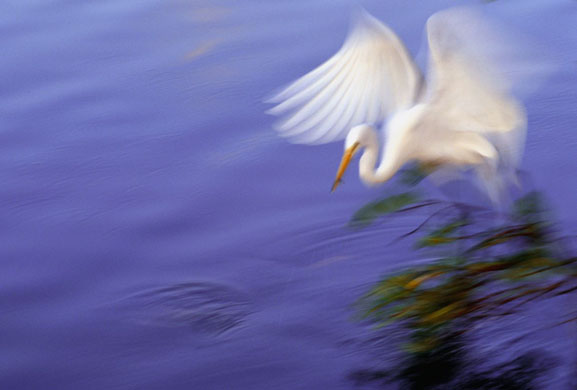
A rain cloud moves over the Florida Everglades. The land sale, unveiled by Florida governor Charlie Crist, jump-starts one of the biggest environmental rebuilding projects in modern US historyPhotograph: Joe Raedle/GettyLily pads float on a still body of water. Crist said the pact was "as monumental as our nation's first national park," adding that he hopes to sign a final pact by SeptemberPhotograph: Raul Touzon/National Geographic/GettyThe Everglades, a vast chain of marshes that is home to manatees, Florida panthers, great egrets (above) and other threatened species, was declared a protected area in 1934Photograph: Randy Wells/Corbis
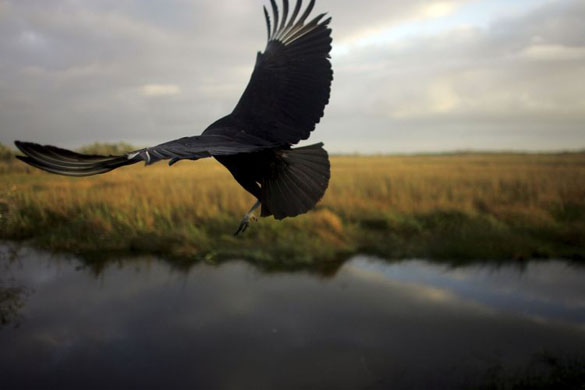
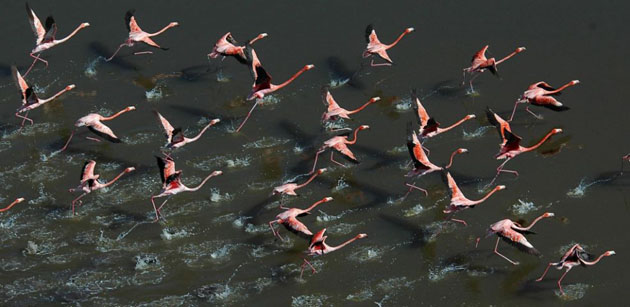
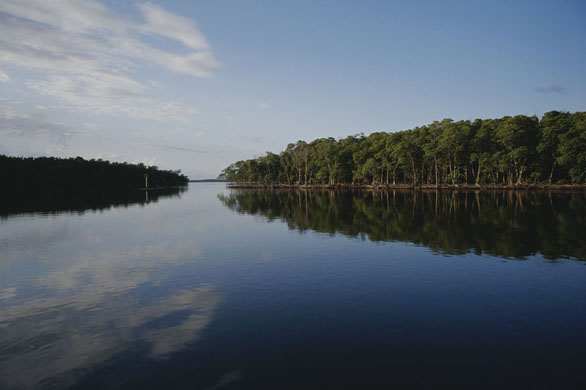
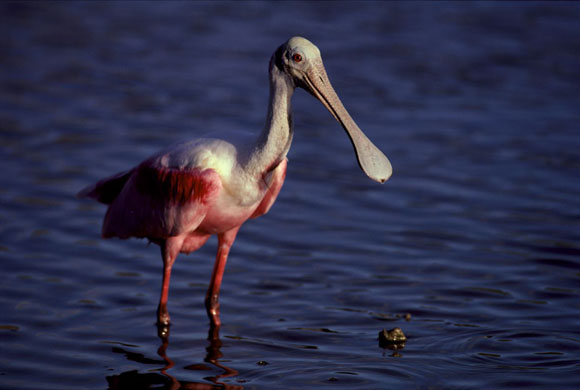
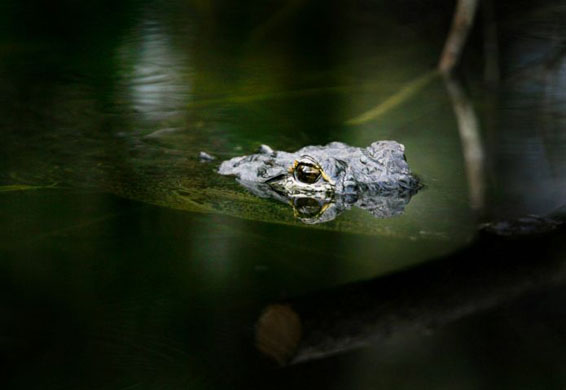
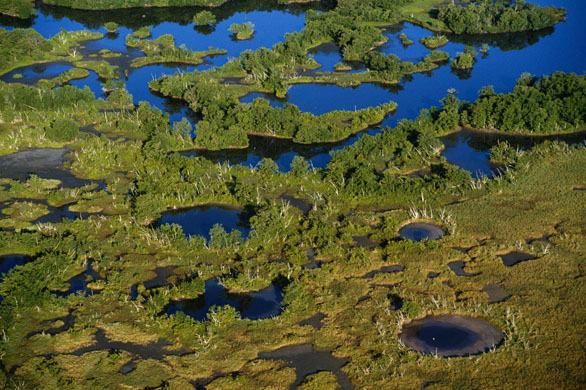
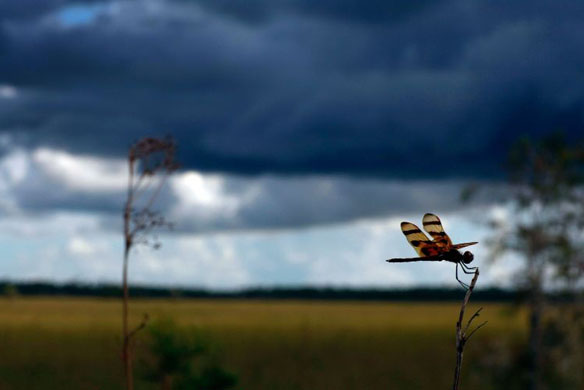
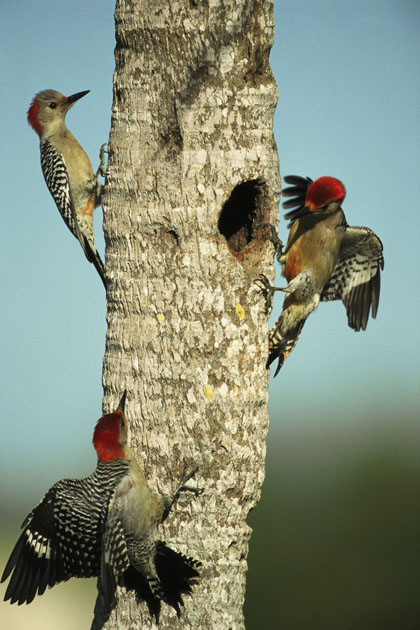
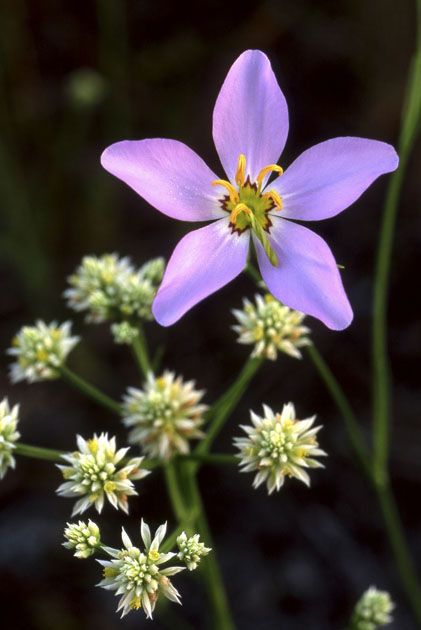
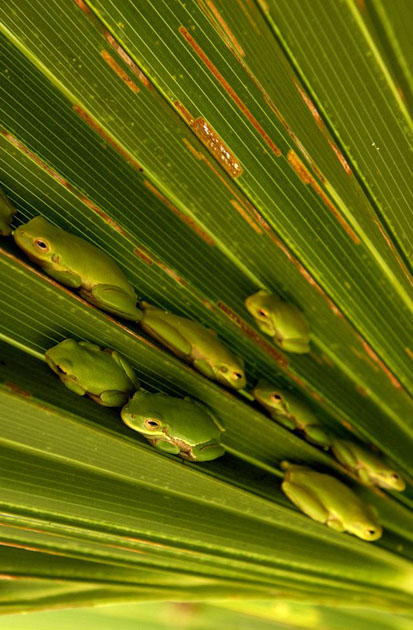
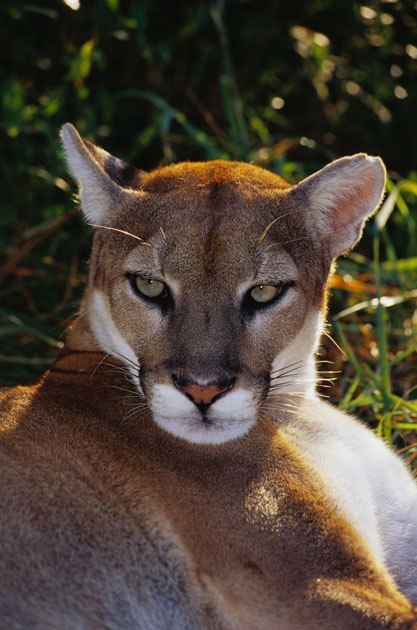
A black vulture. The health of the park dubbed the River of Grass has suffered greatly in recent years, hurt by polluted runoff generated by sugar farms that lie in the centre of the ecosystemPhotograph: Joe Raedle/GettyA flock of flamingos takes flight. The vital southward passage of water from Lake Okeechobee in central Florida to the Everglades also has become increasingly impeded by industry, posing another threat to the parkPhotograph: Andy Newman/EPAClouds and shoreline trees reflect in an Everglades canal. The land sale, comprising about 300 square miles, would allow US Sugar to continue farming for six years before giving up its leases, effectively putting the country's cane sugar maker out of businessPhotograph: Raul Touzon/National Geographic/GettyA roseate spoonbill. The rebuilding project was originally planned as a $7.8bn (£3.9bn) joint effort with the federal government, but funding to resuscitate the park has proven hard to come byPhotograph: Medford Taylor/National Geographic/GettyA crocodile observes at the water surface. Florida state has dedicated about $2.4bn to the effort so far, with Congress allotting much lessPhotograph: Carlos Barria/ReutersWetlands in the Everglades. In the wake of the deal, US Sugar is expected to cease operations in Florida, where cane harvesting brought the company an estimated $400m in annual profitsPhotograph: Farrell Grehan/CorbisA dragonfly hangs onto a stick. Although humans have lived in the Everglades for thousands of years, it was not until 1882 that the region began to be drained for agricultural or residential usePhotograph: Joe Raedle/GettyA trio of red-bellied woodpeckers. The ecosystems in Everglades national park have suffered significantly from human activity, and the repair and restoration of the Everglades has become a politically charged issuePhotograph: National Geographic/GettySalt marsh pink. The Everglades has an immense capacity for water storage, due to the sponge-like permeable limestone underneath the exposed landPhotograph: Phil Schermeister/CorbisAn American green tree frogs rest in the shade of a palm tree. Rising sea levels caused by global warming are another threat to the future of the park. Since 1932, ocean levels at Key West have steadily risen by over 20cm, which could have disastrous consequences for the areaPhotograph: Mary Knox Merrill/The Christian Science Monitor/GettyUnlike most other US national parks, Everglades national park was created to protect a fragile ecosystem instead of safeguarding a geographic feature. Thirty-six species designated as threatened or protected live in the park, including the Florida panther (left)Photograph: Galen Rowell/Corbis
Sign up to read this article
Read news from 100’s of titles, curated specifically for you.