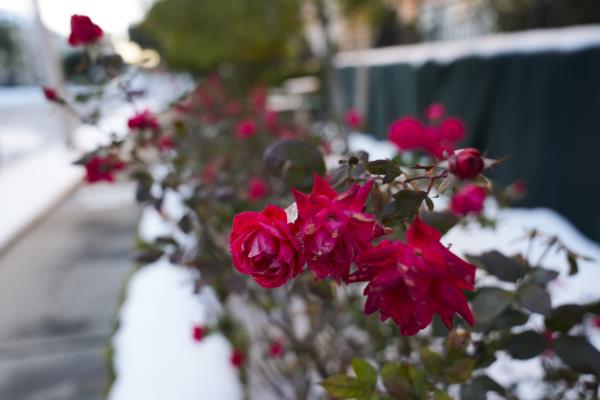
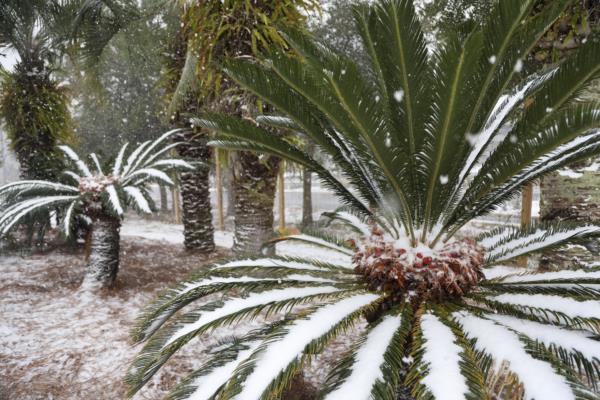
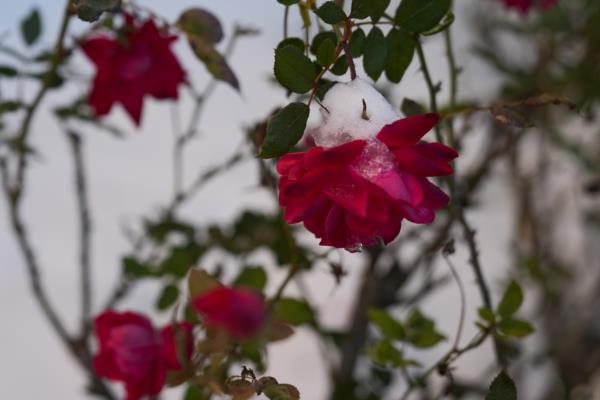
A graduate student at the University of Louisiana at Lafayette mentioned that most plants should survive the snowfall due to their genetic memory and adaptation to extreme weather. A retired biology professor emphasized the resilience of plant species, stating that despite the visible damage, plants will bounce back as they have evolved to withstand such conditions.
Concerns were raised about the response of Spanish moss to the extreme weather, as it is a delicate plant. However, experts believe that Florida's native plants, accustomed to various environmental challenges, will endure the cold spell.
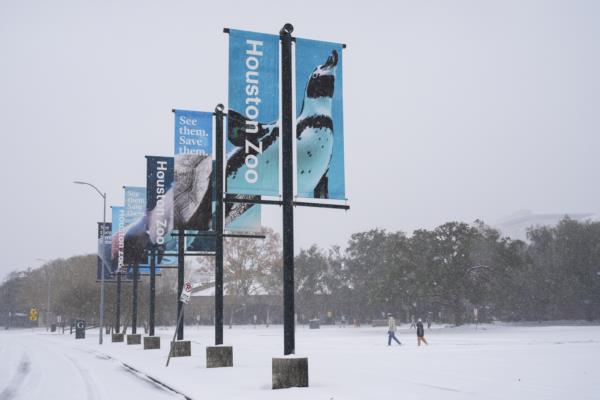
In Houston, where temperatures are predicted to reach 18 degrees F (minus 7.7 Celsius), the zoo staff is ensuring the animals are cared for and sheltered. Sea turtles are particularly vulnerable to sudden temperature changes, and efforts are being made to rescue and provide veterinary care to cold-stunned turtles.
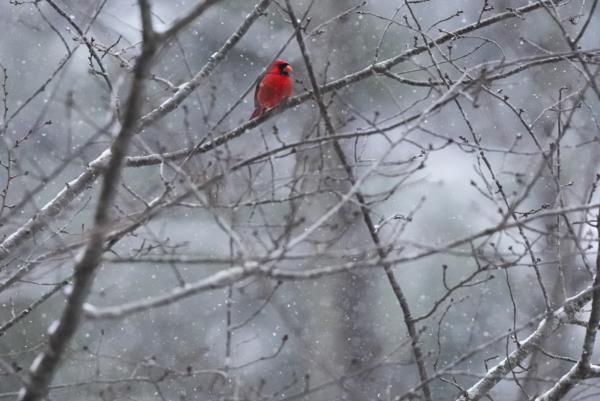

Wild animals like skunks, possums, raccoons, nutria, and shorebirds are expected to weather the temperature drop naturally. Snakes are known to adjust their metabolism and seek shelter during cold spells, entering a mild hibernation to survive.
Even in Miami, iguanas may be affected if temperatures fall below 40 F (5 C), causing them to become immobilized until warmer conditions return. Experts suggest that healthy iguanas can withstand brief cold snaps without significant harm.