
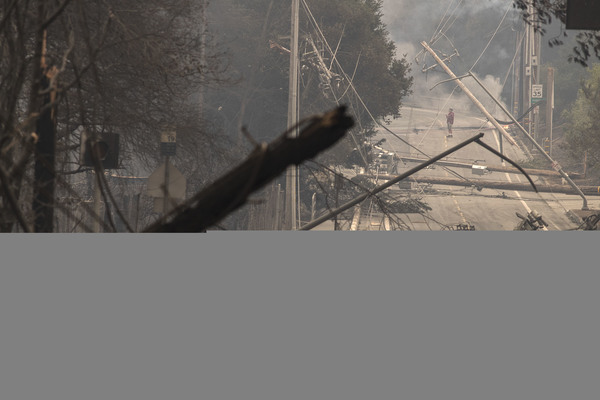
SANTA ROSA, Calif. _ Dr. Scott Witt kept close behind the ambulance carrying the newborns. On his motorcycle, he drove over and ducked under downed power lines. He swerved around embers blowing onto the highway.
Sutter Santa Rosa Regional Hospital, where Witt oversees the neonatal intensive care unit, was being evacuated Oct. 9 because of wildfires that would become the deadliest in California history.
But Witt couldn't call the doctors who would be caring for the babies because there was no power. The physicians at the other hospital also had no way of accessing Witt's medical records online to know what treatment was needed.
"I knew if I didn't leave then, there would be no way I could take care of the babies," he said.
As the blaze grew feet away, Witt tailed the ambulance through smoke and debris.
The Northern California wildfires created what some described as an unprecedented health care crisis that has served as a wake-up call in the region. Not only were two major hospitals evacuated hours into the disaster, but the chaos continued for days after.

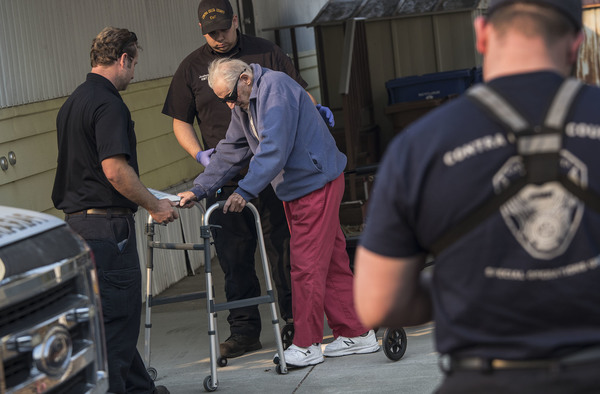
Thousands of people were displaced and staying in shelters, many without their medicines. The fires left clinics burned or evacuated for days. Pharmacies struggled to fill prescriptions. Nursing home patients waited on cots in shelters, without oxygen tanks or their caregivers. Doctors and nurses also lost their homes.
Some of the problems were unique to the wine country fires, which raced from open space into the hearts of communities, killing more than 40 and destroying more than 5,000 homes, many in Santa Rosa.
But the damaging effects on the health care system could easily be repeated during other natural disasters, such as earthquakes causing widespread destruction in the Los Angeles region and the Bay Area.
In Santa Rosa, officials said the fires showed the success of some of their medical emergency planning, but also exposed gaps in the health care system's response.
"It's going to happen again. There's going to be another fire, there's going to be another earthquake, there's going to be another flood and ... we absolutely have to get better at this," said Chad Krilich, chief medical officer for St. Joseph Health in Sonoma County.









.jpg?w=600)



