Wildfires are yet again raging across Europe.
The deadly blazes killed hundreds of people over the last decade, amid a warning that climate change is set to push the death toll even higher in the coming years.
This week, a wildfire in southern Spain killed at least 11 people overnight into Friday morning, making it one of the country’s deadliest on record.
Temperatures continue to soar and grip much of the country and others on the continent. Europe is the world’s fastest-warming continent, with temperatures increasing twice as fast as the global average since the 1980s, according to the European Union’s Copernicus Climate Change Service.
Globally, 2025 was the third-hottest year on record, bringing several intense heat waves across Europe.
Scientists warn that the climate crisis, caused in part by the burning of fuels like petrol, oil and coal, is exacerbating the frequency and intensity of heat and dryness, making certain regions more vulnerable to wildfires.
Here’s a look at some of the last decade's deadliest wildfires across Europe:
Spanish wildfires
As flames approached their homes and the smoke-filled air became choking, panicked residents in rural Andalusian villages around Los Gallardos in southern Spain chose to flee – a decision some paid for with their lives. Firefighters on Friday were still trying to contain one of Spain's deadliest wildfires, with a total of 11 people confirmed dead, while 19 more are missing.
Authorities told some residents of areas in the mountains above Los Gallardos to evacuate via a recommended route, while residents of the forested hamlet of Bedar were told to shelter in place.
However, as the flames rapidly approached, Antonio Rubio, a handyman living in Bedar, said the smoke had made it impossible to shelter in place.
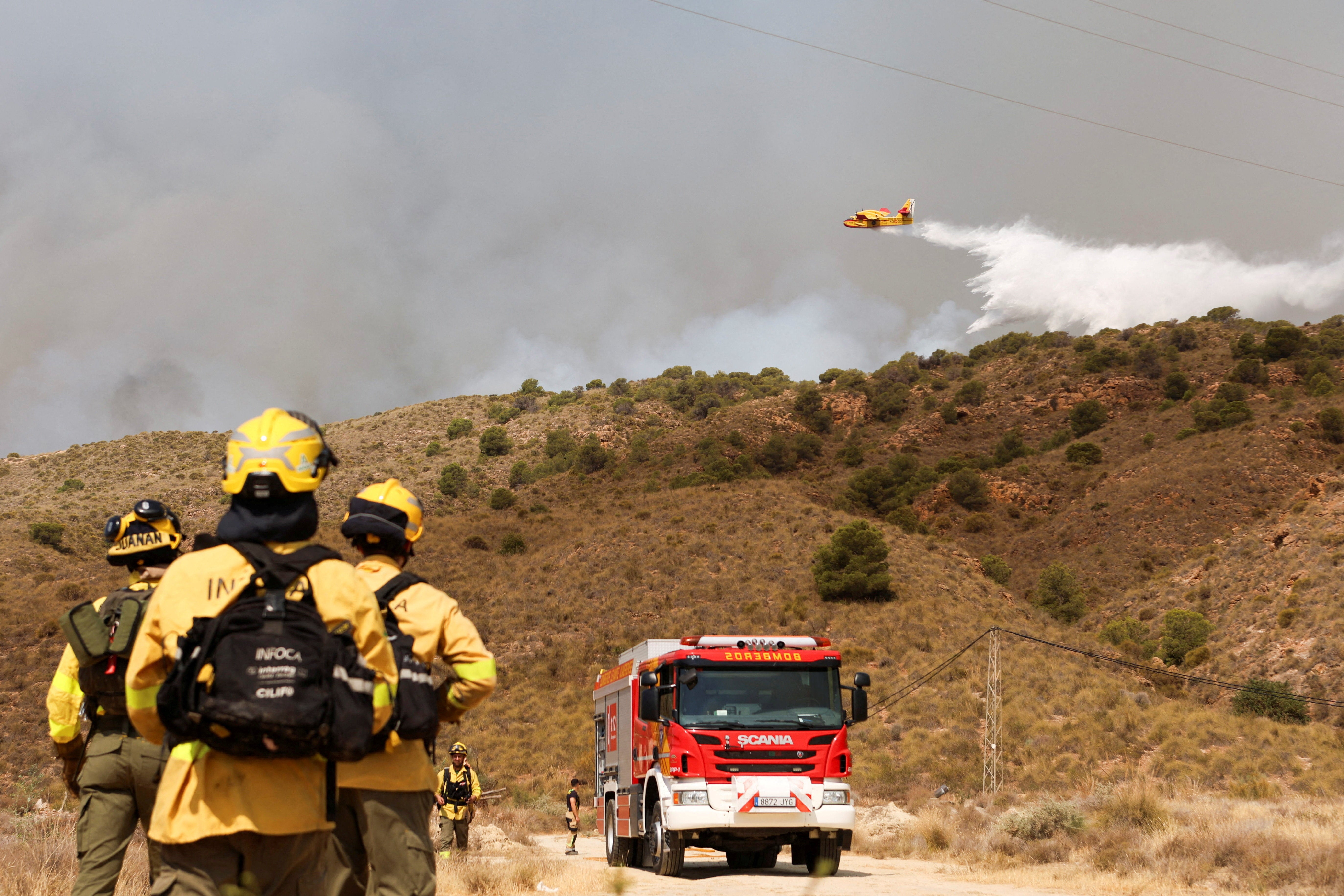
“We left the house yesterday [Thursday] afternoon at 5 o'clock. The fire didn’t reach my house – it stopped just short of it – but we could already see so much smoke, even though the fire was some distance away, so we had to leave,” he said. “We did so of our own accord.” Sonia, a British woman living in Los Gallardos who declined to give her last name, said that she had taken in relatives as the authorities had told them to evacuate at 7pm.
She said that they had been told to avoid the main route out of Bedar, driving out on a back route further up into the mountains instead before doubling back towards the coast.
“There are many houses in the middle of the countryside in the mountains, so people would take whichever roads they could,” she said.
“The road from Bédar to Los Gallardos was blocked, since the fire had crossed the road and it was impassable.”
Antonio Sanz, head of emergencies in the Andalusia region, said residents of Bedar had been told either to take a recommended evacuation route, or stay in their homes given that the fire was so close. “In situations like this, it is essential that we all follow the routes indicated,” he said. “Unfortunately in this instance a decision was taken to use another route that wasn’t the one recommended for evacuation. Looking for another way out via a dry riverbed turned out to be a trap.”
Four people, whom he said appeared to be British as the steering wheel of their car was on the right-hand side, died in one vehicle, Sanz said, while seven others were found dead after apparently abandoning their cars to try to escape on foot.
Ten of the victims appeared to be foreign nationals, while one Spaniard has been confirmed dead, he said.
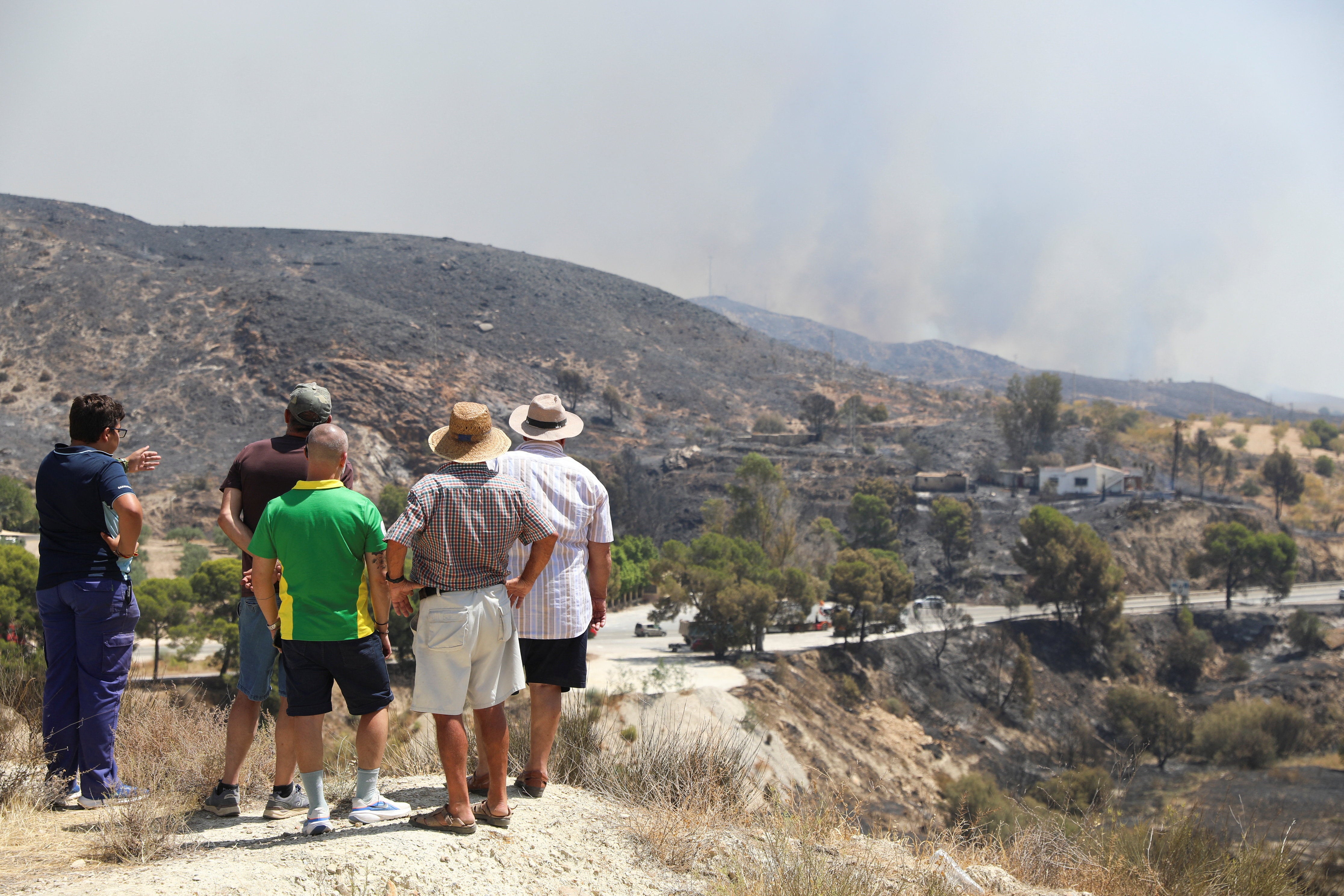
“The village of Bedar in the end wasn’t affected by the flames in most cases so that order to shelter in place avoided a more serious situation,” he added.
In the early hours of Friday, as the authorities sought to identify those dead and track down the missing, anxious relatives from around the world posted messages on social media and local forums.
One woman in the United States posted a message to the local emergency services saying her brother had been among a group of 10 people who tried to escape through a valley next to a stream, sharing the coordinates and asking emergency services to check for him.
The regional president Juanma Moreno said the instinct to flee was understandable. “When many people see a fire, the first thing they do is run away, don’t they? And of course, they think they know the routes but if they don't have the right information, those routes can of course turn into a death trap.”
Greek wildfires
Greece’s deadliest wildfire was in 2018, when a massive blaze swept through the seaside town of Mati, east of Athens, trapping people in their homes and on roads as they tried to flee. More than 100 people died, including some who drowned trying to swim away from the flames.
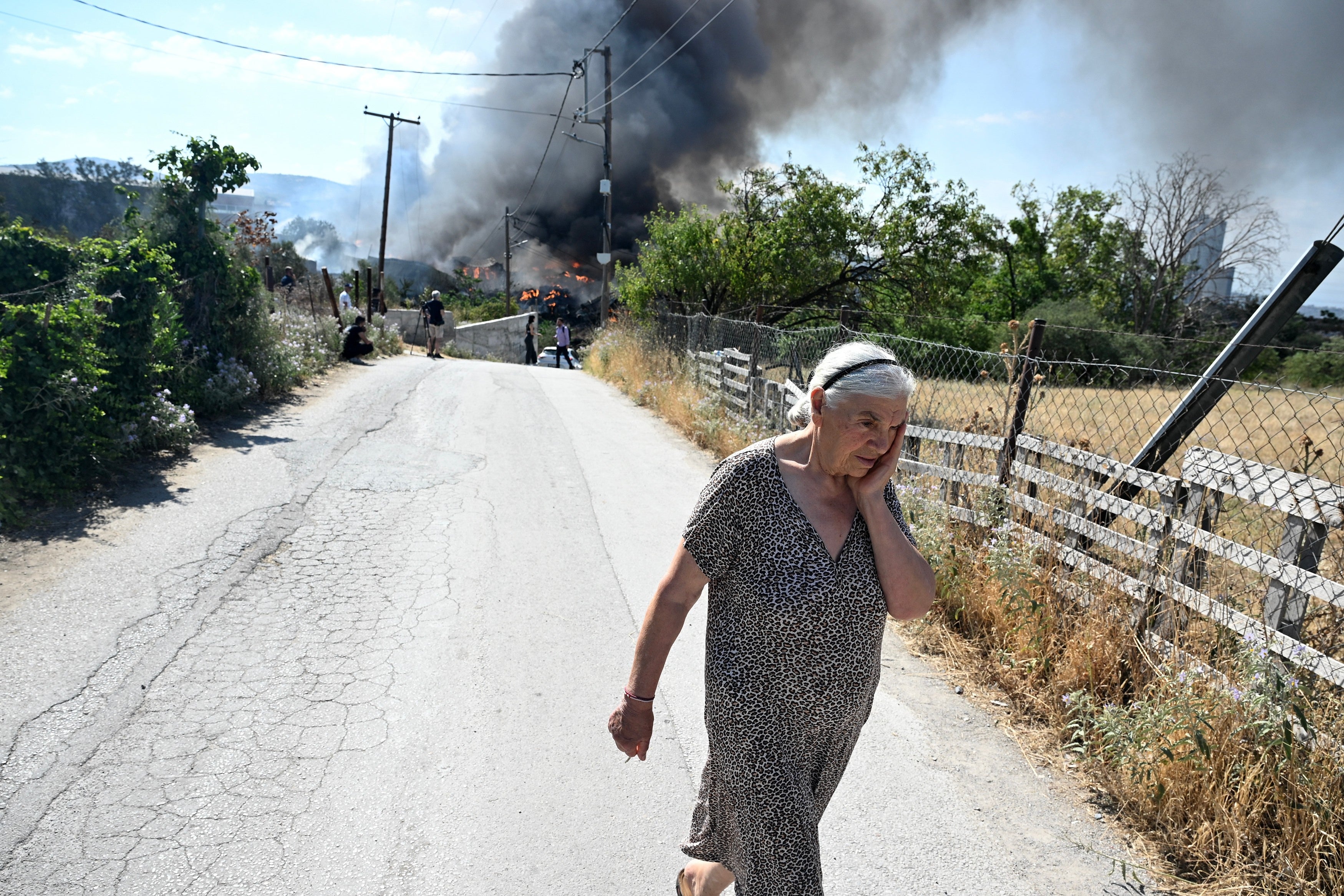
In 2023, more than 20 people died in Greek wildfires, including 18 migrants who were trapped in what became Europe’s largest single recorded wildfire as they crossed through a forest in northeastern Greece.
More recently, a wildfire in northern Greece killed a 12-year-old boy and his father last week.
Turkish wildfires
Last July, 10 firefighters and rescue workers were killed while trying to put out a wildfire that raged in a forested area of Eskisehir province in northwestern Turkey. The victims were forestry workers and members of the AKUT rescue organisation.
Forestry Minister Ibrahim Yumakli said at the time that winds suddenly changed direction, causing the flames to shift and surround the forestry workers.
One of them was a 28-year-old man who had returned to work from his honeymoon just two days earlier. And one AKUT volunteer had spent a month rescuing the victims of a catastrophic earthquake that struck southern Turkey in February 2023.
Portugal wildfires
Portugal’s deadliest wildfire left 66 people dead in 2017 in Pedrogao Grande, 200km (120 miles) northeast of Lisbon. Most of the victims died on one road while trying to flee in cars.
Additional late-season wildfires brought 2017’s annual wildfire-related death toll in Portugal even higher, to more than 120 people, making it the deadliest year for such fatalities. The victims included a 1-month-old infant and the baby’s parents.
The Portuguese government went on to enact a range of measures to prevent and contain wildfires.
Reforms included public education campaigns on how fires start, establishing a rapid reaction force of firefighters and cutting several thousand kilometers (miles) of firebreaks, as well as making available a large number of firefighting assets.
Cyprus wildfires
In Cyprus, many officials have pointed to climate change for the ferocity and speed of recent wildfires that have claimed at least six lives over the last five years.
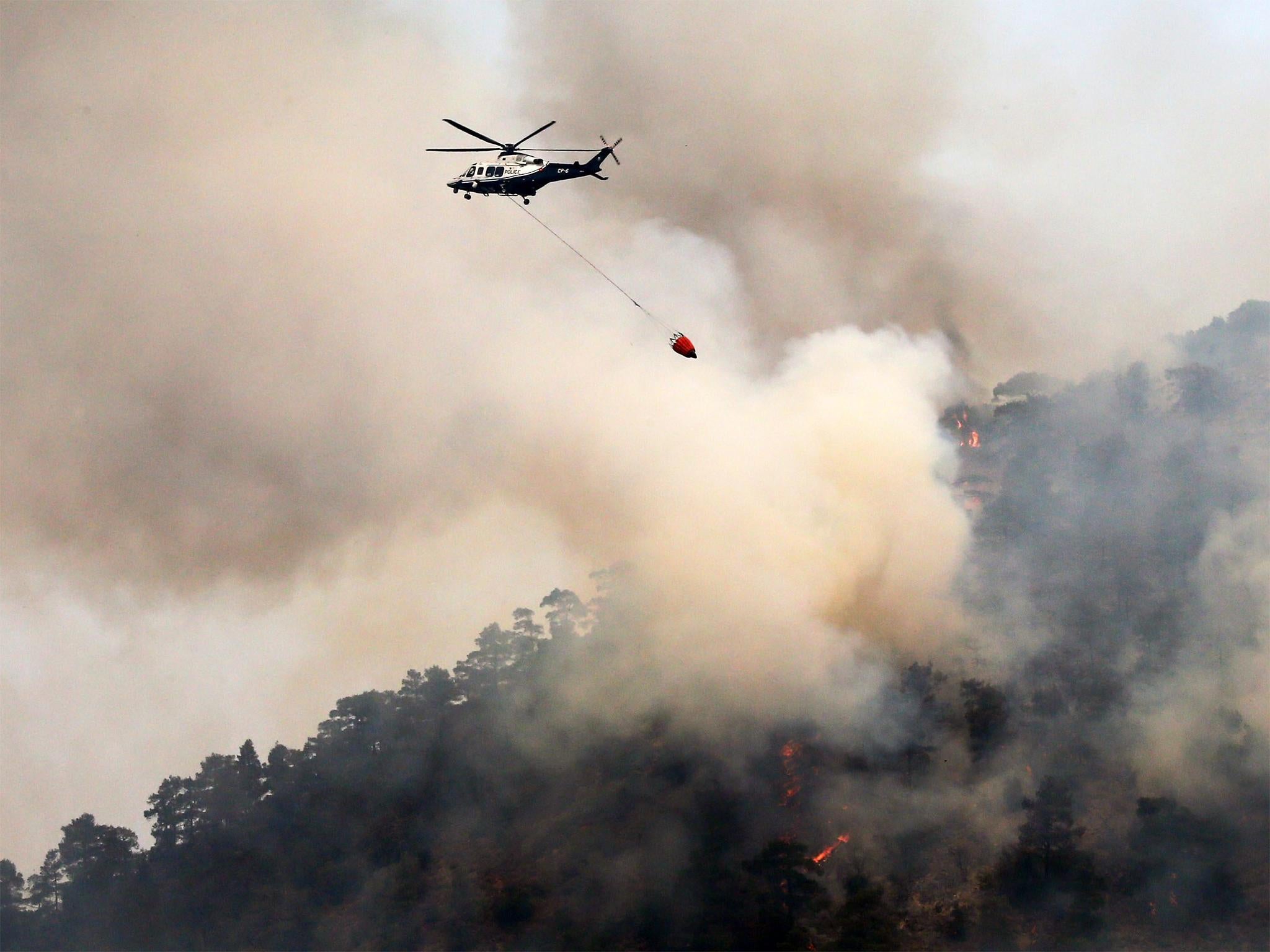
In July 2021, the charred remains of four Egyptian labourers were discovered outside a fire-swept mountain village in what one official called the “most destructive” blaze the east Mediterranean island nation had ever seen.
Last July, rescue crews found the bodies of an elderly couple inside a gutted car on the shoulder of a mountain road. The speed with which the wildfire scorched roughly 50 square miles of forested hillsides prompted president Nikos Christodoulides to remark that “there’s never been anything like this before in Cyprus.”
Very strong winds, high temperatures and very arid conditions after three winters of minimal rainfall created a perfect storm at the wildfire’s peak.
In August last year, a study by World Weather Attribution said climate change that has driven scorching temperatures and dwindling rainfall made massive wildfires in Turkey, Greece and Cyprus burn much more fiercely that summer.