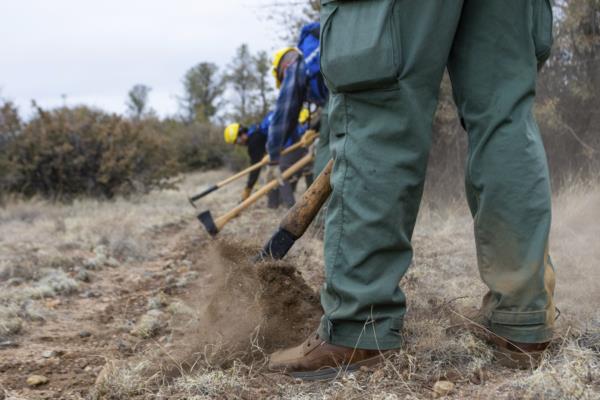
As the wildfire season unfolds, the United States is bracing for a potentially long and arduous battle against blazes that have already ravaged significant areas. In the first quarter of the year, over 2,669 square miles of land have been scorched, surpassing half of last year's total. Forecasters are warning of heightened fire risks in regions including the Great Lakes, parts of the Midwest, Southwest, and Hawaii in the upcoming months.
The U.S. Forest Service is gearing up for a demanding season, with officials acknowledging the need for a new approach to wildfire management. This shift aims to enhance flexibility in responding to fires and ensure an adequate number of trained personnel to tackle complex blazes effectively.
The impact of climate change is exacerbating wildfire challenges, with the American West experiencing hotter and drier conditions, leading to more frequent and destructive fires. To address the strain on firefighting resources, 44 leadership teams have been established this season to handle the largest fires nationwide.
Factors determining a fire's complexity are carefully assessed, considering variables such as fuel conditions, growth potential, and threats to communities and resources. The evolving nature of wildfires demands a proactive and adaptive response from firefighting agencies.
Recruitment efforts are underway to bolster the ranks of wildland firefighters, with the Forest Service aiming to hire approximately 11,300 firefighters this year. The lengthening fire season has prompted a shift towards more permanent firefighting positions, reducing reliance on seasonal crew members.
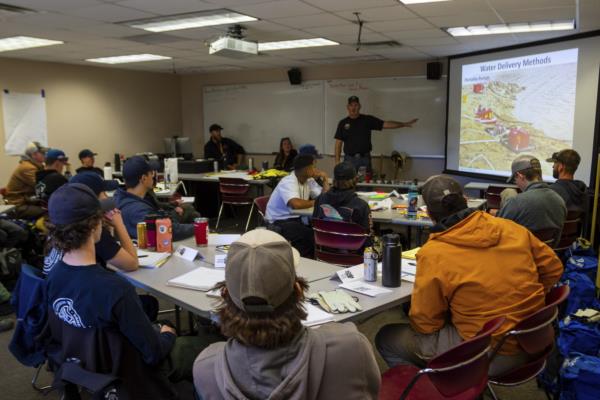
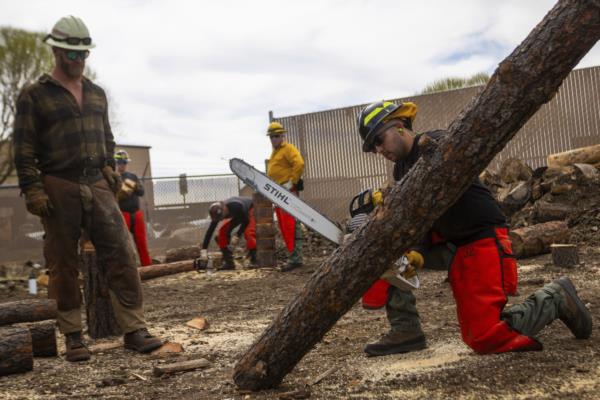
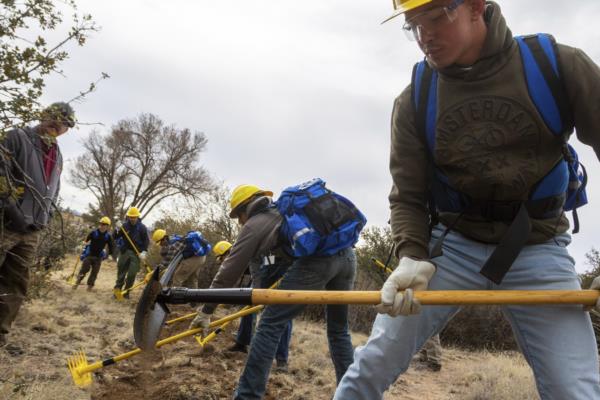
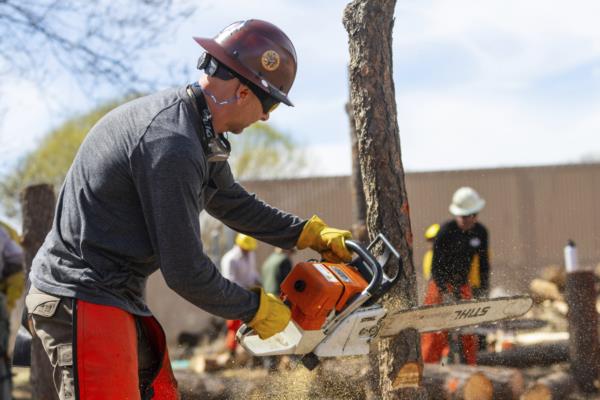
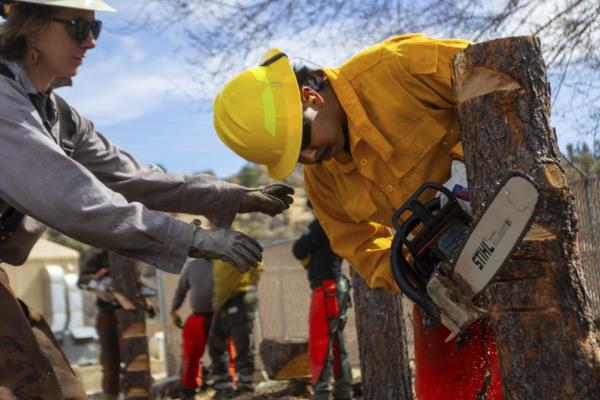
Training remains a critical focus, with new recruits required to undergo rigorous wildland fire training and fitness assessments. A recent wildfire training academy in Arizona attracted over 1,000 participants, providing hands-on experience in fire suppression techniques.
For seasoned managers overseeing large-scale fire operations, new training courses are being introduced to align with the restructured management teams. These teams, comprising 50 to 90 experts, are designed to enhance coordination and efficiency in responding to complex fires.
The overarching goal of these changes is to ensure that communities receive timely and effective support during wildfire incidents. By optimizing firefighting resources and expertise, agencies aim to safeguard lives, property, and natural landscapes from the growing threat of wildfires.