
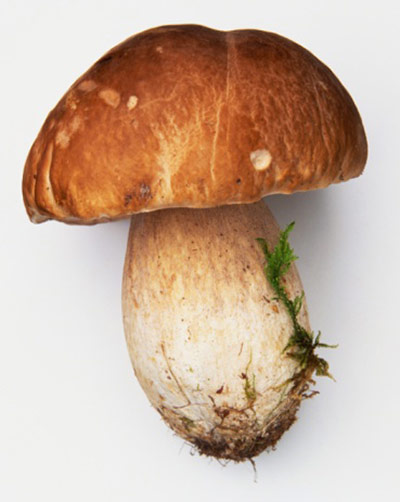
Cep (AKA penny bun, porcino)
Sometimes called the king of mushrooms. Expensive to buy, easy to dry. Brown dome-shaped cap, white to olive-yellow tubes, off-white and exceptionally thick stem. Common in woods, often near fly agaric (see Nasty). Photograph: Neil Fletcher/Getty Images/Dorling Kindersley
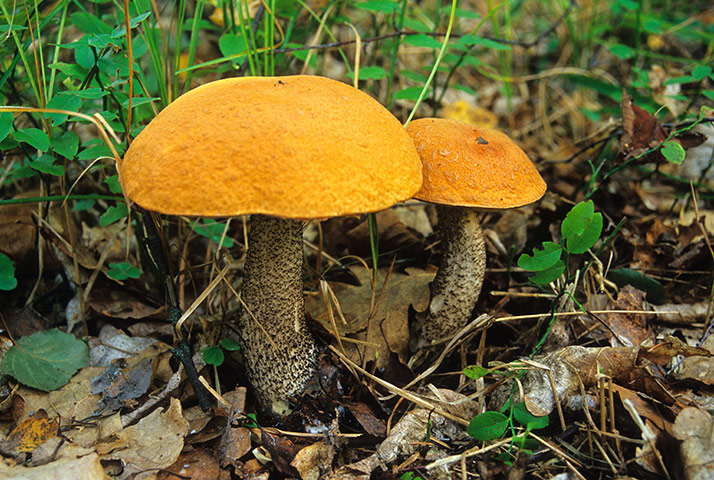
Orange birch bolete
Almost as tasty as the cep, and less prone to maggots. Orange cap, off-white tubes, long, thick stem of white flecked with grey or black. Usually found near birches, often hidden among bracken, bilberries etc. Photograph: Alamy

Cauliflower fungus (AKA brain fungus)
A roundish mass of convoluted “leaves”, starting out cream but eventually becoming brown (by which time it is inedible). Good eating and drying, but needs thorough cleaning. Found on roots and stumps of pines and spruces. Photograph: Alamy

Giant puffball
It’s big, white and shaped like a ball! Commonest in open woodland and grassland, often among nettles. Stick to the larger specimens, which are hard to mistake for anything else. Avoid once brownish and mature. Photograph: Alamy
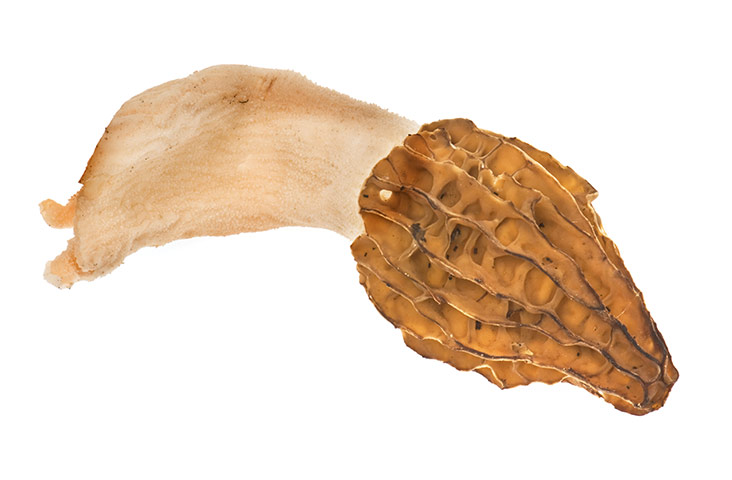
Common morel
The most prized of the springtime fungi. Tall cap, covered in deep pits like a honeycomb built by drunken bees. Hollow inside – just one chamber, unlike the false morel (see Nasty). Commonest under deciduous trees and hedges, on chalky soils. Old specimens can be poisonous. Photograph: Maximilian Weinzierl / Alamy/Alamy
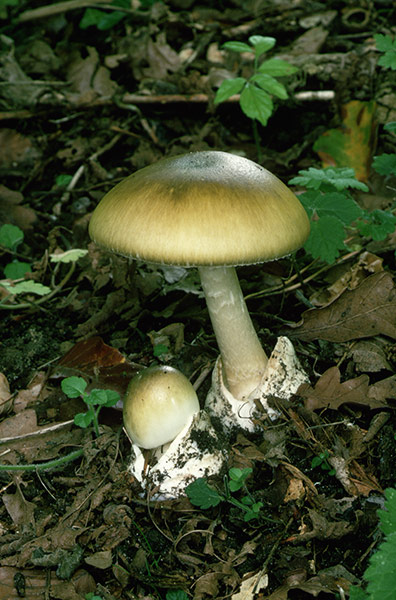
Death cap
The cause of most mushroom-related fatalities. Often mistaken for a field mushroom. Olive-yellow to greenish-bronze cap, white gills. Stem with obvious ring rises from a bag-like “volva”. Photograph: George McCarthy/CORBIS
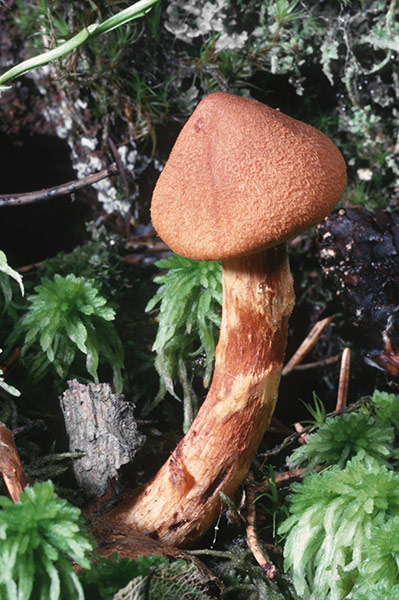
Deadly webcap
Rare but potentially lethal. Reddish-brown cap, widely spaced gills, long stem often bearing remains of yellow cobweb-like veil that covered gills when younger. Commonest among conifers. Smells faintly of radishes. Photograph: blickwinkel / Alamy/Alamy
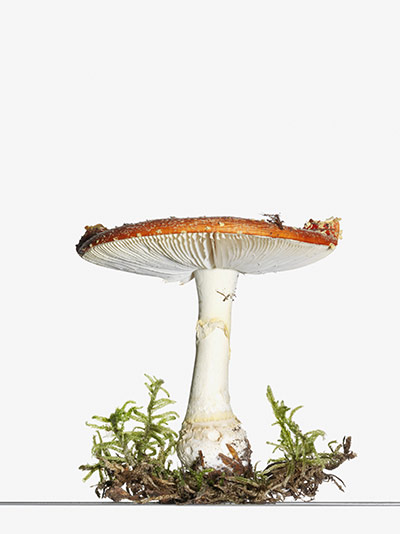
Fly agaric
The classic “toadstool” of children’s books, its large red cap flecked with white, its bulbous-based white stem ringed with scales. Most common with birch, pine and spruce. Rarely fatal to humans but causes hallucinations, sickness and occasionally comas. Photograph: Image Source Pink/Getty Images/Image Source
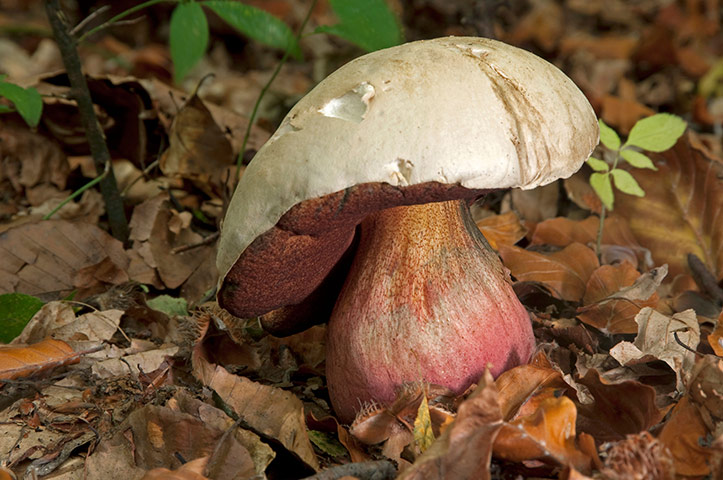
Devil’s bolete
The black sheep of the mostly edible bolete family. Even small amounts cause vomiting and diarrhoea. Rare. Dirty white cap, thick red and yellow stem, red tubes. Photograph: WILDLIFE GmbH / Alamy/Alamy
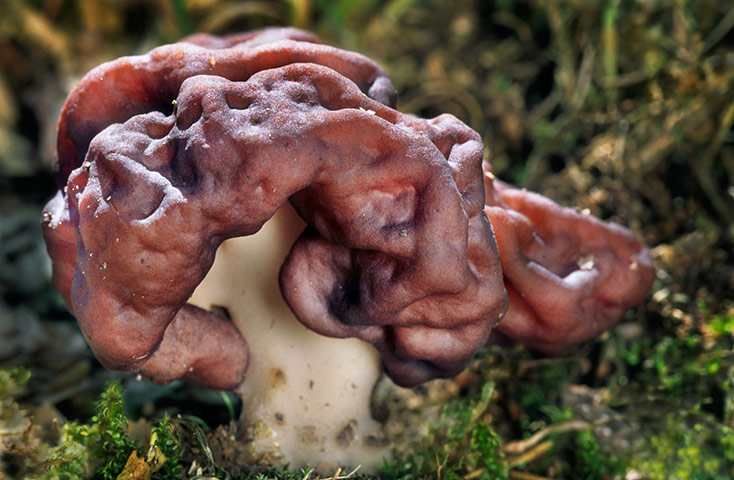
False morel (AKA turban fungus)
Certainly poisonous, possibly carcinogenic. Deeply convoluted, reddish-brown to browny-black cap and paler stem. Hollow like the common morel (see Nice), but divided into multiple chambers. Photograph: Alamy












