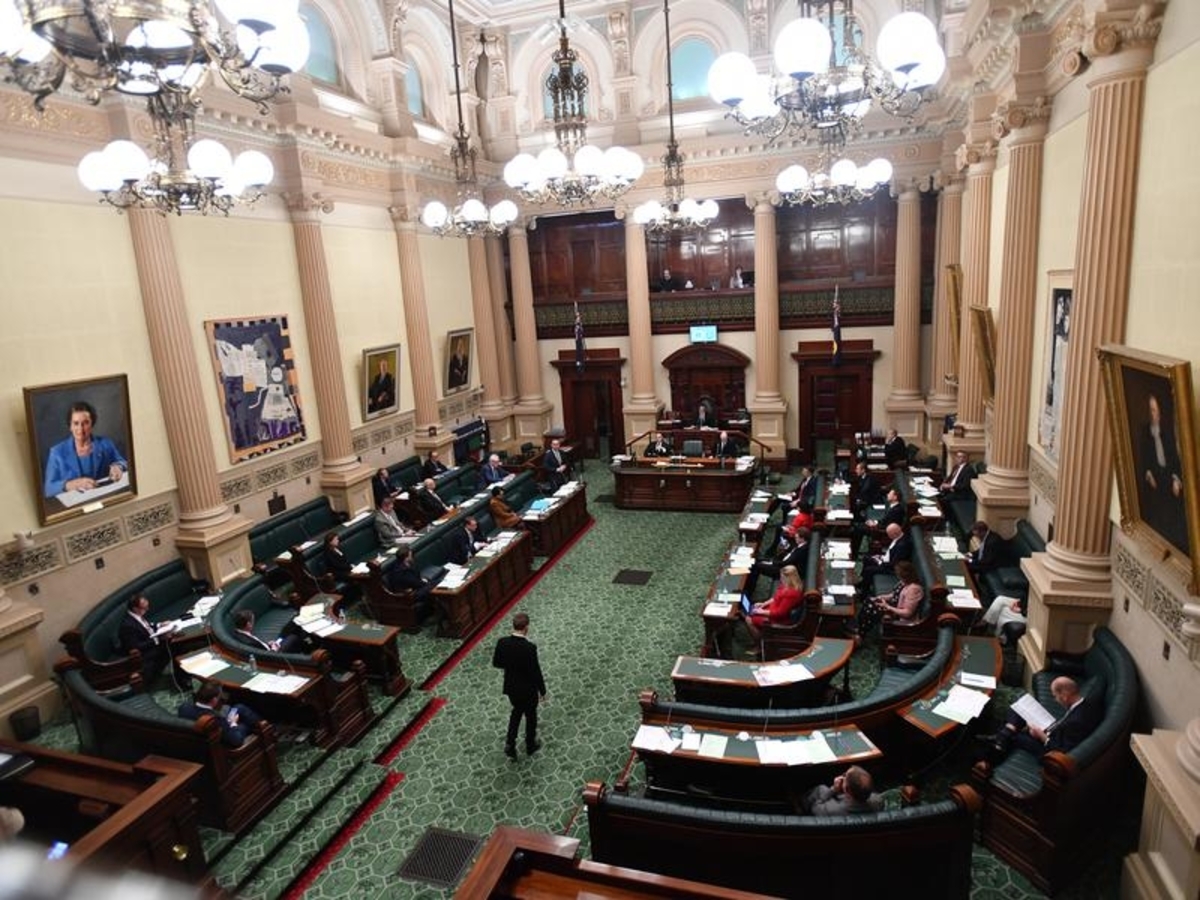
Dishonest and systemic underpayment of wages and the shocking treatment of some workers during the pandemic has been revealed in a South Australian parliamentary inquiry into wage theft.
In its report on Wednesday, the committee said its three-year inquiry uncovered slavery-like practices, including women being forced to work in bikinis, workers forced to repay employers for being sponsored to come to SA and others being threatened if they reported underpayment of wages.
In some cases passports were taken with workers forced to pay as much as $3000 for their return, while others were confined to a location, labouring for extremely long hours on incorrect awards.
"Wage theft was found to be pervasive across South Australia among vulnerable cohorts of workers, especially those in non-union, casualised, insecure work," the committee said.
"Effectively, wage theft has become the basis of a business model."
Among its recommendations, it proposed the creation of a South Australian Wage Theft Act that would criminalise the most dishonest, systemic, and deliberate underpayments with punishments including fines and jail time in extreme cases.
Chair Irene Pnevmatikos said the committee recognised there was no one way to fix wage theft.
"There is significant work to be done to improve current structures as well as the need for new and stricter state and federal legislation," the Labor MP said.
But in a dissenting report, Liberal MP Heidi Girolamo said she did not support the creation of a state act, arguing it was appropriate for any changes to the industrial relations system to be made at the federal level.
Ms Girolamo said she strongly condemned any employer who did not comply with the law in relation to wages and conditions describing such action as "un-Australian".
However, she questioned the frequent use of the term wage theft.
"It is a highly emotive, loaded and misleading term which can mischaracterise hardworking small business owners who make genuine, accidental errors or miscalculations," she said.
"Such miscalculations or errors are often due to the complexity of the national system."
During its investigation, the committee also found issues with the payment of workers under the JobKeeper scheme instigated by the federal government at the start of the COVID-19 pandemic.
It heard evidence of workers being directed to clean their employer's house to make up the difference between their normal wage and the $750 JobKeeper payment, a worker being asked to sacrifice 10 per cent of their salary to help keep a business afloat, and workers being directed to take leave entitlements even though their employer was receiving JobKeeper payments.