Wider image: Monuments to Lenin remain 100 years after Russian Revolution
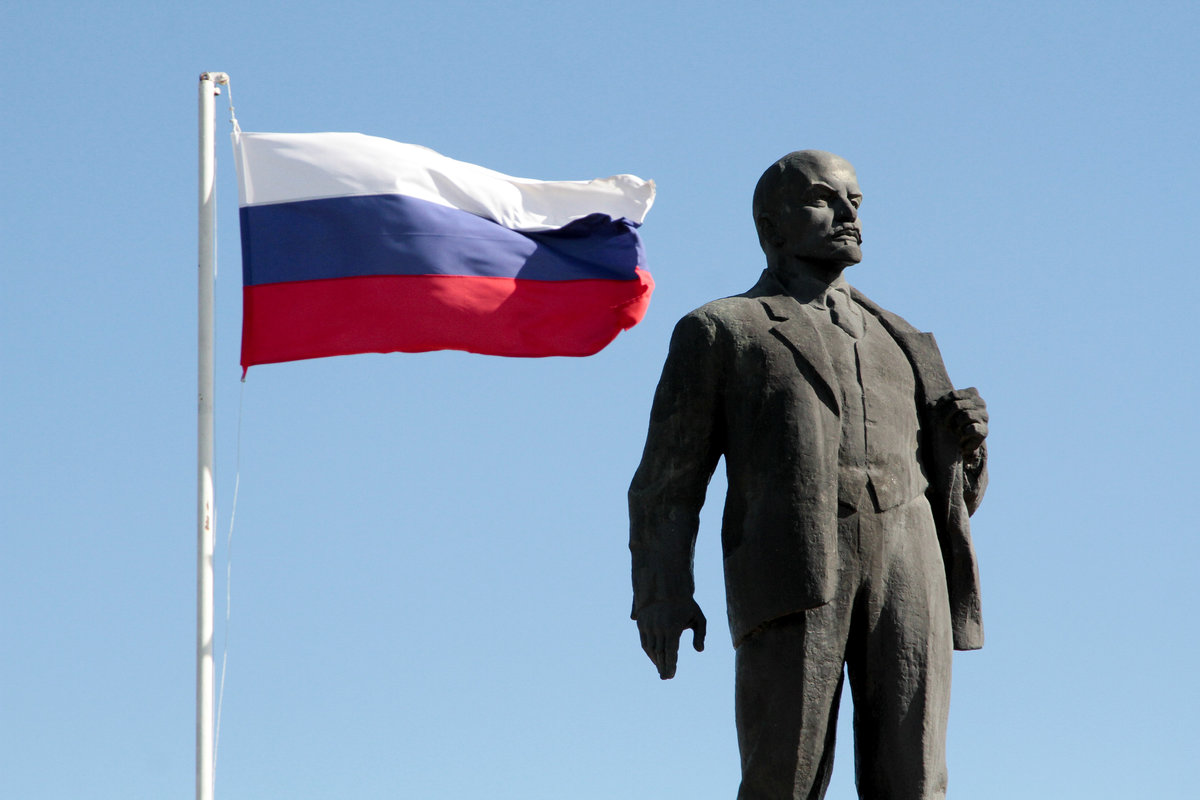
The Russian state flag flies in front of a monument to Soviet state founder Vladimir Lenin in Bakhchysarai, Crimea, September 27, 2017. REUTERS/Pavel Rebrov
(Reuters) - A century after the Russian Revolution, the influence of its leader Vladimir Lenin has waned but his image remains on monuments built across the former Soviet Union as part of a cult of personality.
Lenin was born in 1870 and became one of the 20th century's most important leaders as the revolution inspired by Karl Marx transformed Russia and influenced Socialists around the world for decades.
As the first leader of the one-party communist state, Lenin redistributed land and nationalized industry and banks in a bid to champion the working class. He also used violence on a wide scale to crush perceived opponents of his Marxist ideology.
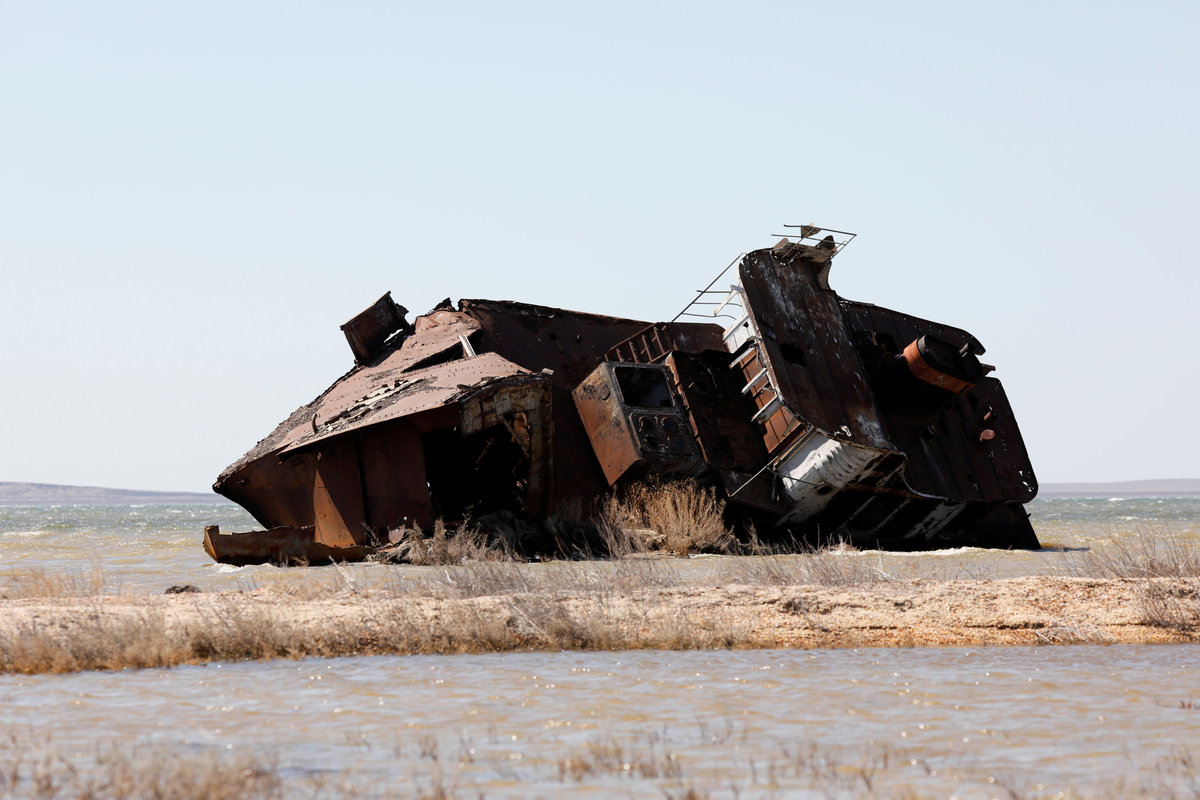
A ruined ship with Communist Party symbol hammer and sickle lies on a salinated part of the Aral Sea coast line near the village of Akespe, south-western Kazakhstan, April 16, 2017. REUTERS/Shamil Zhumatov
When he died in 1924, Soviet authorities displayed his body in a mausoleum in Moscow's Red Square where it lies to this day.
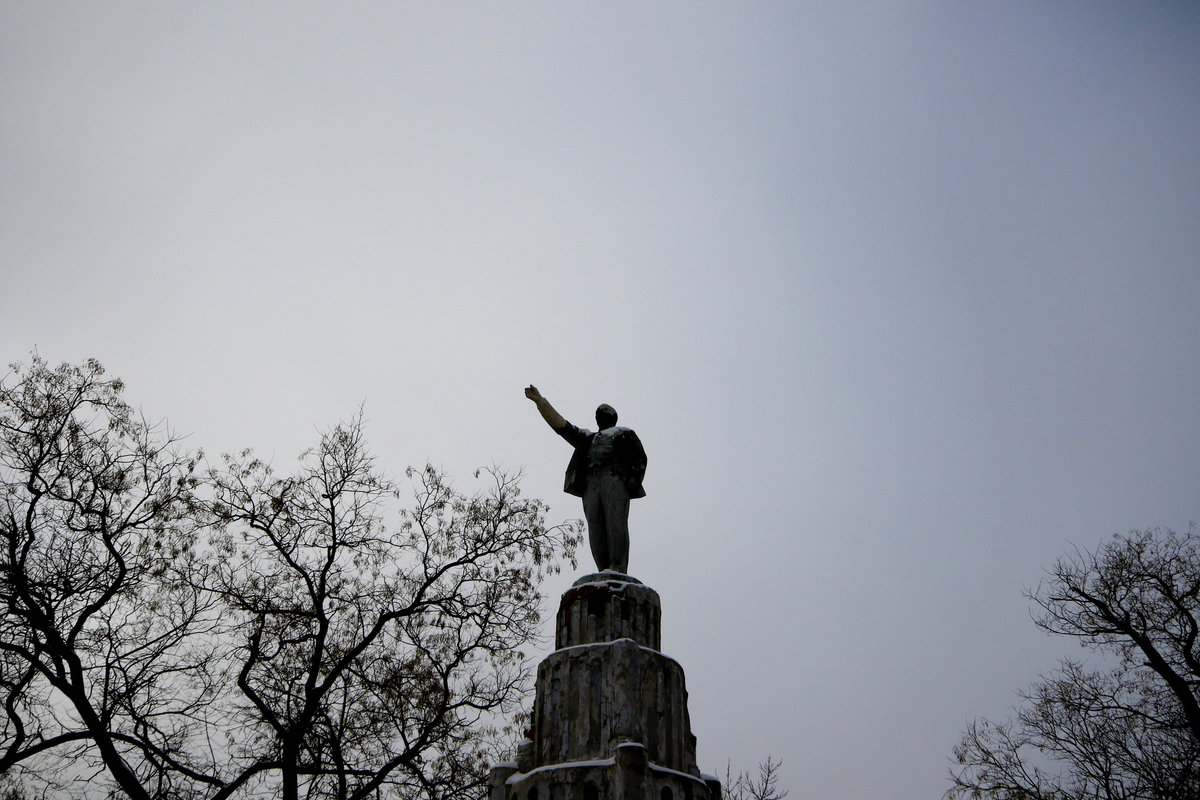
They also built monuments and statues of him around the Soviet Union, often depicting him giving a speech to supporters at a station in what is now Saint Petersburg on his arrival from exile by train in April 1917 to lead the revolution.
For the photo essay on monuments of Lenin click on: http://reut.rs/2h411d4
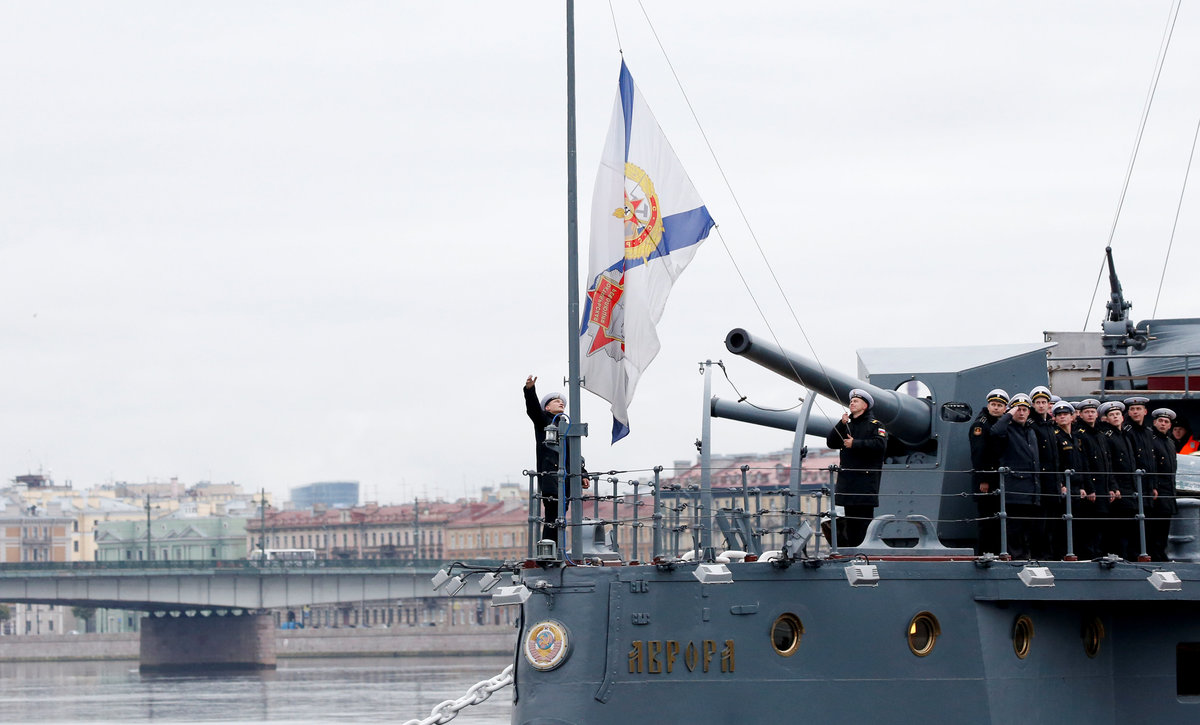
Russian servicemen run-up a navy flag as they stand on deck of the cruiser Aurora in St. Petersburg, Russia, September 30, 2017. The cruiser Aurora, which fired the shot that announced the start of RussiaÕs 1917 Bolshevik Revolution, now serves as a museum. REUTERS/Grigory Dukor
Many of the memorials have been toppled or removed since the Soviet Union was dissolved in 1991 but others remain, reflecting a debate in Russia about his legacy.
(Writing by Matthew Mpoke Bigg; Editing by Gareth Jones)
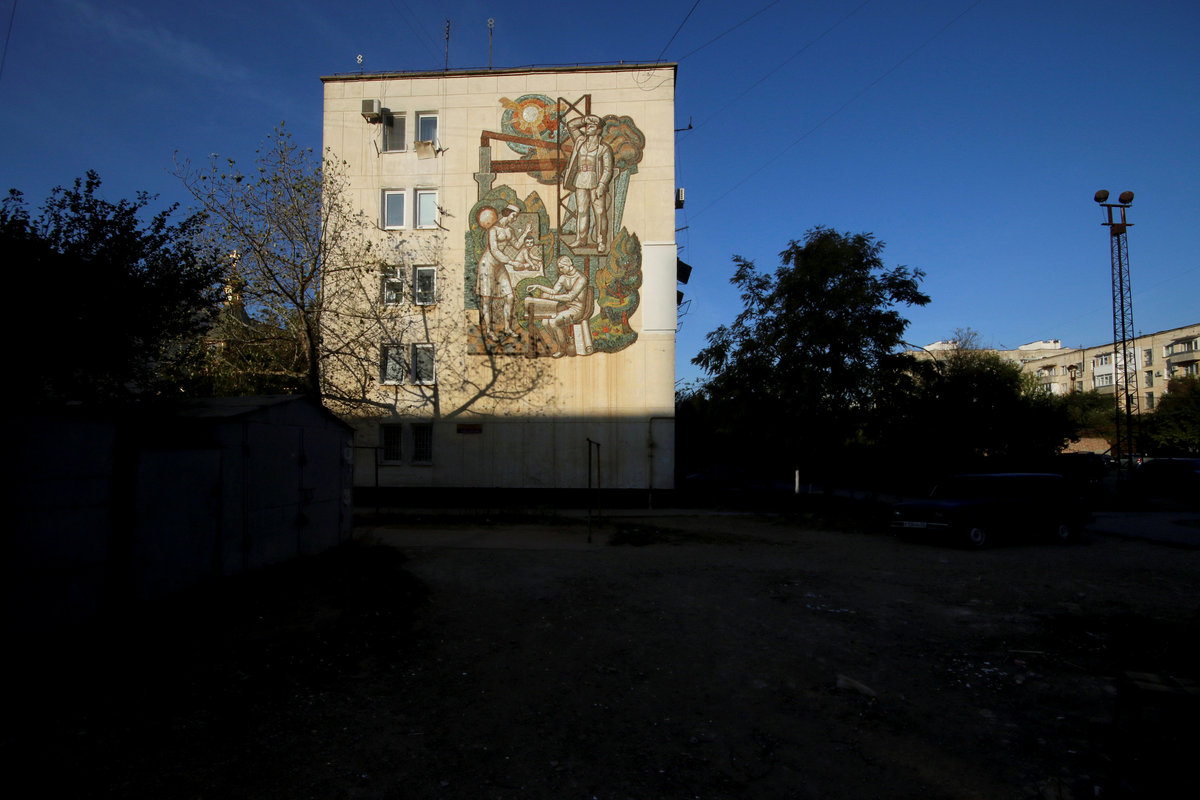
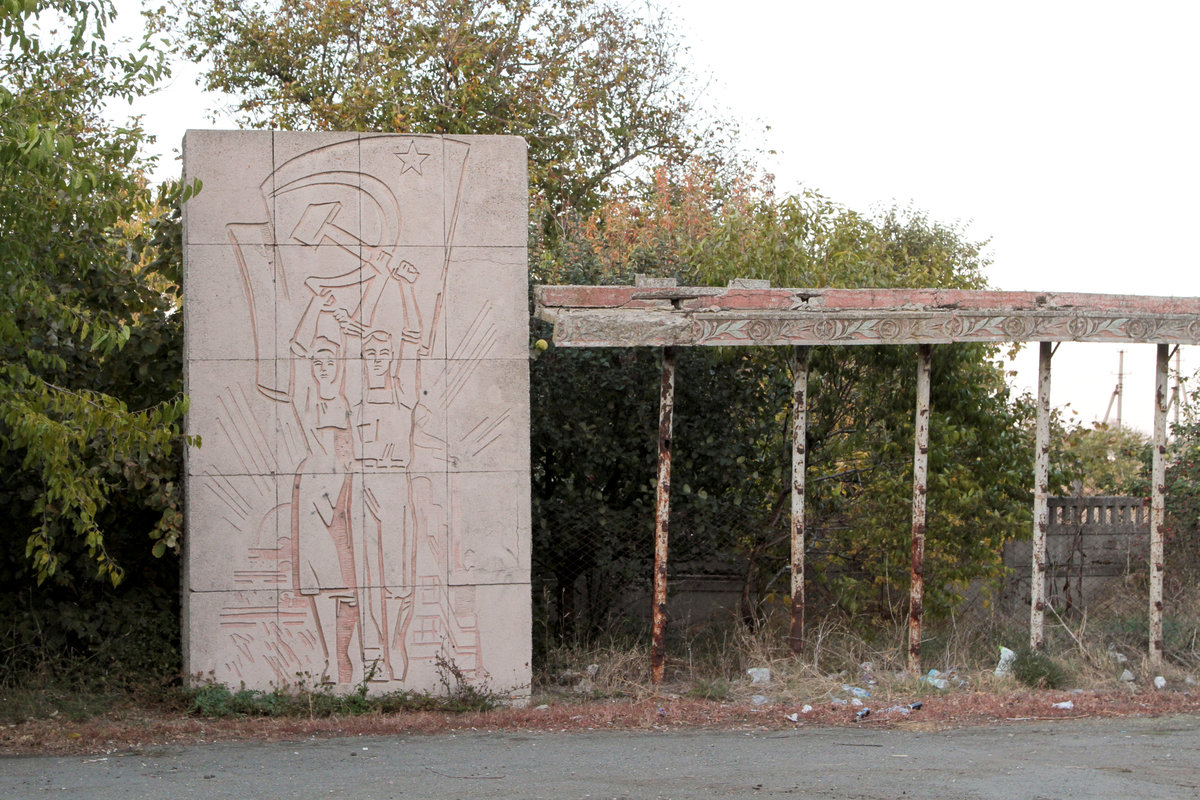
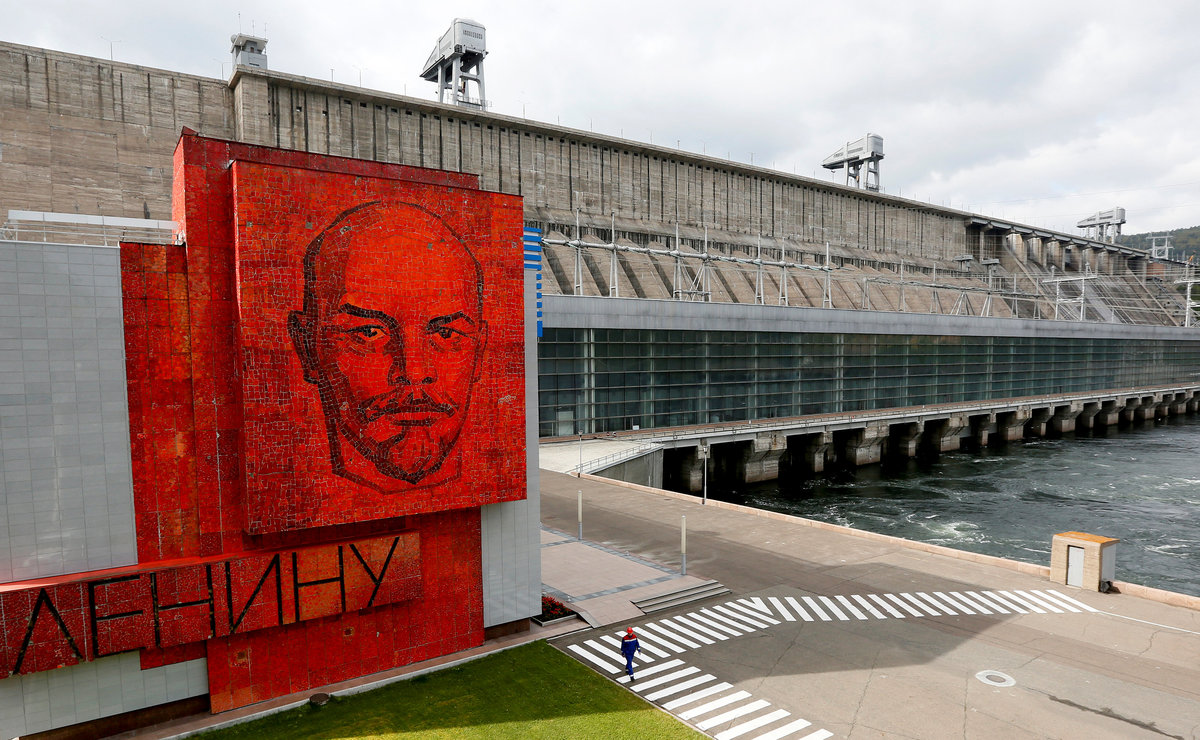
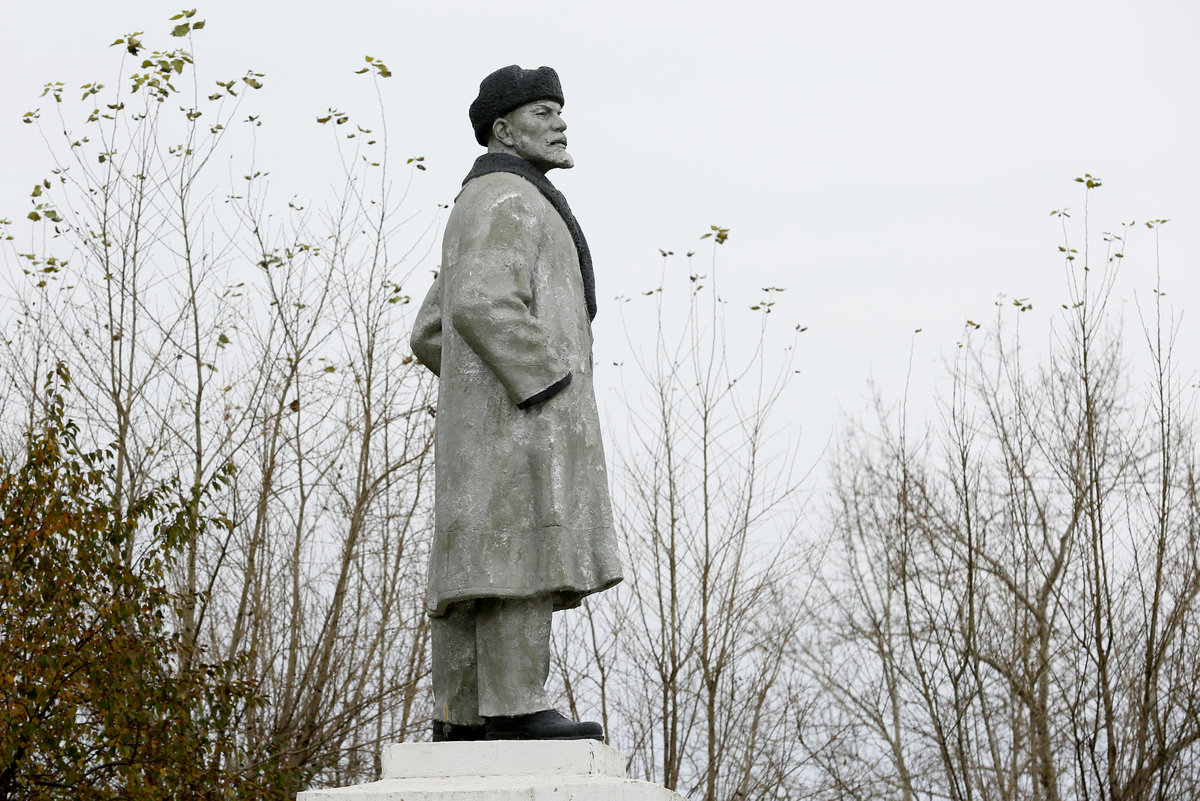
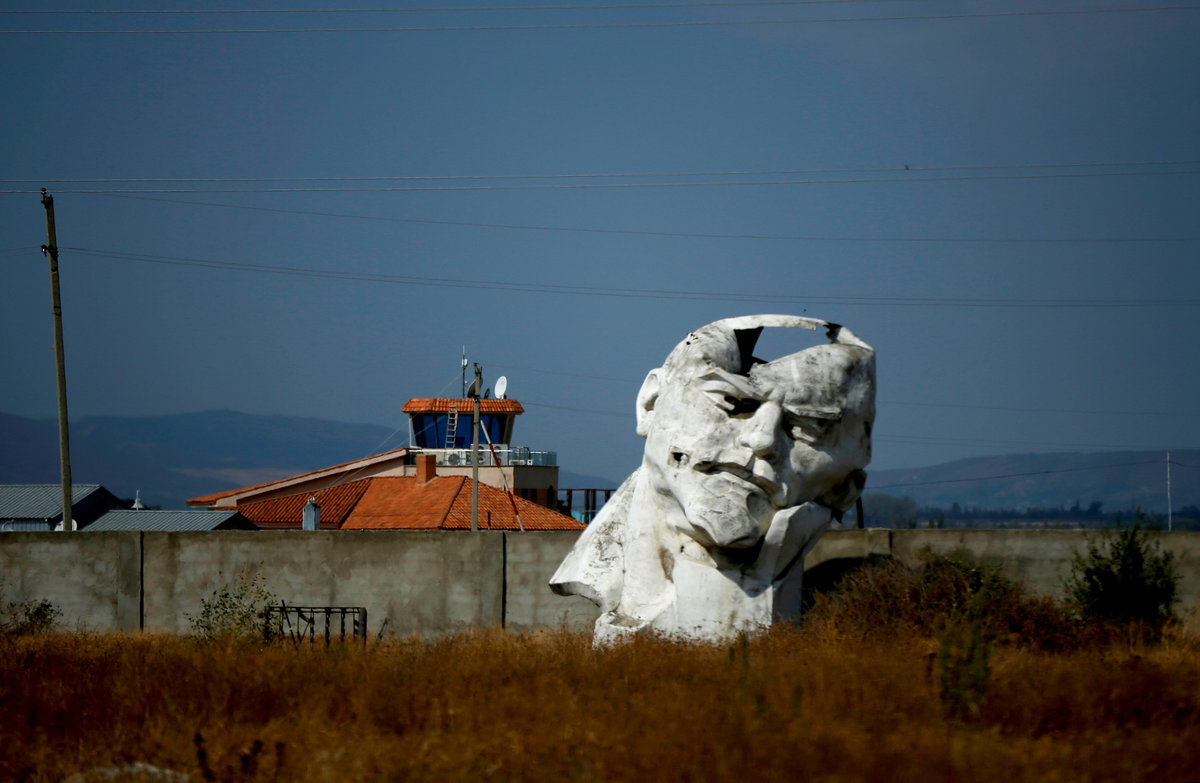
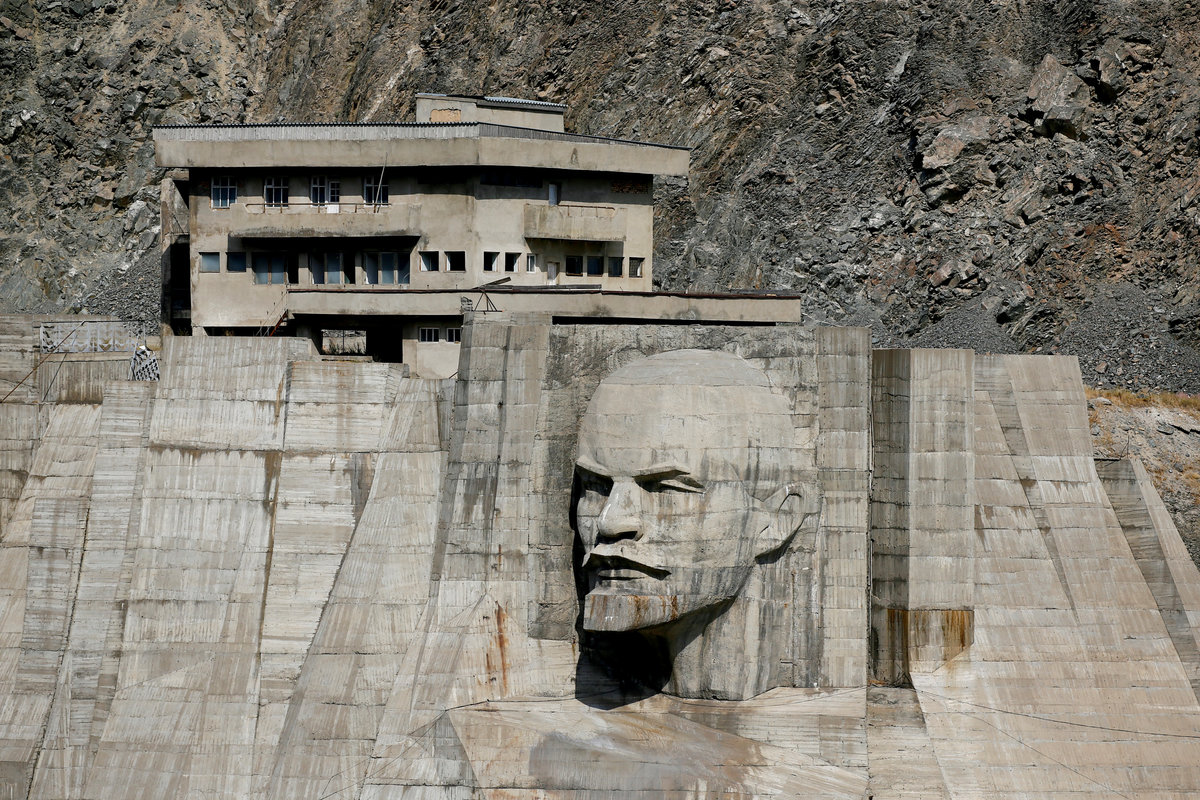
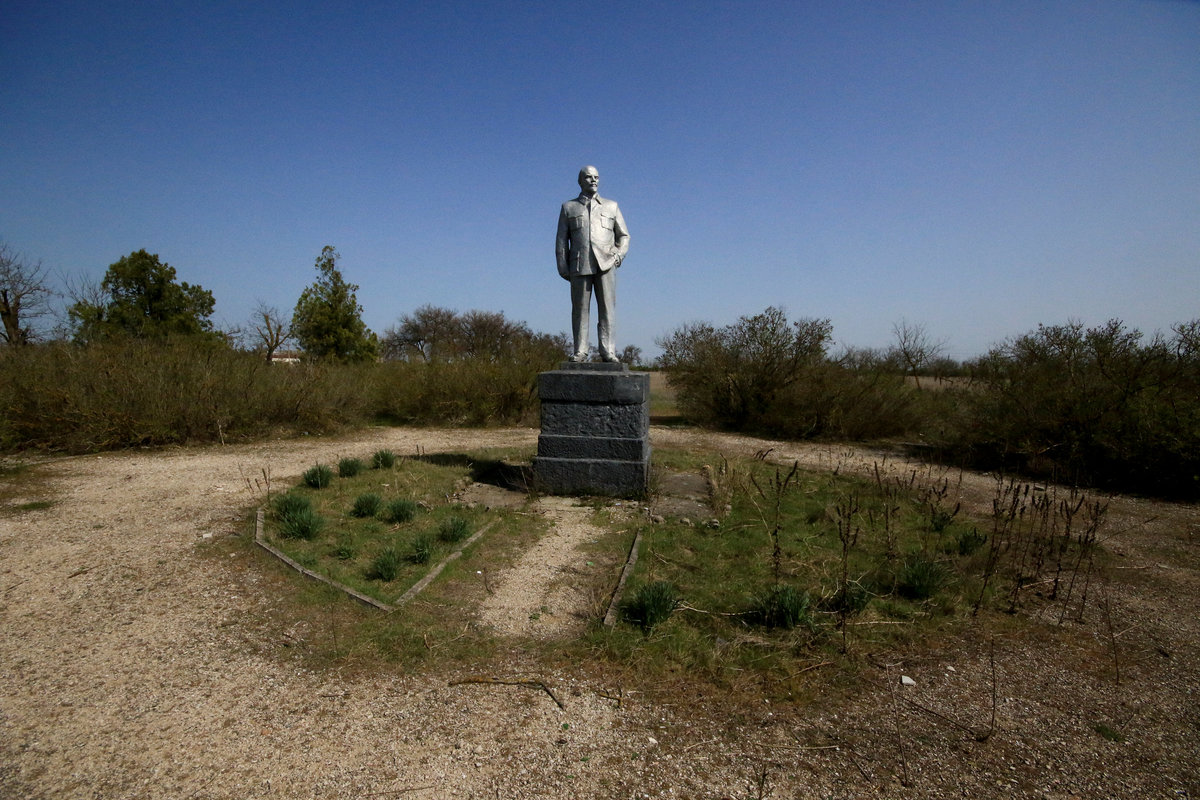
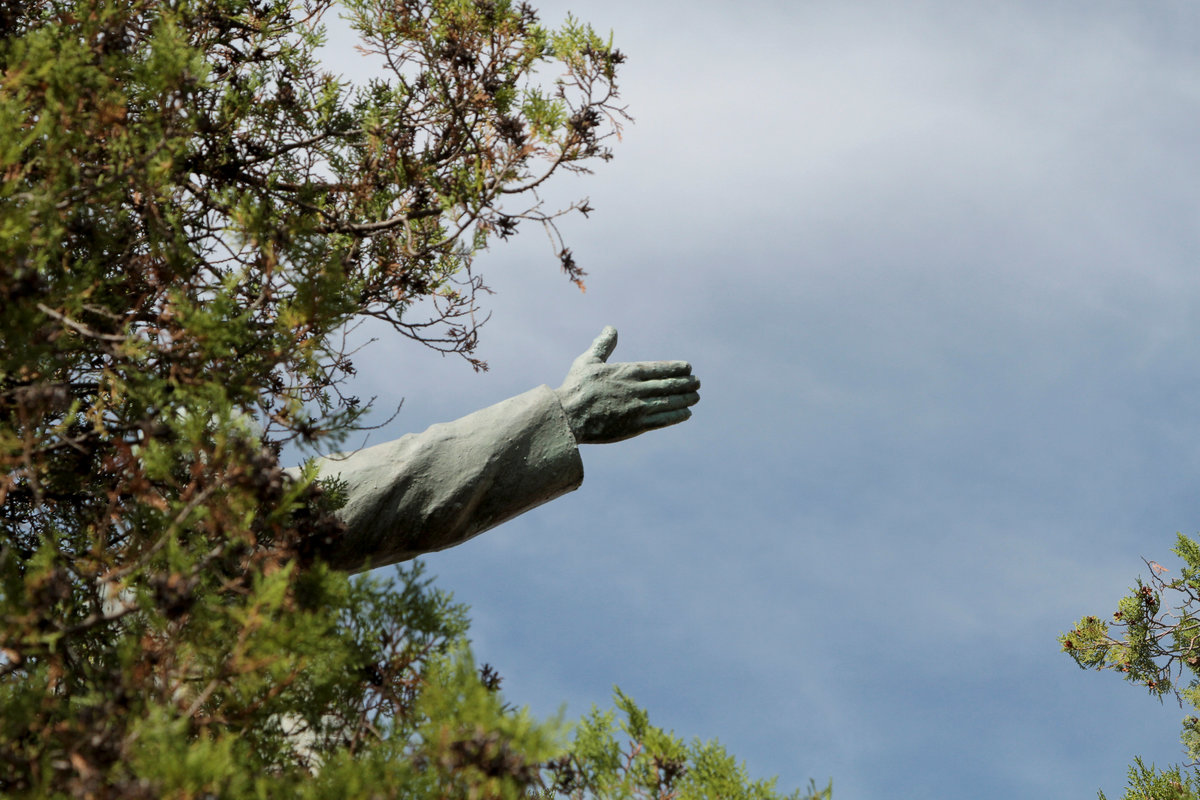
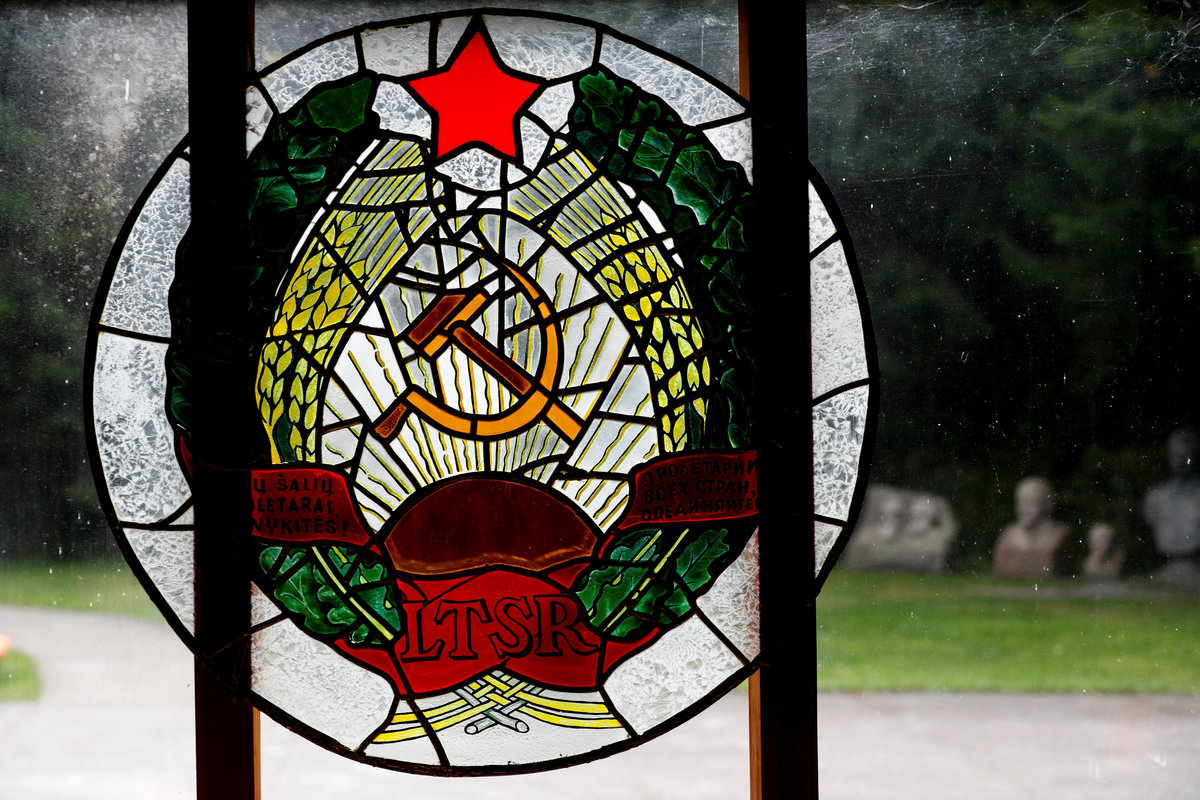
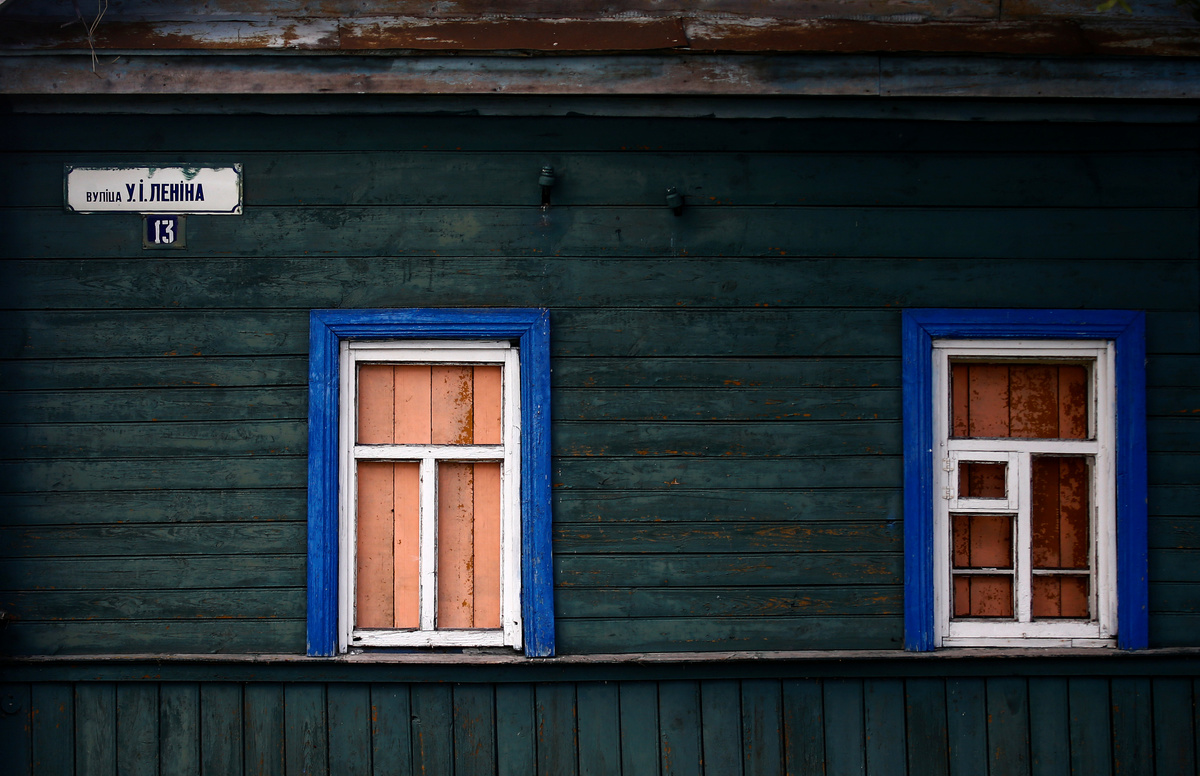
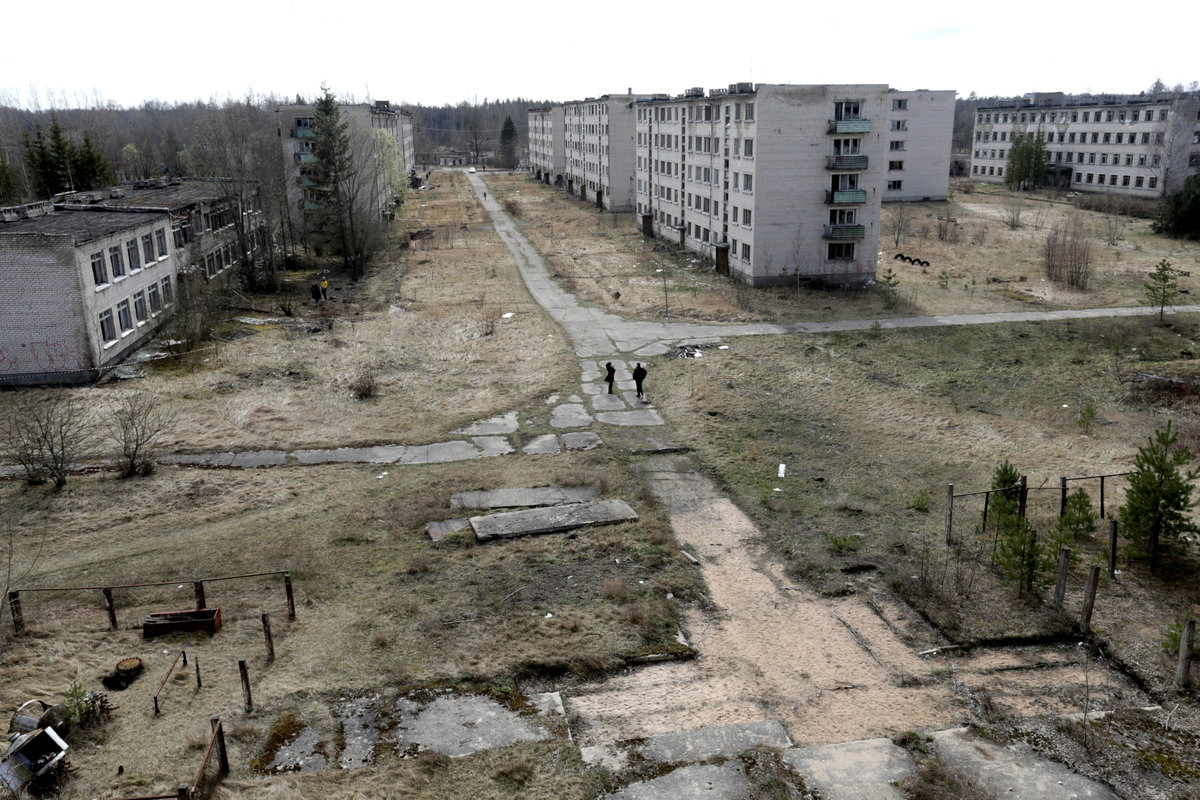
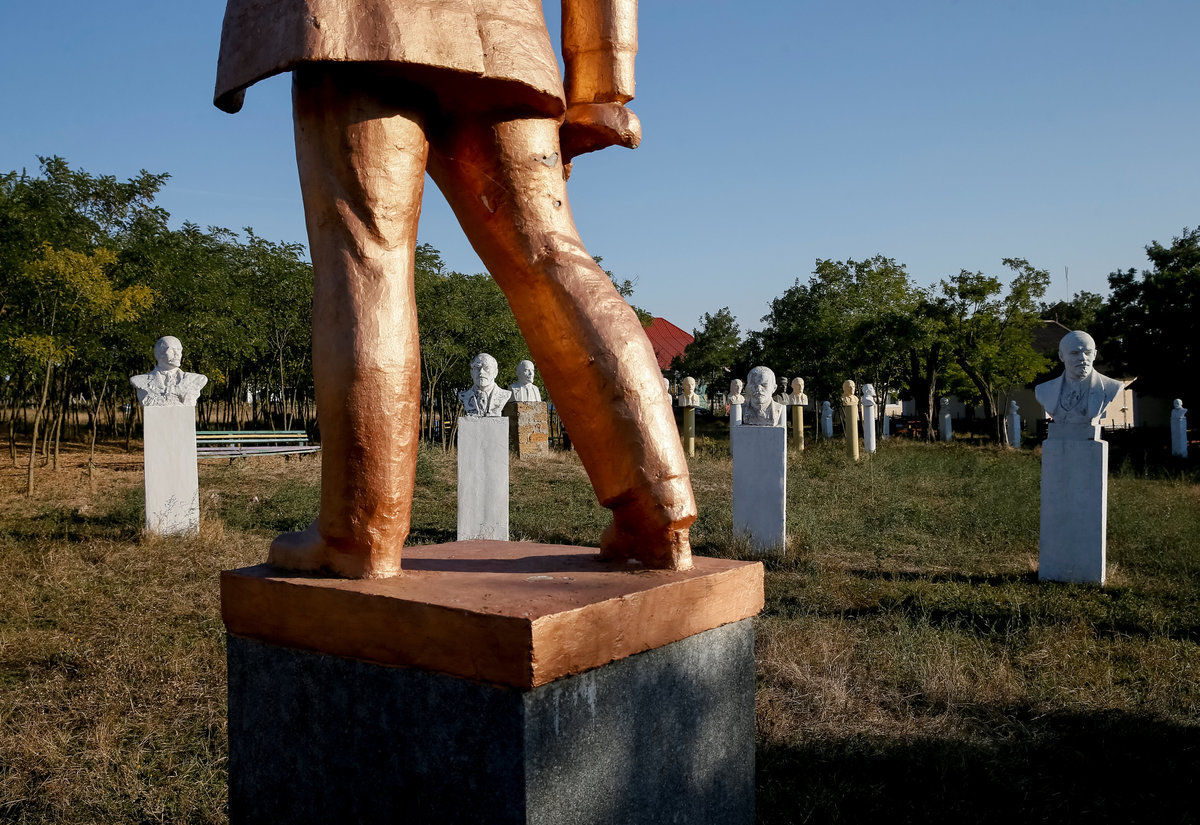
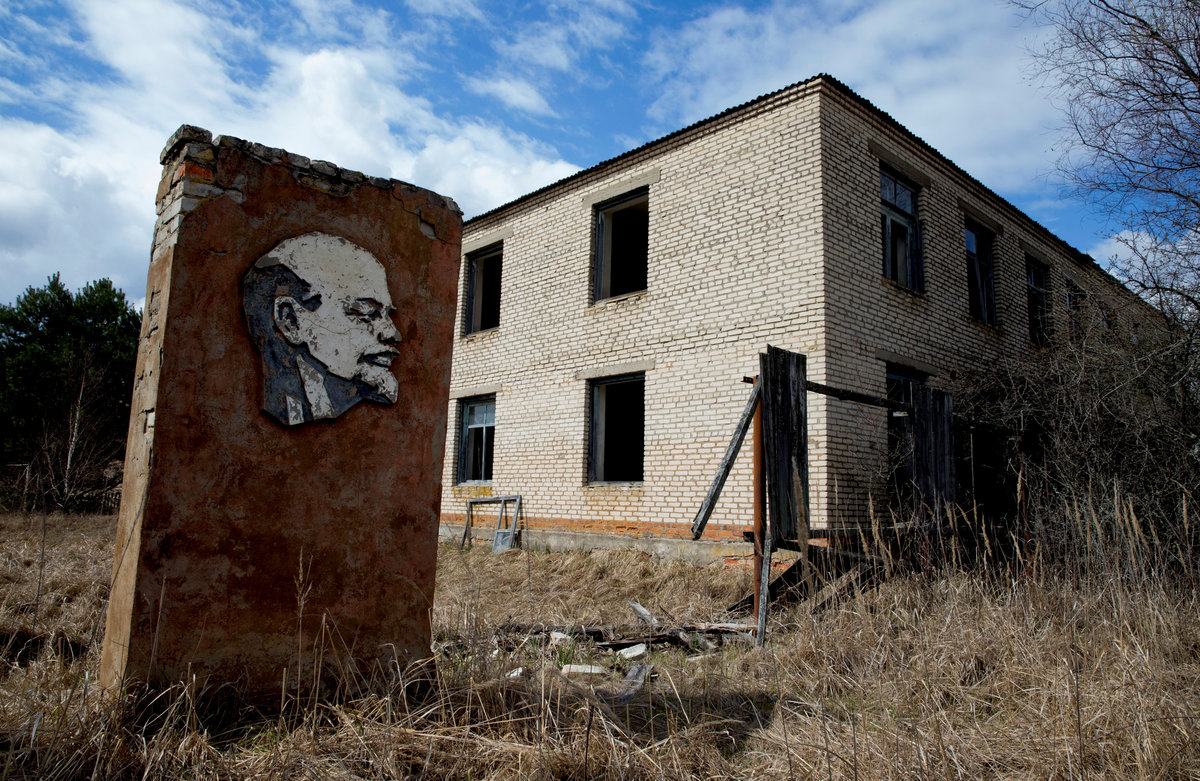
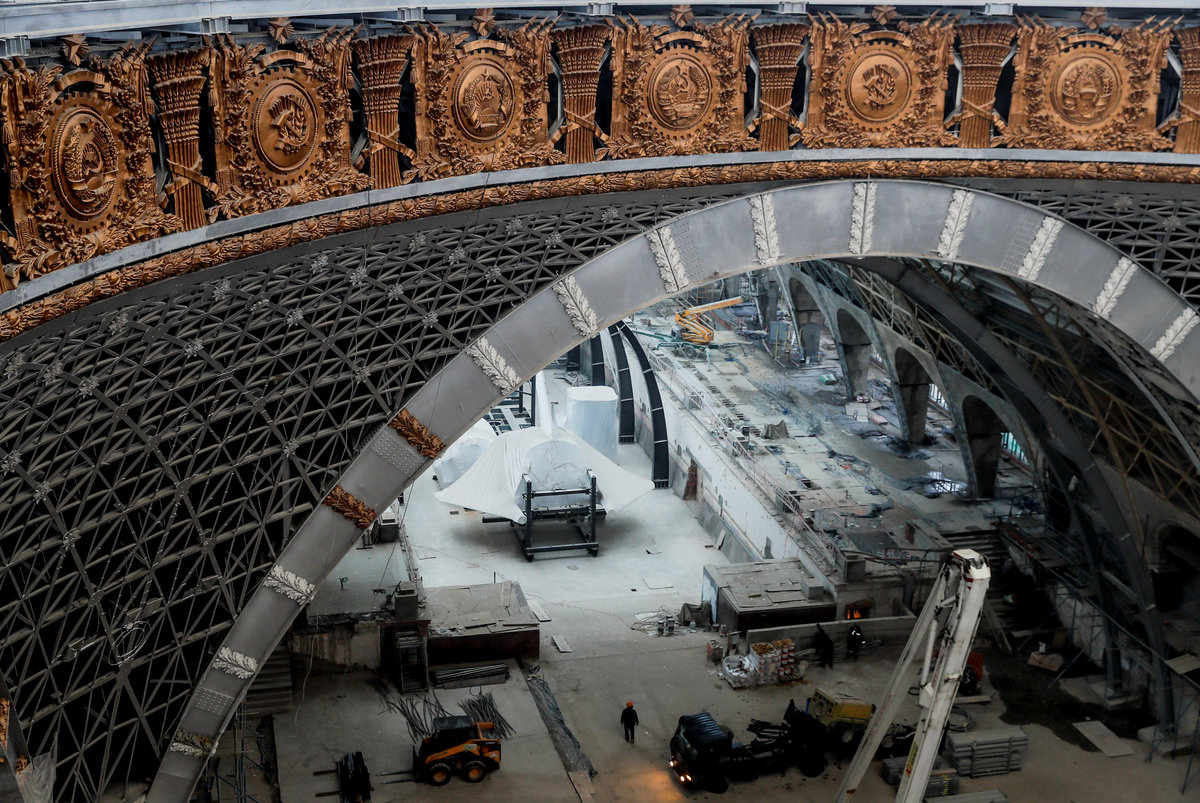
A monument to Soviet state founder Vladimir Lenin stands in a park in Yevpatoriya, Crimea, January 10, 2017. REUTERS/Pavel Rebrov A Soviet-Era wall decoration is seen on a residential building in Yevpatoriya, Crimea, September 30, 2017. REUTERS/Pavel Rebrov A Soviet-Era monument with a sickle and a hammer which were displayed on the coat of arms of the Soviet Union, stands in Simferopol, Crimea, October 13, 2017. REUTERS/Pavel Rebrov A cobalt glass mosaic panel with a portrait of Soviet state founder Vladimir Lenin is seen at the Krasnoyarsk hydro electric power station, second largest in Russia, located on the Yenisei River outside the Siberian city of Krasnoyarsk, Russia, September 5, 2017. REUTERS/Ilya Naymushin A monument to Soviet state founder Vladimir Lenin stands at a park of the Siberian town of Uzhur in Krasnoyarsk region, Russia, September 28, 2017. REUTERS/Ilya Naymushin A damaged monument to Soviet state founder Vladimir Lenin lies at a private abandoned courtyard outside Tbilisi, Georgia, September 12, 2017. REUTERS/David Mdzinarishvili A bas-relief depicting Soviet state founder Vladimir Lenin is seen on a dam of Kirov Reservoir in Talas region, western Kyrgyzstan, September 4, 2017. REUTERS/Shamil Zhumatov A monument to Soviet state founder Vladimir Lenin stands in the settlement of Kovylnoye in the Razdolnensky district of Crimea, April 7, 2016. REUTERS/Pavel Rebrov A detail of a monument to Soviet state founder Vladimir Lenin is seen in the settlement of Ordzhonikidze, near Feodosia, Crimea September 26, 2017. REUTERS/Pavel Rebrov A coat of arms of the Soviet Lithuania is seen at the Grutas Soviet heritage park in Druskinikai, Lithuania, August 26. 2017. Grutas Park is a 86 sculpture garden of Soviet-era statues and an exposition of other Soviet ideological relics from the times of the Lithuania as part of the Soviet Union. REUTERS/Ints Kalnins A nameplate with the name of Soviet state founder Vladimir Lenin is seen on a wall of a house in the town of Vetka, Belarus, August 31, 2017. REUTERS/Vasily Fedosenko A ghost town of a former Soviet military radar station is seen near Skrunda, Latvia, April 9, 2016. It was the site of two Dnepr radar installations constructed in the 1960s and were strategically important to the Soviet Union as they covered Western Europe. Radar station was closed on 4 September 1998 and all materials of value were removed from the site and carried back to Russia when the last Russian troops left Latvia in 1998. All 60 buildings of the former complex and town, including apartment blocks, a school, barracks and an officers club, remained and were abandoned. REUTERS/Ints Kalnins Monuments of Soviet state founder Vladimir Lenin stand at museum of the social realism in Frumushika-nova, Odessa region, Ukraine, September 29, 2017. REUTERS/Gleb Garanich A panel with a portrait of Soviet state founder Vladimir Lenin and an abandoned building are seen at the 30 km (19 miles) exclusion zone around the Chernobyl nuclear reactor in the abandoned village of Orevichi, Belarus, March 12, 2016. REUTERS/Vasily Fedosenko Construction workers are seen inside Cosmos (Space) Pavilion under reconstruction at the Exhibition of Achievements of National Economy (VDNKh) in Moscow, Russia, October 30, 2017. The coat of arms of the USSR, of the 15 former Soviet republics and the emblems of the sectors of the economy were found at the base of the dome of the pavilion behind the false panels during the restoration works. REUTERS/Maxim Shemetov
Sign up to read this article
Read news from 100’s of titles, curated specifically for you.