Wider Image: Mexico's indigenous Muslims in Maya heartland
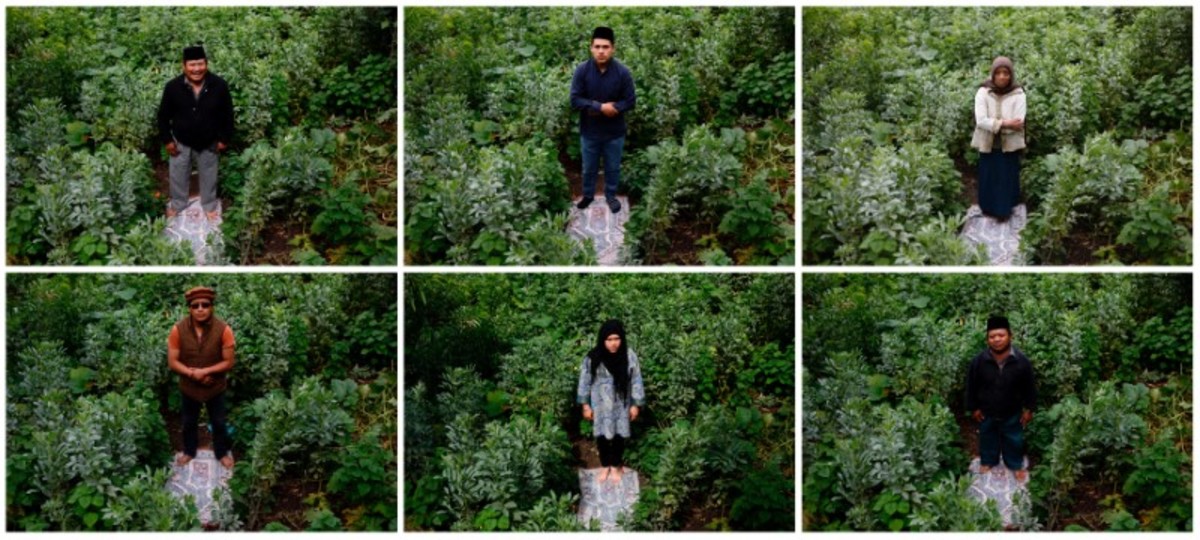
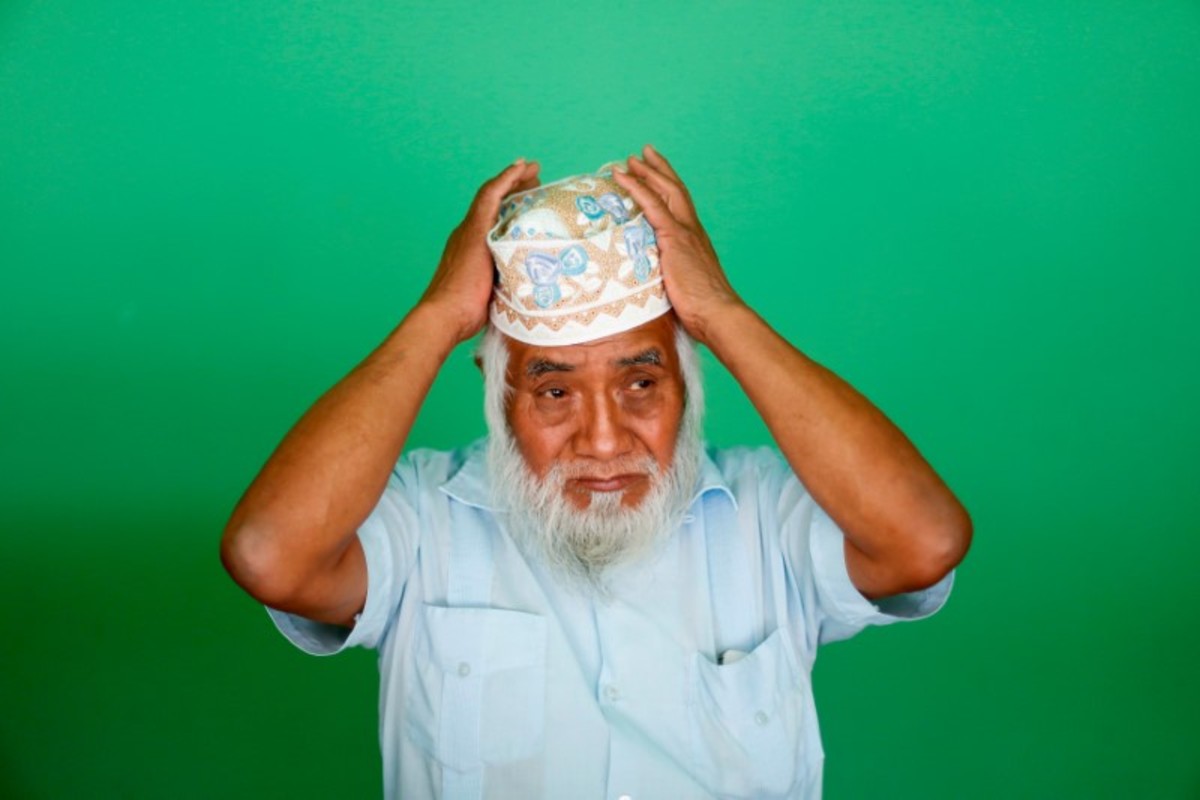
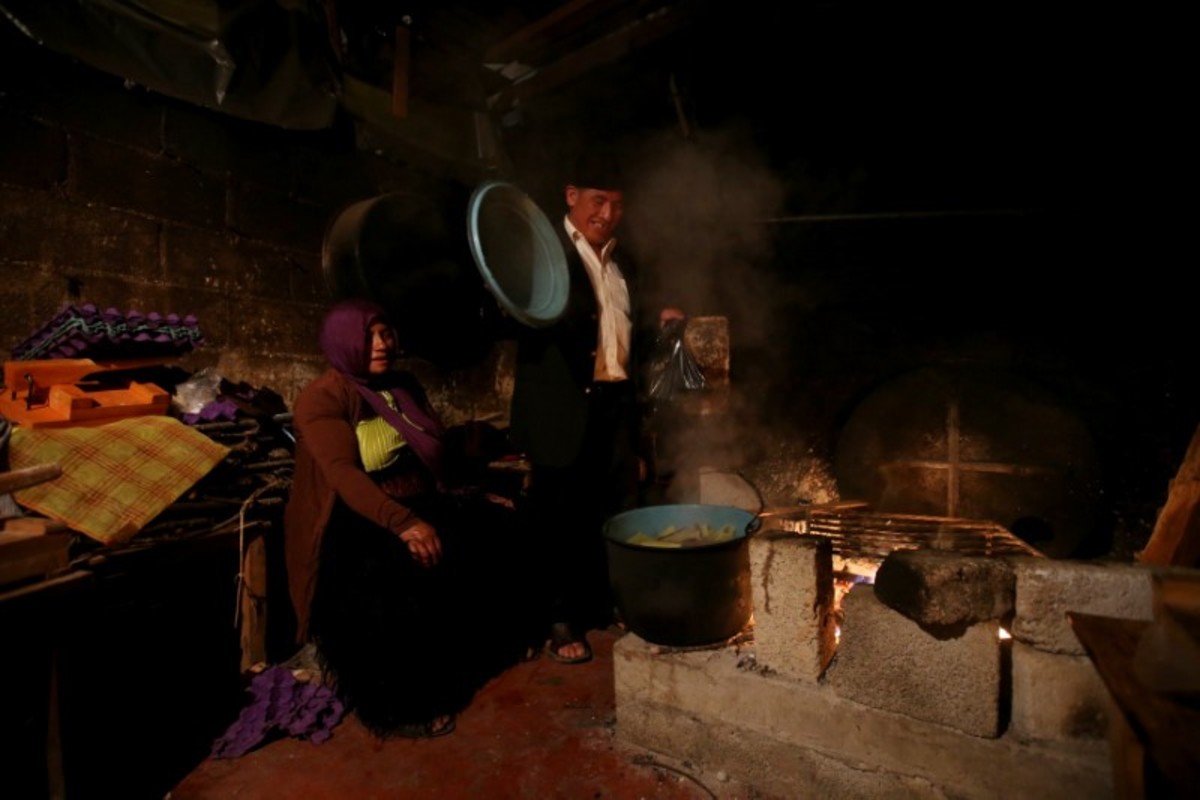
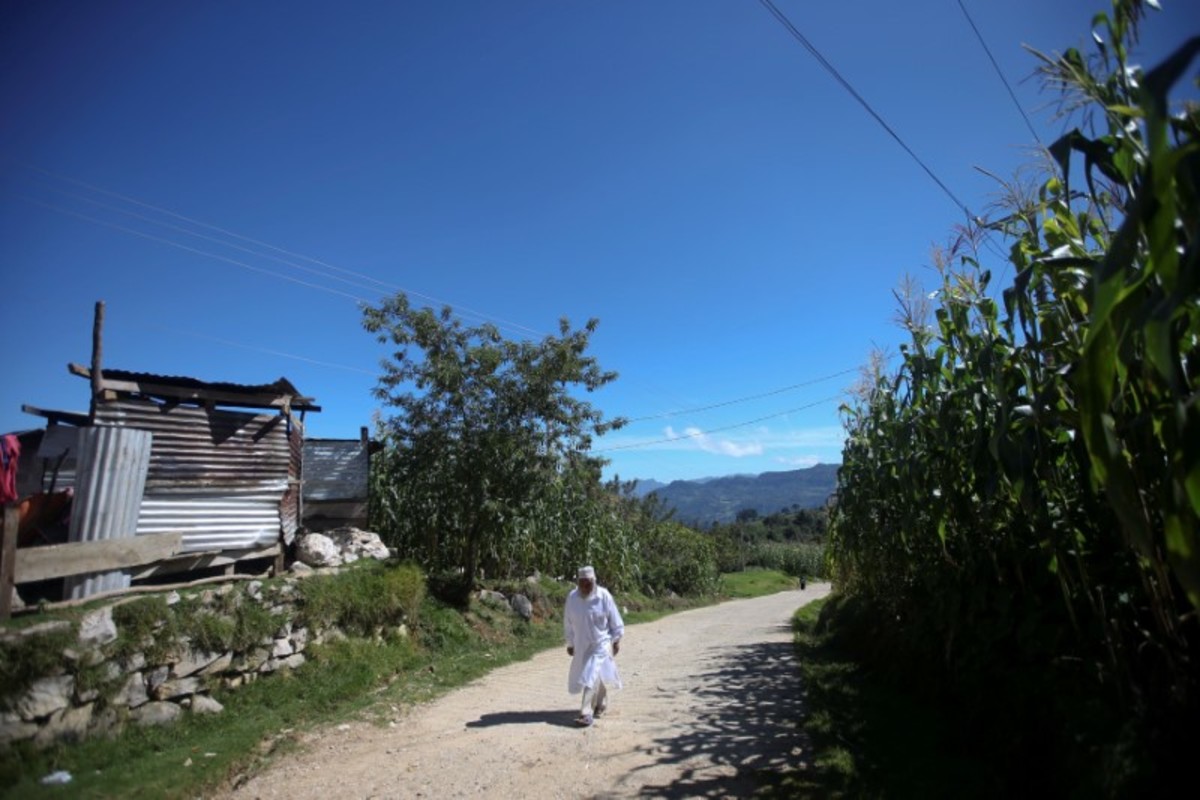
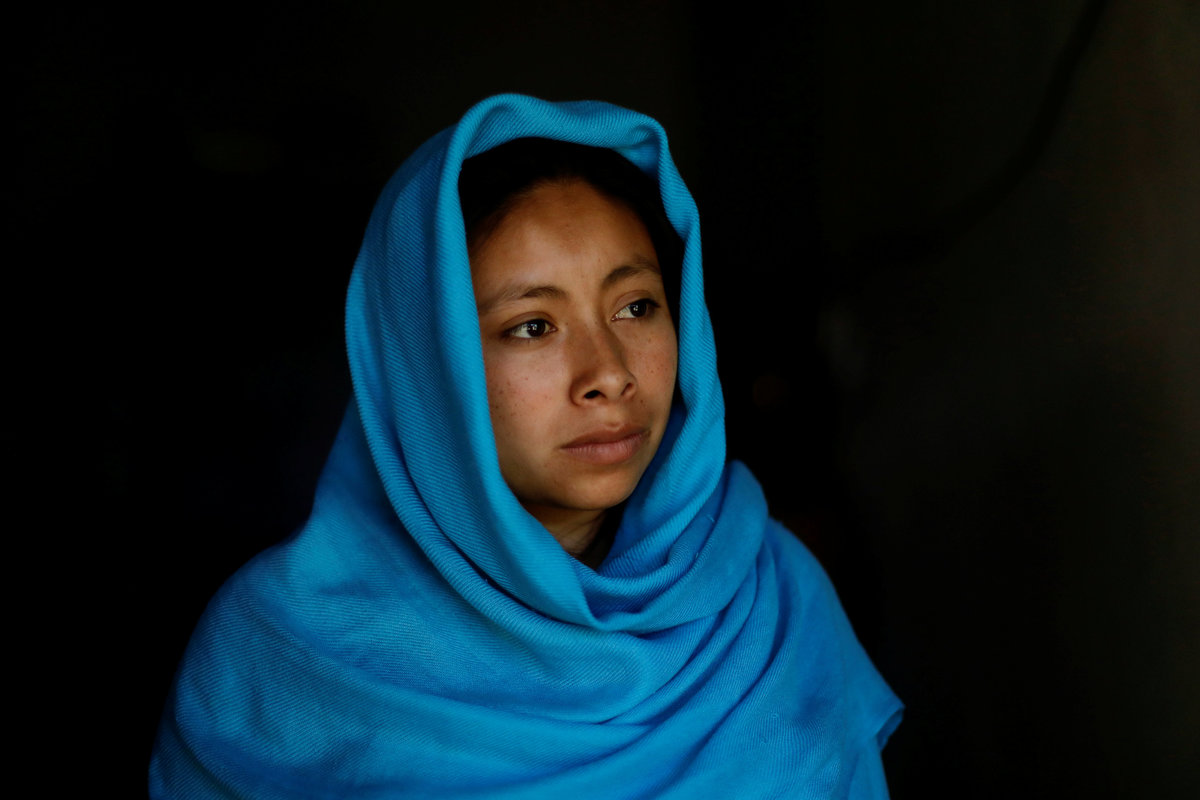
A combination photo shows Muslims from the Tzotzil Maya ethnic group posing for photographs in San Cristobal de las Casas, in Chiapas state, Mexico, August 15, 2017. REUTERS/Edgard Garrido
By Edgard Garrido
SAN CRISTOBAL DE LAS CASAS, Mexico (Reuters) - A trip to Mexico's indigenous Maya heartland showed me how a vibrant Muslim community had sprung up in this predominantly Roman Catholic country.
In the southern state of Chiapas, home to a lush mountainous landscape, I photographed members of a small Muslim community made up of hundreds of mostly indigenous Tzotzil men and women, many of whom converted to Islam from Catholic or other Christian denominations.
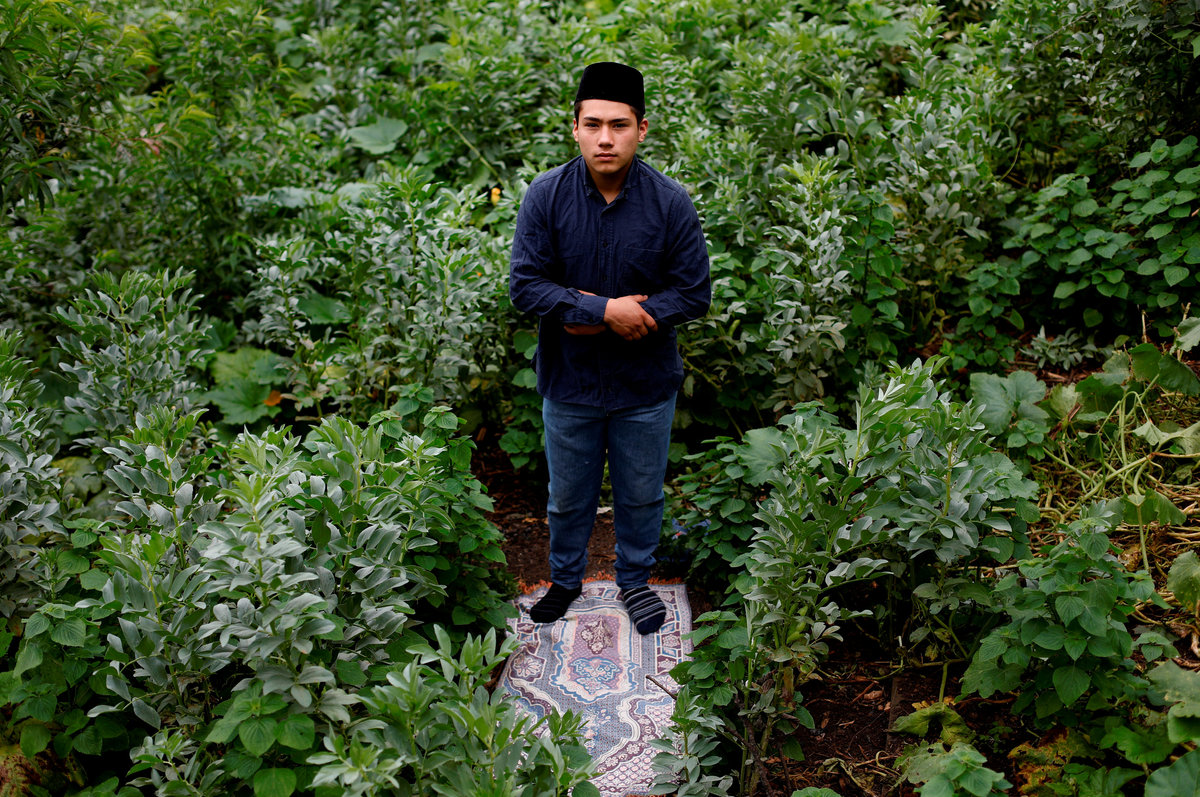
Ismail, 15, a Muslim from Spain and the Tzotzil Maya ethnic group, poses for a photograph wearing an islamic prayer cap, or "Kufi", in San Cristobal de las Casas, in Chiapas state, Mexico, August 15, 2017. REUTERS/Edgard Garrido
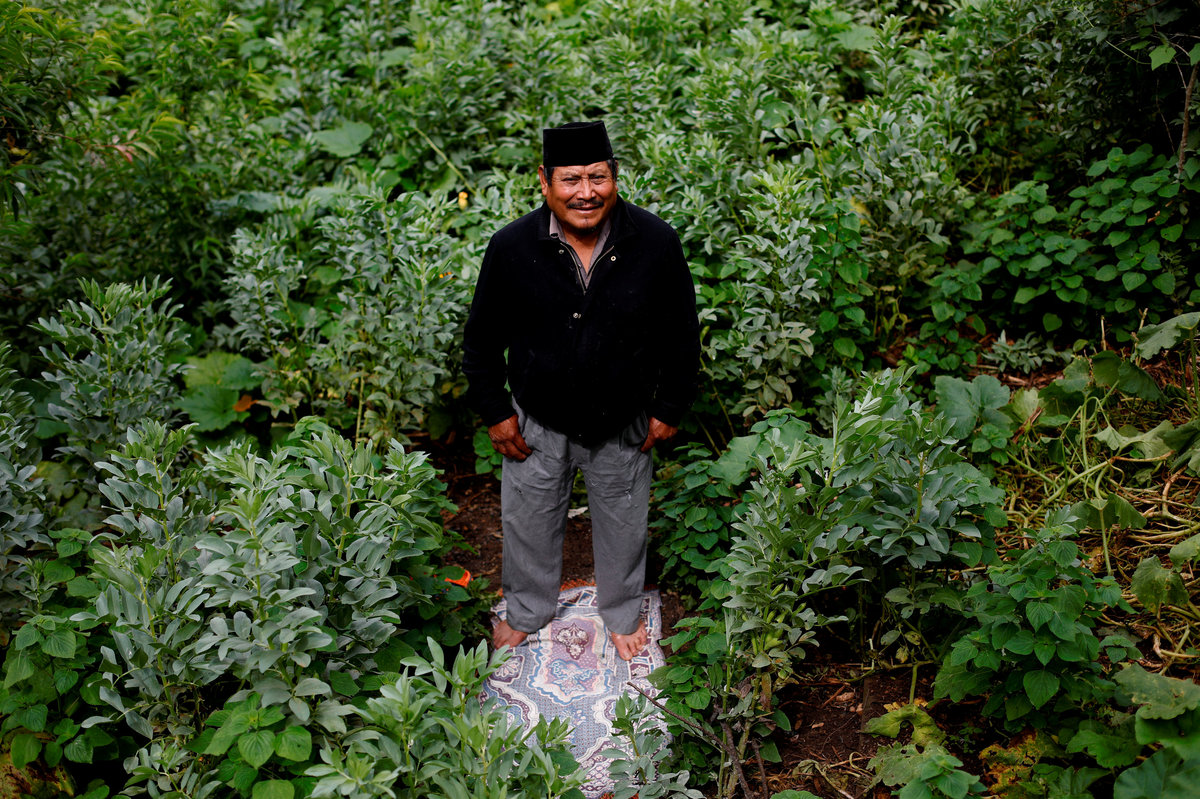
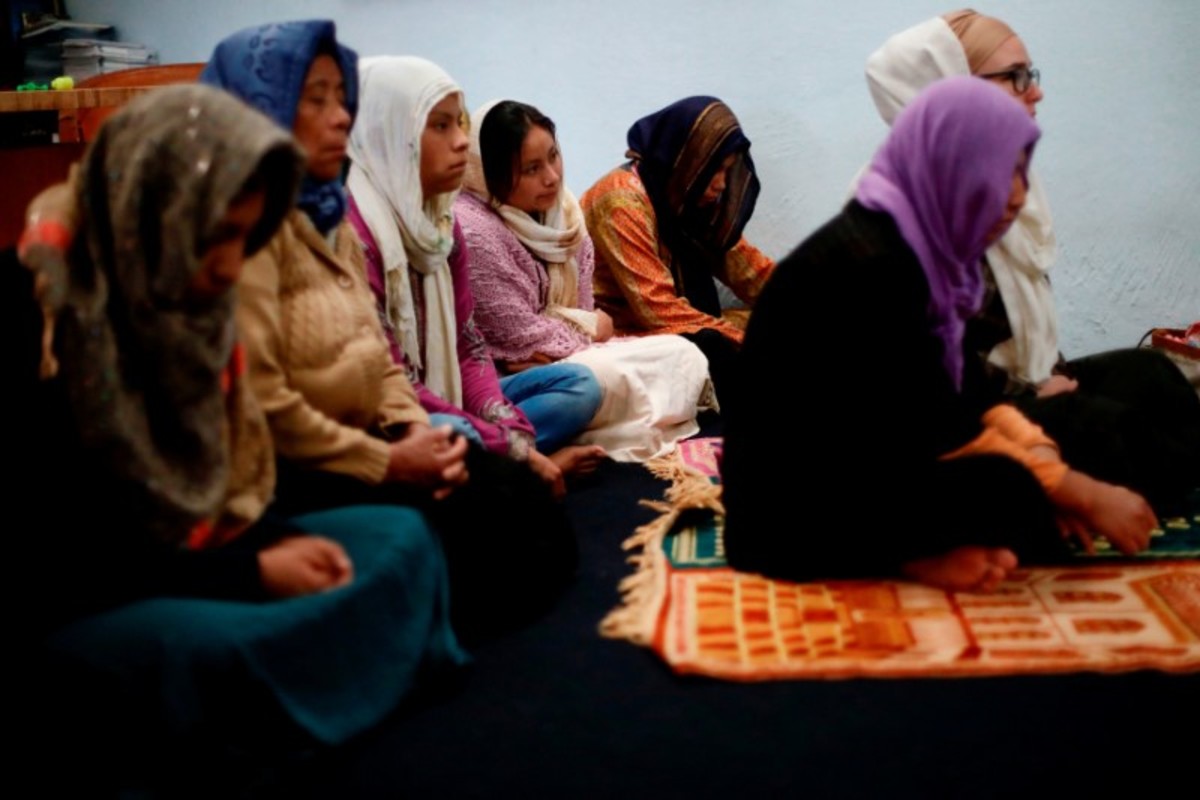
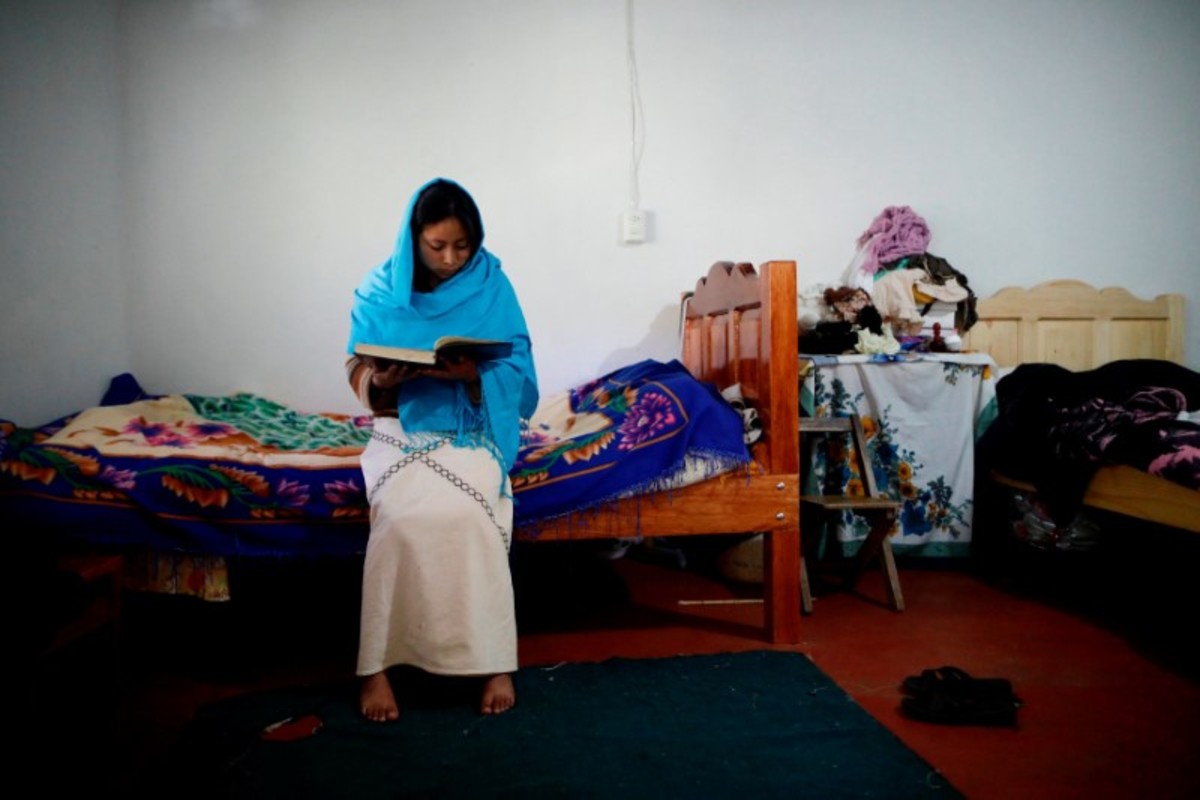
The Muslim men here are distinguished by their prayer caps, or kufis, and the women by their hijabs which take the form of traditional Maya shawls.
Locals say the conversions to Islam here began in the late 1980s, around the same time Mexico's Zapatista movement was gaining traction in Chiapas, as institutions including Christianity and capitalism came under increasing criticism.
According to the last census, some 83 percent of Mexicans are Catholic. And although Muslims make up less than 1 percent of Mexico's 120 million population, a disproportionate number are indigenous clustered in and around San Cristobal de las Casas, a highland city in Chiapas that mixes both Maya and Spanish identity.
Mohamed Chechev, 66, a Muslim from the Tzotzil Maya ethnic group, poses for a photograph wearing an islamic prayer cap, or "Kufi", in San Cristobal de las Casas, in Chiapas state, Mexico, August 15, 2017. REUTERS/Edgard Garrido
"People gave us a weird look when we converted, they thought we were terrorists and were scared of us," said Mustafa, a member of the nearby Ahmadia community. "But with the passage of time and our own actions, that opinion has changed," he added.
Umar, an indigenous former evangelical pastor, converted to Islam in the late 1990s and now serves as a bridge between local Christians and Muslims.
"Ours is a monotheistic religion," he said. "But we don't worship saints."
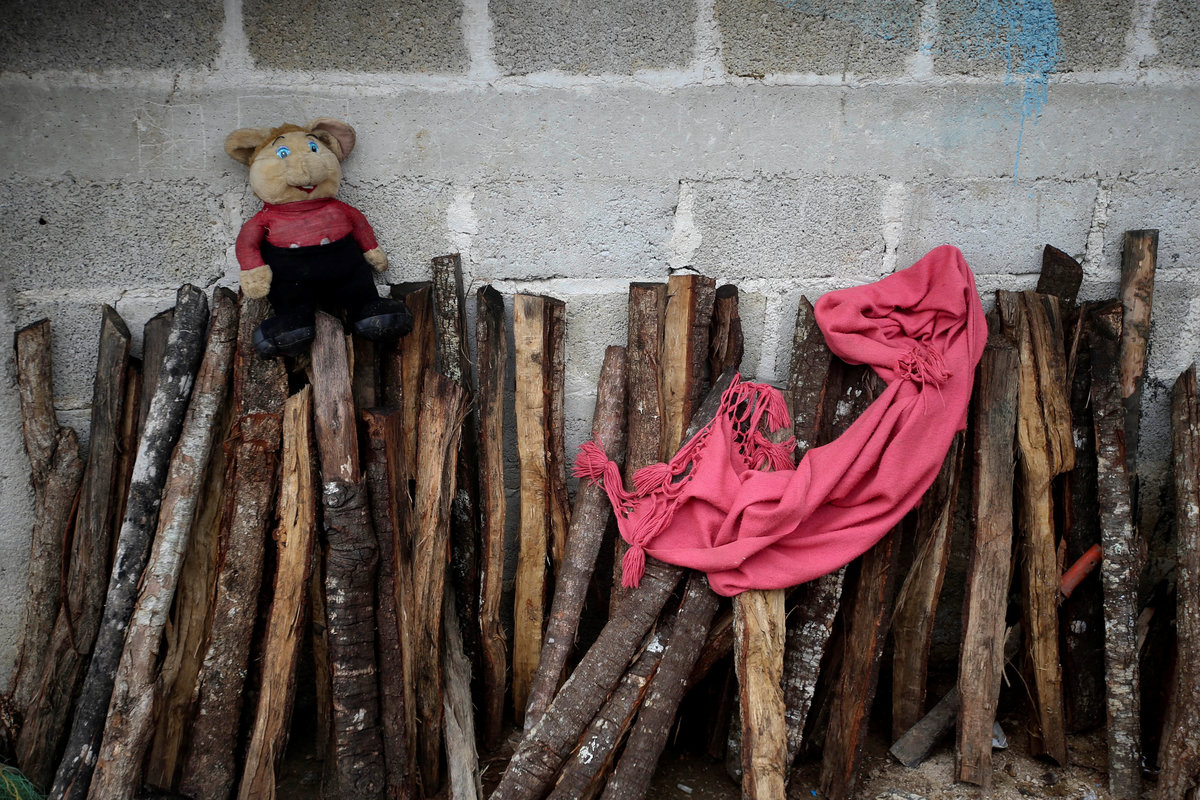
A rebozo (traditional Maya shawl), used as a hijab, from the Tzotzil Maya ethnic group hangs on pieces of wood next to a stuffed toy, in San Cristobal de las Casas, in Chiapas state, Mexico, August 14, 2017. REUTERS/Edgard Garrido
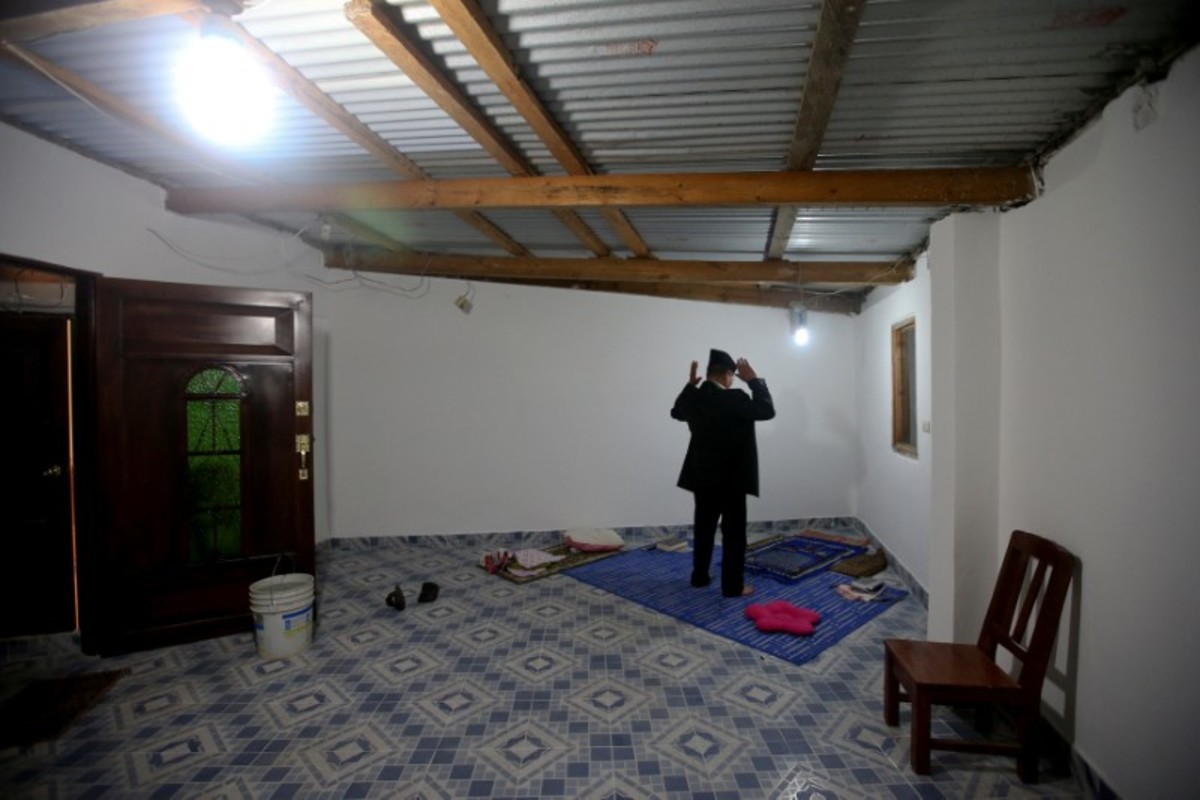
I later met 55-year-old Mohamed Amin who invited me to his home, offering me cookies and tea. He showed me where he prays five times a day and introduced me to his family. He asked me if I believed in God and I said no. That did not appear to bother him.
He went on to explain the main reason behind his conversion to Islam.
"I like to be clean and change my clothes," he said. "This is a clean religion and that's what originally drew me to it."
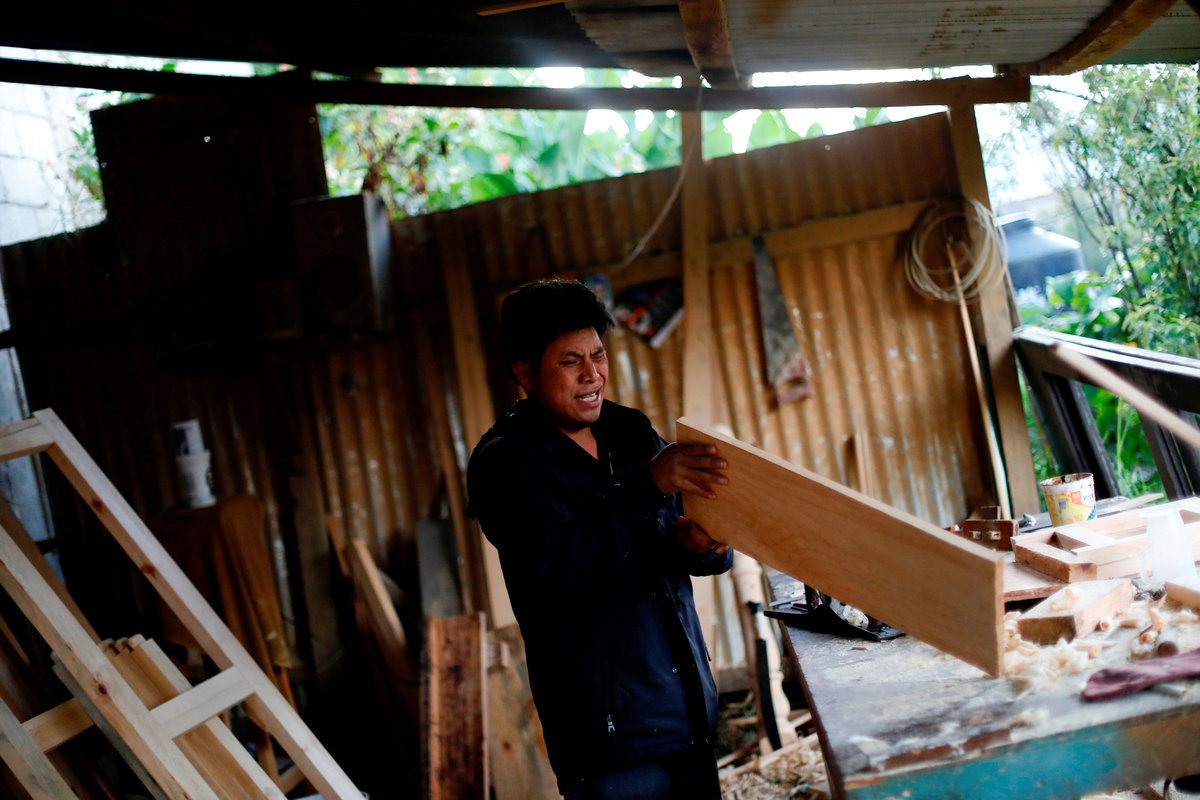
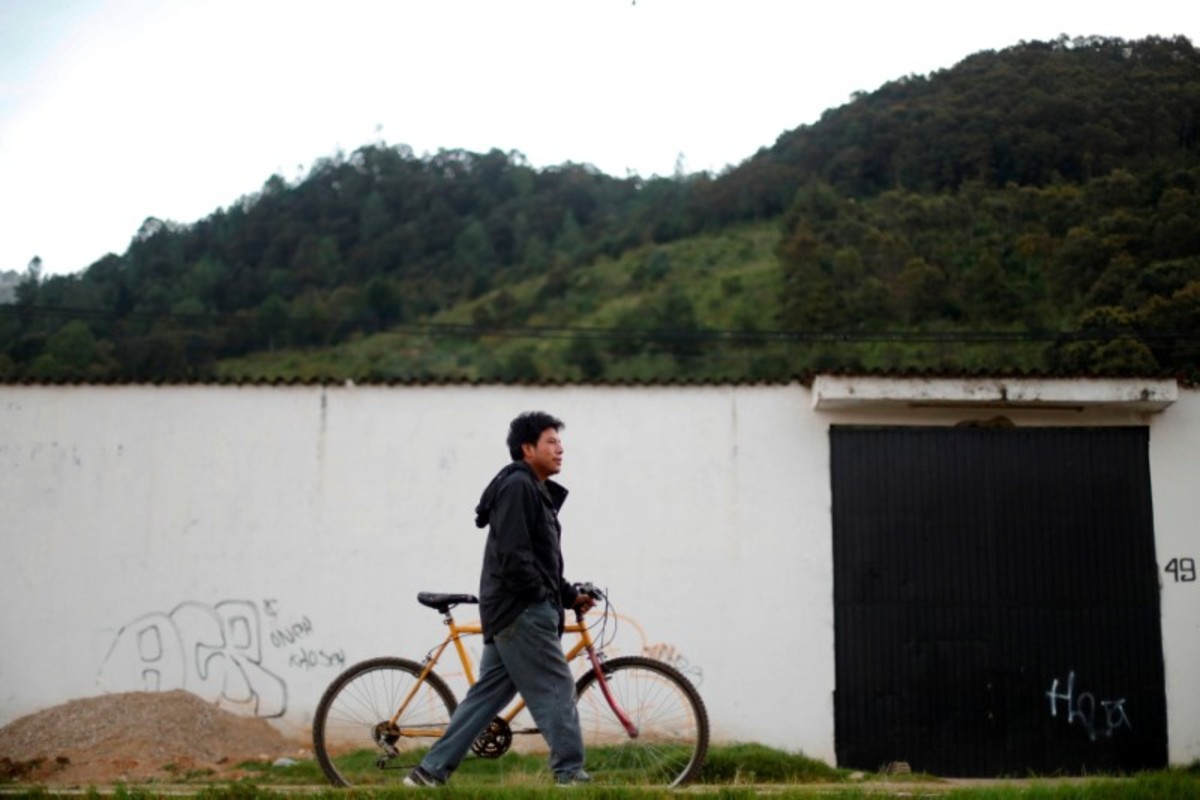
Mustafa, 42, a carpenter and Muslim from the Tzotzil Maya ethnic group, checks a piece of wood at work in San Cristobal de las Casas, in Chiapas state, Mexico, August 11, 2017. REUTERS/Edgard Garrido
For a related photo essay, see: http://reut.rs/2izhpmh
(Writing by David Alire Garcia; Editing by Diane Craft)
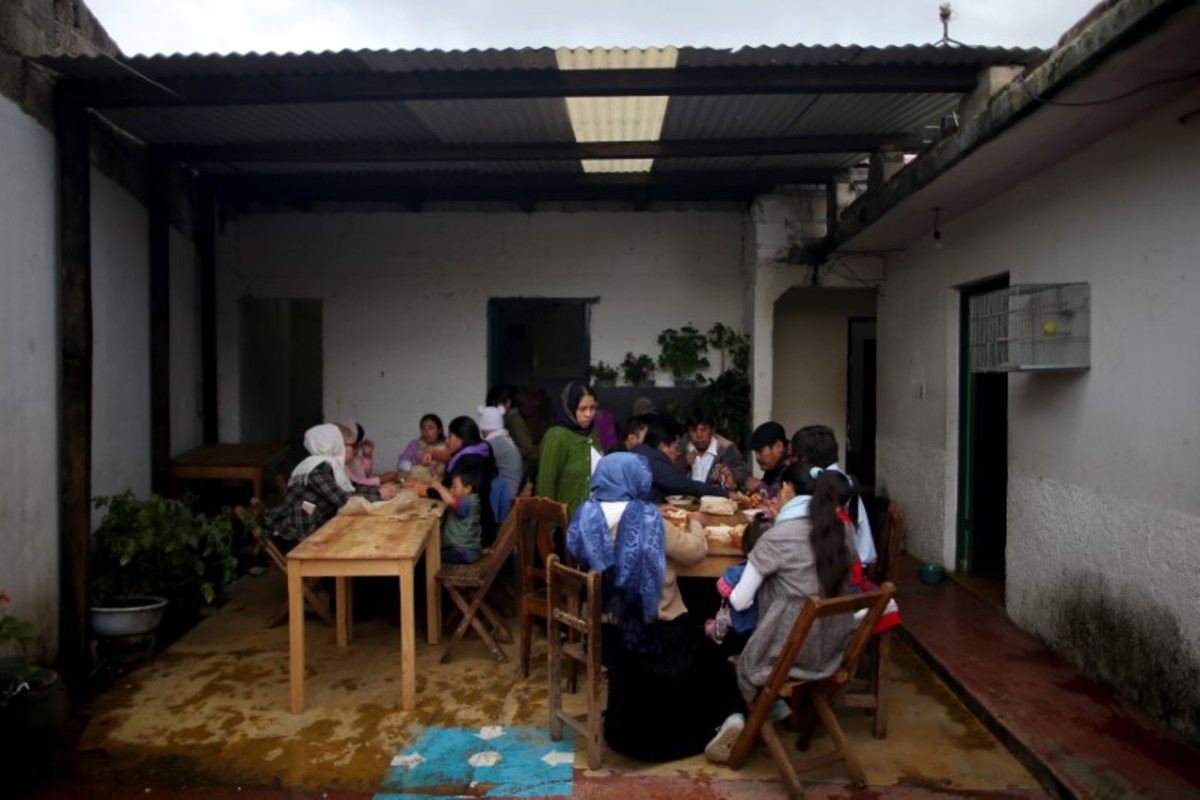
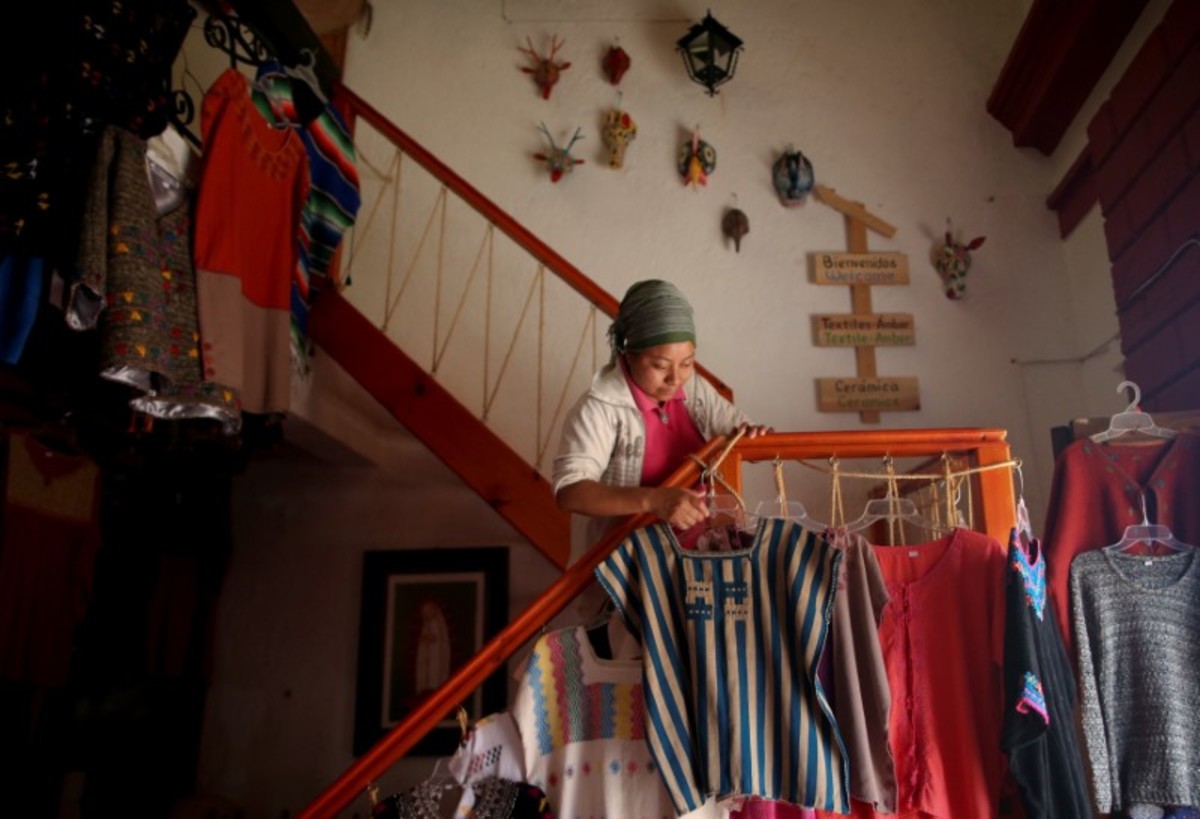
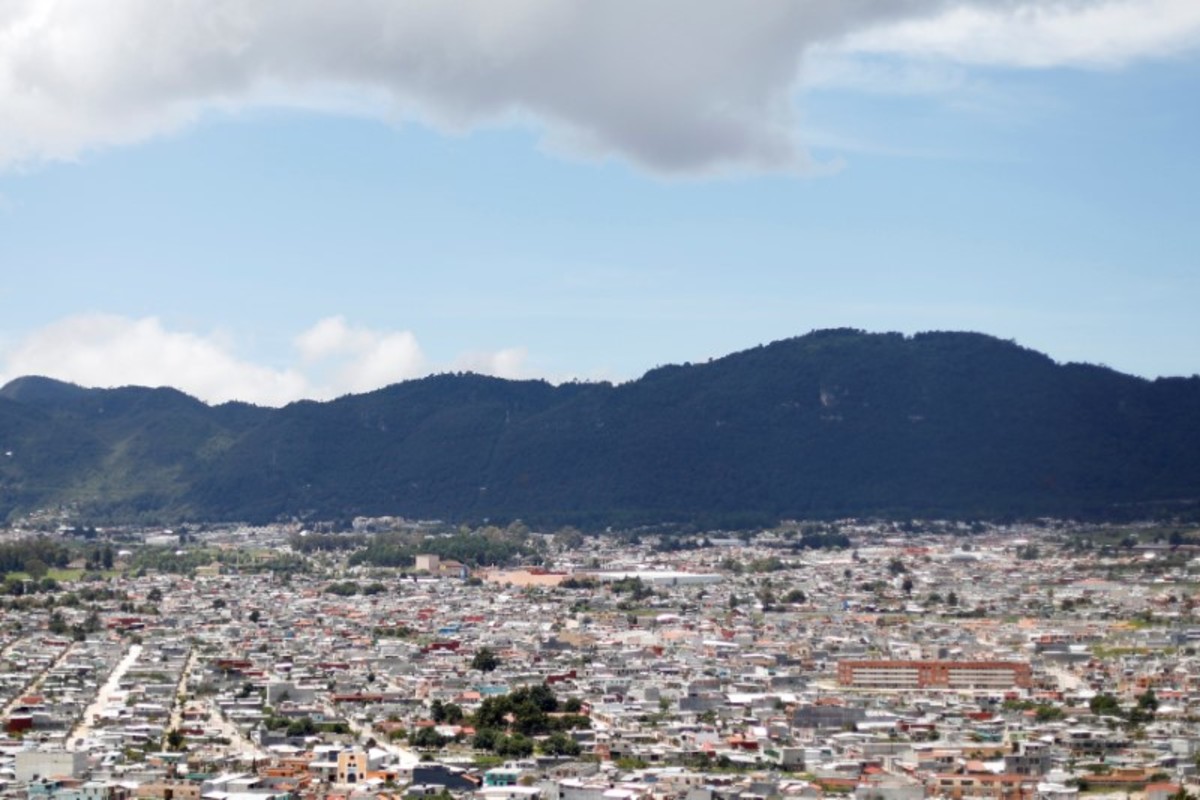
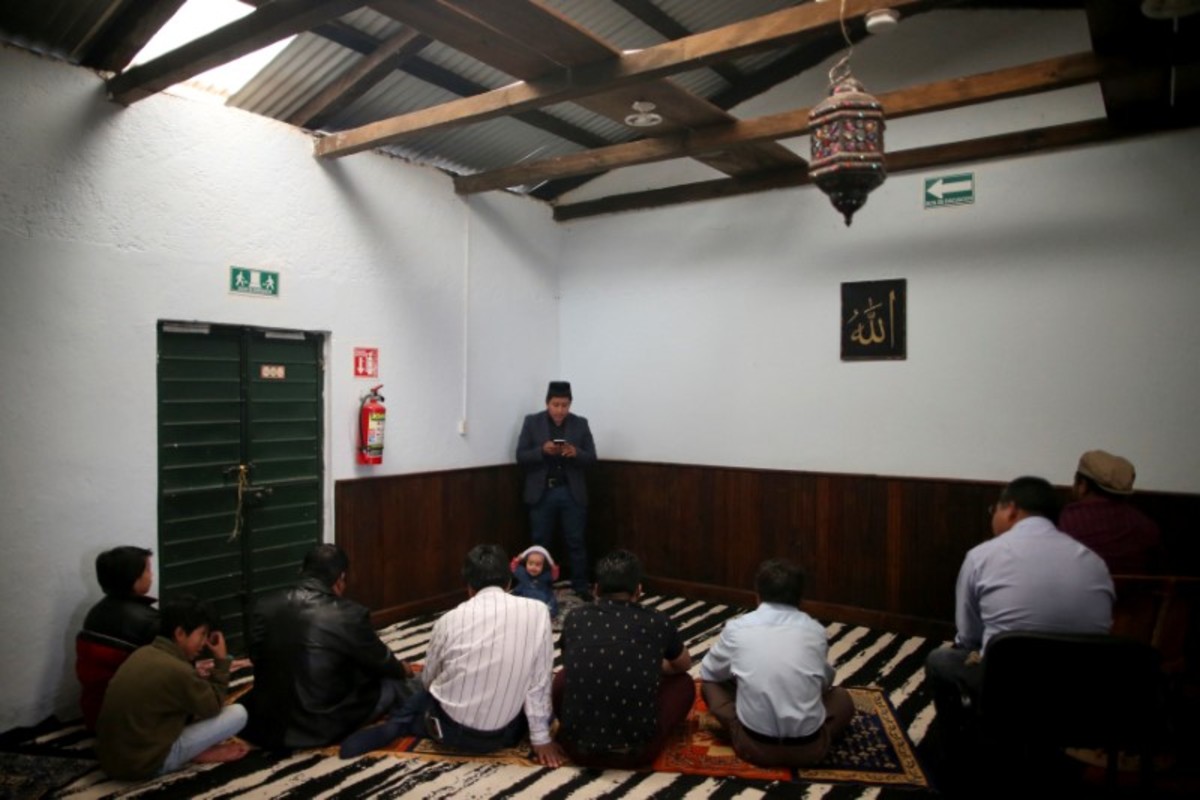
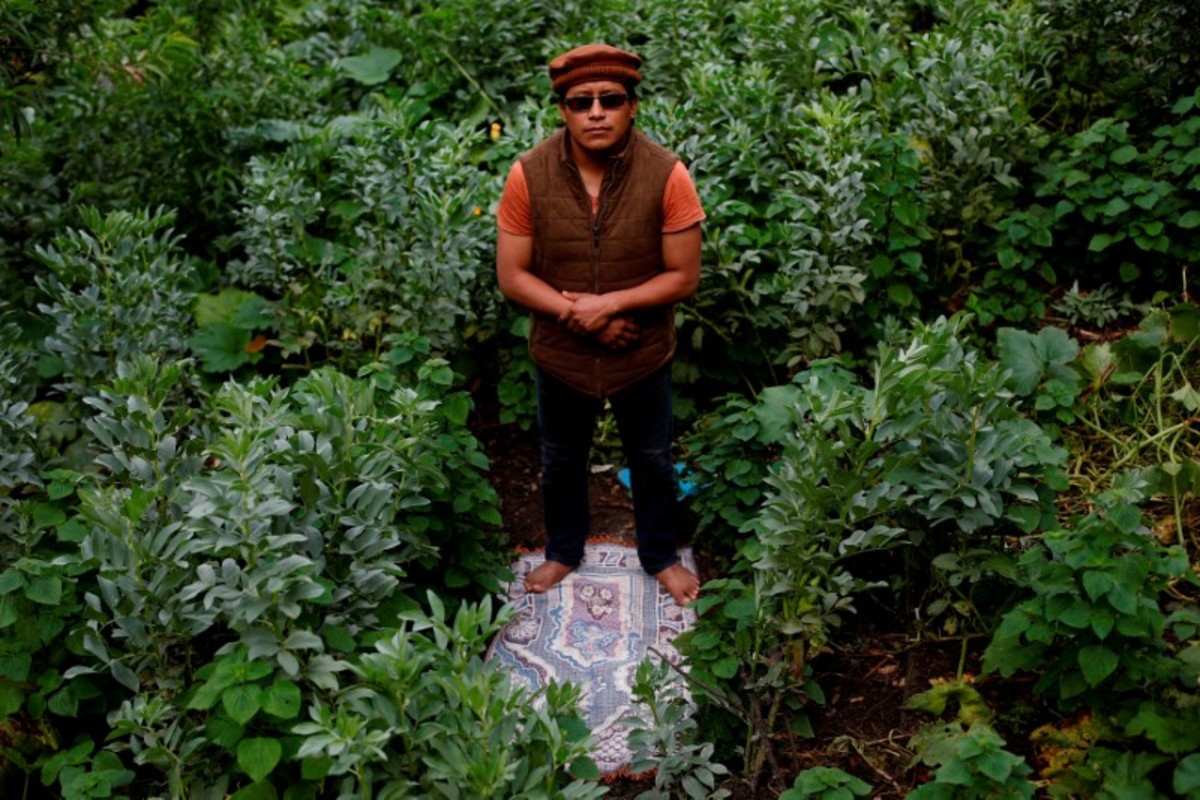
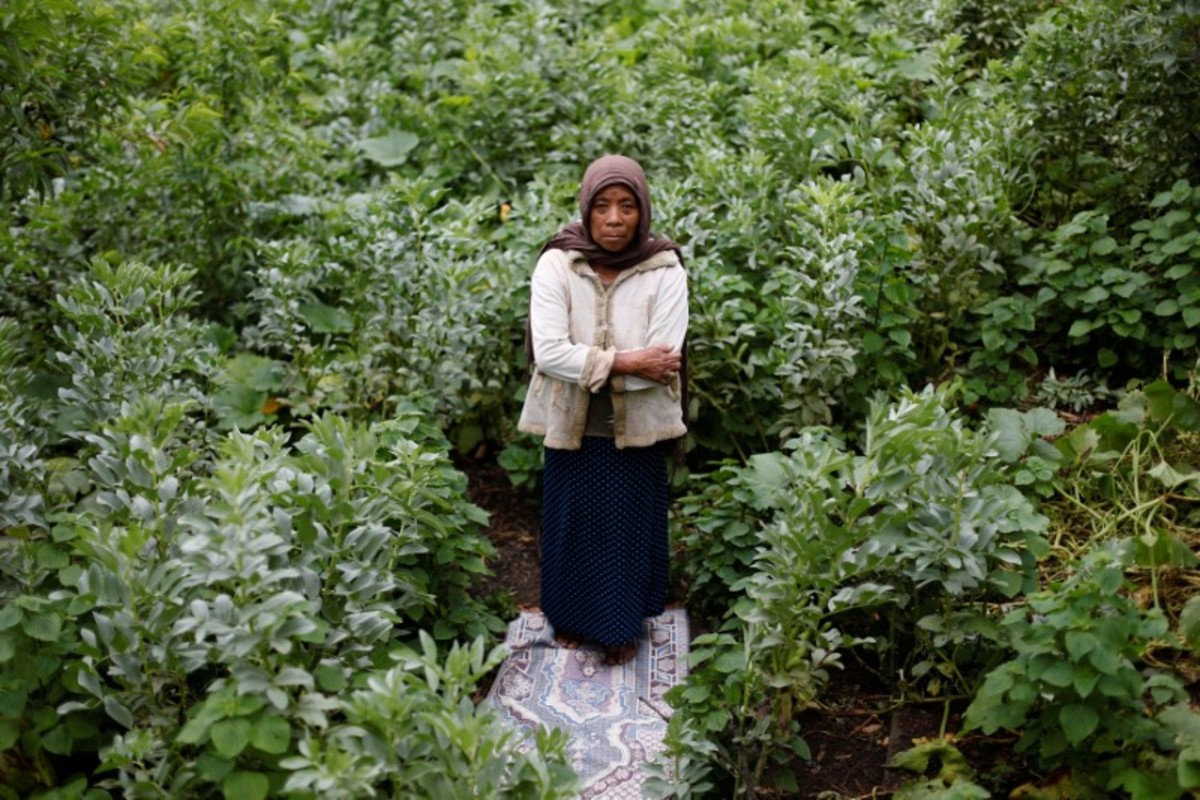
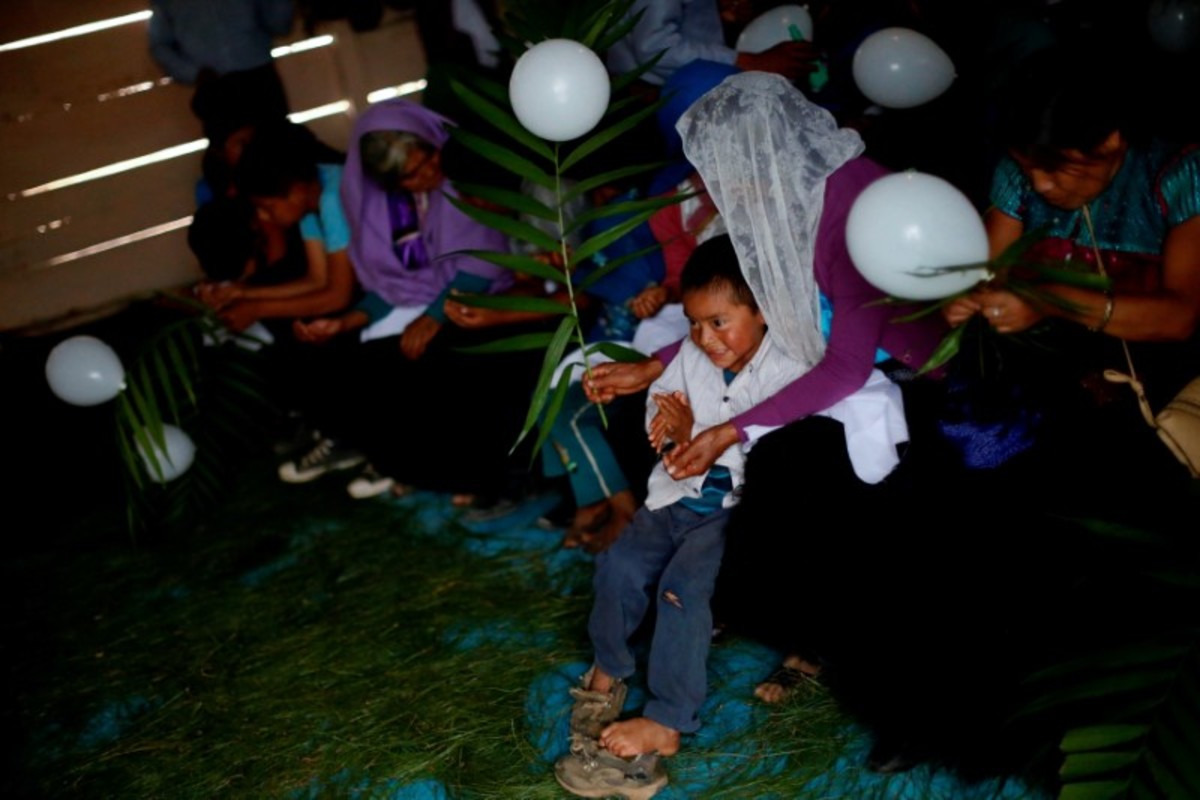
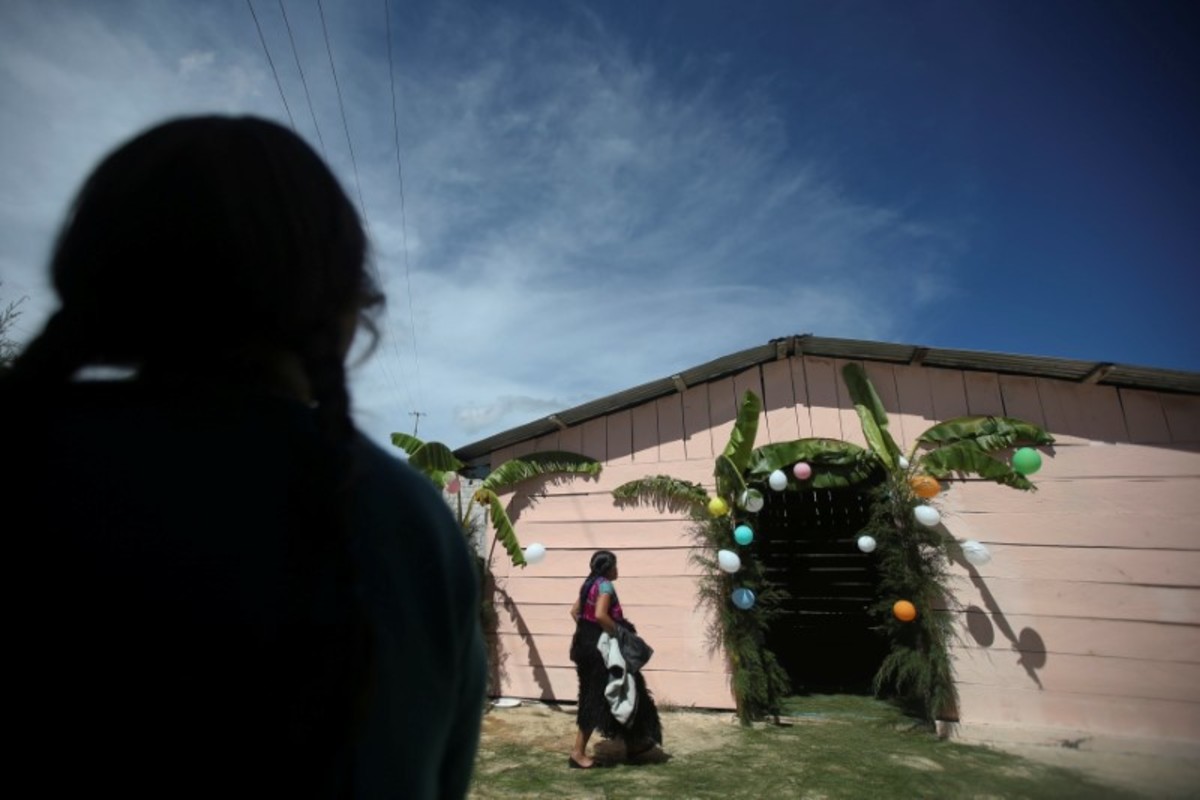
Muslims from the Tzotzil Maya ethnic group eat lunch after taking part in Friday (Jummah) prayers inside Ahmadiyya Muslim Community mosque in San Cristobal de las Casas, Mexico, August 11, 2017. REUTERS/Edgard Garrido Muslims from the Tzotzil Maya ethnic group take part in Friday (Jummah) prayers, whilst wearing hijabs made from traditional Maya shawls, inside Ahmadiyya Muslim Community mosque in San Cristobal de las Casas, in Chiapas state, Mexico, August 11, 2017. REUTERS/Edgard Garrido Soraya, 25, a Muslim from the Tzotzil Maya ethnic group, works at the craft store in San Cristobal de las Casas, in Chiapas state, Mexico, August 11, 2017. REUTERS/Edgard Garrido A view of San Cristobal de las Casas, in Chiapas state, Mexico, August 13, 2017. REUTERS/Edgard Garrido Mohamed Amin, 55, a Muslim from the Tzotzil Maya ethnic group, prays inside his house in San Cristobal de las Casas, in Chiapas state, Mexico, August 15, 2017. REUTERS/Edgard Garrido Mustafa, 42, a carpenter and Muslim from the Tzotzil Maya ethnic group, walks to work in San Cristobal de las Casas, in Chiapas state, Mexico, August 11, 2017. REUTERS/Edgard Garrido Anisa, 20, a Muslim from the Tzotzil Maya ethnic group reads the Koran in San Cristobal de las Casas, in Chiapas state, Mexico, August 12, 2017. REUTERS/Edgard Garrido Umar, 64, a Muslim from the Tzotzil Maya ethnic group, adjusts his Islamic prayer cap, or "Kufi", as he poses for a photograph in San Cristobal de las Casas, in Chiapas state, Mexico, August 13, 2017. REUTERS/Edgard Garrido Mohamed Amin, 55, a Muslim from the Tzotzil Maya ethnic group, and his wife Monida, 53, cook traditional tamales in San Cristobal de las Casas, in Chiapas state, Mexico, August 15, 2017. REUTERS/Edgard Garrido Umar, 64, a Muslim from the Tzotzil Maya ethnic group, walks in San Juan Chamula, in Chiapas state, Mexico, August 14, 2017. REUTERS/Edgard Garrido Anisa, 20, a Muslim from the Tzotzil Maya ethnic group, poses for a photograph dressed in a hijab made from a traditional Maya shawl, in San Cristobal de las Casas, in Chiapas state, Mexico, August 12, 2017. REUTERS/Edgard Garrido Muslims from the Tzotzil Maya ethnic group take part in Friday (Jummah) prayers as imam Ibrahim Chechev delivers his sermon inside Ahmadiyya Muslim Community mosque in San Cristobal de las Casas, in Chiapas state, Mexico, August 11, 2017. REUTERS/Edgard Garrido Imam Ibrahim Chechev, 36, a Muslim from the Tzotzil Maya ethnic group, poses for a photograph wearing an islamic prayer cap, or "Kufi", in San Cristobal de las Casas, in Chiapas state, Mexico, August 15, 2017. REUTERS/Edgard Garrido Nura, 65, a Muslim from the Tzotzil Maya ethnic group, poses for a photograph dressed in a hijab made from a traditional Maya shawl in San Cristobal de las Casas, in Chiapas state, Mexico, August 15, 2017. REUTERS/Edgard Garrido Evangelical worshippers and Muslims from the Tzotzil Maya ethnic group take part in a meeting between members of both religions at an evangelical church in San Juan Chamula, in Chiapas state, Mexico, August 14, 2017. REUTERS/Edgard Garrido A Muslim woman from the Tzotzil Maya ethnic group arrives at a meeting between Evangelical worshippers and Muslim faithful at an evangelical church in San Juan Chamula, in Chiapas state, Mexico, August 14, 2017. REUTERS/Edgard Garrido
Sign up to read this article
Read news from 100’s of titles, curated specifically for you.