
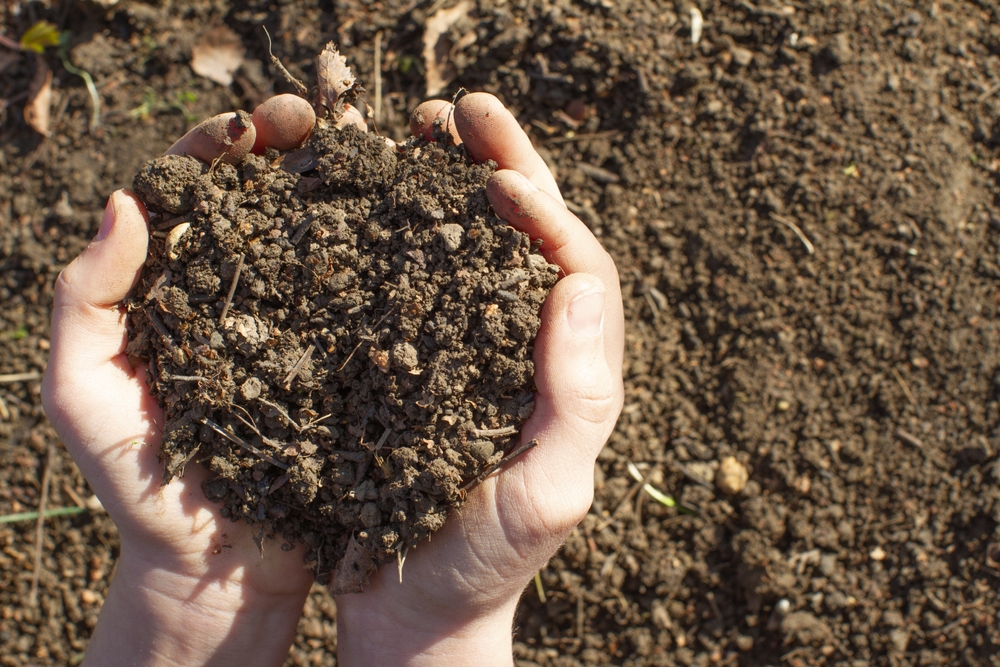
Bright bags stamped with “organic” promise lush growth, healthier plants, and peace of mind. Gardeners grab them expecting purity, but the reality often looks far more complicated. Many soil blends carry labels that sound clean while hiding ingredients that raise serious questions.
The word “organic” on a bag does not always guarantee what most people think it does. A closer look reveals surprising truths that can affect plant health, wallet, and long-term garden success.
What “Organic Soil” Really Means on the Label and Why It Matters So Much for Gardeners Today
The term organic soil sounds simple, yet labeling rules leave room for interpretation. Manufacturers often follow guidelines that allow certain natural inputs while still including processed or questionable materials. Many blends contain composted waste, biosolids, or fillers that meet technical standards but may not meet a gardener’s expectations. That gap between perception and reality creates confusion right at the store shelf. Gardeners who rely only on front-label claims risk bringing home something very different from what they intended.
Clear labeling matters because soil acts as the foundation of every plant in the garden. Nutrients, microbial life, and drainage all depend on what goes into that mix. Some “organic soil” products lean heavily on cheap fillers like forest byproducts or partially composted materials that break down unpredictably. These ingredients can tie up nitrogen, stunt growth, or introduce contaminants into otherwise healthy beds. Paying attention to ingredient lists instead of marketing slogans helps avoid costly mistakes.
Hidden Ingredients in Organic Soil That Could Affect Plant Health and Soil Quality Over Time
Not every ingredient listed in organic soil supports thriving plants. Some blends include biosolids, which come from treated sewage sludge and carry trace amounts of heavy metals or pharmaceuticals. Others rely on manure that did not fully compost, introducing pathogens or weed seeds into the garden. Even peat moss, a common component, raises environmental concerns and affects long-term soil sustainability. These hidden factors quietly influence both plant performance and soil health.
Poor-quality organic soil can also disrupt the delicate balance of microorganisms that plants need. Healthy soil teems with beneficial bacteria and fungi that support root systems and nutrient uptake. Inferior blends may lack that life or introduce imbalances that slow plant development. Gardeners might notice yellowing leaves, weak growth, or inconsistent yields without realizing the soil caused the issue. Choosing carefully protects both plants and the long-term vitality of the garden.
How to Spot High-Quality Organic Soil Without Falling for Clever Marketing Tricks
Smart gardeners look past buzzwords and focus on specifics. A reliable organic soil mix lists clear ingredients such as compost, aged bark, coco coir, and natural amendments like worm castings. Transparency signals quality, while vague terms like “organic matter” should raise suspicion. Certifications from reputable organizations add another layer of trust, but even those require a closer look. Reading the fine print makes a big difference.
Texture and smell also offer valuable clues when evaluating organic soil. High-quality soil feels crumbly, drains well, and smells earthy rather than sour or chemical-like. Bags that feel overly dense or dusty may contain too many fillers or poorly processed materials. Price can hint at quality too, since extremely cheap mixes often cut corners on ingredients. Investing a little more upfront often saves money by preventing plant loss and poor yields.
Simple Ways to Upgrade Your Organic Soil for Better Results in Any Garden Setup
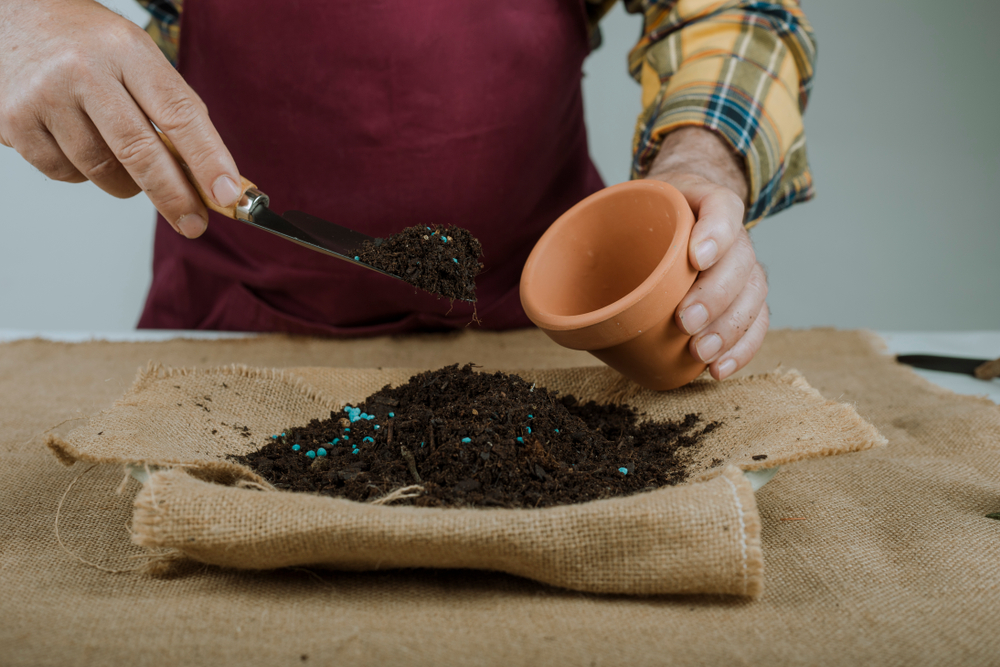
Even average organic soil can improve with a few strategic upgrades. Adding compost from a trusted source boosts microbial life and nutrient content quickly. Gardeners can mix in perlite or vermiculite to improve drainage and aeration, especially in container setups. Organic fertilizers like bone meal or fish emulsion provide targeted nutrients that many bagged soils lack. These small adjustments turn a mediocre mix into a productive growing medium.
Regular maintenance keeps organic soil performing at its best over time. Mulching protects moisture levels and feeds soil life as it breaks down. Crop rotation and cover crops help replenish nutrients naturally without relying on synthetic inputs. Testing soil once or twice a year ensures the right balance of nutrients and pH levels. Consistent care transforms soil from a one-time purchase into a long-term asset.
The Real Secret to Thriving Plants Starts Below the Surface
Great gardens never rely on labels alone. Careful selection, observation, and improvement of organic soil create stronger plants and better harvests. Gardeners who stay informed avoid hidden pitfalls and gain more control over their growing environment. Small decisions at the soil level ripple through every stage of plant development. Strong roots, vibrant growth, and higher yields all begin with what goes into the ground.
Taking the time to evaluate organic soil pays off in both the short and long term. Healthy soil reduces the need for constant fertilizers, pest control, and troubleshooting. It also supports sustainable gardening practices that protect the environment. A little extra attention upfront prevents frustration later in the season. The “dirty secret” loses its power once gardeners know exactly what to look for and how to respond.
What has your experience been with organic soil—have you ever noticed surprising results from a bag you trusted?
You May Also Like…
Why Your Hairbrush Holds the Secret to Better Soil Nitrogen
Spring Cleaning Your Soil: The $0 Way to Wake Up Your Garden
The Facebook Marketplace Trick for Free High-Quality Topsoil
The Organic Fertilizer Problem Gardeners Are Reporting in 2026 — And How to Fix It Cheaply
The Smart Gardener’s Guide: 4 Low-Cost Organic Fertilizers
The post Why Your ‘Organic’ Soil Might Be Hiding a Dirty Secret appeared first on Frugal Gardening.