
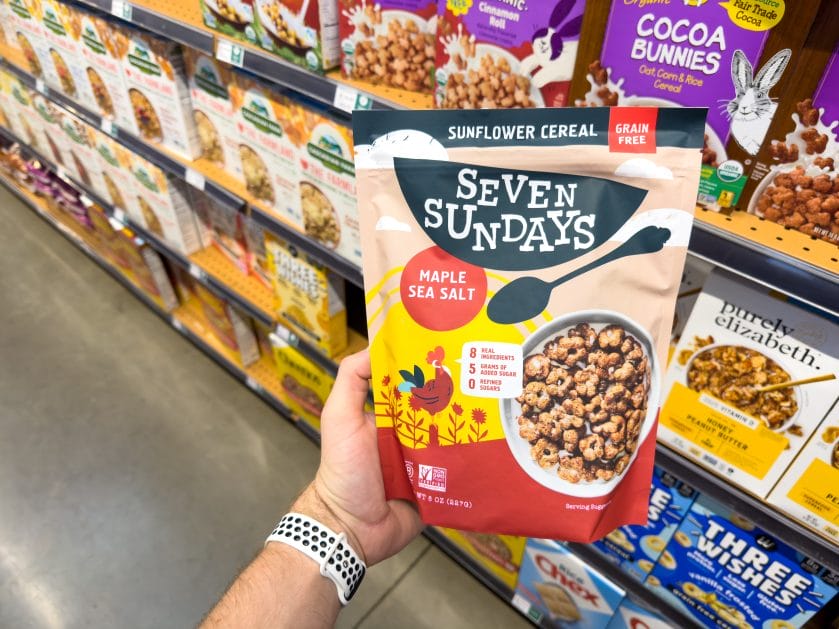
Grocery store shelving is a “pay-to-play” vertical landscape. The products at eye level are there because manufacturers paid “slotting fees” to put them in your line of sight, or because they offer the highest profit margin for the retailer. To find the true market price of a commodity, you must physically look down. The bottom shelf is the “value zone,” where branding disappears, and raw utility remains. While the packaging might be plain and the logos unrecognizable, the products on the bottom shelf are often chemically identical to their expensive upstairs neighbors. Here are eight specific staples where the crouch is worth the cash.
1. Baking Spices
The eye-level spice rack is dominated by glass jars from major brands like McCormick. These jars are aesthetically pleasing but astronomically priced per ounce. If you look at the very bottom shelf (or sometimes in a special display in the ethnic aisle), you will find spices sold in cellophane bags or simple plastic tubs. The cumin, oregano, and cinnamon inside are fresh and potent, yet they cost a fraction of the price because you aren’t paying for the glass or the marketing budget.
2. Bagged Cereal
The top and middle shelves of the cereal aisle feature colorful boxes with cartoon characters and licensed intellectual property. The bottom shelf holds the oversized bags of “Malt-O-Meal” or store-brand equivalents. These bagged cereals eliminate the cardboard box and the wax liner, passing those packaging savings directly to you. Blind taste tests frequently show that the bagged “Marshmallow Mateys” are indistinguishable from the boxed “Lucky Charms,” yet they cost nearly 40% less by weight.
3. Sugar and Flour
Baking staples are commodities. There is virtually no difference between a premium brand of white granulated sugar and the store brand. The major brands dominate the middle shelves, often in easier-to-pour plastic containers. On the bottom shelf, you will find the standard paper bricks of sugar and flour. These paper sacks are the industry standard for a reason: they are cheap and effective. Pouring the bottom-shelf sugar into your own reusable container at home saves you the “convenience tax” of the premium packaging.
4. Bulk Rice
Small, one-pound boxes of “instant” or seasoned rice sit at eye level, offering convenience at a high markup. The bottom shelf is where the ten and twenty-pound bags of raw long-grain or jasmine rice live. Buying rice in these larger formats drops the price per serving to pennies. While the initial lift is heavier, the long-term savings on this staple grain are undeniable for any family that cooks regularly.
5. Canned Vegetables
The difference between a name-brand can of corn and a generic can on the bottom shelf is often just the label. Many generic brands are actually canned in the same facilities as the name brands during different production runs. The vegetables on the bottom shelf are just as nutritious and flavorful, but they lack the advertising budget that drives up the cost of the famous labels.
6. Bottled Water

Single bottles of “artisanal” water and name-brand 24-packs dominate the main sightlines. The bottom shelf usually houses the store-brand cases or the gallon jugs. If you need water for an event or emergencies, the generic cases on the floor offer the same hydration for significantly less money. The plastic might be slightly thinner, but the water inside is just as wet.
7. Cleaning Bleach
Bleach is a chemical compound (sodium hypochlorite) that is strictly regulated. The chemical concentration in a jug of Clorox is nearly identical to the concentration in the generic jug sitting on the bottom shelf. You are paying a premium for the brand recognition and perhaps a slightly better-designed handle. For sanitizing and whitening, the bottom-shelf bleach performs the same chemical reaction for 30% less money.
8. Pain Relievers
In the pharmacy aisle, the bottom shelf is the home of generics. The FDA requires that generic ibuprofen or acetaminophen have the same active ingredient and dosage as the name brands like Advil or Tylenol. The only difference is the filler ingredients (the binder that holds the pill together) and the price. Buying the bottle on the bottom shelf is the smartest medical and financial decision you can make for basic pain relief.
The Value of Looking Down
Ultimately, the grocery store is a hierarchy of marketing budgets, with the most expensive real estate positioned directly at eye level. By developing the habit of scanning the bottom shelf, you bypass the premiums charged for branding and packaging to access the raw utility of the product itself. This simple physical shift in your shopping routine ensures that your budget pays for the food you eat, rather than the advertising campaigns you see.
What to Read Next
The Shelf Placement Trick That Makes You Forget Your List
Stores Are Testing New Shelf Pricing Formats
Can Smart Shelf Labels Hide Price Spikes From Coupon Users?
Winter Shelf Rotation Patterns That Influence Clearance Finds
Dairy Processors Shift Packaging That Confuses Customers at Shelf
The post Why You Should Always Check the Bottom Shelf for These 8 Staples appeared first on Grocery Coupon Guide.