Should people fear the coronavirus?
Public health experts say 1 million worldwide deaths are among reasons to be concerned, if not fearful, and to take everyday precautions despite rosy advice from the still-recovering president.
“Don’t let it dominate you. Don’t be afraid of it. You’re going to beat it,” Donald Trump said in a White House video released after he left the hospital Monday.
In the United States alone, more than 210,000 people weren’t able to beat it.
The seven-day rolling average for new U.S. cases has climbed over the past two weeks to almost 42,000 per day. The nation also sees more than 700 COVID-19 deaths each day.
COVID-19 also is deadlier than the flu, despite Trump's claim otherwise. Flu has killed 12,000 to 61,000 Americans annually since 2010, according to CDC estimates.
It is true that the vast majority of people who get COVID-19 develop only mild symptoms. But experts can’t predict which patients will develop dangerous or deadly infections. And only a small percentage of Americans have been sickened by the coronavirus, meaning the vast majority are still at risk for infection.
It is true, as Trump said in the video, that medicines have been found that can treat the virus, reducing chances for severe illness and death. But there is still no cure for it and no definitive date for when an effective vaccine might become widely available.
Another reason for concern is uncertainty over which patients will develop lasting complications affecting the lungs, heart, kidneys and other organs. While these are more common in patients with severe infections, persistent symptoms lasting several months have occurred even in those with mild disease. Fatigue is among the most common.
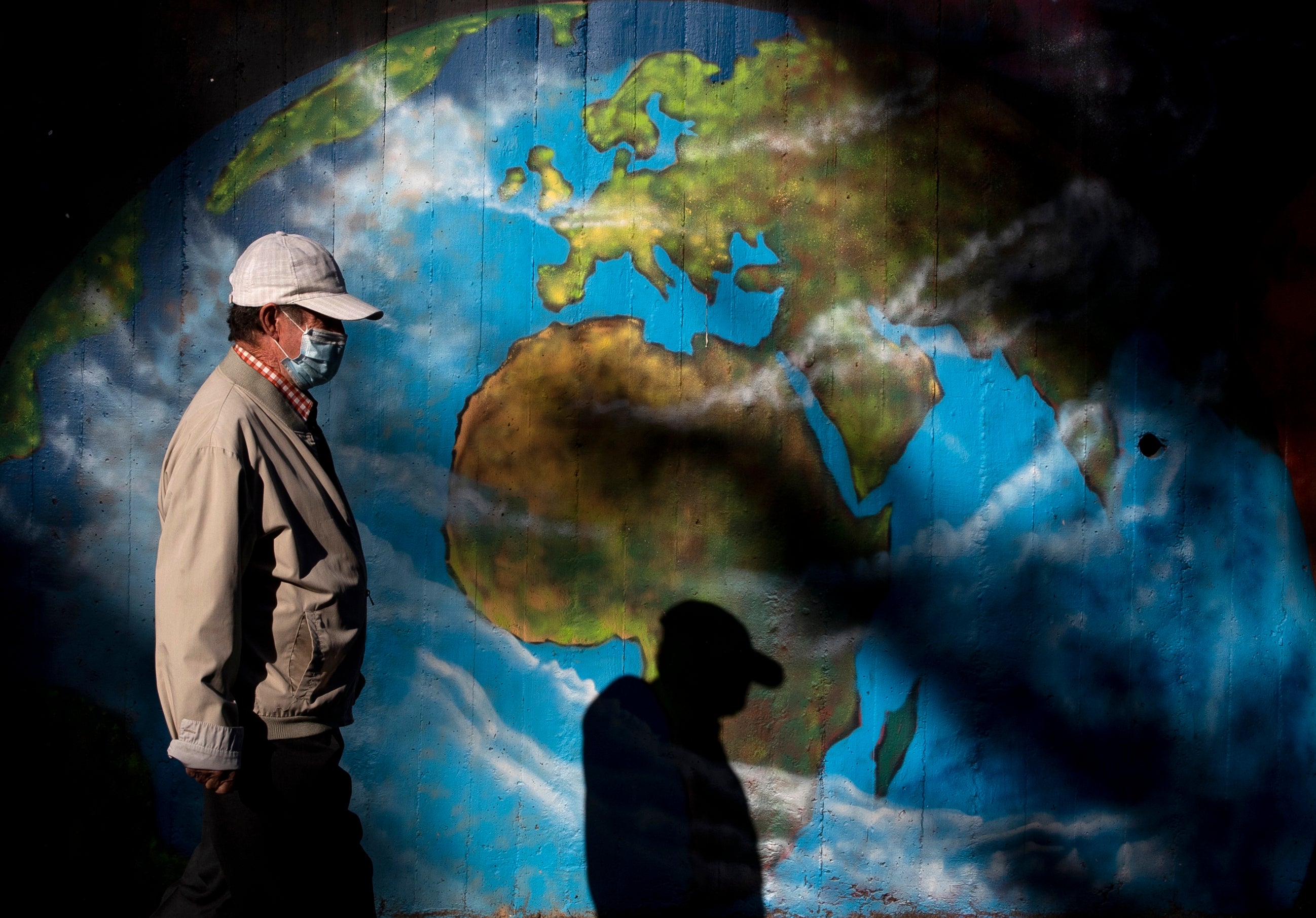
Taking everyday precautions including wearing masks and social distancing to curb disease spread doesn’t mean the virus is dominating people's lives, said Dr. Khalilah Gates, an assistant professor of medicine at Northwestern University in Chicago.
“There are things we need to do collectively to make sure we minimize the mortality,” Gates said. “That’s not domination. That’s just being willing to make changes so we can all get through this in a much better and safer way.”
___
Follow AP Medical Writer Lindsey Tanner at @LindseyTanner.
___
The Associated Press Health and Science Department receives support from the Howard Hughes Medical Institute’s Department of Science Education. The AP is solely responsible for all content.