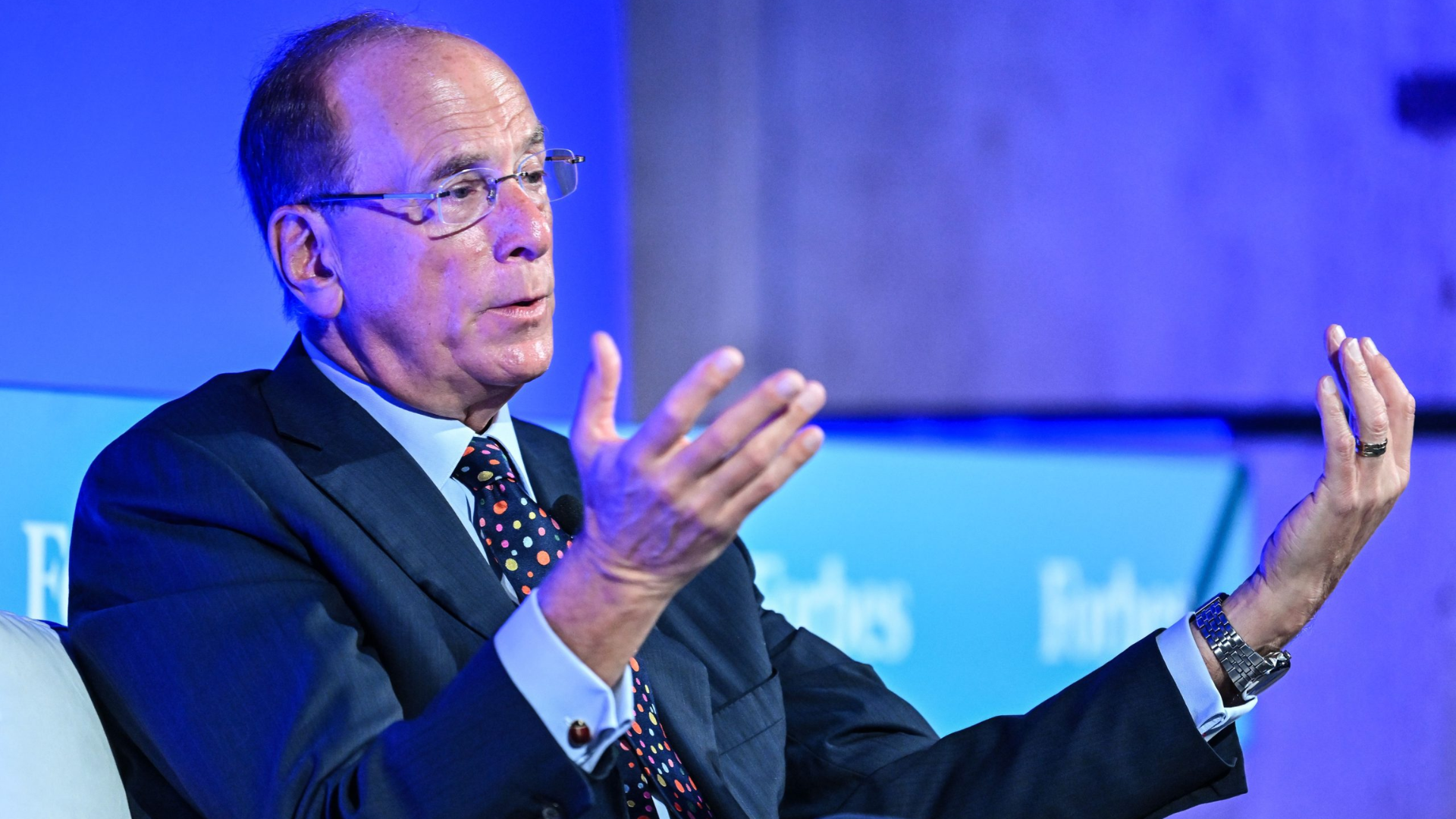
As the founding CEO and chair of BlackRock, a global leader in asset management, Larry Fink understands the financial aspects of retirement. According to Forbes, he oversees more than $11 trillion in assets under management, of which more than half is in retirement accounts, per BlackRock.
In his 2024 letter to shareholders, Fink raised the issue of retirement for an aging population and introduces the idea of working longer. So is working longer feasible? Fink thinks so. Here’s why Fink believes working longer might make sense for retirement.
For You: 3 Biggest Problems Facing Social Security in 2026
Read Next: 4 Safe Accounts Proven To Grow Your Money Up To 13x Faster
The Aging Population and Social Security
The Social Security system wasn’t built for this trend, Fink explained. Approximately 70% of those born in 1950 lived to retirement age and experts predict that 85% of those born in 2000 will reach that milestone per the Social Security Administration (SSA).
The challenge isn’t only that more people are retiring, but that they’re living longer in retirement. According to the SSA, one in three of today’s 65-year-olds will live to 90 and one in seven will live to 95.
Fink called this a “wonderful thing” in the 2024 letter to shareholders. He went on to say that we should aim for longer, healthier lives for more people, but we also have to consider the significant strain this places on the nation’s retirement system.
As more people collect Social Security for longer periods, the pool of available funds shrinks. The SSA estimates that full benefits will be available only until 2037, after which taxes will cover 76% of earned benefits.
Check Out: What Is the Highest Social Security Check per Month?
Questioning the Retirement Age
Fink used his 2024 shareholder letter to question whether 65 is still the right age to retire and what it would look like to extend that age.
He said people shouldn’t be expected to work beyond what they choose, but that it’s time to open the discussion. As more people live well into their 90s, what should the standard retirement age look like?
As a comparison, he cited the Netherlands, which has gradually increased the state pension age since 2013. Such an increase may protect some of Social Security’s dwindling funding, but other experts say it will hurt people’s ability to afford retirement.
Social Security and Income After Age 60
Full Social Security retirement age is between 66 and 67, depending on the person’s birth year, the SSA. Per the Employee Benefit Research Institute (EBRI), workers currently retire at a median age of 62 — the earliest possible Social Security age — and at least four years before full benefits are available.
Fink said we could encourage people to continue working by rewarding their expertise. In the shareholder letter he asked, what if both government and industry viewed people over 60 as experienced professionals with valuable contributions to make, instead of assuming they should step away from the workforce?
He acknowledged that pushing back the retirement age is a significant question with no easy answers. Meanwhile, he said, the financial industry must help people become more comfortable investing so that they can save more for their individual retirement years.
If Social Security drops off, those individual contributions might be more critical than ever.
More From GOBankingRates
- Mark Cuban Just Exposed a Social Security Flaw That Every Senior Needs To Watch For
- What Will the Average Social Security Check Be for Retirees in 2026?
- How Middle-Class Earners Are Quietly Becoming Millionaires -- and How You Can, Too
- 6 Safe Accounts Proven to Grow Your Money Up to 13x Faster
This article originally appeared on GOBankingRates.com: Why Working Longer Might Make Sense for Retirement, According to Larry Fink