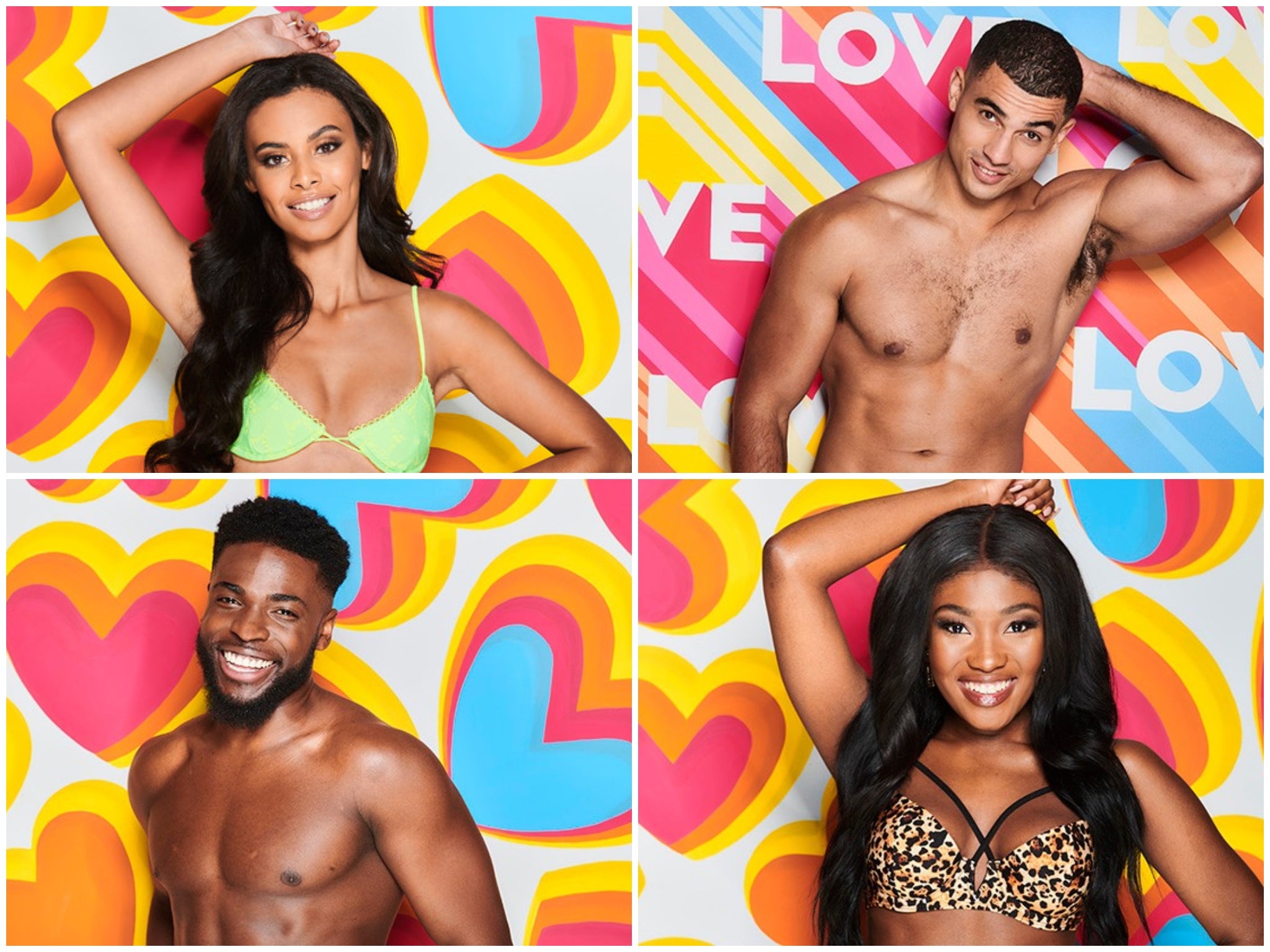
The debut winter series ofLove Island has so far had all the cultural impact of a soggy speedo. Contestants seem less bothered about coupling up than they are about the fact that they are on what is, essentially, a free holiday – one where they get to lounge by a pool removed from an outside world where climate change, Brexit and Mrs Brown’s Boys are all still horribly relevant.
In the latest episode, literally nothing happened. I don’t mean barely anything, I mean: Nothing Happened. Contestants were tasked to the bare minimum of human functions: eating, drinking and talking to one another, mostly in monosyllables or nonsensical slang terms. In one scene, a contestant could barely muster the energy to fork a single piece of tomato into his mouth, as his date asked, for the millionth time, “So what are you looking for in a relationship?” In another, contestant Leanne realised she felt no attraction whatsoever to would-be-boyfriend Mike, and promptly dumped him. So far, not one of these “couples” look likely to last five seconds outside of the show.
Last year, we were bombarded with headlines about how young people – mostly millennials – were ruining everything for everyone else: avocado shortages, the property market, politics, tea, an ailing diamond industry, paper napkins, bars of soap, golf, the 9-5 work day, and the death of boxed cereal. In between, there were further articles asking why young people had fallen out of love with: the British cuppa, Jeremy Corbyn, safe sex, cars, and meat. What they haven’t asked, yet, is whether young people have fallen out of love with love itself.
Studies have suggested that younger generations are drifting away from what were once considered the ultimate aspirations: University, job, marriage, children, retirement. Last year, a viral article in The Guardian interviewed a behavioural scientist, or “happiness expert”, who said women were happier without children or a spouse. The year before, a study by the Pew Research Center, millennials are three times as likely to never get married, compared to their grandparents. If they do marry, millennials are taking their time, and spending longer to get to know one another. Is it really surprising, then, that we struggle to identify with the contestants on Love Island, whose only priority seems to be finding “the one” in a matter of weeks?
I’d rather see more producers following The Masked Singer’s example, ergo, come up with the most ludicrous, insane idea ever and turn it into a TV show. Twenty-year-olds competing against one another to see who can get out of their student overdraft first. Big Brother, but with journalists trying to do Dry January. Piers Morgan going undercover at a Greggs factory. Boris Johnson taking a paternity test on the Jerry Springer Show. Boris Johnson taking an aptitude test. Boris Johnson trying to live on Universal Credit for a month…
A lack of imagination is what’s been slowly killing reality TV for years. Love Island needs to find a way to shake up the villa, otherwise all we’re watching is a bunch of bored, tanned twentysomethings talk the show into obscurity.