More seats. More representation. More power. Sounds like a win for everyone, right? But what if the real story is more complicated than it looks?
India is preparing for a major political shift one that could redefine how power is shared across states. The promise is simple: every state gets more seats. But the question is will everyone gain equally?
A Promise That Sounds Powerful
The government’s message is clear every state will get 50% more Lok Sabha seats. That means if a state has 40 seats, it could go up to 60. On paper, this looks fair and balanced. No state is losing seats. Everyone is gaining. It sounds like a rare moment where everyone benefits. But big promises often come with deeper layers. And that’s where the real questions begin.
The Opposition’s Sharp Questions
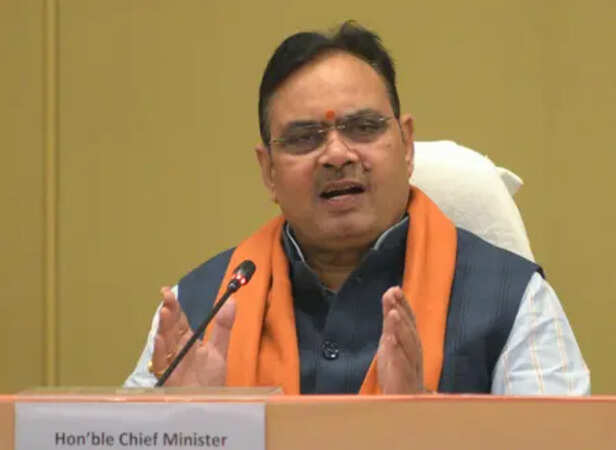
While supporting women’s reservation in principle, opposition leaders have raised serious concerns. They argue that representation of OBC, Dalit, and Adivasi communities must not be ignored. The demand for a caste census and fair delimitation has become central to the debate. This turns a simple policy into a complex political issue. It’s no longer just about gender it’s about balance, fairness, and inclusion across communities. And that’s where the real tension begins.
The Real Game: Delimitation Debate
One of the biggest aspects of this proposal is delimitation redrawing constituencies based on population. The plan to increase Lok Sabha seats from 543 to 850 could significantly shift political power. States with higher population growth may gain more influence. This raises concerns among smaller states and regions. What looks like a structural reform could actually reshape electoral outcomes. This is why critics are calling it more than just a reservation bill it’s a potential power shift.
Politics vs Empowerment
This is where the debate becomes intense. Is the move purely about empowering women, or is it also a strategic political decision? Supporters believe it’s a long-overdue reform. Critics argue the timing and structure raise doubts. Both sides present strong arguments. And for the common citizen, it becomes difficult to separate intent from impact. This dual narrative is what makes this issue so powerful and so controversial.
What This Could Change Forever
This is not just a policy change it signals a long-term shift that could shape India’s political landscape for decades. It will influence elections, leadership choices, and how decisions are made at the highest level. More seats may bring more voices into Parliament, which sounds positive. But the real question is how those voices are distributed across states. That distribution will decide who holds more influence and power. This is why the debate is so important. It’s not just about increasing numbers it’s about maintaining fairness, ensuring balance, and building trust in the system for every region and community.
Unlock insightful tips and inspiration on personal growth, productivity, and well-being. Stay motivated and updated with the latest at My Life XP.
Frequently Asked Questions (FAQs)
1. What is the Women’s Reservation Bill about?It aims to reserve one-third (33%) of seats in the Lok Sabha and State Assemblies for women, increasing their representation in politics.
2. Why is it being called a “historic step”?
Because it has the potential to significantly increase women’s participation in decision-making and leadership at the national level.
3. Why is the opposition raising concerns?
Opposition leaders support women’s reservation but argue that representation for OBC, Dalit, and Adivasi communities must also be ensured through caste-based data.
4. What is the delimitation issue?
Delimitation means redrawing constituency boundaries based on population. The proposal to increase Lok Sabha seats and adjust representation has raised concerns about fairness among states.
5. How many seats are proposed in the new plan?
The government has proposed increasing Lok Sabha seats from 543 to around 850, including seats for states and union territories.