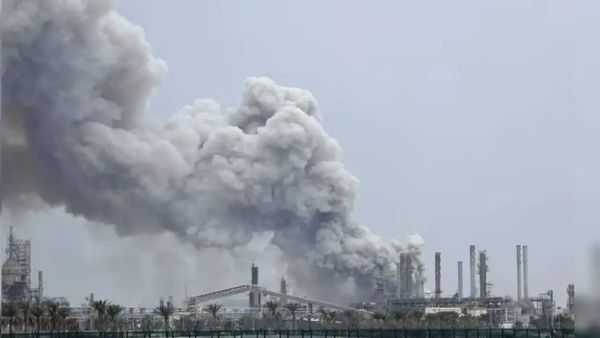
When people think about sustainability, they often picture visible changes like new products, bold technologies, or lifestyle shifts. Yet the most meaningful environmental progress often happens in places most people never see, deep inside industrial processes and manufacturing systems. These changes are rarely dramatic, but they affect how energy, materials, and resources are used every day at massive scale.
Incremental improvements in efficiency, timing, and process design quietly shape environmental outcomes far more than many headline-grabbing innovations. If real impact comes from reducing waste where it actually occurs, shouldn’t attention shift toward how things are made rather than how they’re marketed?
Why the Biggest Environmental Wins Happen in Industry, Not at Home
Most conversations about sustainability focus on consumer choices, but industry is where environmental impact is concentrated. Manufacturing, logistics, and large-scale production account for a significant share of energy use and resource consumption.
When improvements happen at this level, even small percentage gains can translate into massive real-world reductions. That’s why behind-the-scenes industrial changes often matter more than visible lifestyle shifts.
A factory that reduces energy use by a few percent can offset the impact of thousands of individual actions. This doesn’t make consumer efforts irrelevant, but it does put them in perspective. The biggest gains tend to come from changing how things are made, not just how they’re used. The question many industries quietly ask is not “how do we look greener” but “where are we wasting resources without realizing it”.
Fixing How Things Are Made, Not What’s Being Made
Many sustainability gains come from improving existing processes rather than redesigning products. Energy wasted during idle machine time, unnecessary material handling, or inefficient workflows often goes unnoticed for years.
Once these inefficiencies are measured and understood, they can often be reduced without changing the final product at all. That makes these improvements both practical and low-risk.
Process optimization also forces organizations to ask better questions about their operations. Why does a certain step require rework? Why is material being discarded at a specific stage? These questions may sound operational, but they have direct environmental consequences. When waste is reduced upstream, sustainability becomes a built-in outcome rather than an added goal.
Upgrading What We Already Have Instead of Starting Over
Building new facilities is expensive, resource-intensive, and often less sustainable than improving what already exists. Construction itself carries a heavy environmental footprint through material use, transportation, and energy consumption.
In many cases, older facilities can be significantly improved with modern controls, updated components, and smarter layouts. This approach avoids the hidden costs of replacement while delivering real performance gains.
Extending the useful life of industrial infrastructure is an often-overlooked form of sustainability. Equipment designed to last decades still has value if it’s maintained and upgraded correctly. Instead of chasing the newest solution, many operators focus on making existing systems work better. That mindset shifts sustainability from a one-time investment to an ongoing practice.
Energy Savings That Don’t Come With a Press Release
Some of the most effective energy-saving measures are almost impossible to see. Improvements in motors, control systems, or scheduling don’t change how a factory looks from the outside. Yet these changes can quietly reduce energy demand every hour of operation.
Over time, the cumulative impact is substantial. Even small factors like airflow resistance can drive up energy use over time. Efficient replacement filters, such as Indufil replacement filters designed for industrial environments, help systems run smoothly without the energy penalties caused by clogging or pressure drops.
Energy efficiency is often about timing as much as technology. Running equipment only when needed, avoiding peak demand where possible, and smoothing production cycles all reduce unnecessary energy use. These changes rarely disrupt output or quality, which is why they’re so effective. They also tend to pay for themselves quickly, making them easier to justify internally.
Using Less Without Anyone Noticing
Reducing resource use doesn’t always require dramatic changes. Water, raw materials, and consumables are often lost through small inefficiencies that add up over time. Closed-loop systems, better calibration, and tighter process control can significantly cut usage without affecting production goals. To most observers, nothing appears different.
Preventing waste is often more impactful than managing it after the fact. Recycling has value, but avoiding scrap in the first place saves energy, labor, and materials all at once.
When byproducts are reused internally, they stop being waste and start being assets. This shift often happens quietly, guided by operational insight rather than environmental branding.
How Data and Software Are Quietly Cleaning Up Industry
Digital tools have changed how inefficiencies are identified and addressed. Sensors and monitoring systems reveal patterns that were previously invisible, such as energy spikes or gradual performance drift. With better data, operators can respond earlier and more precisely. This reduces waste before it becomes costly or disruptive.
Predictive insights also reduce unnecessary maintenance and downtime. Instead of replacing parts too early or reacting too late, decisions are based on actual conditions.
That approach saves materials, energy, and labor while improving reliability. In many cases, software-driven improvements deliver environmental benefits without adding physical complexity.
Why These Changes Rarely Make the News
Behind-the-scenes improvements lack the visual appeal of new technologies or bold announcements. A more efficient process doesn’t photograph well, and a reduced energy bill isn’t headline material. As a result, these changes are often labeled as routine operations rather than innovation. Yet their impact is measurable and lasting.
There’s also a gap between what’s marketable and what’s meaningful. Public attention gravitates toward visible symbols of progress, while quiet refinements go unnoticed.
Engineers, operators, and planners rarely seek recognition for incremental gains. Their focus is on results, not visibility, even if those results quietly move sustainability forward.
When Saving the Planet Also Saves Money
One reason these improvements continue is that they align environmental and financial goals. Using less energy, water, and material usually lowers operating costs. That makes sustainability easier to justify without relying on external pressure or incentives. In many cases, environmental benefits are a direct side effect of better efficiency.
These changes also reduce risk and improve resilience. More stable processes mean fewer breakdowns, less downtime, and better predictability. Over time, that stability becomes a competitive advantage. Sustainability stops being a separate initiative and becomes part of how good operations are defined.
What This Means for the Future of Sustainable Manufacturing
The future of green progress in industry is likely to be steady rather than dramatic. Incremental improvements, applied consistently, often outperform one-time transformations.
Policies and incentives increasingly reflect this reality by supporting efficiency upgrades and modernization. Existing facilities will play a central role in meeting environmental goals.
Rather than waiting for breakthroughs, many industries are refining what already works. This approach recognizes the scale and longevity of industrial systems. Real progress comes from making those systems smarter, leaner, and more responsive. Much of that progress will continue to happen quietly, but its impact will be anything but small.
Conclusion
Sustainability does not always arrive through sweeping transformations or public milestones. It often emerges from careful refinement, better decisions, and continuous attention to how systems actually operate. The most effective environmental gains are built into daily routines, equipment settings, and operational choices that rarely draw attention.
Over time, these quiet improvements reshape industries in ways that are both durable and measurable. If the goal is lasting environmental progress rather than visible gestures, isn’t it worth valuing the work that happens out of sight?