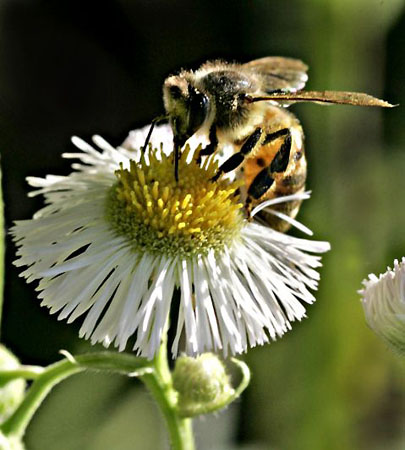
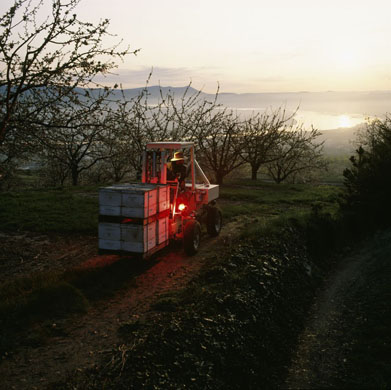
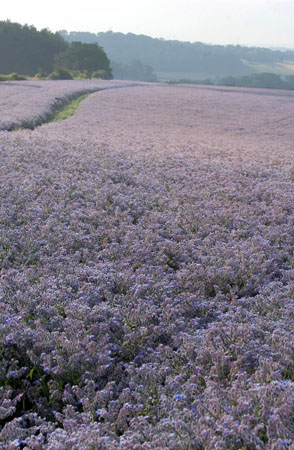
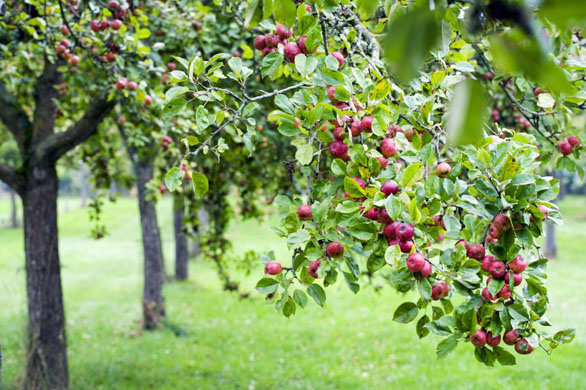
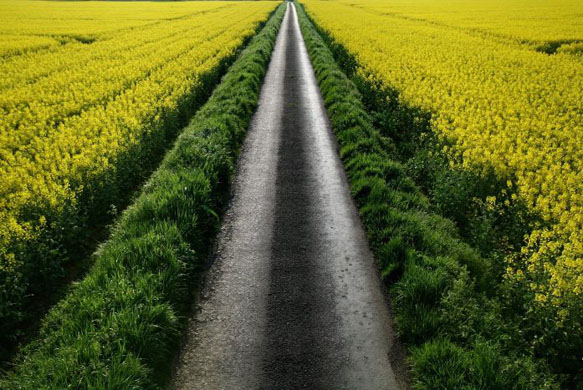
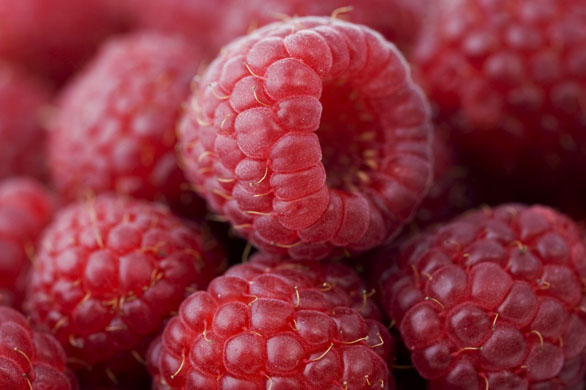
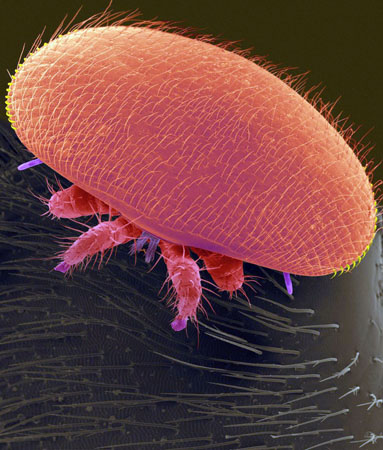
A honeybee on blossom - becoming a rare sight as a third have perished according to a survey by the British Beekeepers' Association (BBKA) Photograph: Judi Bottoni/APA bee farmer transporting hives. Bees pollinate a third of everything we eat. In the UK alone, bee pollinaton is worth around £165m to the economy in increased yieldsPhotograph: Maria Stenzel/GettyA field of borage (starflower) rich in nectar, which has been a major source of English honey in last few years. Fields are now being replanted with wheat leading to a shortage of English honeyPhotograph: Phil Yeomans/Rex Features
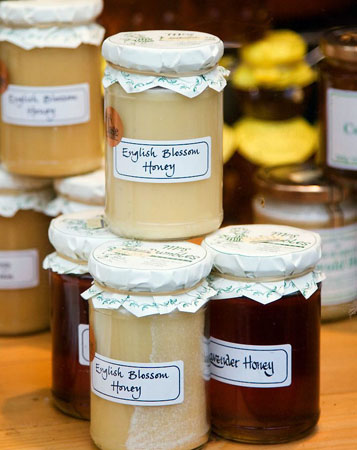
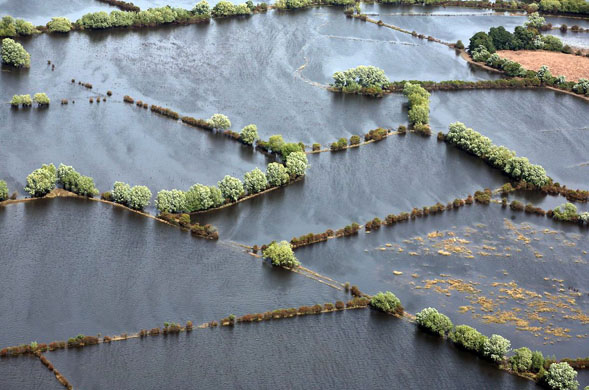
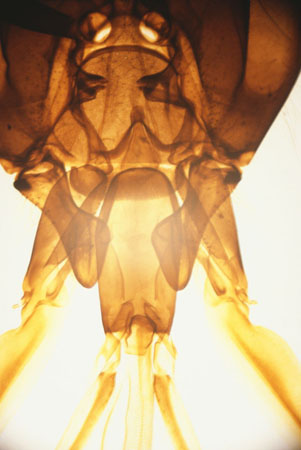
The Honey Association warned last month that English honey will run out by Christmas and no more will be available until summer 2009Photograph: Tim Graham/GettyAn apple tree orchard. The BBKA estimates bee pollination is worth £86m to apple growingPhotograph: Mark Bolton/CorbisOilseed rape fields, ideal for hard set honey. The BBKA estimates bee pollination is worth £25m to oilseed cultivationPhotograph: Matt Cardy/GettyRaspberries. The BBKA estimates bee pollination is worth £20m to raspberry growersPhotograph: Tim Graham/GettyThe varroa mite. The blood-sucking parasite is thought to be a major killer of bees in the UK by spreading virusesPhotograph: Visuals Unlimited/CorbisDefra says last year's wet summer was a major culprit as bees were confined to the hive and disease spreadPhotograph: Matt Cardy/GettyA bee under a microscope. The BBKA is calling £8m from the government to find the causes of bee deaths and improve bee healthPhotograph: Getty
Sign up to read this article
Read news from 100’s of titles, curated specifically for you.