
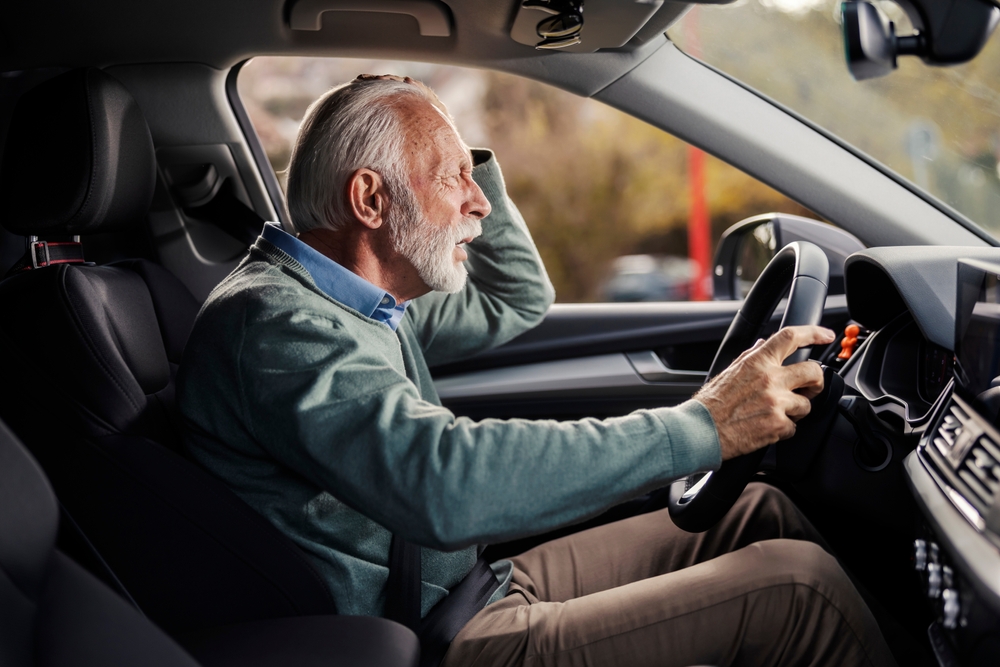
Stress rarely announces itself with clarity. It seeps in, sits in the background, and reshapes behavior before emotion catches up. Oddly, one place it reveals itself early is behind the wheel. The machinery responds to human tension faster than the mind admits it. This matters because the small shifts in vehicle stress often show a pattern long before a person feels overwhelmed. And ignoring those shifts carries real consequences. These six things point to stress in your life, whether you realize it or not.
1. Your Grip Tightens Before Your Thoughts Do
A vehicle responds instantly to muscle tension. Grip the wheel a little harder, and the tires, steering column, and alignment feel that strain. It happens long before a person recognizes stress internally. The body defaults to defense mode, and vehicle stress becomes visible in each small overcorrection. A tight grip makes the car jerk slightly during lane changes or turns. It creates false signals—vibrations that feel mechanical but trace back to tension in the driver’s hands and arms.
Most drivers chalk this up to rough pavement or worn tires. They treat it as a mechanical issue, not a physical one. But the car is doing its job: reflecting the person controlling it. And when the wheel feels different without any actual change in the vehicle’s condition, vehicle stress is already in motion.
2. Your Braking Pattern Shifts
Stress speeds up reactions. A person brakes earlier, harder, and more often when running on tension instead of calm thought. The car shows it first—rotors heat faster, brake pads wear unevenly, and stopping distances shrink because the driver keeps tapping the pedal. These shifts expose emotional pressure that hasn’t surfaced clearly yet.
This pattern leaves evidence. A mechanic sees it in the pads. A passenger feels it in the sudden stops. But the driver rarely connects it to what’s happening internally. Vehicle stress reveals that change occurs before the mood shifts enough to be recognized. And if the brakes start to smell or pulse, the car is effectively sounding an alarm that the driver hasn’t heard.
3. You Accelerate in Short Bursts
Stress shows up in a person’s right foot. Sudden acceleration, even in mild traffic, hints at a body pushing for control or escape. The engine revs higher than necessary. The transmission shifts harder. Fuel economy drops. All symptoms of vehicle stress build before emotional stress becomes obvious.
This isn’t aggressive driving in the stereotypical sense. It’s subtle. A quick jump after a light turns green. A fast merge when a slower pace would work. A tendency to close gaps that don’t need closing. The car feels those impulses immediately, even if the driver doesn’t register them as stress.
4. Your Cabin Turns Into a Pressure Chamber
Small signs accumulate inside the cabin. The radio volume inches up without intention. The temperature gets adjusted repeatedly. The seat position shifts for comfort that never arrives. These are sensory compensations, and they show vehicle stress forming in the environment before the mind understands why the body is restless.
The cabin becomes a moving report on a person’s internal state. A driver who can’t settle on a temperature isn’t struggling with the HVAC system. They’re struggling with regulation—physical and emotional. And the car reveals it in real time.
5. You Lose Track of the Road
Stress steals focus. People drift mentally before they drift emotionally. The car gets hit first. Missed exits, inconsistent speeds, late lane changes, and unusual hesitations stand out. These lapses aren’t simple distractions. They are early alerts that vehicle stress is rising before the mind admits something is off.
The road demands presence, and stress pulls that presence away. The car becomes the unintended witness. When a driver forgets a familiar route or fails to notice basic road cues, something deeper is happening. And once again, the vehicle signals the shift before the mood reflects it.
6. Your Commute Time Quietly Expands
Most people assume stress makes them rush, but the opposite happens just as often. A stressed brain slows decision-making. The driver hesitates more, pauses longer at intersections, and leaves wider gaps in traffic. Commutes stretch by minutes or more. The clock sees the change. The car feels it. The driver doesn’t.
This kind of vehicle stress shows up in simple metrics: longer idle times, longer braking periods, and slower acceleration from stops. These behaviors don’t feel stressful, but they point to a mind overworked and under-rested.
When the Car Knows Before You Do
The vehicle becomes an early warning system, whether the driver wants it to or not. It reflects physical tension, micro-decisions, and subtle habits that form under pressure. And it reveals them long before emotional stress becomes unmistakable. Paying attention to vehicle stress is a practical way to see what the body has already sensed, but the mind hasn’t named.
When small shifts appear in how a car handles, accelerates, or responds, they often signal something deeper. And catching those signs early can prevent both mechanical wear and emotional burnout.
Have you noticed signs of stress in your vehicle before you noticed them in yourself?
What to Read Next…
- 8 Things You Should Never Keep In Your Car For Your Own Safety
- 9 Car Brands That Quietly Lost Consumer Trust In The Last 5 Years
- 7 Vehicle Features That Can Be Remotely Disabled Without Your Consent
- 10 Clues Your Choice Of Gas Is Destroying Your Vehicle
- 8 Car Repairs You Think You Can Handle Until You Break Something Worse
The post Why Stress Shows Up In Your Vehicle Before It Shows Up In Your Mood appeared first on Clever Dude Personal Finance & Money.