Parents are often surprised when a child diagnosed with autism spectrum disorder (ASD) is later told they may also have Oppositional Defiant Disorder (ODD). At first glance, frequent arguments, refusal to follow instructions, or emotional outbursts can appear intentionally defiant. However, many autism specialists emphasize that similar behaviors can have very different underlying causes. Understanding why some students on the spectrum receive an ODD diagnosis helps families, teachers, and clinicians provide more effective support instead of relying on assumptions.
Autism and ODD Can Look Similar on the Surface
One reason students on the spectrum are labeled with ODD is that the outward behaviors often overlap. A child who refuses to complete schoolwork, argues with adults, or walks away from classroom demands may appear oppositional even when they are overwhelmed. Autism-related challenges such as sensory overload, communication difficulties, or sudden changes in routine can trigger behaviors that resemble defiance. Research suggests that roughly one in four children with autism may also meet criteria for ODD, although careful evaluation is needed because the two conditions can be difficult to distinguish.
Emotional Overload Is Often Mistaken for Defiance
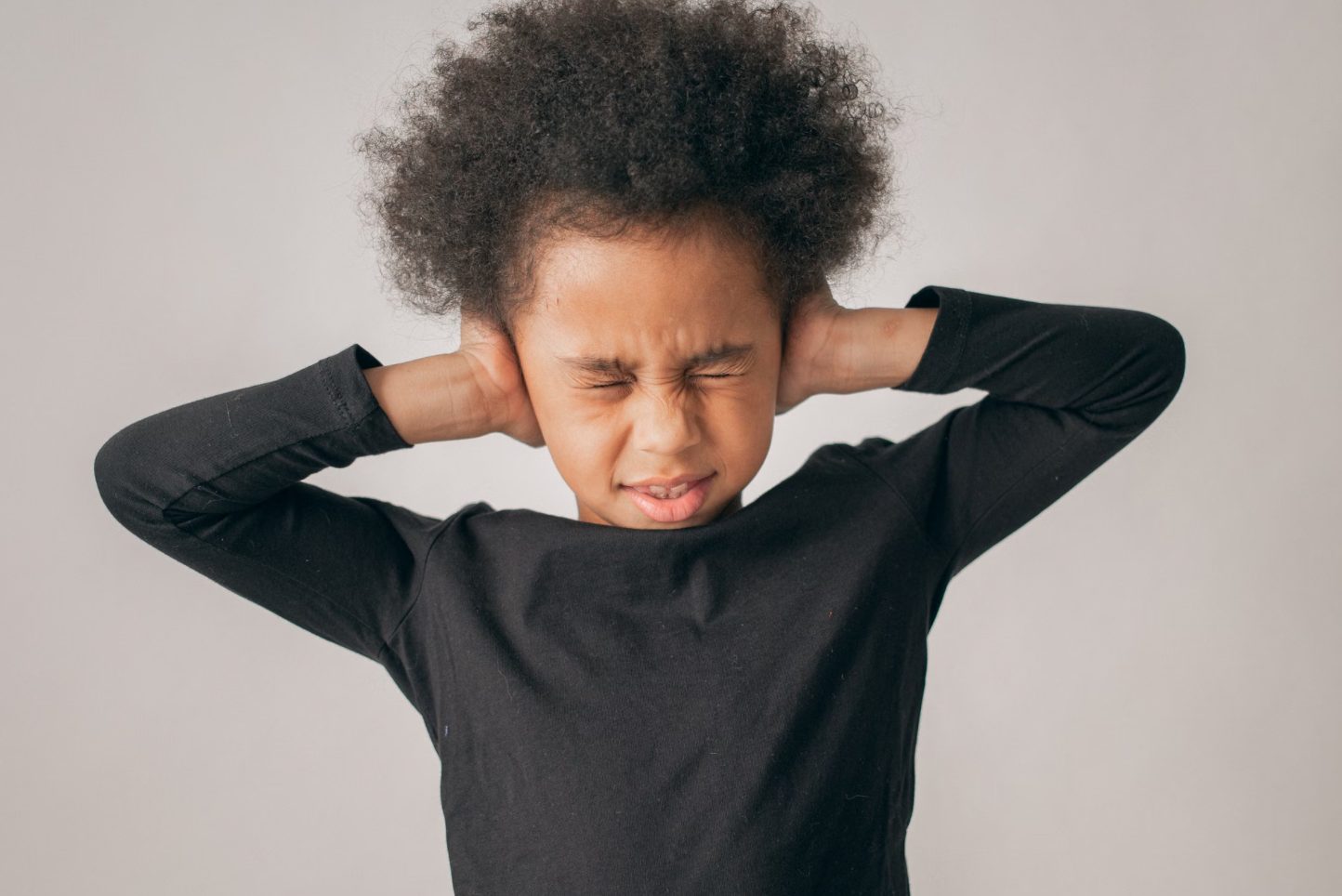
Imagine a student who has already struggled through loud hallways, bright classroom lights, and several unexpected schedule changes before lunchtime. When the teacher suddenly asks the child to switch activities, the student refuses or has a meltdown. From the outside, this may look like deliberate disobedience, but the child may simply be experiencing sensory or emotional overload. Mental health professionals increasingly recommend looking at the reason behind the behavior before assigning an ODD diagnosis because understanding the trigger often changes the most appropriate intervention.
A Thorough Evaluation Makes a Big Difference
An accurate diagnosis requires much more than observing challenging behavior during one appointment or in one classroom. Specialists typically gather information from parents, teachers, developmental history, and behavioral assessments across different settings. They also consider whether anxiety, ADHD, communication challenges, or sensory processing issues better explain the child’s reactions. Because autism and ODD frequently occur alongside other conditions, experienced clinicians carefully evaluate the complete picture rather than focusing on isolated incidents.
The Right Support Depends on the Underlying Cause
If a student’s behavior is driven by autism-related stress, punishment alone is unlikely to improve the situation. Instead, structured routines, visual schedules, sensory accommodations, and communication supports often reduce challenging behaviors significantly. When a child truly meets diagnostic criteria for both autism and ODD, treatment may combine behavioral therapy, parent training, and school-based interventions tailored to each condition. Teachers and families generally see better outcomes when they work together consistently rather than respond differently across home and school.
Looking Beyond the Label
Labels can open doors to services, but they should never replace understanding the child behind the diagnosis. A student who appears defiant may actually be communicating stress, confusion, fear, or sensory overload in the only way they know how. Careful evaluation, patience, and individualized support allow educators and families to respond more effectively while building trust and confidence. As research continues to improve our understanding of autism and co-occurring conditions, more children can receive interventions that address the true source of their behavior rather than simply its appearance.
Have you encountered a situation where autism and ODD were confused? Share your experience in the comments—your perspective could help another family better understand these complex diagnoses.
What to Read Next
Teachers Warn: 4 Classroom Strategies That Can Harm Autistic Students
How State Budget Changes Are Impacting Autism Support in Classrooms
Insurance Denials Are Rising for Key Autism Therapies
The post Why Some Students on the Spectrum Are Labeled With ODD appeared first on Kids Ain't Cheap.