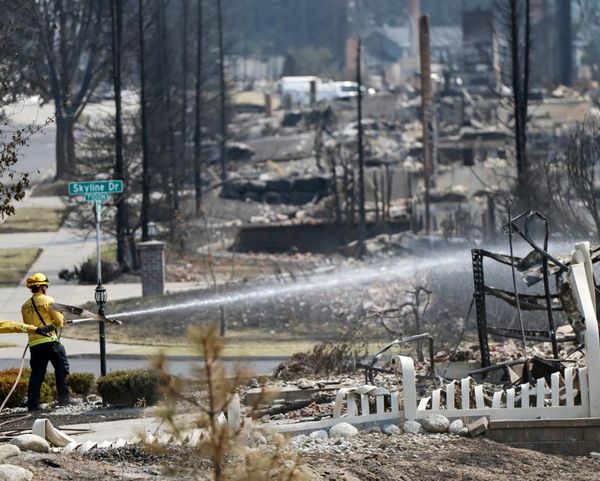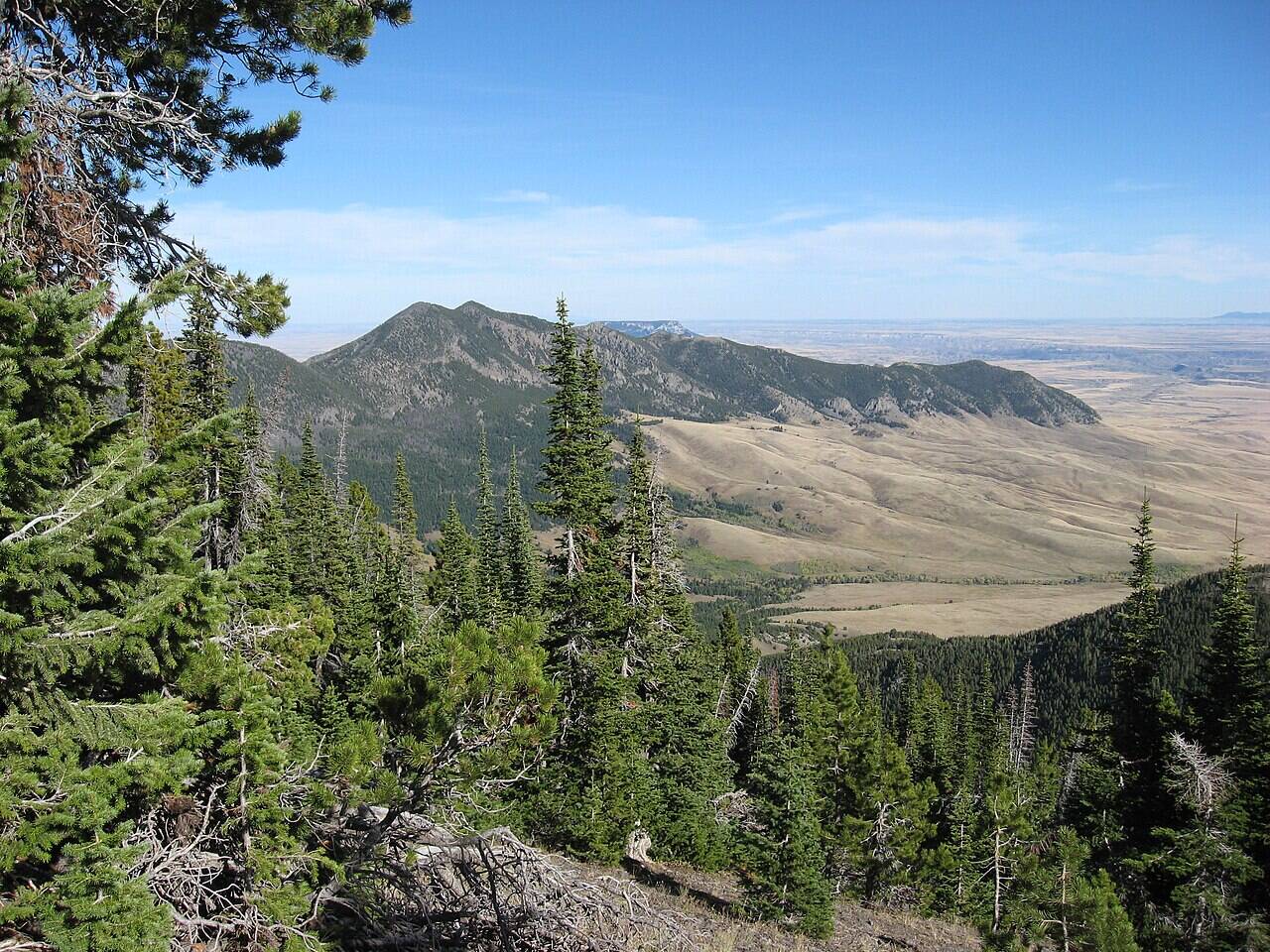
When a powerful storm tears through a forest or a stretch of woodland is harvested, the aftermath can look similar. Fallen trunks, broken branches and patches of open ground suggest that nature will have to begin again. Yet forests do not all respond in the same way. Some return with a healthy mix of young trees over the following years, while others struggle to regain their former diversity.
Get breaking news anytime, anywhere. Download the TOI app now!
According to research published in the Journal of Applied Ecology , the condition of seedlings already growing beneath a forest canopy before natural disturbances or harvesting can strongly influence how forests regenerate afterwards. The researchers found that forests with healthier populations of these young seedlings before disturbance were more likely to recover successfully following natural disturbances and harvesting in the northern United States.
To understand this process, the researchers analysed repeated measurements from the United States' nationwide forest inventory. They examined forests across the northern U.S. that had experienced either natural disturbances or harvesting and followed their recovery for an average of 14.3 years. By comparing forest conditions before and after these events, the team assessed which factors most influenced seedling establishment, species diversity and how closely recovering forests resembled the original tree community.
Healthy forests often begin recovering long before disaster strikes
Although forest recovery is often associated with what happens after trees fall, the research suggests that much of the process begins years or even decades earlier. Many tree species in northern U.S. forests can survive as small seedlings beneath the canopy until conditions allow them to grow. When storms, insects, disease or harvesting create gaps that allow more sunlight to reach the forest floor, these existing seedlings are well placed to respond.
The authors found that forests with abundant advance regeneration generally produced more saplings after disturbance than forests where seedlings were already lacking. Areas with healthier seedling communities also tended to support greater tree species richness during recovery and maintained a composition that more closely resembled the mature forest that existed before disturbance. In contrast, regeneration challenges observed before disturbance frequently carried through into the years that followed, making regeneration slower and reducing the variety of tree species returning to the site.
The findings also showed that natural disturbances often hindered regeneration more than harvesting did. Forests affected by storms, insects or disease typically showed weaker regeneration than harvested forests, even though advance regeneration remained the strongest influence in both situations. This suggests that different disturbances can shape forest renewal in different ways, even when they draw on the same pool of young seedlings.
The researchers say these results align with broader concerns already emerging across northern U.S. forests. Earlier assessments had identified declining numbers of young seedlings, lower tree species diversity and growing differences between mature forests and the next generation waiting beneath them. The latest analysis indicates that these problems do not simply disappear after disturbance. Instead, they often continue to influence forests for well over a decade, reinforcing patterns that were already developing before trees were lost.
Forest recovery depends on more than seedlings alone
While advance regeneration emerged as the most important predictor of recovery, it was not the only factor shaping post-disturbance outcomes. The researchers also identified disturbance severity as an important factor influencing regeneration. They found that both pre-disturbance advance regeneration and harvest severity influenced regeneration following forest harvesting.
The paper also reports that climate and geography influenced recovery patterns across the study region. Factors such as snow depth, annual precipitation and location affected regeneration, indicating that forests experiencing similar disturbances may still respond differently depending on local environmental conditions. Regeneration depended on both the seedlings already in place and the conditions that developed after disturbance.
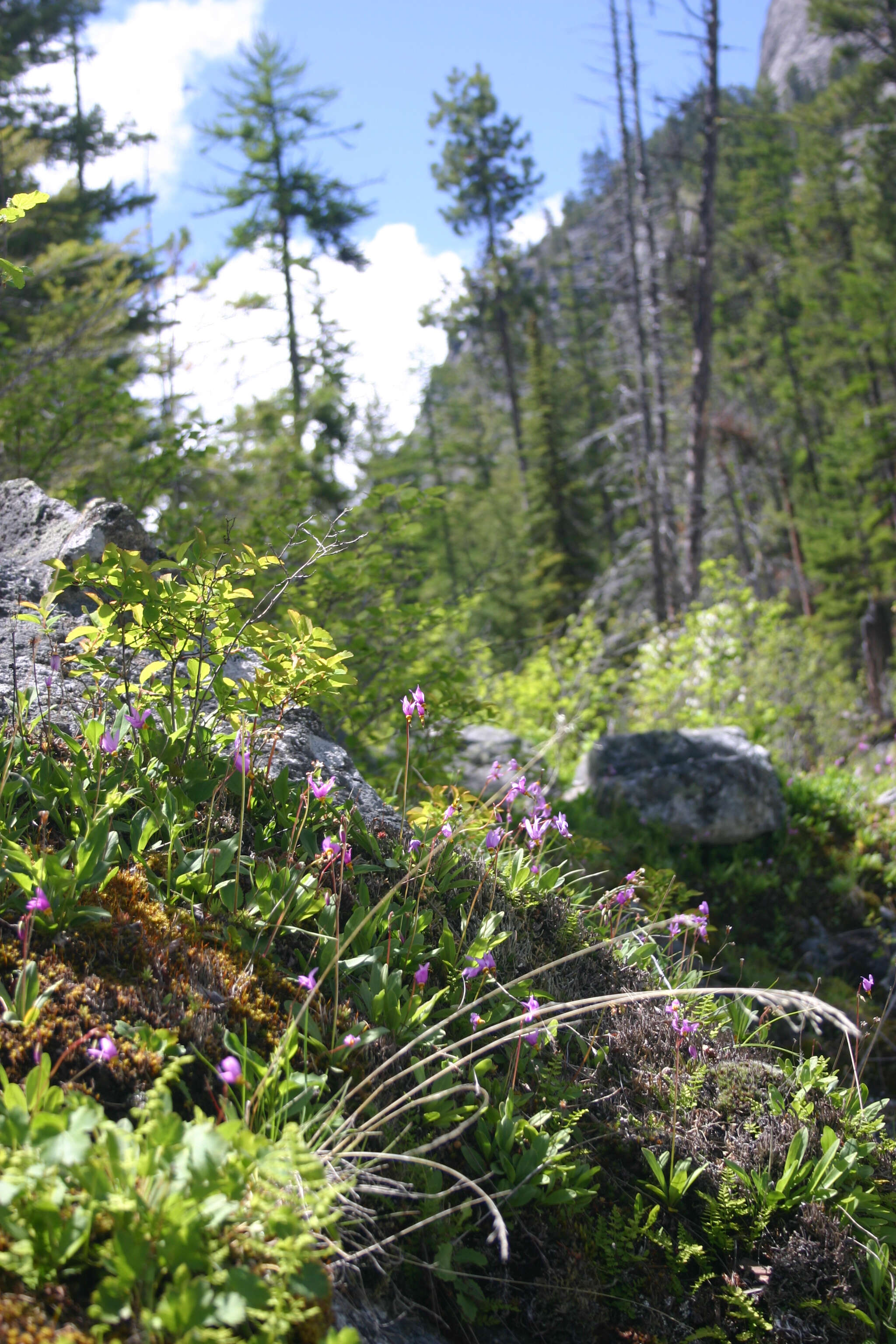
Looking beneath the canopy could help forests recover
The findings suggest forest managers should pay closer attention to conditions before disturbances occur, not just recovery afterwards. According to the authors, monitoring advance regeneration could provide an early indication of which forests are likely to struggle if they are hit by storms, disease outbreaks or insect infestations. Knowing where seedling numbers or species diversity are already low may help guide management decisions before problems become harder to address.
The researchers also found that some post-disturbance management practices may improve regeneration. Their analysis suggests that carefully planned management, which may include harvesting where appropriate, can create better conditions for seedling growth. The authors add that retaining features such as surviving trees and downed wood remains an important part of supporting forest recovery. At the same time, the paper stresses that protecting existing advance regeneration during these operations remains essential because these seedlings form the foundation for the next generation of trees.
The authors report that lower-severity harvesting, which has become more common across much of the eastern United States, may unintentionally make regeneration more challenging in some forests by limiting the amount of light reaching the forest floor. They also distinguish higher-severity harvesting from unsustainable logging practices, saying management decisions should balance regeneration needs with broader ecological values.
Forest-floor conditions also influenced recovery. The researchers found that forest regeneration was influenced by several factors working together, including conditions before disturbance, the characteristics of the disturbance itself and the surrounding environment. In naturally disturbed forests, fine woody material and ground vegetation also influenced regeneration, reinforcing the idea that the next generation of trees depends not only on those that survive, but also on the environment in which new growth develops.
Taken together, the results suggest that many northern U.S. forests are already positioned to respond to the next disturbance long before it occurs. The researchers conclude that protecting and monitoring advance regeneration could play an important role in maintaining resilient forests as natural disturbances and harvesting continue to shape the region's landscapes.