
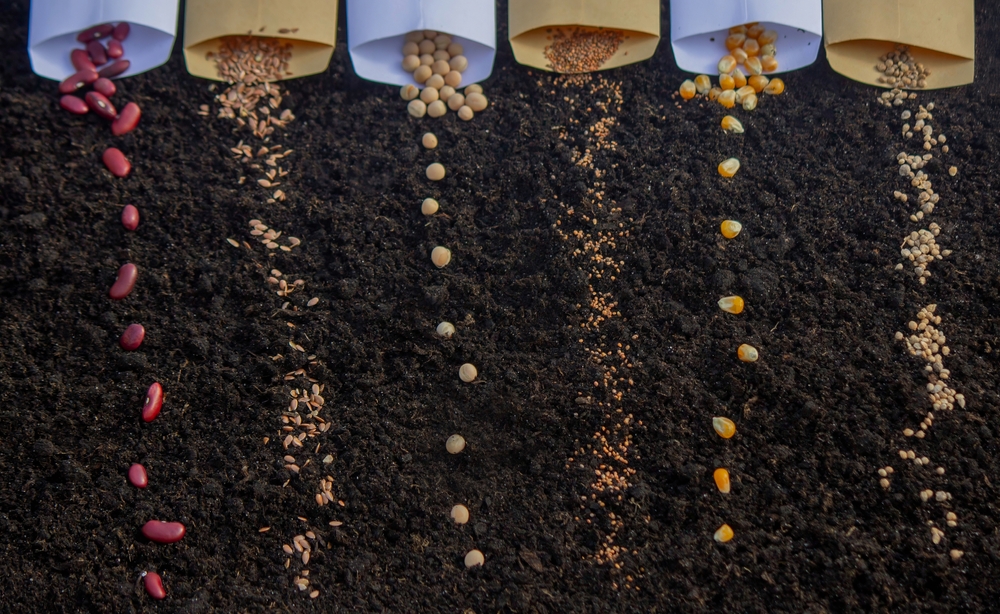
A garden starts long before the first shovel hits the soil. The real magic begins with tiny packets of potential—seeds that hold entire harvests inside them, waiting for the right moment to explode into life. Smart gardeners don’t treat seeds like disposable items picked up on a whim at checkout counters. They treat them like assets, like a long-term investment that pays off in flavor, abundance, and resilience season after season. That shift in mindset changes everything, from how seeds get purchased to how they get stored.
Bulk buying might sound like something reserved for farmers with acres of land, but it actually makes even more sense for backyard growers who want consistency, savings, and control. Instead of scrambling each spring and hoping favorite varieties still sit on the shelf, bulk buyers stay ahead of the game. They build a personal seed bank that stands ready whenever planting season arrives. Pair that strategy with smart storage, and those seeds can stay viable for years—even decades—turning a simple purchase into a long-lasting advantage.
Bulk Buying Seeds Isn’t Just Cheaper—It’s Smarter
Walking into a garden store and grabbing a few seed packets feels easy, but that convenience comes with a hidden cost. Individual packets often carry a steep markup, especially for popular or heirloom varieties. Bulk seeds slash that cost dramatically, giving more value per dollar while also providing enough supply for multiple growing seasons. That means fewer trips to the store and fewer chances of missing out when certain seeds sell out early. Gardeners who plan ahead don’t gamble on availability—they control it.
Bulk buying also locks in consistency, which matters more than many realize. Growing the same tomato variety year after year allows gardeners to learn exactly how it behaves, from germination time to flavor profile. That kind of familiarity leads to better yields and fewer surprises. Switching varieties every season might seem exciting, but it often leads to uneven results and wasted effort. Bulk purchasing supports mastery, and mastery turns a good garden into a great one.
Another major advantage lies in food security and independence. A well-stocked seed collection acts like a safety net, especially during supply disruptions or price spikes. Gardening becomes less dependent on external factors and more rooted in preparation. Even casual growers benefit from this approach, because it removes stress and adds confidence. Instead of worrying about finding seeds at the right time, everything sits ready and waiting.
Bulk buying also encourages experimentation without fear of waste. Having a larger quantity of seeds opens the door to trying different planting techniques, staggered sowing schedules, or even sharing with neighbors. That flexibility builds skill and keeps gardening fresh and exciting. Instead of treating seeds like something scarce, bulk buyers treat them like tools—meant to be used, tested, and enjoyed.
The Secret to Decades-Long Seed Storage
Seeds may look tough, but they respond strongly to their environment. Heat, moisture, and light can quietly destroy viability long before planting time arrives. Proper storage focuses on controlling those three elements with precision. Cool, dark, and dry conditions keep seeds in a kind of suspended animation, slowing down natural degradation. That principle forms the backbone of long-term seed storage, and it works across most vegetable and herb varieties.
Temperature plays a critical role, and cooler always works better. Many experienced gardeners store seeds in refrigerators or even freezers, where stable low temperatures preserve viability for years. However, freezing requires airtight packaging to prevent moisture damage. Without proper sealing, condensation can ruin seeds quickly. Glass jars with tight lids or vacuum-sealed bags provide excellent protection against humidity and temperature fluctuations.
Moisture control demands just as much attention as temperature. Even a small amount of humidity can trigger mold or premature germination, both of which destroy seeds. Silica gel packets or dry rice placed inside storage containers help absorb excess moisture and keep conditions stable. Airtight containers create a barrier that protects seeds from the outside environment, making them essential for long-term storage success.
Light exposure also affects seed longevity more than many expect. Seeds stored in clear containers on a shelf may look organized, but light slowly degrades them over time. Opaque containers or dark storage spaces solve that problem easily. A simple box, drawer, or cabinet can make a huge difference in preserving quality. Every layer of protection adds time to a seed’s lifespan. Labeling and organization complete the system. Seeds need clear labels with names and dates to avoid confusion years down the line. Rotating older seeds to the front ensures they get used first, reducing waste and maintaining freshness. A well-organized seed collection feels less like clutter and more like a carefully curated resource, ready to support any planting plan.
Not All Seeds Are Created Equal
Some seeds naturally last longer than others, and understanding those differences helps set realistic expectations. Crops like beans, peas, and corn often stay viable for many years when stored properly, making them excellent candidates for bulk buying. On the other hand, seeds like onions and parsnips lose viability much faster and require more frequent replacement. Knowing which seeds fall into each category helps avoid disappointment when germination rates drop.
Heirloom and open-pollinated seeds often appeal to bulk buyers because they allow for seed saving. These varieties produce plants that remain true to type, making it possible to harvest seeds and replant them year after year. That creates a sustainable cycle that reduces reliance on outside sources. Hybrid seeds, while often vigorous and productive, don’t offer the same reliability for saving and replanting.
Germination testing provides a simple way to check seed viability before planting season begins. Placing a few seeds between damp paper towels and observing how many sprout offers a quick snapshot of their health. This small step prevents wasted effort and ensures strong starts in the garden. Even older seeds can still perform well if enough of them germinate successfully.
Bulk buyers often adjust planting density based on seed age. Older seeds may require thicker sowing to compensate for lower germination rates, while fresh seeds can be planted more sparingly. That flexibility keeps gardens productive without relying on perfect conditions. Instead of discarding older seeds, smart gardeners adapt and make the most of what they have.
Understanding seed lifespan transforms bulk buying from a gamble into a strategy. It allows gardeners to prioritize which seeds to stock heavily and which ones to replenish more often. That balance keeps the system efficient and prevents unnecessary waste. Every seed earns its place in the collection based on performance and reliability.
Build a Seed Collection That Works Like a Personal Grocery Store
A well-planned seed collection feels less like storage and more like a ready-to-go pantry for future harvests. Instead of reacting to each growing season, gardeners who buy in bulk operate with intention. They choose varieties that match their climate, taste preferences, and cooking habits. That level of planning turns gardening into a seamless extension of everyday life.
Staple crops deserve priority in any bulk seed strategy. Vegetables like tomatoes, peppers, beans, and leafy greens provide consistent value and versatility in the kitchen. Keeping these seeds stocked ensures a reliable harvest that supports regular meals. Specialty crops can still join the mix, but staple varieties anchor the system and provide stability.
Storage systems should stay simple but effective. Dividing seeds by type, season, or planting schedule makes it easy to find exactly what’s needed without digging through piles of packets. Some gardeners prefer labeled envelopes inside airtight bins, while others use small jars sorted into categories. The exact method matters less than consistency and ease of use. Sharing seeds with friends or neighbors adds another layer of value. Bulk buying often results in more seeds than one garden can use, and sharing builds community while reducing waste. It also introduces new varieties into local growing spaces, increasing diversity and resilience. A strong seed network benefits everyone involved.
This approach turns gardening into something proactive rather than reactive. Instead of chasing supplies, everything stays within reach, ready for action at the right moment. That sense of control and preparedness brings a different kind of satisfaction—one rooted in planning, knowledge, and long-term thinking.
A Garden That Always Stays One Step Ahead
Bulk seed buying combined with smart storage creates a quiet kind of confidence that shows up in every part of the gardening process. It removes last-minute stress, cuts costs, and opens the door to better planning and bigger harvests. Seeds stop feeling like fragile, temporary items and start acting like a dependable resource that grows stronger over time.
What strategies have worked best for storing seeds long-term, and which crops always earn a permanent spot in the collection? Drop those ideas, tips, or even hard-earned lessons in the comments.
You May Also Like…
How to Get 50 Gallons of Fertilizer for the Price of a Packet of Seeds
5 DIY Bird Deterrents That Protect Seeds and Seedlings
How to Protect Seedlings From Cold Nights Without Buying Covers
How to Get 50 Gallons of Fertilizer for the Price of a Packet of Seeds
Why Some Seeds Never Germinate and How to Improve Your Success Rate
The post Why Smart Gardeners Buy Seeds in Bulk (And How to Store Them for Decades) appeared first on Frugal Gardening.