
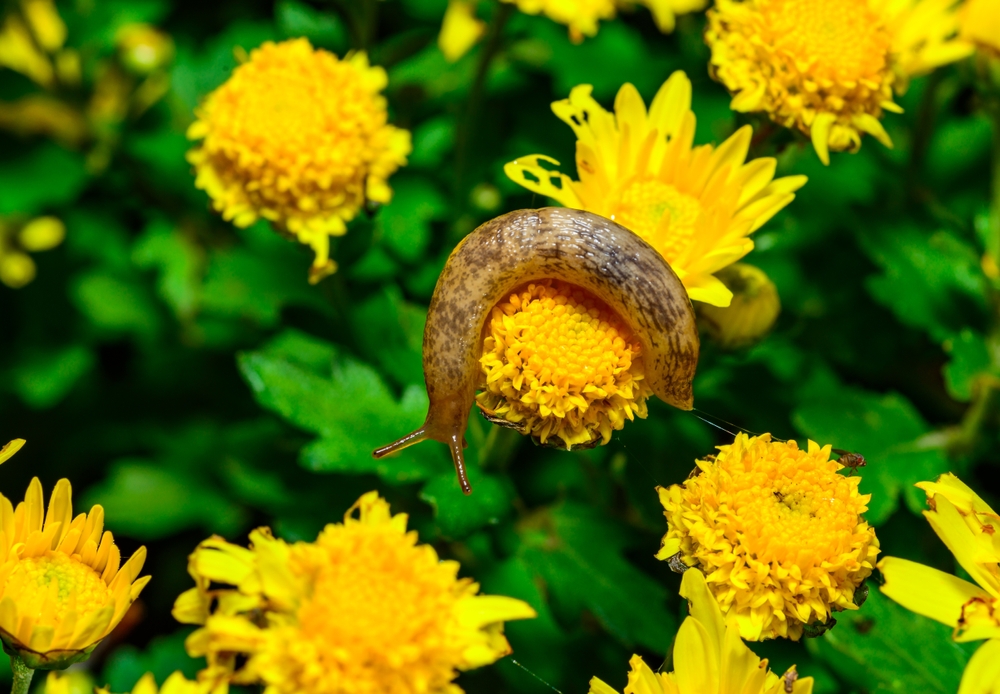
A garden can look flawless one evening and completely ravaged by morning. Leaves that looked lush and healthy suddenly wear jagged holes, and tender seedlings vanish like they never existed. That kind of overnight destruction doesn’t happen by accident, and it doesn’t happen randomly either. Slugs don’t wander aimlessly through a garden. They make calculated choices based on scent, texture, moisture, and nutritional payoff, and those choices explain exactly why certain plants get devoured first.
Understanding that behavior changes everything. Instead of reacting after the damage shows up, it becomes possible to predict it and even outsmart it. Slugs follow patterns, and those patterns reveal which plants sit at the top of their menu and why. Once those preferences become clear, the battle shifts from frustrating guesswork to a strategic game that actually feels winnable.
The All-You-Can-Eat Buffet Slugs Can’t Resist
Slugs don’t treat every plant equally, and they don’t even try to hide that fact. They gravitate toward soft, tender leaves that contain high moisture levels, which explains why plants like lettuce, hostas, basil, and young seedlings suffer the most damage. Those leaves offer easy chewing and quick hydration, which makes them far more appealing than tougher, fibrous plants. Slugs also rely heavily on their sense of smell, and certain plants release compounds that act like a dinner bell in the soil. That scent travels surprisingly far in damp conditions, which helps slugs zero in on their targets with impressive accuracy.
Texture plays just as big a role as scent. Plants with waxy, hairy, or thick leaves create a natural barrier that slugs prefer to avoid, since those surfaces slow them down and make feeding less efficient. That’s why ornamental grasses, rosemary, and many succulents rarely sit on a slug’s hit list. Slugs look for efficiency, and they pick plants that deliver maximum reward with minimal effort. Even spacing matters more than it might seem, because tightly packed plants create shaded, moist zones that slugs love to hide in during the day. Those cozy conditions keep them protected from heat and predators, and that makes nearby plants even more vulnerable once night falls.
Plant age also influences slug behavior in a big way. Young plants contain more water and fewer structural defenses, which makes them far more attractive than mature ones. A fully grown plant might survive a few nibbles without issue, but a seedling doesn’t stand a chance against a determined slug. That difference explains why freshly planted gardens often take the hardest hit. Timing, moisture, and plant type all combine to create a perfect storm, and slugs take full advantage of it.
Moisture: The Real VIP Behind Slug Activity
Slugs depend on moisture to survive, and that single factor shapes nearly every decision they make. Dry conditions force them into hiding, while damp environments invite them out in full force. Gardens that receive frequent watering, especially in the evening, create ideal conditions for slug activity. Wet soil, dewy leaves, and cool nighttime temperatures turn a garden into a perfect feeding ground, and slugs waste no time taking advantage of it.
Watering habits can unintentionally roll out the red carpet for these pests. Evening watering keeps surfaces damp overnight, which lines up perfectly with a slug’s natural feeding schedule. Switching to early morning watering allows plants to absorb moisture while giving surfaces time to dry out before nightfall. That simple shift reduces the appeal of the garden without harming plant health. Mulch can also contribute to the problem if it stays too thick or too wet, since it creates a hidden network of cool, damp spaces where slugs can thrive undisturbed.
Rainy periods often trigger sudden spikes in slug damage, and that pattern doesn’t come as a surprise. Increased humidity helps slugs move more easily, while cloud cover protects them from drying out. During those stretches, even plants that usually stay safe can become targets. Keeping an eye on weather patterns allows for proactive protection, whether that means setting up barriers, reducing watering, or checking vulnerable plants more frequently. Moisture doesn’t just support slugs—it fuels their entire routine.
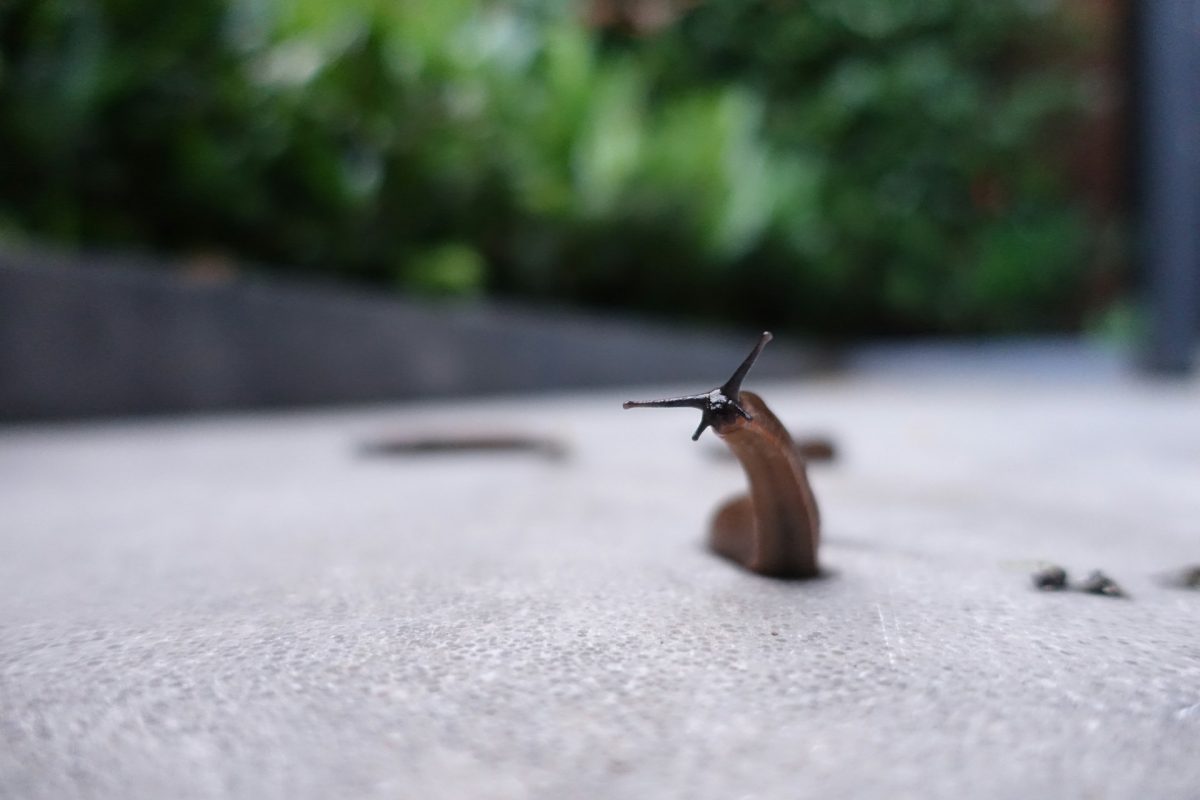
Garden Layout: When Design Becomes a Defense System
A garden’s layout can either invite slugs in or quietly push them away. Dense planting might look lush and vibrant, but it also creates shaded pockets that slugs love. Increasing airflow between plants reduces humidity at ground level and makes the environment less comfortable for them. Strategic spacing doesn’t just improve plant health—it actively discourages slug activity in a way that feels almost effortless once it’s in place.
Barriers can turn that layout into a defensive system. Materials like crushed eggshells, diatomaceous earth, and copper tape create surfaces that slugs avoid crossing. Copper, in particular, reacts with a slug’s slime and produces a mild electrical sensation that stops them in their tracks. Placing these barriers around vulnerable plants or raised beds creates a clear boundary that slugs hesitate to breach. Those solutions work best when combined with good garden hygiene, including removing debris, fallen leaves, and anything else that provides hiding spots.
Companion planting also adds another layer of protection. Strong-smelling plants like garlic, chives, and lavender can help mask the scent of more vulnerable plants, making it harder for slugs to locate their favorites. While those plants won’t eliminate slugs entirely, they can reduce the likelihood of targeted attacks. A thoughtful layout transforms a garden from an easy target into a space that demands effort, and slugs rarely choose the harder path when easier options exist nearby.
Smart Tactics That Actually Stop the Damage
Effective slug control doesn’t rely on a single trick. It works best as a combination of small, consistent actions that disrupt their habits. Hand-picking might not sound glamorous, but it delivers immediate results, especially during damp evenings when slugs become most active. Dropping them into soapy water removes them quickly and prevents them from returning to the same spot night after night.
Traps offer another reliable solution. Shallow containers filled with beer attract slugs with their yeast scent, and once they crawl in, they can’t escape. Placing these traps near problem areas can significantly reduce numbers over time. Commercial slug baits also exist, and many use iron phosphate as a safer alternative to traditional chemicals. That option targets slugs without posing the same risks to pets, wildlife, or beneficial insects, which makes it a more balanced choice for many gardens.
Consistency matters more than intensity when it comes to results. A single round of control won’t solve the problem, but steady effort creates noticeable improvement. Checking plants regularly, adjusting watering habits, and maintaining barriers builds a system that works over time. Slugs rely on routine, and disrupting that routine again and again eventually pushes them to look elsewhere. That shift doesn’t happen overnight, but it absolutely happens with persistence.
Outsmarting Instead of Overreacting
Slugs don’t win because they’re unstoppable. They win because they understand the environment better than most gardeners expect. Once their preferences become clear, the entire dynamic changes, and control starts to feel far less frustrating. Choosing less vulnerable plants, managing moisture carefully, and designing a garden with intention all work together to tip the balance. None of those strategies require drastic measures, but they do require consistency and awareness.
What changes feel easiest to start with right now, and which strategies sound worth testing in your own space? Share your thoughts, experiments, or even slug battle stories in the comments.
You May Also Like…
Why Slugs and Snails Thrive After Spring Rain
Why Slugs Are Thriving in Oregon Right Now (And What You Can Do)
12 Of The Worst Garden Pests And How To Get Rid Of Them
Why Planting Too Early Can Set Back Your Entire Garden
Which Plant Pairings Naturally Reduce Pests and Improve Yields
The post Why Slugs Target Certain Plants First and How to Stop Them appeared first on Frugal Gardening.