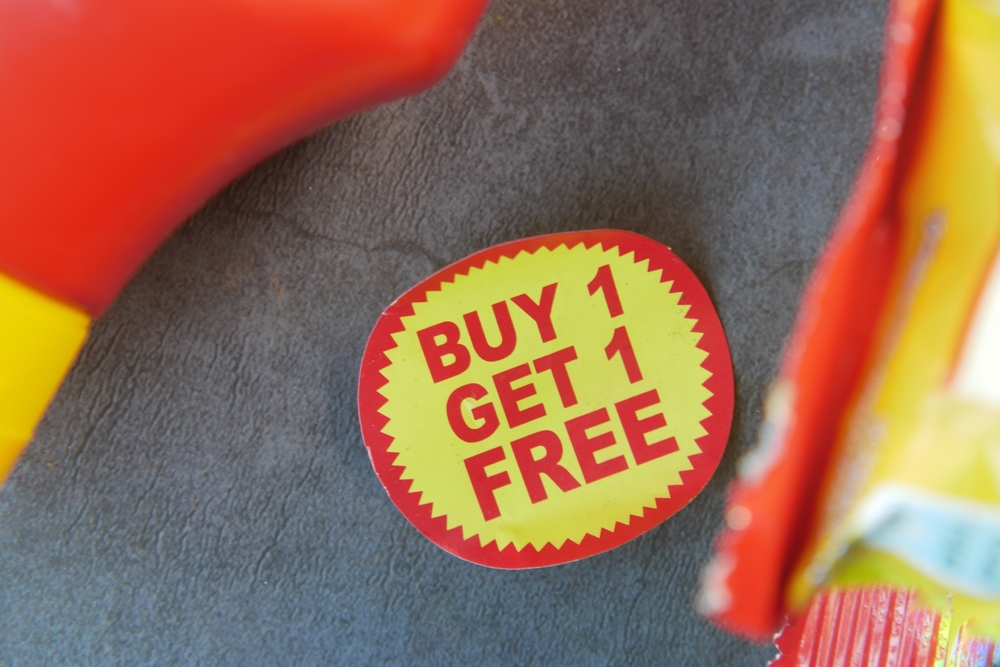
It’s hard to resist the thrill of a “Buy One Get One” sign. The promise of getting something free feels like a win, especially when grocery budgets are tight. But lately, many shoppers have started to question whether these offers actually save money. The math behind some promotions doesn’t seem to add up, leaving people frustrated and suspicious. Understanding how a Buy One Get One deal can go wrong helps explain why trust at the checkout lane is slipping. When a deal turns out to be less than it seems, shoppers feel played—and that’s changing how people view retail pricing altogether.
1. The Price Hike Before the “Free” Offer
One of the oldest tricks in retail is raising the base price before launching a “Buy One Get One” promotion. A box of cereal that used to be $4 suddenly costs $6, but now it’s part of a “BOGO” event. On paper, that looks generous. In practice, the customer is paying more than before, and the so-called free item just evens things out. The real discount disappears behind clever marketing.
Shoppers who track prices notice this pattern right away. They see the same product fluctuate week to week, especially around holidays or store anniversaries. A Buy One Get One deal only works if the price of the first item is fair. When retailers inflate the cost, the trust evaporates. It’s not just about losing a few dollars—it’s about feeling misled by a brand that once seemed honest.
2. Confusing Fine Print and Exclusions
Another reason shoppers feel betrayed is the endless list of exclusions hidden in the fine print. The shelf tag might scream “Buy One Get One Free,” but the fine print quietly limits the offer to specific flavors, sizes, or package types. By the time you reach the register, the discount only applies to one item in your cart. You’re left paying full price for the rest, wondering what went wrong.
Stores rely on this confusion. They know most people won’t stop to read every condition printed in six-point font. The frustration builds when customers realize the Buy One Get One deal they counted on doesn’t apply to what they actually wanted to purchase. It’s not a misunderstanding—it’s a design meant to create the illusion of generosity without giving much away.
3. Loyalty Programs That Complicate the Math
Many modern grocery chains link their BOGO offers to loyalty cards or digital coupons. That sounds convenient, but it often makes the math harder to follow. You may need to scan your phone, clip a digital coupon, or reach a spending threshold before the offer becomes active. If you miss one step, you lose the discount entirely.
This system benefits the retailer more than the shopper. It collects data, boosts app engagement, and adds layers of friction that discourage redemption. A Buy One Get One deal should be simple: buy one, get one. When it becomes a puzzle of codes and conditions, the transparency disappears. People start to suspect that the store is intentionally making it complicated to keep more of their money.
4. Shrinkflation Hiding Behind the Promotion
Even when the math appears correct, the product size may not be. Shrinkflation—when packages get smaller but prices stay the same—makes a big difference during “Buy One Get One” events. Two bags of chips for the price of one sounds great until you realize each bag now holds two ounces less than last month. The illusion of value hides the quiet loss inside the packaging.
Consumers have become more aware of these subtle shifts. They’ve seen ice cream containers shrink, snack boxes slim down, and juice bottles lose ounces. The Buy One Get One deal distracts from those changes by offering a temporary high. But when shoppers compare unit prices or check net weights, the truth stings. They’re not saving—they’re just buying smaller portions dressed up as bargains.
5. The Emotional Side of Feeling Cheated
Money aside, there’s an emotional cost when a trusted store bends the rules. People want to believe in the fairness of a sale. When that belief breaks, it’s not just disappointment—it’s betrayal. A shopper who once bragged about their favorite grocery chain now warns friends to double-check receipts. The damage to loyalty can last far longer than the promotion itself.
Retailers underestimate how personal this feels. Grocery shopping isn’t just a transaction; it’s part of daily life. A misleading Buy One Get One deal touches that routine, turning what should be a small win into a sour experience. Once customers feel tricked, they start questioning everything else on the shelf.
Where Honest Deals Still Exist
Not every retailer plays games. Some chains still run clear, straightforward promotions that genuinely save money. The difference lies in transparency. Stores that post the true original price and make the offer simple—no apps, no fine print—earn lasting respect. Shoppers respond to honesty, especially when budgets are tight and trust is fragile.
Price transparency tools help shoppers verify whether a deal is real. When customers come armed with data, deceptive promotions lose their power. The best defense against misleading marketing is awareness and consistency. A Buy One Get One deal should make people smile, not second-guess the math.
Have you ever caught a “Buy One Get One” offer that didn’t add up at checkout? Share your story in the comments below.
What to Read Next…
- The Ultimate Guide to Finding the Best Bogo Deals
- Is That Buy One Get One Free Deal Really Worth It? Here’s the Math
- 6 Ways Bogo Deals Can Deceive You and How to Calculate True Value
- 9 Buy One Get One Deals That Are Almost Always a Waste of Money
- 9 Buy One Get One Deals That Actually Cost You More in the Long Run
The post Why Shoppers Feel Betrayed by “Buy One Get One” Deals That Don’t Add Up appeared first on Grocery Coupon Guide.