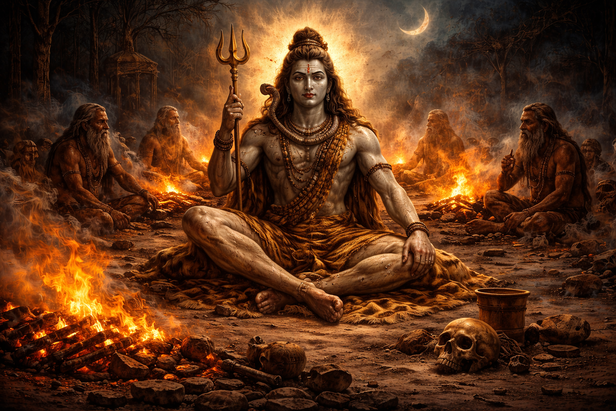
When people see ashes covering the body of Shiva, they often think of death or destruction. But the sacred ash, known as vibhuti, carries a much deeper meaning in Hindu philosophy. It is not a symbol of fear. It is a symbol of truth, detachment, and spiritual awakening. In ancient scriptures like the Shiva Purana, ash represents the final reality of life. Everything material turns to ash one day. What remains is the soul.
Ash as the Truth of Impermanence
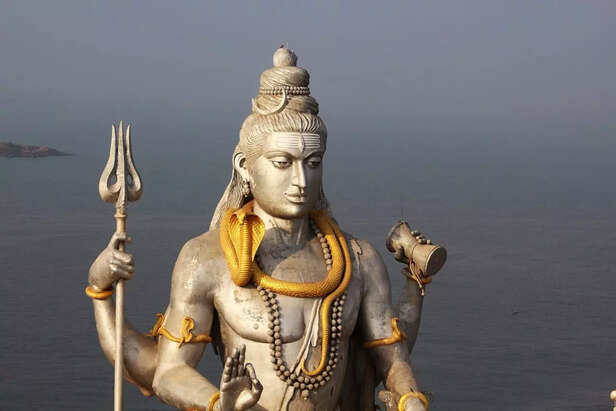
Shiva applies sacred ash, known as vibhuti, to remind humanity that the body is temporary and the soul is eternal. In Hindu philosophy and texts like the Shiva Purana, ash represents the final state of all physical matter. Wealth, beauty, and power fade with time, but spiritual awareness remains. This teaching is not about fear of death. It is about understanding impermanence. When people accept this truth, attachment reduces and inner peace grows. Spiritual teachers explain that awareness of life’s temporary nature creates purpose, humility, and deeper meaning in everyday living.
Burning the Ego
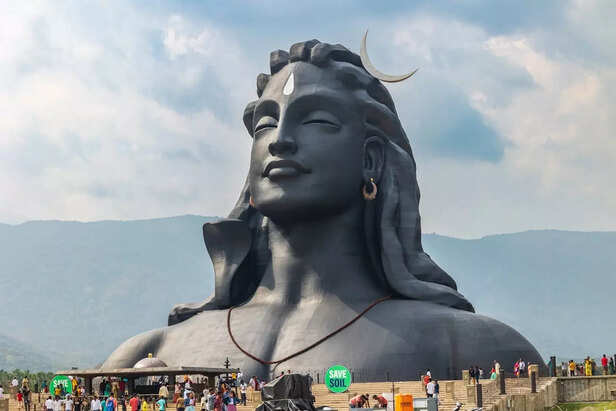
In Hindu mythology, Shiva burns desire and ego in the fire of divine knowledge. Sacred ash, known as vibhuti, represents what remains after ignorance is destroyed. According to texts like the Shiva Purana, ash is a symbol of spiritual truth and inner purification. It reminds devotees that pride, jealousy, and anger are temporary states of the mind. Ego creates suffering and distance in relationships. When ego dissolves, peace naturally arises. Shiva’s ash symbolizes mastery over the self, not control over others. True strength comes from discipline, humility, and awareness. This timeless teaching continues to inspire spiritual seekers across generations.
Symbol of Detachment
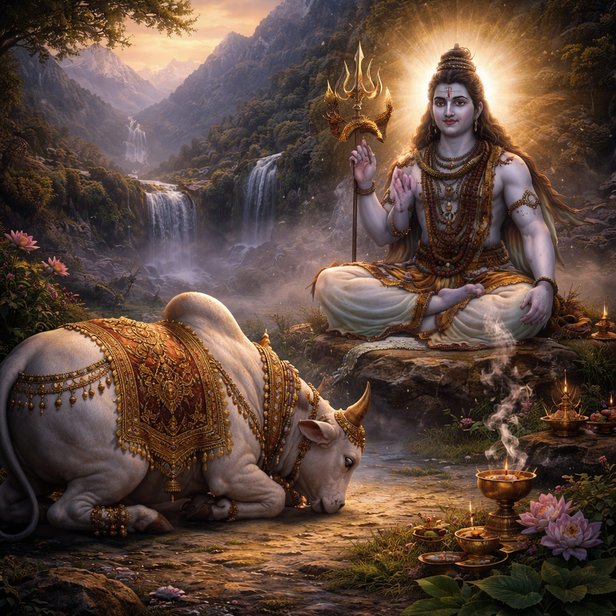
Shiva resides in cremation grounds, away from luxury and material distractions. The sacred ash covering his body symbolizes complete detachment from worldly comforts and possessions. This teaches devotees how to maintain balance while living in the world without being controlled by desires or attachments. True detachment does not mean neglecting responsibilities. It means staying calm during success and failure, handling challenges with wisdom, and not letting emotions dictate actions. By reflecting on Shiva’s ash, followers learn to remain grounded, reduce stress, and embrace inner peace. Detachment cultivates clarity, resilience, and spiritual strength for everyday life.
Purity Beyond Appearance
Ash may appear simple and colorless, but in spiritual practice, Shiva’s vibhuti is sacred and full of meaning. Devotees apply it on the forehead as a blessing to connect with higher consciousness. This teaches that true spiritual purity is independent of external appearances or material decoration. The ash symbolizes simplicity, detachment, and inner clarity. When desires lessen, the mind becomes calm, focused, and pure. Such inner purity fosters wisdom, emotional stability, and spiritual growth. Understanding and practicing the lessons of vibhuti can transform daily life, reduce stress, and strengthen one’s connection with eternal truths.
Awakening the Inner Self
Ash may appear simple and colorless, but in spiritual practice, Shiva’s vibhuti is sacred and full of meaning. Devotees apply it on the forehead as a blessing to connect with higher consciousness. This teaches that true spiritual purity is independent of external appearances or material decoration. The ash symbolizes simplicity, detachment, and inner clarity. When desires lessen, the mind becomes calm, focused, and pure. Such inner purity fosters wisdom, emotional stability, and spiritual growth. Understanding and practicing the lessons of vibhuti can transform daily life, reduce stress, and strengthen one’s connection with eternal truths.
The Third Eye of Awareness
Shiva’s sacred ash is one of the most profound symbols in Hindu spirituality. It represents impermanence, reminding us that all material possessions and physical forms eventually fade. The ash also symbolizes ego destruction, detachment from worldly desires, inner purity, and spiritual awakening. Devotees who understand this symbolism experience freedom from fear and gain emotional strength. Unlike common belief, it is not about death, but about embracing life consciously and rising above attachments. Applying or meditating on vibhuti encourages mindfulness, balance, and clarity. This timeless wisdom strengthens the soul and nurtures inner peace in daily life.
Unlock insightful tips and inspiration on personal growth, productivity, and well-being. Stay motivated and updated with the latest at My Life XP.
Frequently Asked Questions (FAQs)
1. What does Shiva’s ash symbolize?Shiva’s sacred ash, known as vibhuti, symbolizes impermanence, ego destruction, detachment, inner purity, and spiritual awakening. It teaches devotees to focus on the soul rather than material possessions.
2. Is the ash a symbol of death?
No. Despite common misconceptions, Shiva’s ash is not about death. It represents freedom from fear, awareness of impermanence, and spiritual growth.
3. Why do devotees apply vibhuti on the forehead?
Applying vibhuti serves as a daily reminder of spiritual consciousness. It encourages mindfulness, detachment from ego, and alignment with higher wisdom.
4. How does Shiva’s ash help in daily life?
Meditating on or wearing the ash fosters inner peace, emotional strength, and clarity of mind. It helps devotees rise above fear, attachments, and stress.
5. Can anyone benefit from the symbolism of the ash?
Yes. Understanding the deeper meaning of vibhuti provides universal lessons in impermanence, self-mastery, and spiritual awakening, relevant to all people regardless of faith.