Queen Elizabeth I was a monarch who reigned in England at a period of political threat, religious fragmentation, and power abuse. Elizabeth was single in contrast to the majority of queens, who got married to make alliances or have heirs. Neither was it a weakness nor a chance decision. It was a company decision founded on survival, wit, and power. Historians are united in the view that Elizabeth had converted her unmarried status to a symbol of power. The Virgin Queen, as she is better known, used what the society perceived as a weakness to her advantage. She lived a life of leadership, courage, and wisdom.
Power Above Marriage
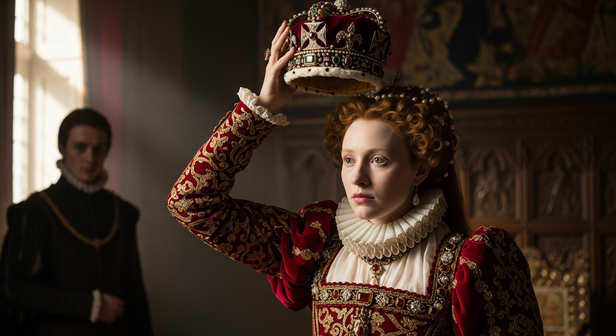
Marriage in the 16th century usually implied that women lost control of their power. The queen could be manipulated and made a puppet by a husband, and it restricted her authority. Elizabeth I witnessed one of her sisters, Mary, lose her influence when she married Philip of Spain and knew that marriage is not always that safe. She knew that getting married would make her subordinate and jeopardize her reign. Elizabeth was determined to be the only ruler in England; that is why she preferred to remain single. Her speech was powerful and direct to the point, proving that England would have one real leader. She knew that her ruling was saved because of this decision and her kingdom was stable.
Marriage as Political Risk
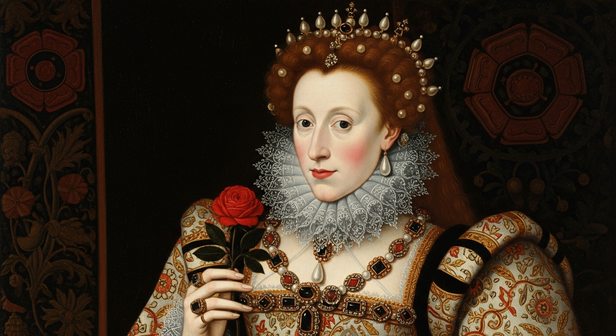
Elizabeth I realized the world of politics and the delicate situation in England. Her Protestant subjects would not like the idea of marrying a foreign prince and introducing foreign influence, nor would an English noble warrant civil war between the strong families. These facts are confirmed by historical data and the work of specialists, who state that England was more than divided and vulnerable. Any marriage was associated with the threat of undermining the throne and destabilizing the country. Elizabeth was at ease by being single, and this gave her power. Her choice can be regarded as wise, tactical, and leadership-style, which is why she is one of the strongest and most admired rulers of all time.
A Strategic Choice
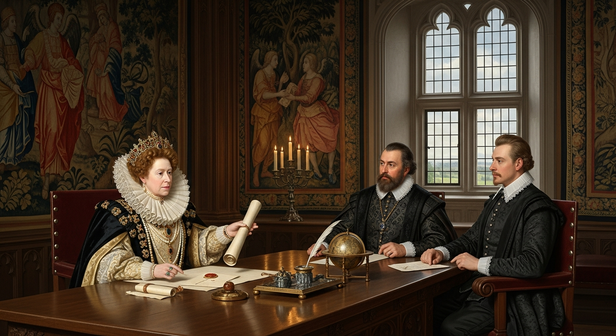
Elizabeth I was a political guru and could utilize her marriage negotiations as a political weapon. She had never sworn any suitor but left the spirit of it in suspense, such that foreign powers were anxious and feared. According to the historians, this strategy had avoided alliances that might have threatened England or ended in war. She was not married, and this gave her full control of her kingdom and enhanced her power. This restraint of diplomacy and choice was part of the Elizabethan Golden Age. Her reign was characterized by stability, economic progress, cultural development, and a good legacy that defined the future of England.
Childhood Trauma and Fear
Elizabeth I had an early traumatic life. Her father, Henry VIII, executed her mother, Anne Boleyn, and Elizabeth had to experience betrayal, as well as see the fatal results of marital relations. These were some of the experiences that helped her understand that marriage was not a place of safety or confidence. Historians and psychologists hold that childhood trauma can largely influence adult preferences and their emotional strength. This was reflected in the decisions that Elizabeth made as a ruler. She was not married and therefore was not vulnerable to emotions and politics. Her cautious nature enabled her to stay in control and have a free hand and rule England with wisdom and stability during her reign.
Love Without Marriage
Elizabeth I shared a deep and lasting love with Robert Dudley, her childhood friend and confidant. Their bond was genuine and filled with trust, but scandal followed Dudley after the mysterious death of his wife, Amy Robsart. Public suspicion and political pressure made marriage impossible, forcing Elizabeth to choose her throne over personal desire. Despite this, Dudley remained loyal and close to her throughout her life, showing that Elizabeth was not cold or heartless. Her careful decisions reflect wisdom, political awareness, and strategic thinking. Historians agree that her choices preserved her power and ensured the stability of England.
The Virgin Queen Myth
Elizabeth I made her life as a maiden a legend. She married herself to England, making her own choice a firm symbol of power. Historians and professionals observe that the act made her stronger, more commanding, and politically influential. Similar to goddesses in myths, she was the ruler of her people and countries by herself. Her personality turned out to be immortal and a symbol of bravery, prudence, and loyalty. Her reign was characterized by trust, leadership, and dedication. Elizabeth combined personal sacrifice and genius strategy, and this became an example of feminine power that resonated throughout generations. Her narrative is in itself the most extraordinary of royalty and the sight in history.
Unlock insightful tips and inspiration on personal growth, productivity, and well-being. Stay motivated and updated with the latest at My Life XP
Frequently Asked Questions (FAQs)
1. Why did Elizabeth I never marry?Elizabeth I chose the crown over marriage to protect her power, her kingdom, and her independence. Marriage in the 16th century often meant surrendering authority, so staying single was a strategic decision.
2. Was Elizabeth I in love during her life?
Yes. She had a deep bond with Robert Dudley, her childhood friend. However, scandal, politics, and his unsuitability as a consort made marriage impossible.
3. How did staying unmarried strengthen her rule?
By remaining single, Elizabeth avoided political factionalism, preserved independence, and used marriage proposals as diplomatic tools to protect England.
4. Why was she called the Virgin Queen?
Elizabeth styled herself as married to England, creating a symbolic, powerful image. This myth enhanced her authority and inspired loyalty from her subjects.
5. Did childhood trauma influence her decision?
Yes. Losing her mother and witnessing the political chaos of her father’s marriages made her cautious about love and marriage