
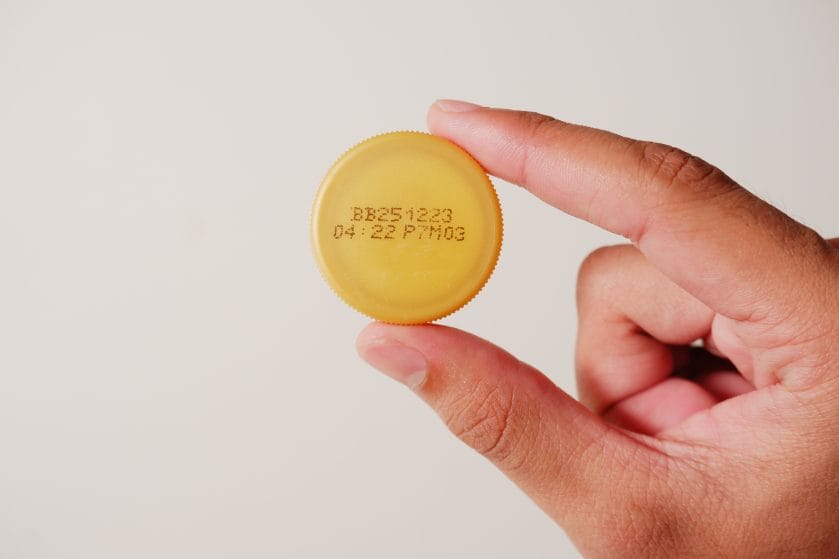
Maintaining a safe kitchen is an absolute priority for older adults managing sensitive digestive systems and unique diets. However, many seniors are unknowingly bringing home expired or rapidly degrading food from their trusted local supermarkets. Advocacy groups are urging older shoppers to inspect the dates on their groceries more closely than they normally would. A mix of retail staffing issues and supply chain delays is leaving dangerous old inventory on the shelves. Let us look at why seniors are being told to double-check expiration dates this month.
Slower Store Restocks
Chronic labor shortages mean many grocery stores do not have enough employees to properly rotate their inventory. Workers are rushing to stock new items in the front while pushing the oldest items to the back. When a senior reaches for a can of soup, they might accidentally grab a product that expired weeks ago. The lack of proper shelf maintenance turns a routine grocery trip into a hazardous game of culinary roulette. Shoppers must take the extra time to read the tiny printed dates on every single box.
Hidden Manufacturer Changes
Food companies are constantly tweaking their recipes and altering the preservatives used to keep their packaged products fresh. Some popular brands have recently shortened their official shelf life guidelines without making any announcements on the packaging. Seniors who are used to keeping a specific jar of mayonnaise for six months might find it spoiled. Relying on your experience is no longer a safe strategy for managing your home kitchen pantry. You have to verify the specific date on every new item you purchase for your household.
Unpredictable Temperature Swings
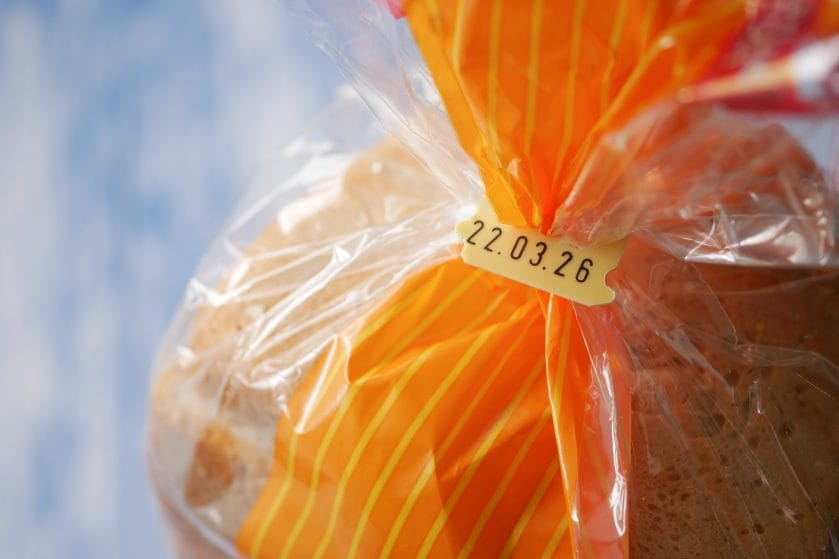
Refrigerated items like dairy and meat are highly vulnerable to temperature fluctuations during the transit process. If a delivery truck loses cooling power for just an hour, the milk will spoil much faster than expected. The printed expiration date assumes that the cold chain was perfectly maintained from the farm to the store. Older adults are frequently opening brand new cartons of milk only to discover a terrible sour odor. You should always trust your nose over the official date printed on the plastic jug.
Safeguarding Your Health
Consuming expired food can lead to severe foodborne illnesses that are incredibly dangerous for older adults. A simple case of food poisoning can quickly result in a highly expensive and stressful hospital visit. Taking a few extra seconds to verify the freshness of your groceries is a vital preventive health measure. If you cannot read the small print, ask a friendly store employee to assist you. Protecting your physical wellness starts with being highly critical of the products you put in your cart.
Creating a Safe Pantry
Organizing your kitchen is the best way to ensure you never accidentally consume expired or dangerous old food. When you unpack your groceries, always place the newest items in the back and the oldest in the front. Use a bold permanent marker to write the date you opened a container directly on the lid. Doing a quick monthly audit of your refrigerator helps you throw away forgotten leftovers before they turn toxic. A well-managed kitchen provides incredible peace of mind and keeps your family perfectly safe.
What To Read Next
3 Reasons Some Canned Goods Remain Safe Beyond Expiration Dates
Things You Should Never Buy Without Checking the Expiration Date
5 Canned Foods That Can Turn Dangerous After Expiration What to Watch For
10 Dairy Products That Outlast Their Expiration Dates
6 Bagged Salads That Spoil Before Expiration Dates
The post Why Seniors Are Being Told to Double Check Expiration Dates This Month appeared first on Grocery Coupon Guide.