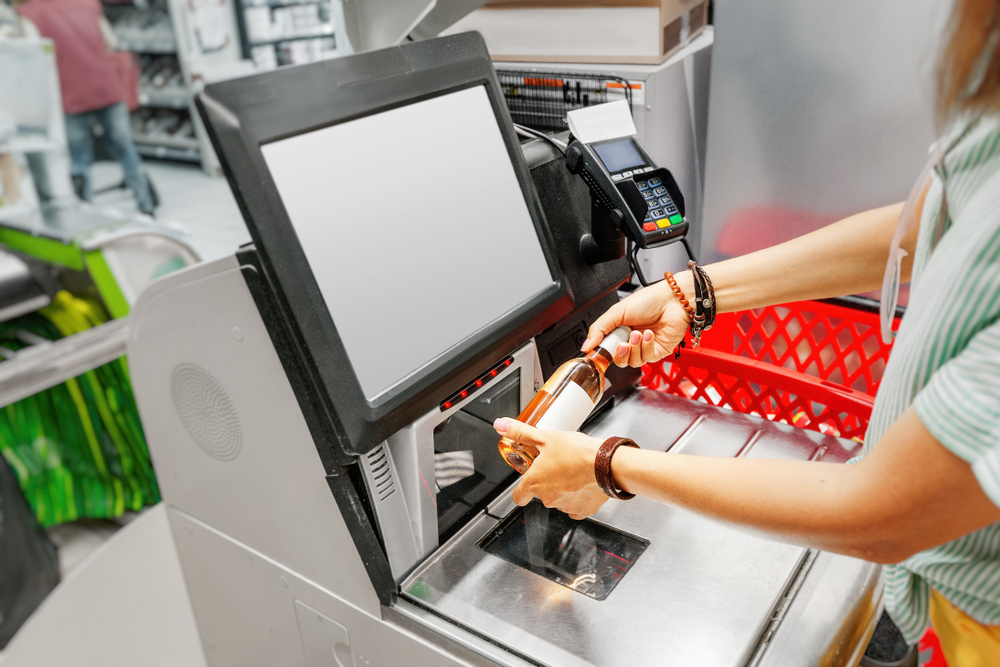
If you’ve ever breezed through a grocery store’s self-checkout line, only to hear that frustrating “unexpected item in the bagging area” alert, you’re not alone. These systems promise speed and convenience but often seem to single out certain shoppers more than others. What’s behind the inconsistency? Retail technology experts say that self-checkout machines rely on algorithms, sensors, and risk models that don’t always interpret human behavior accurately. Understanding why these machines flag some people more frequently can help you avoid unnecessary delays and embarrassing misunderstandings at the register.
The Real Reason Self-Checkout Machines Flag Customers
Self-checkout registers are programmed to detect irregularities, but their systems aren’t perfect. They rely on weight sensors, barcode scanners, and cameras to ensure every item is properly scanned and paid for. Even a slight variation in how you place groceries in the bagging area can trigger a warning. Shoppers who move quickly, handle bulk items, or bring reusable bags are statistically more likely to get flagged. Essentially, self-checkout technology errs on the side of caution, prioritizing loss prevention over customer convenience.
The Impact of Reusable Bags on Flagging Rates
Reusable bags are great for the environment but confusing for self-checkout machines. Because these bags don’t always register as expected weight on the scale, the system assumes an unscanned item was placed in the bagging area. Many shoppers who prefer eco-friendly options are unfairly flagged as a result. To reduce the chances of an alert, most stores recommend selecting “own bag” before scanning or waiting for an attendant to clear the issue. For eco-conscious customers, patience is key when self-checkout machines get finicky.
Why Certain Payment Methods Trigger More Errors
You might not realize it, but your payment method can also affect how self-checkout registers respond. Cash transactions, coupon use, or EBT cards may require additional verification steps. This can make the process slower and more prone to “help needed” messages. The machines are designed to prevent fraud or misuse, so even perfectly legitimate purchases can look suspicious. To minimize problems, keep your payment method consistent and organized before starting your transaction.
Movement Patterns That Confuse the System
Believe it or not, how you move during checkout matters. Self-checkout machines track timing between scans, the order of actions, and even pauses in motion. Shoppers who multitask—such as helping kids, checking phones, or bagging before scanning—can inadvertently trigger the anti-theft system. The machine interprets these pauses as potential signs of skipped items or confusion. Staying focused and maintaining a smooth scanning rhythm helps reduce false flags and keeps the process stress-free.
Product Types That Commonly Cause Alerts
Some items are notorious for tripping up self-checkout registers. Lightweight goods like produce bags, bread, or greeting cards often confuse the scale’s weight sensor. Similarly, heavy bulk items or awkwardly shaped packaging may register incorrectly. Self-checkout machines also struggle with items that have reflective surfaces or damaged barcodes. Scanning these products carefully and waiting for confirmation before bagging can help you avoid interruptions from the system’s watchful eye.
How Store Algorithms Profile “Risky” Behavior
Many stores use predictive algorithms or analytics that assess customer behavior based on scanning speed, purchase history, and even time of day. If the system detects patterns that statistically align with theft attempts, it’s more likely to flag the transaction. For example, scanning multiple high-value items in quick succession or skipping a barcode by accident can set off alerts. While these systems aim to protect inventory, they can unfairly target honest shoppers. Knowing how the algorithm works helps customers adjust their habits without feeling policed.
The Human Factor Behind the Technology
Store staff also play a key role in how self-checkout systems function. Employees monitor multiple stations at once, relying on camera feeds and alerts to identify issues. When the system flags a shopper, an attendant must quickly decide whether it’s a genuine problem or a technical glitch. Unfortunately, bias can sometimes creep in—unconsciously or otherwise—leading to inconsistent enforcement. It’s another reminder that while self-checkout machines rely on automation, human judgment still influences the outcome.
Why Some Stores Intentionally Tighten Security
Retailers constantly adjust the sensitivity of their self-checkout registers based on loss reports. After an increase in theft or scanning errors, stores may temporarily raise their alert levels, meaning even small mistakes trigger assistance. This can make shopping feel frustratingly slow during high-traffic times. The tighter security helps protect stores from loss but adds pressure for honest shoppers to perform perfectly. Being aware of this trend can make the experience less personal and more understandable.
Turning Self-Checkout Stress Into Smooth Shopping
Self-checkout machines aren’t out to get anyone—they’re just overly cautious robots trying to prevent mistakes. The best strategy is to slow down, scan carefully, and prepare your items before starting. Using consistent methods for bagging, scanning, and paying helps the machine read your actions correctly. And when issues arise, remember that the attendant isn’t judging you—they’re just clearing another system hiccup. A little patience and awareness go a long way toward making these systems work for you, not against you.
Have you ever been unfairly flagged by self-checkout registers? Share your experience and tips in the comments below!
What to Read Next…
- 13 Store Checkout Lines That Steal Extra Cash
- 8 Checkout Strategies That Stop Impulse Purchases Cold
- 7 Checkout Displays That Push Junk Items Daily
- Why Self-Checkout Lines Make Some Shoppers Feel Watched and Nervous
- 7 Items Near the Checkout Line That Are Always a Total Rip-Off
The post Why Self-Checkout Machines Flag Certain Shoppers More Than Others appeared first on Grocery Coupon Guide.