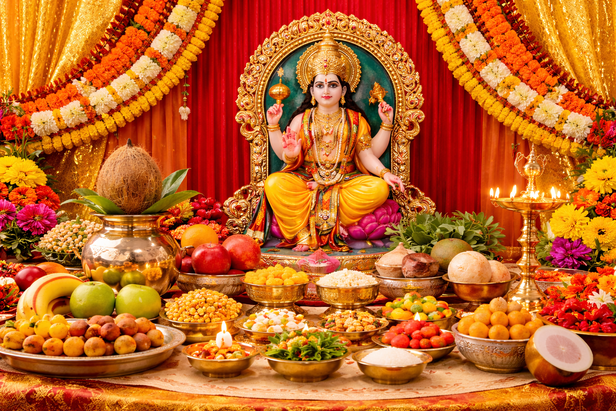
Marriage is not just a celebration in Hindu culture. It is the beginning of a lifelong partnership rooted in dharma, responsibility, and shared destiny. Similarly, starting a new home, business, or life chapter is seen as stepping into unknown territory. At such powerful turning points, many Hindu families perform Satyanarayan Katha. This ritual, dedicated to Lord Vishnu in his form as Satyanarayan, is not merely a tradition passed down by elders. It carries deep spiritual, emotional, and cultural meaning.
1. Seeking Stability from the Preserver of the Universe

Lord Vishnu is revered as the sustainer of cosmic order. In his Satyanarayan form, he represents truth, balance, and protection. Marriage marks entry into the grihastha ashrama, the householder stage, which is considered the backbone of society. By performing this katha, families symbolically invite stability into the new household. It reflects a prayer that the marriage or new venture be preserved with harmony and guided by divine support during both smooth and challenging times.
2. Establishing Truth as the Foundation of the Relationship
The word Satyanarayan combines satya meaning truth and Narayan meaning the Supreme Being. The central message of the katha, described in the Skanda Purana, emphasizes that devotion combined with honesty leads to lasting prosperity. For a newly married couple, this becomes deeply relevant. Trust and transparency are essential in a relationship. Performing this ritual at the beginning of married life sends a powerful reminder that truthfulness is not optional but foundational.
3. Expressing Gratitude for Fulfilled Blessings
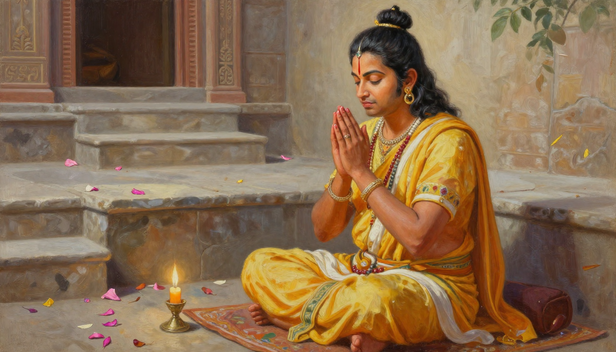
Marriage is often seen as the result of divine grace. Families view it as the fulfillment of prayers and hopes. Satyanarayan Katha is frequently performed as an act of thanksgiving. Hindu philosophy highlights gratitude as a virtue that protects prosperity. By acknowledging divine blessings at the start of a new journey, couples cultivate humility and reinforce the awareness that their happiness is not accidental but blessed.
4. Creating an Auspicious and Positive Environment
Every new beginning carries excitement along with uncertainty. The chanting of Vishnu mantras, the reading of the katha, and the offering of prasad create a sacred atmosphere in the home. Rituals in Hinduism are designed to purify space and intention. When a couple begins their life together surrounded by prayer, positive energy, and collective blessings, it psychologically strengthens their confidence in the future. The ceremony becomes a spiritual reset that sets the tone for the journey ahead.
5. Strengthening Family and Community Bonds
Marriage unites not only two individuals but also two families. Satyanarayan Katha is usually performed in the presence of relatives and close friends. Collective participation in prayer, listening to the sacred narrative, and sharing prasad reinforces emotional connections. This shared spiritual moment builds a support system that can sustain the couple through life’s challenges. The ritual becomes a social anchor that integrates the new couple into a larger circle of love and responsibility.
6. Aligning New Beginnings with Scriptural Guidance
The Satyanarayan Vrat is described in the Skanda Purana as a simple yet powerful observance suitable for people in the present age. Unlike elaborate temple rituals, it can be performed at home with devotion and sincerity. Its accessibility makes it ideal for marking personal milestones. By choosing this katha after marriage or at the start of a business or home, families consciously align their personal aspirations with scriptural wisdom. It is a way of saying that success should walk alongside dharma.
7. Building Emotional Security in Uncertain Times

Modern life brings pressures that previous generations did not face. Financial responsibilities, career demands, and societal expectations can create stress in newly married life. Rituals such as Satyanarayan Katha offer emotional grounding. The stories narrated in the katha highlight the importance of faith, perseverance, and moral conduct. Listening to these narratives together helps couples feel supported by something larger than themselves. The ritual becomes a moment of calm reassurance before stepping fully into responsibility.