A recent story involving Gary Player on the Golf Monthly website caught my attention and raised an eyebrow: “’One of the great tragedies that I have ever seen in golf' - Gary Player's impassioned plea to stop cutting down trees.”
The South African is no stranger to attention-grabbing comments but the following line from that story certainly took things to slightly bizarre extremes: “People on club committees who order trees to be cut down should go to jail for a year. I really believe that.”
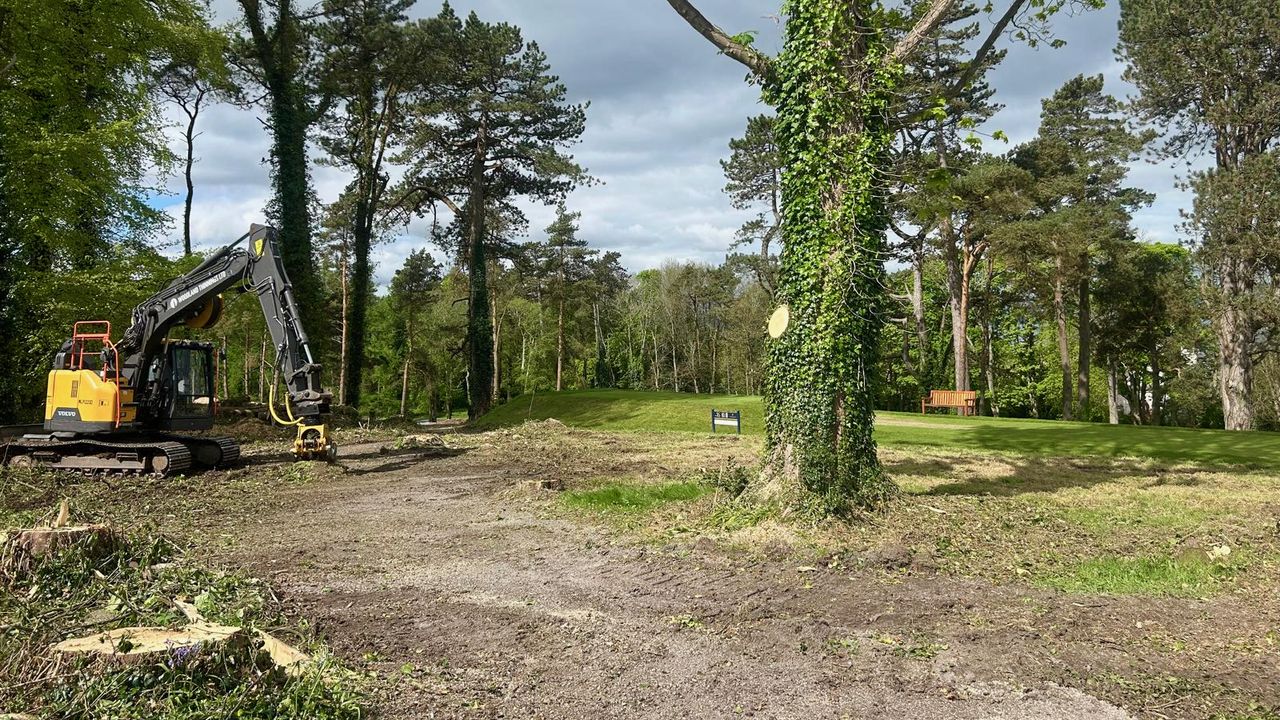
Player made these comments, singling out Aronimink Golf Club in Pennsylvania as it prepares to host the 2026 PGA Championship in May, at a time when many golf clubs are removing trees for a variety of reasons.

For example, at many of our best heathland courses in the UK (and other courses, too), it has been done to restore the original playing lines and characteristics on holes that, many years ago, played across open heathland with barely a tree in sight.
I think of the 5th hole at my former home club of Crowborough Beacon in Sussex, where my memory is telling me that a photo from the early days, which used to hang in the clubhouse and may still do, showed a virtually tree-free hole very different to today’s, where dense woodland now lines both sides. There will be countless other examples.
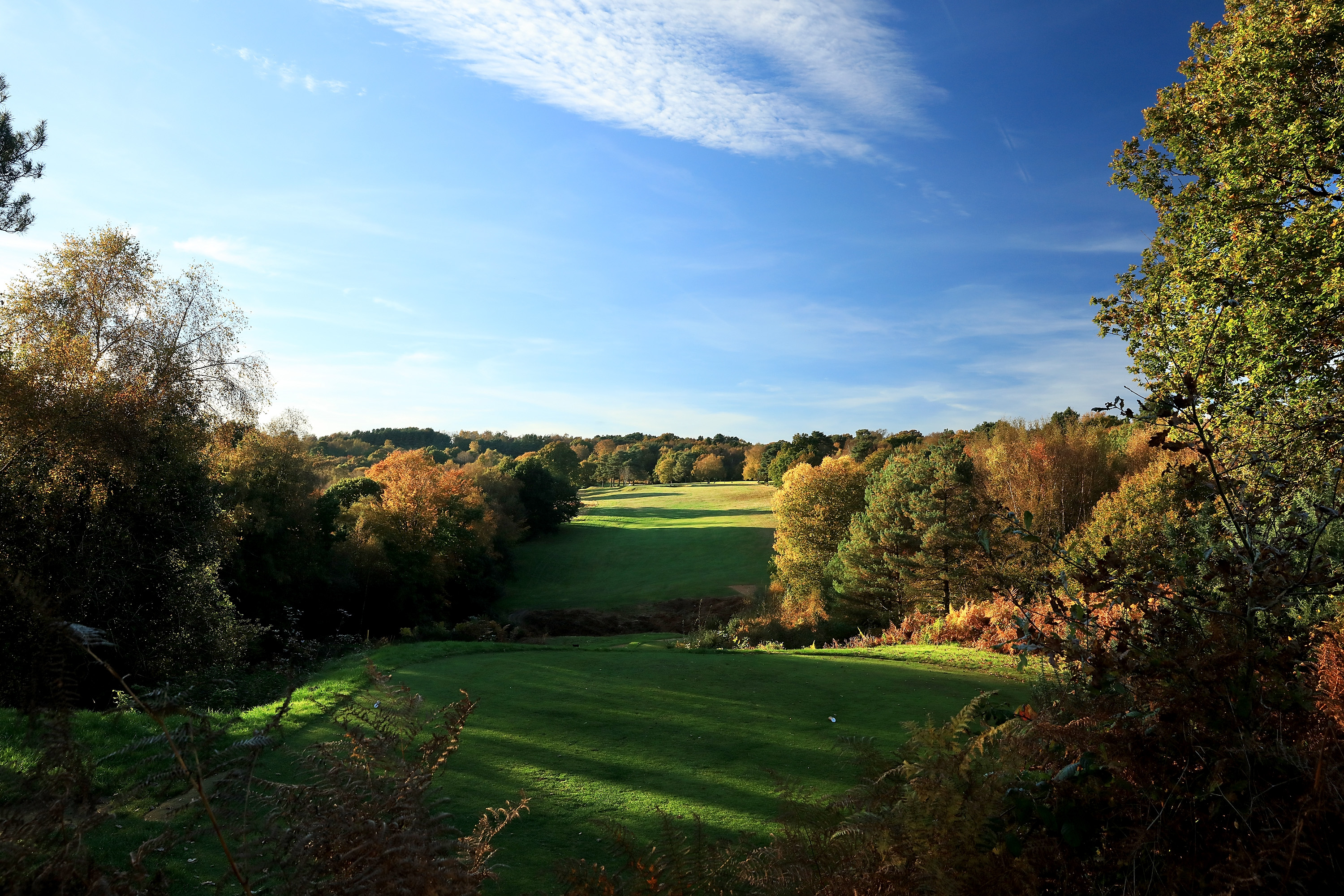
I’m not saying things shouldn’t evolve over time, and trees can undoubtedly enhance the visuals on many golf courses and individual holes.
But if allowed to grow unchecked, they can also impact too much on both playing lines and turf conditioning, creating a false challenge that the architect never intended and hampering the growth of healthy turf by restricting light and airflow.
"Woodland is a mobile ecosystem which regenerates on its boundaries and will readily invade any adjoining ecosystem, so management is required to safeguard the particular system you wish to favour and to keep the woodland healthy," says John Nicholson, a specialist in the management of trees and woodlands in the golfing environment, who has assisted many golf clubs throughout Europe.
"If trees are not removed, then all the environments will be detrimentally affected."
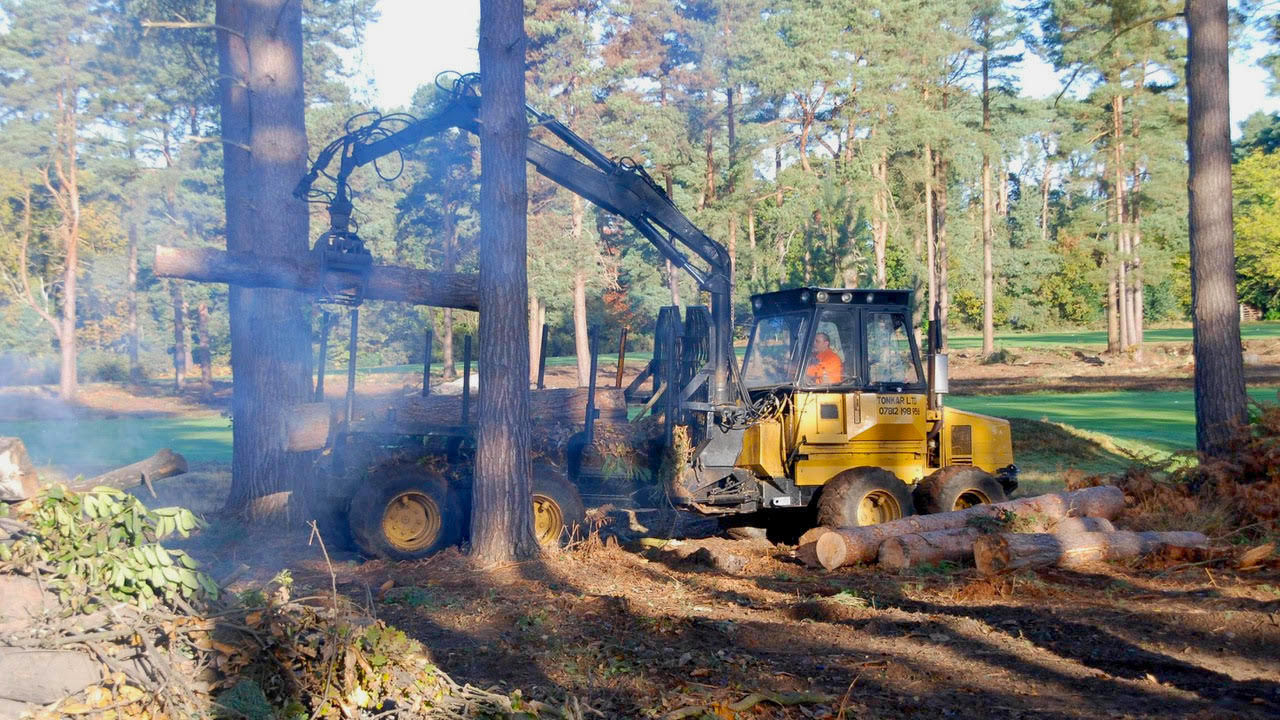
Despite this, many people have shared Player’s dismay about tree removal through the years, with AW Tillinghast, design mastermind behind the famous Bethpage Black course, observing back in the day: “I sometimes take my very life in my hands when I suggest that a certain tree happens to be spoiling a pretty good hole. The green chairman is like as not to glare at me as though I had recommended that he go home and murder his wife.”
I should stress that I’m no arboriculturist or environmentalist, and I do think that certain courses may have gone a fraction too far with tree removal at times.
But in my other role as editor of The Golf Club Secretary newsletter, we do commission experts in the field like Nicholson to write about such issues, and they paint an alternative, far less black-and-white view than Player about the topic of tree removal on golf courses.
Climate change and carbon capture
Climate change and carbon capture involving trees are clearly emotive subjects, but while no-one is denying the hugely beneficial role trees and woodland have to play in all this, people aren’t always getting the full picture according to Nicholson.
“Trees bring out strong emotions in virtually everyone,” he admits. “Many feel the removal of any tree should be punished by hanging! However, there is a raised awareness that trees are only good if in the right place. It is often a criticism that you are adversely affecting carbon capture when you remove trees, but in fact, permanent grassland is equally efficient at capturing carbon.
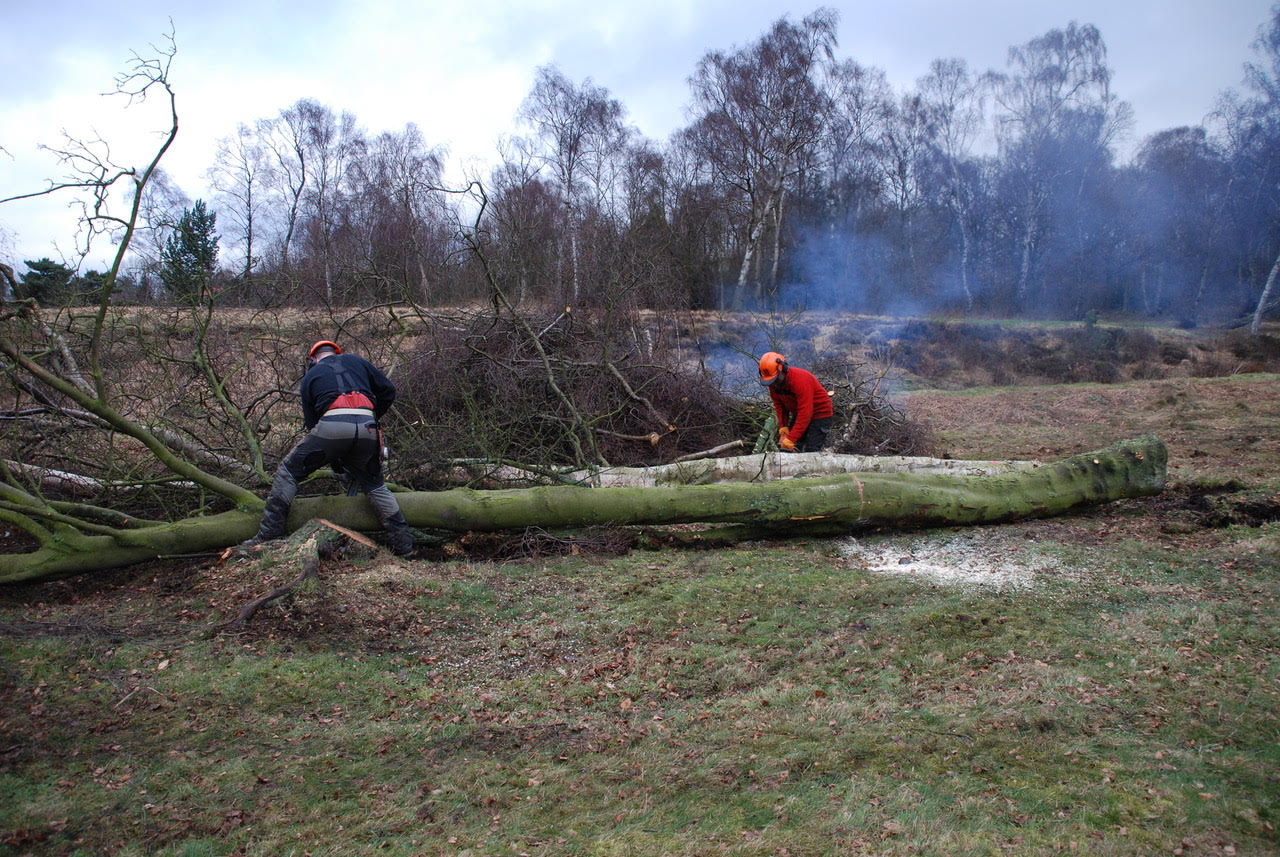
“Suitably managed grassland can hold as much carbon as a woodland – and for longer. The total values for carbon pools within grassland and deciduous woodland are roughly similar at 300 tonnes per hectare.”
In other words, many golf courses offer other ways to assist with carbon capture, so taking out trees that are impacting on playing lines and/or course conditioning to the detriment of the course should really be less of an emotive matter and more of a practical one.
Golf environment consultant, Keith Duff, expands further on this ‘trees vs grassland’ element of the carbon capture and sequestration theme to combat the effects of climate change. “One of the most frequently proposed solutions is to sequester (or ‘capture’) carbon and this is where trees come in,” Duff explains.
“They capture and tie up huge amounts of carbon within their structure, with one hectare of ancient woodland sequestering the equivalent CO2 each year to flying from London to Rome 13 times!
“This is why forest clearance, such as in the Amazon Basin, is so damaging as CO2 is released into the atmosphere by burning, thus adding to the atmospheric burden. In large part, this explains the demands for the safeguarding of existing woodlands accompanied by the planting of new ones.”
“So, where does that put us regarding golf courses?” Duff queries. “I hear suggestions that we should be planting a lot more trees on golf courses to ‘make better use of these areas to sequester carbon’”, something Player went on to advocate in his comments.
Grassland and heathland play a role too
“But soil sequestration probably offers considerably more opportunities to golf clubs than woodland plantings," Duff goes on to suggest. "Given how much grassland is managed by the golf industry, we need to look harder at how we can increase its contribution to the net-zero approach.
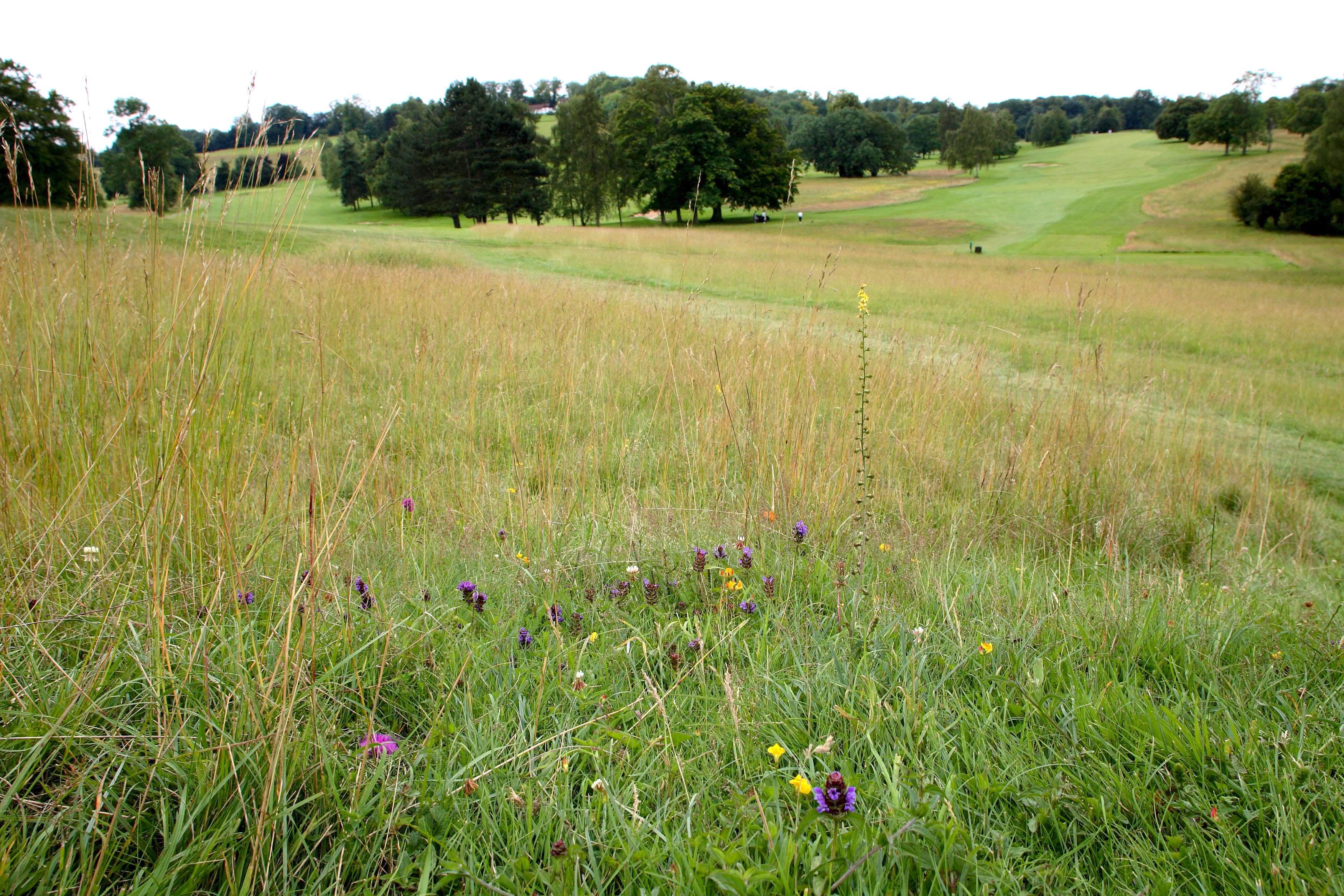
“For example, a wildflower meadow (even when cut for hay once a year) can store three tonnes of carbon or 11 tonnes of CO2 per hectare per annum.
"So, good management of roughs can make significant contributions towards the net-zero objectives, and we [the golf industry] should perhaps be trying harder to make these points to our critics.
“If you have existing good-quality, semi-natural habitat on your golf course, especially heathland, wetland or grassland, you are already making a significant contribution towards carbon sequestration, and you should aim to continue looking after them well.”
The architects of old
Going back to Nicholson, don’t for one minute think he is anti-tree – far from it. “My philosophy has always been that trees should form the framework in which the course is set but should have little relevance within the strategy of the course,” he says.
This broadly ties in with something Dr Alister MacKenzie wrote many years ago, while also forewarning about the dangers of allowing unmanaged tree growth, which is what is prompting many clubs to take tree-felling action in the 21st century:
“If trees intrude upon the actual playing area for no purpose other than beautification, their advantage is misplaced and consequently lost.
“I mention this point to bring attention to new trees planted of recent years, intruding seriously onto lines of play and also, therefore, on the planner’s design.
"Apart from there being a radical departure from the design principles, no thought has been given, I would guess, to the effect of these new tree plantings in say ten to 20 years’ time.”
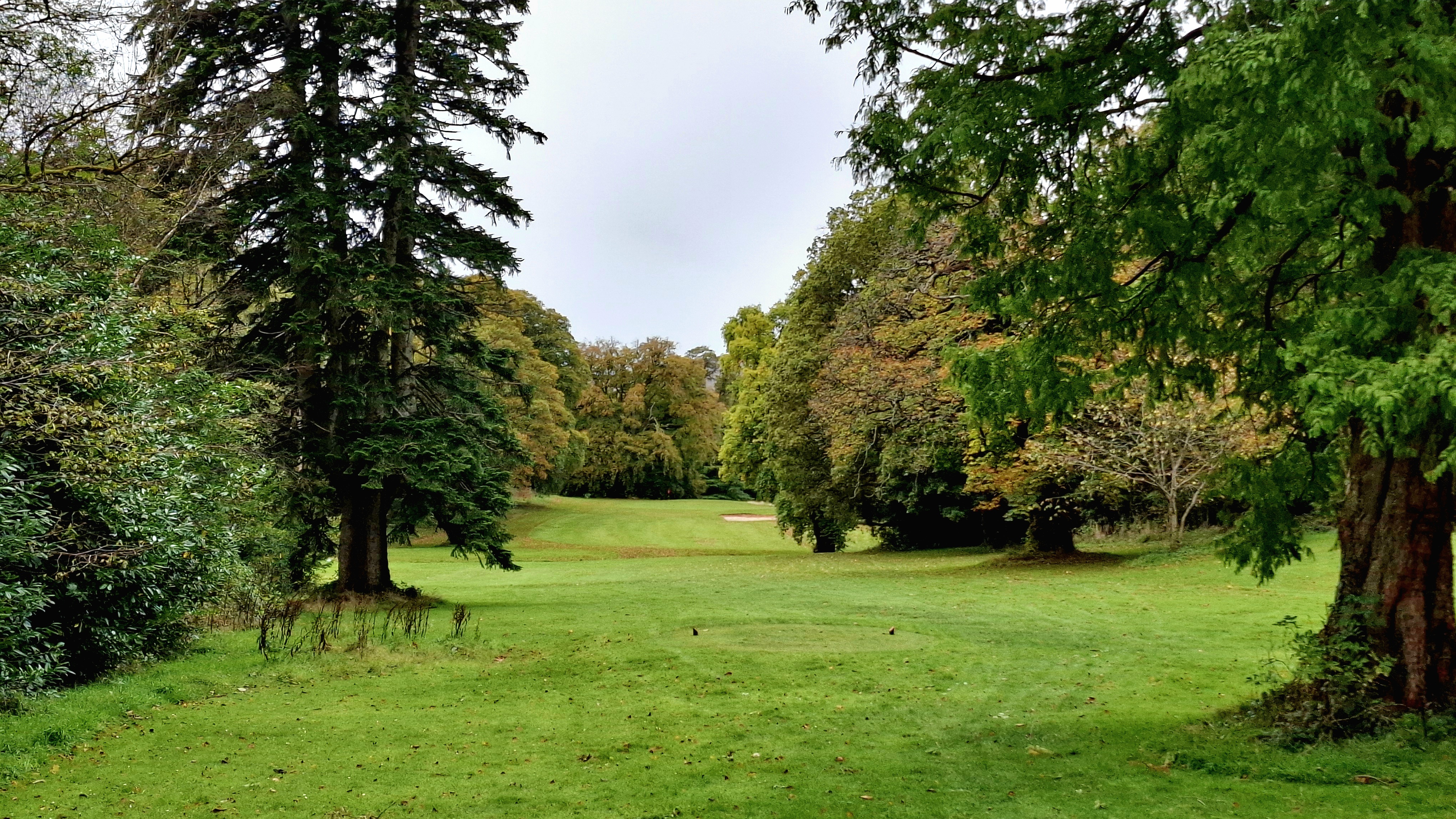
And the great Harry Colt wrote in Some Essays on Golf Course Architecture in 1920: “Trees are a fluky and obnoxious form of hazard, but they afford rather good protection, and if a clump of these exists at such a spot it might well be considered justifiable to leave it standing...
"In cases where the ground is covered densely with trees, it is often possible to open up beautiful views by cutting down a little additional timber.”
“Trees and woodlands offer many benefits,” Nicholson says in conclusion. “They create important wildlife habitats for wonderful creatures such as woodpeckers and bats, they provide seclusion and protection and can act as attractive backdrops to golf holes. Sentinel oaks add majesty and, in autumn, trees can provide colours which brighten the day.
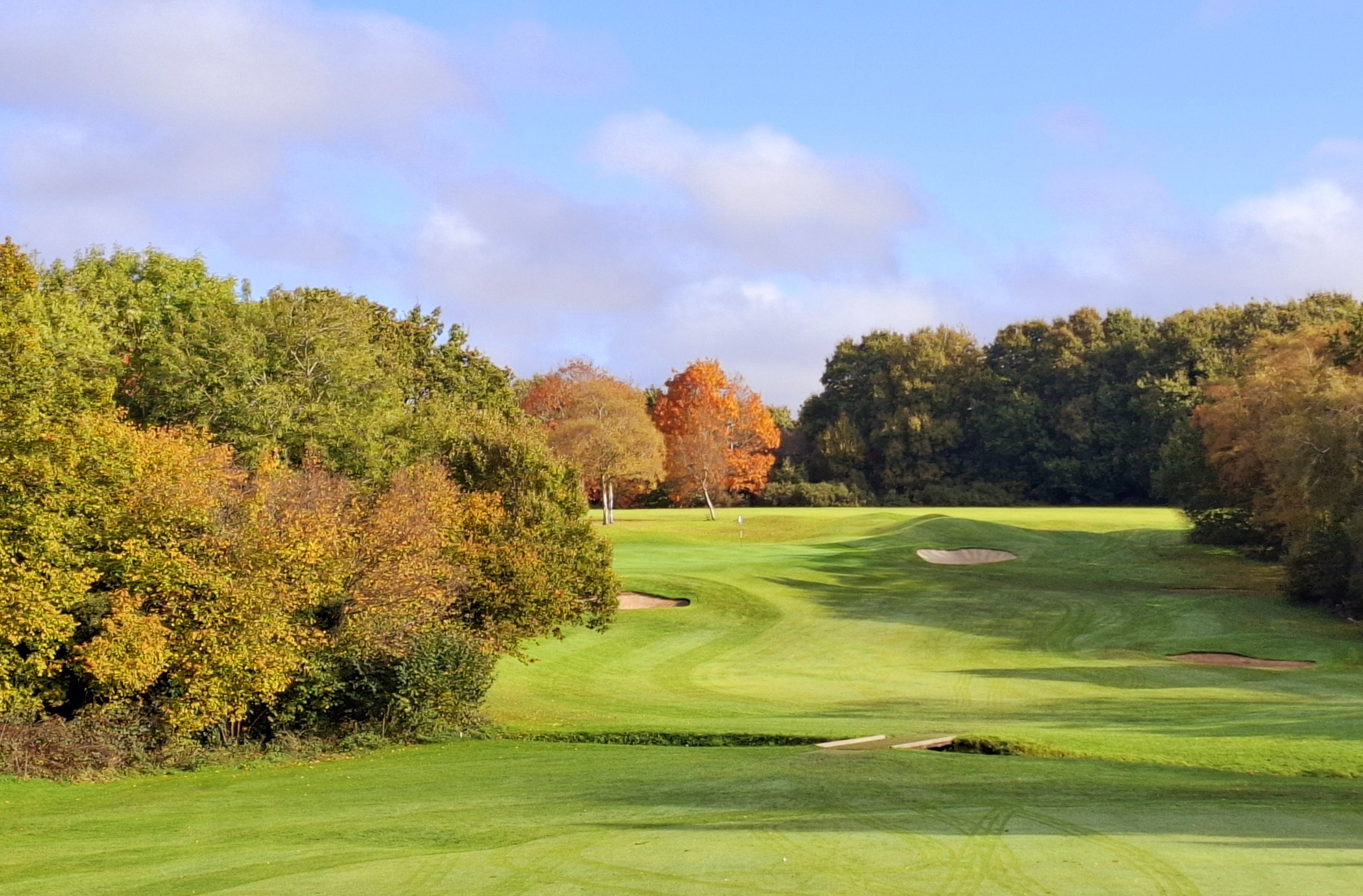
“It is therefore essential to have sustainable woodland located in the correct position if a golf course is to reach its full potential – a net loss in the number of trees but a positive gain in quality!”
Clearly, cutting down trees is an emotive issue for some, but there is a little more to the equation than meets the eye when it comes to golf courses.